Lina Irawan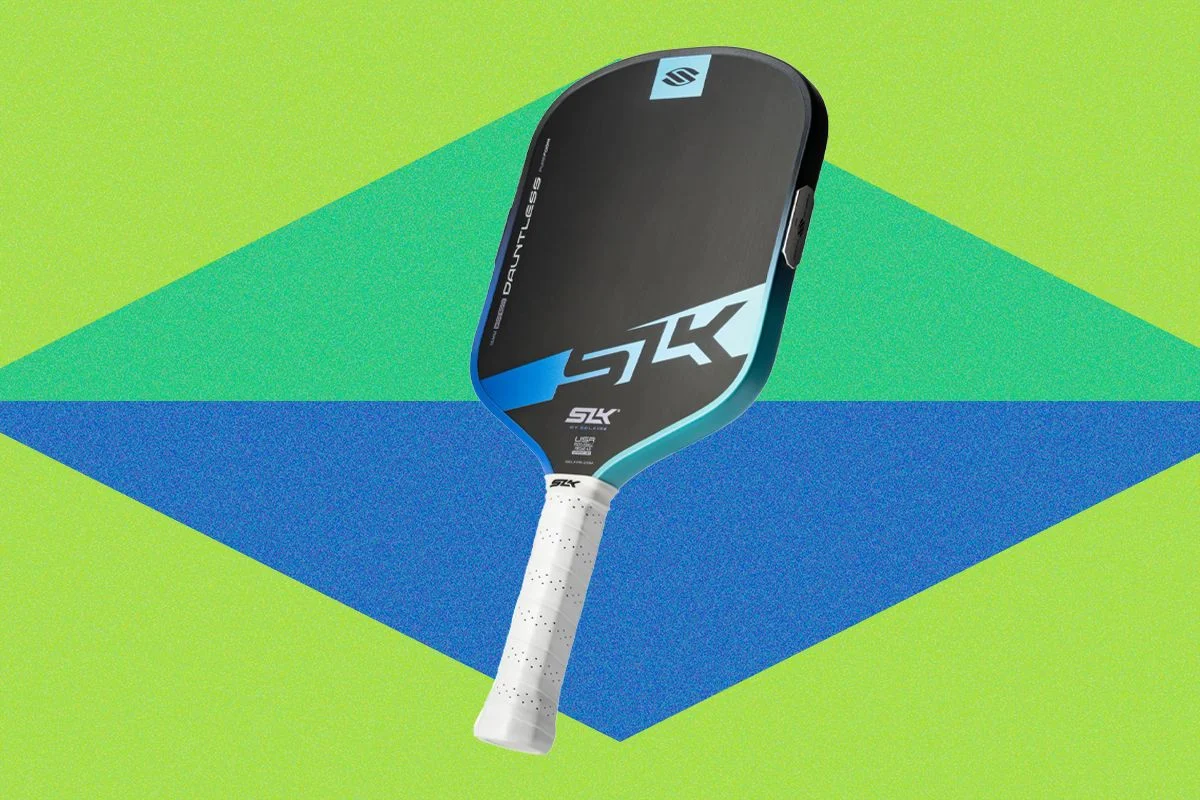
The fourth wave of pickleball innovation has officially arrived, and with it, the sport’s equipment technology has reached a fascinating, high-stakes crossroads. As the fastest-growing sport in the United States continues to evolve from a recreational pastime into a high-performance discipline, the hardware used by its millions of participants is undergoing a radical transformation.
After three years of rigorous testing—encompassing over 130 different models, thousands of hours of gameplay with diverse skill sets, and controlled diagnostic drills using Slinger ball machines—it is clear that the industry has moved past the era of experimentation and into an age of standardization and specialized refinement.
Main Facts: The Consolidation of Performance
The most significant trend observed in 2026 is the rapid homogenization of high-end paddle architecture. For years, the market was a Wild West of varying core geometries and face materials. Today, the "flagship" offerings from mainstream brands have never been more similar.

The primary catalyst for this shift is the mass adoption of foam-infused cores. Where carbon fiber honeycomb cores once dominated the landscape, the industry has largely pivoted toward foam cores, which offer a more uniform, predictable feel. While a vocal minority of purists continues to advocate for the traditional "open" honeycomb structures, the performance data is difficult to argue with: foam cores provide superior vibration dampening, a larger effective sweet spot, and, crucially, enhanced structural longevity.
Paddle shapes have also undergone a Darwinian consolidation. In 2023, oval-shaped paddles were still a common sight on public courts. Today, they have largely gone the way of the buffalo. The elongated paddle shape has become the de facto standard, favored by nearly every competitive player for its superior reach and leverage.
A Chronology of the Paddle Evolution
To understand how we arrived at this current state of the art, one must look at the rapid maturation of the sport:

- 2021–2022 (The Era of Discovery): Brands experimented with basic composite materials and traditional honeycomb cores. Innovation was focused on simply making a paddle that wouldn’t break under consistent play.
- 2023 (The Carbon Fiber Boom): The industry pivoted to raw carbon fiber faces, introducing the concept of "spin" as a primary performance metric. It was the year of the "banger" paddle.
- 2024–2025 (The Thermoformed Revolution): Manufacturers mastered the art of heat-molding frames, creating stiffer, more powerful paddles. However, this also led to durability concerns as faces lost their grit prematurely.
- 2026 (The Refinement Phase): The current wave focuses on "feel" and consistency. By utilizing multi-density foam cores and advanced mass-distribution systems (such as MOI tuning), brands are now producing paddles that prioritize control without sacrificing the explosive power developed in previous years.
Supporting Data: Why Tech Matters
The shift in technology is not merely marketing fluff; it is supported by the physics of the game. For the average player, the transition to foam cores is a game-changer. Unlike honeycomb cores, which can lose structural integrity—or "mash down"—after heavy impact, foam cores retain their mechanical properties for significantly longer periods.
Furthermore, the introduction of MOI (Moment of Inertia) tuning systems—pioneered by brands like Selkirk—allows manufacturers to shift the center of gravity toward the perimeter of the paddle. Our testing indicates that this modification increases the "forgiving" nature of the paddle, significantly reducing the frequency of mishits on off-center strikes. This is particularly beneficial for beginners who are still refining their swing mechanics, as well as for finesse players who rely on "dink" accuracy.
Top Recommendations for 2026
The Gold Standard: SLK Dauntless
For those looking to invest in a long-term solution, the SLK Dauntless ($150) stands out as the premier beginner-to-intermediate choice. Its wide-body construction provides the largest sweet spot currently available on the market. By incorporating the MOI Tuning System, the Dauntless allows players to maintain a high level of control even when they are forced into defensive, awkward positions. It is a testament to the fact that modern tech can make the game more accessible and more rewarding.

The Expert’s Choice: Paddletek Honeyfoam TKO-X
At the top end of the spectrum, the Paddletek Honeyfoam TKO-X ($250) is the undisputed champion of the 2026 season. By utilizing a tri-density foam layout—a low-density core for touch, high-density EVA for energy return, and a specialized perimeter foam for stability—Paddletek has achieved the "Holy Grail" of paddle design: maximum pop without the loss of control.
The Budget-Conscious Alternatives
- The SLK Valkyrie ($80): While it lacks the latest foam-core technology, it remains a robust, reliable option for casual players or those on a budget. It offers the consistent grip and weight distribution that Selkirk is known for, making it far superior to the generic, unbranded paddles often found in big-box stores.
- The Onix Hype X ($90): For the budget-conscious power hitter, the Hype X remains a staple. Its thermoformed honeycomb core offers excellent pop, and it has become the go-to recommendation for advanced players who prefer a stiffer, more aggressive feel under $100.
Official Industry Response and Future Implications
Industry leaders acknowledge that the focus has shifted from "more power" to "better playability." During interviews with design teams at major manufacturers, a recurring theme emerged: the "arms race" for the fastest ball exit speed is hitting a ceiling, largely due to potential future regulations by governing bodies like USA Pickleball.
Consequently, the next frontier of innovation is longevity and sustainability. The Reload paddle ($200) is a prime example of this pivot. By addressing the rapid degradation of carbon fiber grit—the most common failure point for performance paddles—the Reload allows players to replace the face texture independently of the core. This is a significant development, as it challenges the "disposable" nature of high-end equipment.

Similarly, we are seeing "green" innovation, such as the SXY PKL, which utilizes bamboo to provide a unique, gritty surface texture. While these niche products may not yet match the raw performance of the flagship foam-core models, they highlight a growing desire for diversity in materials and a move toward eco-conscious engineering.
Implications for the Player
What does this mean for you, the player?
- Stop buying disposable paddles: If you are playing more than twice a month, avoid the sub-$50 paddles. The lack of grit and structural instability will actually hinder your development.
- Match your paddle to your style: If you are a beginner, prioritize a wide-body, foam-core paddle for maximum forgiveness. If you are a tournament player, look for thermoformed, multi-density foam options that offer the specific "feel" you need for your transition game.
- Prepare for a plateau in "Tech" gains: As the technology stabilizes, the gains in equipment performance will become marginal. In 2027 and beyond, the focus will likely shift to weight customization and aesthetic personalization (as seen with the Scorpion Pioneer Plus LED series).
The 2026 season represents a period of unprecedented refinement. While the paddles are becoming more similar in their fundamental design, the quality of that design has never been higher. Whether you are a weekend warrior or a competitive circuit regular, the tools available today offer a level of consistency that would have been unimaginable just three years ago. The sport is no longer just about who can hit the hardest; it is about who can leverage the best technology to achieve the most precision.


 Neng Nana
 Sagoh
Sagoh