Muslim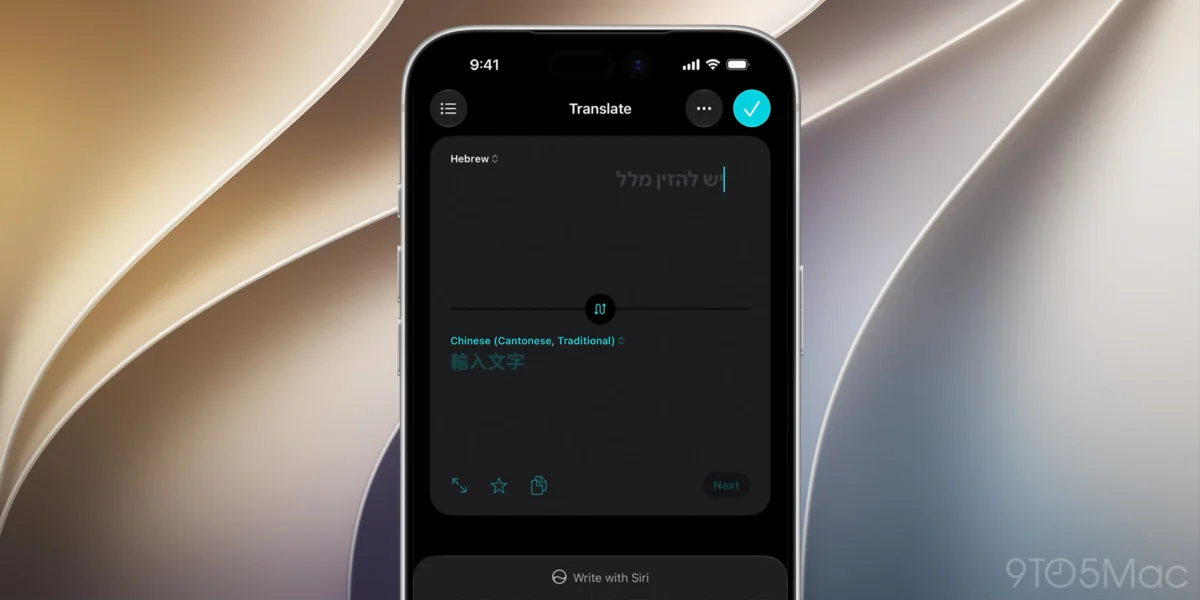
In a move that underscores its commitment to global accessibility and inclusivity, Apple is set to significantly broaden the linguistic horizons of its ecosystem with the upcoming release of iOS 27. Building on a steady trajectory of internationalization, the company has announced a major upgrade to the Apple Translate app, alongside sophisticated enhancements to its native keyboard and predictive typing systems. This expansion, currently being vetted in the third beta release of iOS 27, represents one of the most substantial updates to Apple’s language processing capabilities in recent years.
Main Facts: A New Era for Apple Translate
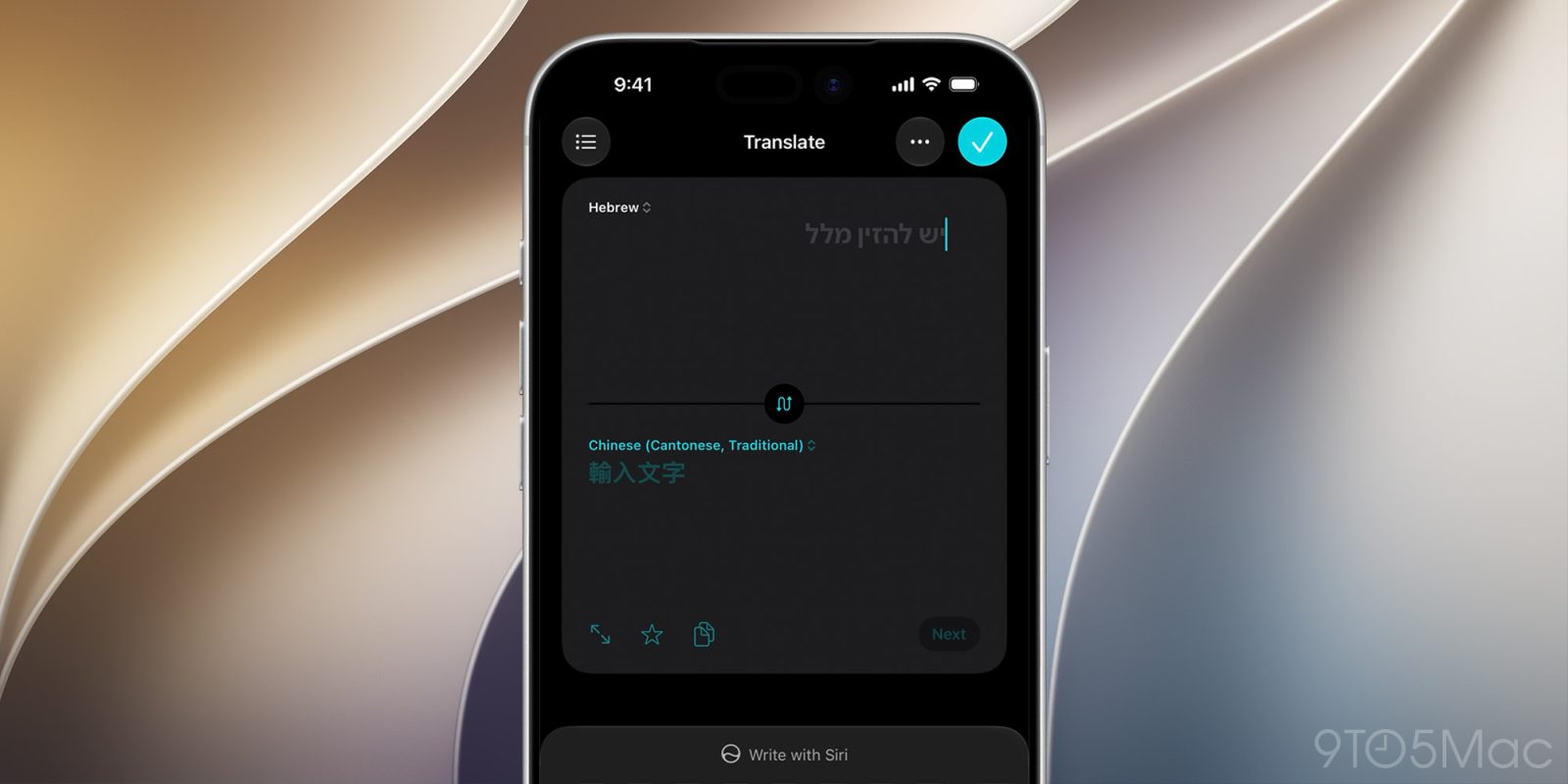
The centerpiece of the iOS 27 update is the substantial growth of the Apple Translate app. Users across the globe will soon find a much more versatile tool at their disposal, with the platform expanding its total support from the current 21 languages to 30. This growth is not merely a quantitative increase; it represents a strategic effort to support diverse linguistic regions, including the long-awaited addition of Hebrew, which has been highly anticipated by the developer and user community alike.
The updates extend beyond simple translation. The iOS 27 keyboard is receiving a top-to-bottom overhaul, incorporating localized predictive text, smarter auto-correction algorithms, and expanded character sets for languages that have historically lacked native support on Apple devices. These improvements are designed to make communication more natural, fluid, and culturally relevant for speakers of languages ranging from Afrikaans and Zulu to various Indigenous dialects.
A Chronology of Linguistic Integration
Apple’s current push into multilingual support did not happen in a vacuum. To understand the significance of the iOS 27 update, one must look at the company’s roadmap over the past several months:
- March 2026: Apple signaled its intent to cater to a broader international audience by adding 11 new languages to App Store Connect. This allowed developers to provide localized app metadata, ensuring that international users could find and understand apps in their native tongues. This move was widely interpreted as a foundational step toward deeper system-level localization.
- June 2026 (WWDC26): During the Worldwide Developers Conference, Apple unveiled the vision for iOS 27. The keynote placed a surprising amount of emphasis on the "Global User," highlighting deep integration of machine learning to improve how the keyboard handles non-Latin scripts and complex grammar structures found in languages like Guarani and Zulu.
- July 2026: The release of the iOS 27 beta cycles began, allowing developers and early adopters to verify the integration of these new languages. It was during these beta sessions that reports—first highlighted by The Verifier—confirmed the inclusion of Hebrew in the Translate app, confirming that Apple was moving ahead of schedule on its language deployment.
Supporting Data: Why Language Support Matters
The importance of this expansion cannot be overstated in the context of the global smartphone market. According to recent demographic data, over 70% of Apple’s revenue is generated outside of the United States. While English remains the lingua franca of technology, the "next billion users" are primarily situated in regions where local languages are the primary—or only—means of digital engagement.

The Technical Infrastructure
Apple’s approach to this expansion is rooted in on-device machine learning. Unlike many cloud-based competitors, Apple Translate relies heavily on the Neural Engine within the A-series and M-series chips. By expanding the language list to 30, Apple is essentially doubling the workload of its offline translation models. This requires significant optimization, as the translation engine must maintain accuracy while keeping battery consumption low and privacy high—a core pillar of Apple’s branding.
Indigenous Language Preservation
A particularly noteworthy aspect of the iOS 27 update is the focus on Indigenous languages. By providing keyboard support for these dialects, Apple is playing an active role in digital language preservation. For speakers of languages like Guarani, which has a significant population in South America, having native keyboard support means that their language can be used in messaging, education, and professional settings, rather than being forced to rely on Spanish or Portuguese keyboards.
Official Responses and Industry Context
While Apple has historically kept a tight lid on its software development processes, the reception to the iOS 27 announcements has been overwhelmingly positive. Tech analysts have noted that this move positions Apple to compete more effectively with Google’s Gboard and Google Translate, which have long been the industry gold standard for language diversity.
In a brief statement provided to developers during the WWDC26 sessions, an Apple representative noted: "We believe that technology should be a bridge, not a barrier. By investing in the nuances of regional languages and dialects, we are ensuring that every user, regardless of their mother tongue, can experience the full power and fluidity of the Apple ecosystem."
Industry experts suggest that this is a strategic play to maintain dominance in emerging markets. "Apple isn’t just selling hardware; they are selling an experience," says Sarah Jenkins, a senior analyst at TechFlow Insights. "If that experience is restricted to the top five global languages, you leave a massive segment of the world behind. The inclusion of Hebrew, Zulu, and others is a clear signal that Apple is maturing into a truly global utility."
Implications: The Road Ahead
The implications of these changes will be felt in several key areas of the technology industry:
For Developers
Developers can now leverage the improved keyboard APIs to create more localized, user-friendly experiences. With the App Store Connect changes from earlier this year, the pipeline for internationalizing apps is now more robust than ever. Developers are encouraged to update their metadata and utilize the new iOS 27 keyboard features to boost engagement in regions where these newly added languages are spoken.
For Global Education and Accessibility
The impact on education is potentially transformative. For students who speak languages that were previously unsupported, the ability to use the Apple Translate app for real-time, on-device translation opens up new avenues for cross-cultural collaboration. It also lowers the barrier to entry for digital literacy in underserved communities.
For Privacy and Security
One of the most significant implications is that by moving more translation work onto the device, Apple is reinforcing its privacy stance. Unlike cloud-based translation services that may process user input on remote servers, Apple’s expanded language support for Translate is largely localized. This is a crucial selling point for enterprise and government users in regions where data sovereignty is a major concern.
Conclusion
As we look toward the public release of iOS 27, it is clear that Apple is committed to a more inclusive digital future. The jump from 21 to 30 languages in the Translate app is more than just a bullet point on a feature list; it is a fundamental shift in how the company approaches its global user base.

By prioritizing the needs of multilingual speakers and investing in the technical infrastructure required to support regional nuances, Apple is setting a new standard for what a smartphone operating system should provide. Whether it is a student in South America, a business professional in the Middle East, or a speaker of an Indigenous language, the upcoming iOS update aims to ensure that no one is left behind. As the company continues to refine its beta software, the excitement surrounding these features continues to build, proving that in a hyper-connected world, the most powerful tool a smartphone can offer is the ability to speak, write, and understand in one’s own language.
Note: The inclusion of these languages in the iOS 27 beta 3 remains subject to further refinement. Users are encouraged to provide feedback through the Apple Feedback Assistant to help improve accuracy and predictive text quality for these new additions.

 Iffa Jayyana
 Asep Darmawan