Lina Irawan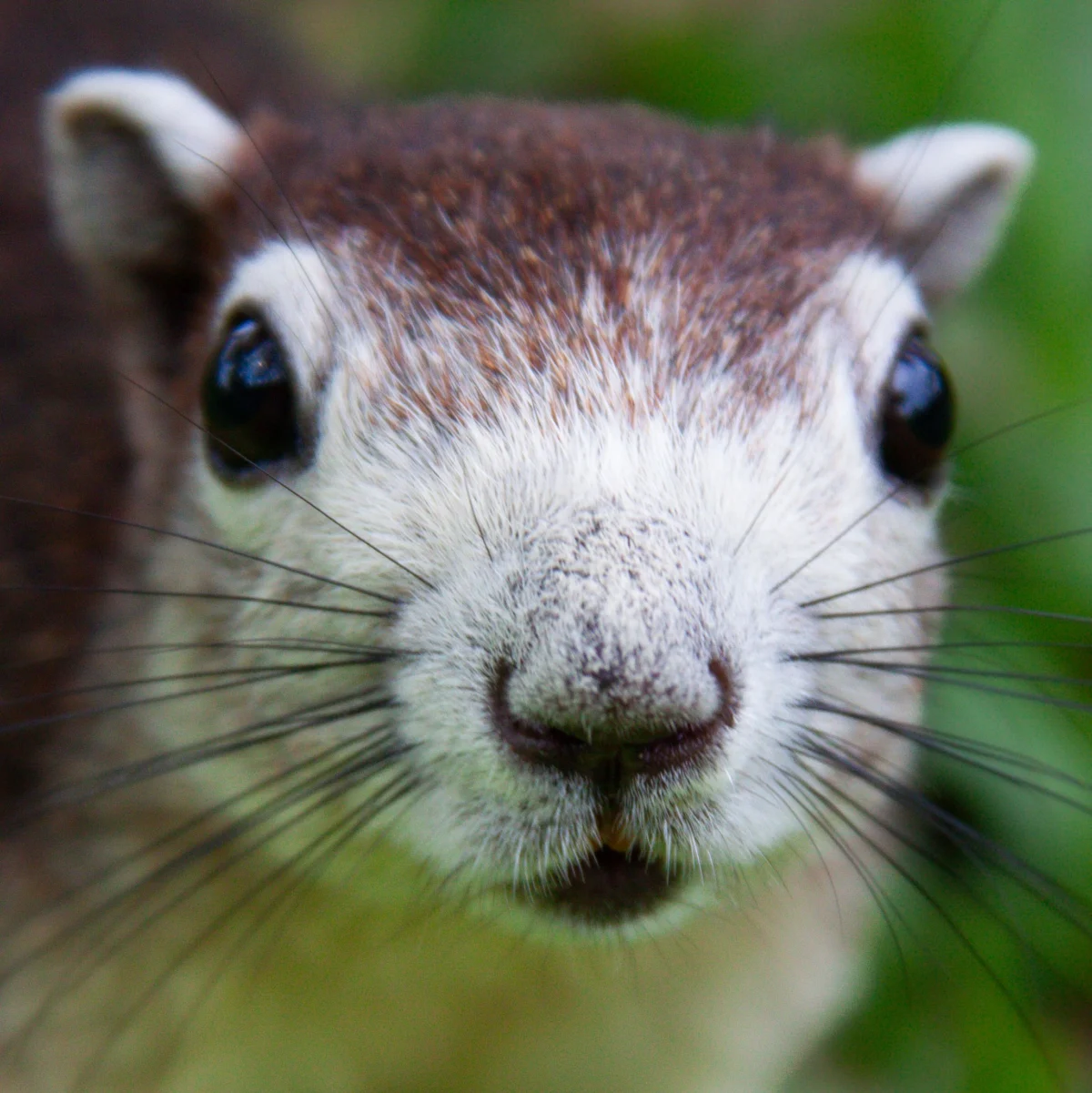
For a company currently navigating the turbulent waters of AI-driven restructuring, mass layoffs, and internal dissent, the last thing Meta’s leadership needed was an unexpected, furry, and surprisingly aggressive intruder. Yet, in a bizarre turn of events that underscores the surreal atmosphere currently permeating the tech giant’s global operations, a squirrel—yes, a literal squirrel—recently turned a Bangkok office into a site of high-stakes chaos.
While the incident might sound like a script rejected by a television sitcom writing room, it serves as a bizarrely symbolic footnote to a year that has been anything but "a picnic" for Mark Zuckerberg’s empire. As the rodent darted through the halls of the Bangkok facility, it provided a moment of frantic, viral distraction for employees worldwide, many of whom have spent the better part of the year grappling with an internal identity crisis.
The Chronology of the Chaos
The incident, which took place earlier this week, began not with a breach of security in the traditional sense, but with a delivery. According to an internal memo circulated among staff and reviewed by WIRED, a janitor employed by a third-party contractor accepted a package that, unbeknownst to the recipient, contained a live squirrel.
The circumstances surrounding why a live rodent was being shipped to a Meta facility remain shrouded in mystery. Whether the animal was intended as a pet, a food source, or simply a bizarre logistical error, the result was immediate mayhem. Once the package was opened, the squirrel, likely disoriented and distressed, escaped into the office environment.
For the next 20 minutes, the creature transformed the professional workspace into a scene of pandemonium. It darted between desks, vaulted over ergonomic chairs, and sent staff scrambling. The pursuit reached a breaking point when the animal, feeling cornered, attacked a member of the cleaning staff. The janitor suffered a scratch on their finger—an injury that, while minor, necessitated first aid and a subsequent trip to the hospital for a professional medical evaluation.
The "animal marauder" was eventually apprehended, though the memo remains conspicuously silent on the squirrel’s ultimate fate. Once the adrenaline subsided, the janitor involved formally acknowledged their misconduct and provided written assurances that they would strictly adhere to office regulations to ensure such a breach never recurs. Meta, for its part, has declined to provide any official comment on the matter, choosing to let the absurdity speak for itself.
Meta’s Morale Crisis: A Backdrop of Discontent
While a rogue squirrel might seem like a singular, isolated absurdity, its arrival at the Bangkok office is arguably a symptom of a larger, more systemic malaise. Meta is currently weathering what can only be described as a "vibes" crisis.
The past year has been defined by a series of aggressive structural shifts. From the cold reality of mass layoffs that hollowed out departments to the controversial "Year of Efficiency" that left remaining employees feeling expendable, the culture at Meta has shifted from the "move fast and break things" era to a period of intense, often joyless, corporate scrutiny.
The tension reached a boiling point with the discovery that Meta had been utilizing employee data to train its artificial intelligence models without explicit, initial consent. This move, perceived by many as a breach of trust, further alienated a workforce already weary from navigating constant, top-down pivots.
In response to this plummeting morale, executive leadership has attempted a "soft-power" approach to employee retention. Internal reports suggest that management has begun authorizing funding for boozy social outings and, perhaps most ironically, promising to overhaul the quality of office food.
The irony of the squirrel incident is not lost on the staff. For years, Meta employees have grumbled about the decline in office perks—most notably the loss of high-quality, healthy snacks like nuts, which were allegedly replaced by lower-tier alternatives like potato chips. When the squirrel broke loose in Bangkok, the internal reaction was one of dark, collective humor. New York Times journalist Mike Isaac noted that the incident prompted a flurry of activity on internal communication channels, with one employee even producing an AI-generated training video parodying corporate HR protocols on "squirrel-related office best practices."
The Implications of the "Squirrel Protocol"
The incident, while trivial in the grand scheme of the global economy, highlights the widening chasm between the executive suite’s attempt at "corporate wellness" and the lived experience of the average employee. When a company is struggling to maintain its cultural footing, every small incident becomes a lightning rod for broader complaints.
The fact that the squirrel was introduced to the office through a package—a delivery accepted by a member of the facility’s support staff—suggests a breakdown in the very systems designed to keep the workspace safe and secure. It raises questions about the oversight of third-party contractors and the protocols governing what enters the secure perimeters of a multi-billion-dollar tech hub.
Moreover, the incident has served as a perverse form of "team building." In a period where employees are separated by global offices and remote work, the shared experience of laughing at a "squirrel invasion" provided a rare moment of genuine, non-corporate-mandated human connection. It was a reprieve from the spreadsheets, the AI training modules, and the anxiety of potential further restructurings.
From Bangkok to Hawaii: A Tale of Two Realities
The absurdity of the Bangkok squirrel is further underscored by the contrast with the lifestyle of the company’s founder. While employees in Bangkok were dealing with the intrusion of a wild rodent, news emerged regarding the life of CEO Mark Zuckerberg at his Hawaii compound.
The contrast is stark: while employees at various Meta hubs navigate budget cuts and the loss of office amenities, the CEO’s cattle in Hawaii are reportedly being raised on a diet that includes home-brewed beer and macadamia nuts. The juxtaposition is a potent symbol for the disconnect currently felt by many in the rank-and-file. If a squirrel is looking for a more "nut-rich" environment, the internal joke goes, it would likely find a much higher quality of life on the lush grounds of the Zuckerberg estate than in the cubicles of a corporate office.
Conclusion: Lessons from the Rodent
Meta has declined to provide a formal statement on the Bangkok incident, preferring to keep the focus on its ongoing pivot toward AI and the Metaverse. Yet, the story of the squirrel will likely live on in the annals of corporate lore—a reminder that no matter how much a company attempts to sanitize its environment through algorithms and strict corporate policy, the unpredictability of reality will always find a way to intervene.
As the company looks toward the future, the challenge for leadership will not just be about refining its AI models or streamlining its workforce. It will be about addressing the human element of the business. When employees are more engaged by the escapades of a rogue rodent than by the company’s latest quarterly strategic initiative, it is a clear signal that the internal culture is in need of as much, if not more, attention than the technology itself.
Whether the squirrel was a harbinger of change or simply a hungry, lost creature looking for a snack, its brief, chaotic tenure in the Bangkok office will remain a defining moment of 2024. For the staff of Meta, it was a reminder that in the face of massive corporate shifts, sometimes the most memorable moments are the ones that are entirely, gloriously, and uncontrollably wild.


 Asep Darmawan
 Rifan Muazin