

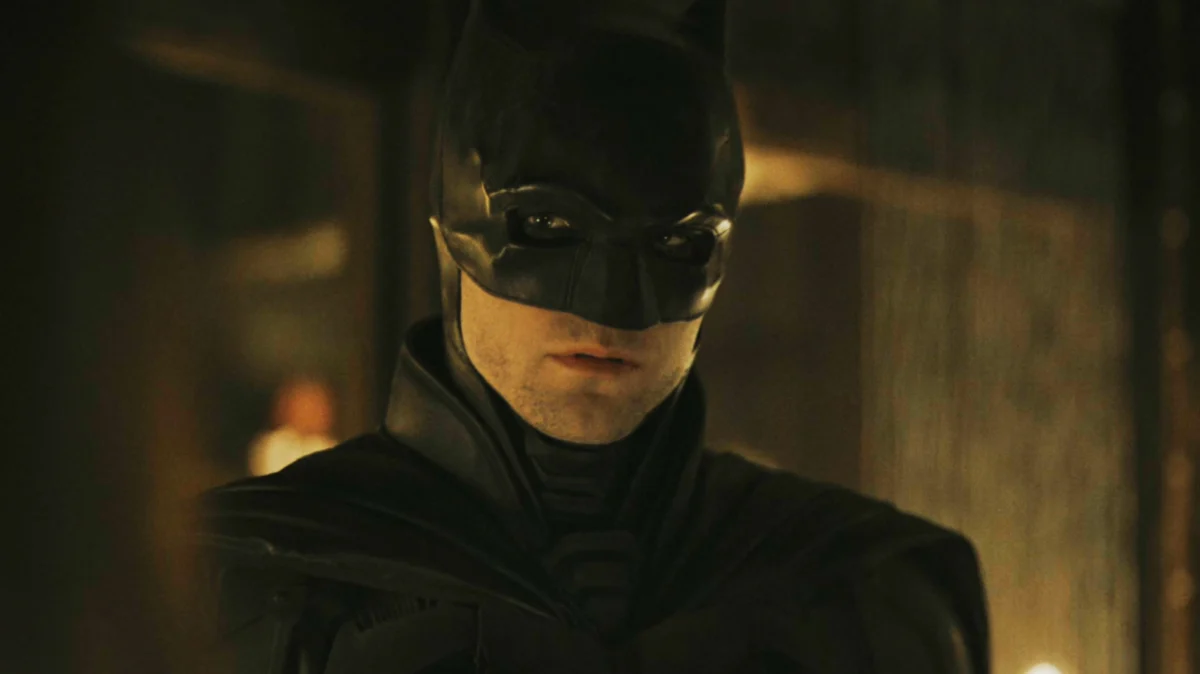
After years of speculation and tightly guarded production secrets, the fog—or rather, the snow—has finally begun to clear over Gotham City. Director Matt Reeves has officially pulled back the curtain on The Batman Part II, providing the first tangible evidence that the highly anticipated sequel will embrace a chilling, sub-zero atmosphere. With a brief but revealing update shared on social media, the production has confirmed a transition into the depths of winter, signaling a stylistic evolution for Robert Pattinson’s brooding caped crusader.
The Cold Front: Decoding the First Official Look
The confirmation arrived via a pair of stark, atmospheric photographs posted by director Matt Reeves to X (formerly Twitter). Captioned simply with the hashtag "#SnowTires," the images depict the iconic Batmobile navigating a slush-covered, debris-strewn street.
The photos, which appear to be lifted directly from early camera tests, offer a glimpse into the visual language of the sequel. In one frame, the Batmobile’s rugged tires churn through a thick layer of snow, with a police cruiser visible in the pursuit, suggesting that the tenuous relationship between the Dark Knight and the GCPD remains as volatile as ever. The second image provides a broader look at the vehicle, encased in a flurry of falling snow, capturing the noir-inspired, visceral aesthetic that defined the 2022 original.
For fans who have spent years analyzing every frame of the first film, this reveal confirms a long-standing theory: The Batman Part II will be a winter-set crime saga. This shift in setting is more than just an aesthetic choice; it serves as a narrative bridge from the events of the HBO spin-off series, The Penguin.
Chronology: From the Ashes of the First Film
To understand the significance of this wintry shift, one must look at the timeline established by the franchise’s expanding universe. In the first The Batman, the story concluded with the city reeling from the Riddler’s flooding of the downtown area. The aftermath of that catastrophe provided the springboard for the Penguin television series.
According to statements previously made by Reeves, the Penguin series was designed to act as a bridge, tracking the power vacuum in the Gotham underworld during the weeks following the film’s climax. "The story plays out over the next weeks that take you toward the end of the year," Reeves noted during a conversation with Collider.
While the series intentionally avoided a "Christmas special" feel, it moved steadily toward the calendar’s end. By confirming a snowy setting for The Batman Part II, the production effectively places the sequel in the immediate, freezing aftermath of those events. This continuity establishes a sense of world-building rarely seen in modern superhero cinema, where the environment itself reflects the decaying, cold reality of a city that cannot seem to catch a break.
The Legacy of the Chill: A Cinematic Tradition
The decision to set a Batman film in winter is not without historical precedent, though it carries significant weight within the DC canon. The most famous comparison is Tim Burton’s 1992 classic, Batman Returns. Burton’s vision of Gotham was a surreal, expressionistic winter wonderland—a snow-dusted, gothic cityscape that perfectly complemented the tragic and grotesque nature of his villains, including Danny DeVito’s Penguin and Michelle Pfeiffer’s Catwoman.
By leaning into a similar wintry motif, Matt Reeves is tapping into a lineage of "noir-meets-nature" storytelling. While Christopher Nolan’s The Dark Knight Rises featured a wintry climax, The Batman Part II appears to be leaning into the season as a central, pervasive character. The biting cold serves as a metaphor for the isolation of Bruce Wayne and the harsh reality of a city struggling to recover from the Riddler’s terror.
Supporting Data: An Expanding Cast and Crew
Beyond the environmental shift, the production has been steadily building a powerhouse cast and crew. The sequel will see the return of core players, including Jeffrey Wright as the steadfast James Gordon and Andy Serkis as the loyal Alfred Pennyworth.
However, the addition of new blood has generated significant industry buzz. Sebastian Stan has been tapped to portray Gotham District Attorney Harvey Dent, a character whose tragic arc is one of the most compelling in comic book history. His inclusion, alongside Scarlett Johansson as Gilda Dent, suggests that the sequel will delve deep into the legal and political collapse of Gotham—a perfect counterpoint to the physical chaos occurring on the streets.
The production has also bolstered its creative ranks by recruiting Luke Hull as a production designer. Hull, who earned critical acclaim for his work on the Andor series, is expected to bring a level of gritty, lived-in realism to Gotham’s architecture that matches the grounded tone Reeves established in the first film. With veteran actor Charles Dance also joining the ranks, the cast represents a mix of prestige acting talent and genre-defining performers.
Official Responses and Production Security
The path to this reveal has been paved with an almost obsessive level of secrecy. The security measures surrounding The Batman Part II have become legendary in Hollywood. Robert Pattinson himself revealed in recent interviews that the script was so heavily guarded that he was required to read it via a secure, locked digital pouch—a stark departure from the standard distribution methods of previous eras.
This level of secrecy is not merely for marketing hype; it reflects the high stakes of a franchise that has become the crown jewel of Warner Bros.’ DC efforts. Despite the intense secrecy, the interaction between the production team and the audience has remained surprisingly tactile. By sharing these "camera test" images, Reeves is signaling a desire to keep the audience tethered to the production’s progress, even as the plot details remain under lock and key.
Implications: Why a Wintry Gotham Matters
The implications of this setting are far-reaching. A winter Gotham changes the stakes for Batman. Not only does he have to contend with organized crime and the psychological toll of his crusade, but he must now operate in extreme weather conditions that hamper mobility, visibility, and stealth.
Furthermore, the "winter" setting often serves as a thematic marker for endings and beginnings. It suggests a time of reflection, as the year closes and a new one looms. For Bruce Wayne, who is still finding his footing as a symbol of hope rather than just vengeance, the cold environment forces a confrontation with his own limitations.
The inclusion of the Penguin—who has been a central figure in the recent television spin-off—alongside the introduction of Harvey Dent, points toward a film that will explore the disintegration of Gotham’s institutions. If the first film was about the corruption of the individual, the second appears to be about the corruption of the entire system, played out against a backdrop of frozen, uncaring streets.
Looking Toward October 2027
As the production moves forward, the primary question shifts from "what will happen" to "how will it be realized." The combination of Reeves’ grounded, noir-heavy direction and a winter-drenched Gotham offers a promising trajectory for the sequel.
For the dedicated fanbase, the #SnowTires reveal is more than just a social media post; it is a confirmation that the world of The Batman is growing. It is a promise that despite the four-year gap since the first film, the vision remains singular, cold, and uncompromising.
As we look toward the release date of October 1, 2027, the icy aesthetic suggests that The Batman Part II will be a film of sharp contrasts: the heat of a burning Batmobile against the biting cold of a Gotham winter. It is an ambitious pivot, one that acknowledges the legacy of the past while pushing the franchise into a new, darker, and more isolated reality. For Gotham’s Dark Knight, the long, cold night is only just beginning.











No comments yet. Be the first to join the conversation!