Laily UPN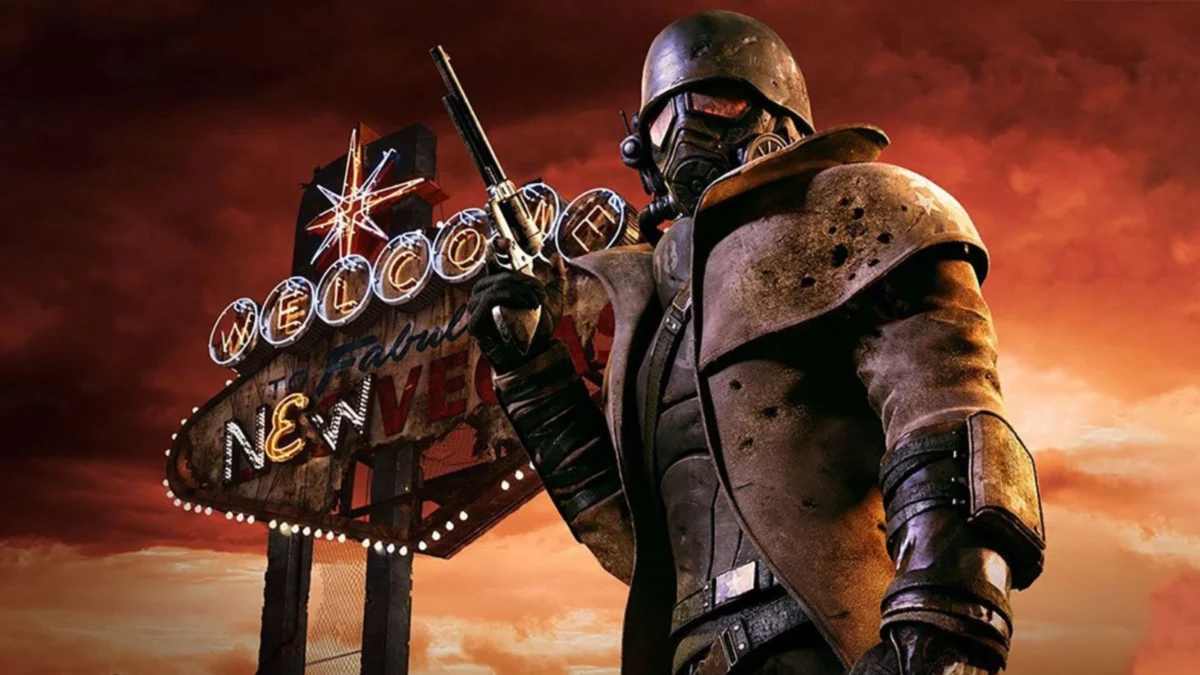
In a seismic shift that has sent shockwaves through the gaming industry, Microsoft’s Xbox division has announced a comprehensive "reset" of its business operations. The strategy, unveiled by Xbox CEO Asha Sharma, involves a brutal round of corporate downsizing—totaling 3,200 job cuts—and the divestment of five studios. Among the casualties of this redirection is Obsidian Entertainment, a cornerstone of the Xbox portfolio, which has been forced to cancel several in-development projects, including a highly anticipated sequel to the 2025 RPG Avowed, to realign its resources toward the Fallout franchise.
The Strategic Reset: A Landscape of Austerity
The restructuring, which spans the next fiscal year, represents one of the most significant contractions in the history of the Xbox brand. CEO Asha Sharma has framed the layoffs and studio divestments as a necessary evil to streamline the company’s operations. By shedding underperforming or peripheral assets, Microsoft aims to consolidate its capital into its most robust, culturally resonant intellectual properties.
This "reset" is not merely about cost-cutting; it is a fundamental shift in philosophy. Under the new mandate, Xbox is moving away from a broad-portfolio approach, where multiple mid-sized experimental projects are greenlit simultaneously, toward a "tentpole" strategy. In this new era, resources are being aggressively funneled into established giants like Fallout, The Elder Scrolls, and Halo. For Obsidian Entertainment, this has meant the immediate termination of several promising internal initiatives that did not align with the company’s new, narrower roadmap.
Chronology of a Corporate Pivot
The events leading to the current crisis at Obsidian began with a mandate from the upper echelons of Microsoft Gaming.
- Early 2025: Obsidian releases Avowed to the market. Internally, the studio begins pre-production on a sequel, leveraging the established game engine, assets, and world-building of the first title. The project is reportedly progressing well, with internal milestones suggesting a potential announcement window within the next 12 months.
- Mid-2026: Xbox CEO Asha Sharma announces the "reset" strategy. Reports surface that 3,200 positions across the company are to be eliminated.
- July 2026: Official restructuring begins. Obsidian Entertainment confirms a reduction of approximately 25% of its workforce.
- The Pivot: Management confirms that the Avowed sequel, alongside several other unannounced projects, has been canceled. The studio’s design director, Josh Sawyer, is tasked with pivoting his team to begin development on a new Fallout project in collaboration with Bethesda Game Studios.
Obsidian’s New Direction: The Return of the New Vegas Architect
Perhaps the most notable detail to emerge from this restructuring is the appointment of Josh Sawyer to lead the new Fallout initiative. Sawyer is a legendary figure in the RPG community, having served as the project director for 2010’s Fallout: New Vegas. That title is frequently cited by fans as the narrative high-water mark for the modern 3D Fallout era.
Before the restructuring, Sawyer had been directing an original, unannounced role-playing game. Insiders suggest that while this project shared structural and thematic DNA with the Fallout universe, it was an entirely new IP. The cancellation of that project—and the Avowed sequel—is viewed by many as a loss of creative diversity within the studio. However, the prospect of a reunion between the New Vegas creative team and the current Fallout stewards at Bethesda has generated significant, if bittersweet, excitement among the fanbase.
The collaboration will see Obsidian and Bethesda working in tandem, a strategic move by Microsoft to maximize the efficiency of its intellectual property. By pairing the narrative-heavy expertise of Obsidian with the scale and engine infrastructure of Bethesda, Microsoft hopes to satisfy the massive, pent-up demand for a mainline Fallout experience, which has remained largely stagnant since the launch of the online-focused Fallout 76 in 2018.

The Cost of Realignment: Layoffs and Lost Potential
The human impact of this pivot cannot be overstated. A 25% reduction in workforce at a studio as storied as Obsidian implies a loss of institutional knowledge that will take years to recover. While the company has stated that some developers previously assigned to the Avowed sequel may be transitioned to the Fallout project, the reality for many is job loss during a period of contraction for the wider industry.
The cancellation of the Avowed sequel is particularly stinging for those who viewed the series as a potential pillar of the Xbox fantasy lineup. The project was intended to refine and expand upon the mechanics of the first game, representing a "safe" bet for a studio that often thrives on deep, complex systems. Its termination is a stark indicator of how far the "reset" reaches; no project, even those with clear commercial potential and momentum, is safe if it does not fit the specific, high-priority objectives of the Xbox hierarchy.
Supporting Data: The Broader Xbox Ecosystem
While Obsidian focuses on Fallout, the studio is not abandoning its current portfolio entirely. It will continue to provide post-launch support for the upcoming The Outer Worlds 2 and maintain its work on the multiplayer survival hit Grounded 2. These commitments serve as a balancing act, keeping the studio’s legacy titles alive while forcing the core development teams to pivot to the new, mandated priorities.
The broader Xbox context—the sale of four studios and the massive 3,200-person layoff—highlights the precarious nature of modern "AAA" development. As budgets for games balloon into the hundreds of millions, the margin for error shrinks. Microsoft’s decision to cut nearly 10% of its total gaming workforce signals a belief that the previous growth strategy was unsustainable. By concentrating on "must-win" franchises like Fallout, Microsoft is attempting to guarantee revenue stability, even at the cost of creative breadth.
Implications: A New Era for RPG Fans
What does this mean for the player? In the short term, the loss of Avowed 2 is a disappointment for those who wanted to see that world expanded. However, the prospect of a new Fallout title directed by Josh Sawyer is, for many, the "holy grail" of RPG development.
The industry implications are more sobering. We are witnessing the end of an era where "Xbox" meant a diverse collection of studios pursuing a wide array of experimental ideas. We are entering an era of consolidation, where the largest franchises receive the lion’s share of funding, while mid-tier projects—the very games that often foster innovation—are increasingly viewed as liabilities.
For Obsidian Entertainment, the challenge will be maintaining its identity as a premier RPG studio while operating under the intense pressure of a major franchise expectation. They have been asked to pivot, to shrink, and to perform, all while carrying the weight of a franchise that has been dormant for years. Whether this "reset" leads to a new golden age of Fallout or simply marks a further narrowing of the creative horizons in the gaming industry remains to be seen. One thing is certain: the landscape of Microsoft Gaming has been fundamentally altered, and the ripple effects of this restructuring will be felt for years to come.

 Muslim
 Basiran