Suro Senen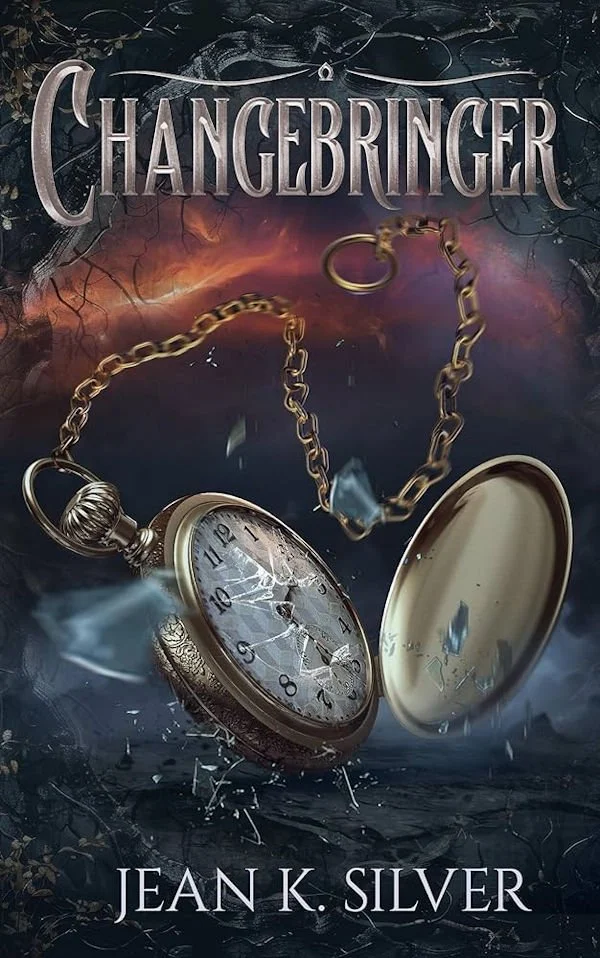
June has arrived, bringing with it the relentless momentum of the 11th Annual Self-Published Fantasy Blog-Off (SPFBO). As the competition deepens, the vetting process enters its most critical phase. Today, our team at Fantasy Faction announces the elimination of three additional titles from our current roster. With these departures, we move one step closer to finalizing our semi-finalist pool, narrowing our focus as we prepare for the intense scrutiny of the final four.
The SPFBO remains a unique, high-stakes arena for independent authors. As we navigate this journey, we reiterate that our assessments are inherently subjective. The beauty of the independent literary landscape lies in its diversity; a book that does not align with our specific panel’s preferences may very well be the hidden gem a reader has been searching for. We extend our deepest gratitude to every author who submitted their work. We recognize the profound vulnerability required to subject one’s creative labor to public critique, and we honor the courage it takes to participate in this contest.
The Selection Methodology
To maintain transparency throughout the SPFBO 11, we emphasize that our reading order is randomized and intentionally avoids a "worst-to-best" hierarchy. We treat every submission with equal consideration. As we move through the rounds, our reviewers provide ongoing assessments of the entries until we reach the semi-finalist stage, at which point each remaining book receives a dedicated, comprehensive review. Readers interested in tracking the broader competition can visit the official SPFBO website, or explore the introductory guide for background on the event’s history and mission.
Sigil of Enderune by Rosaire Bushey: A Study in Potential
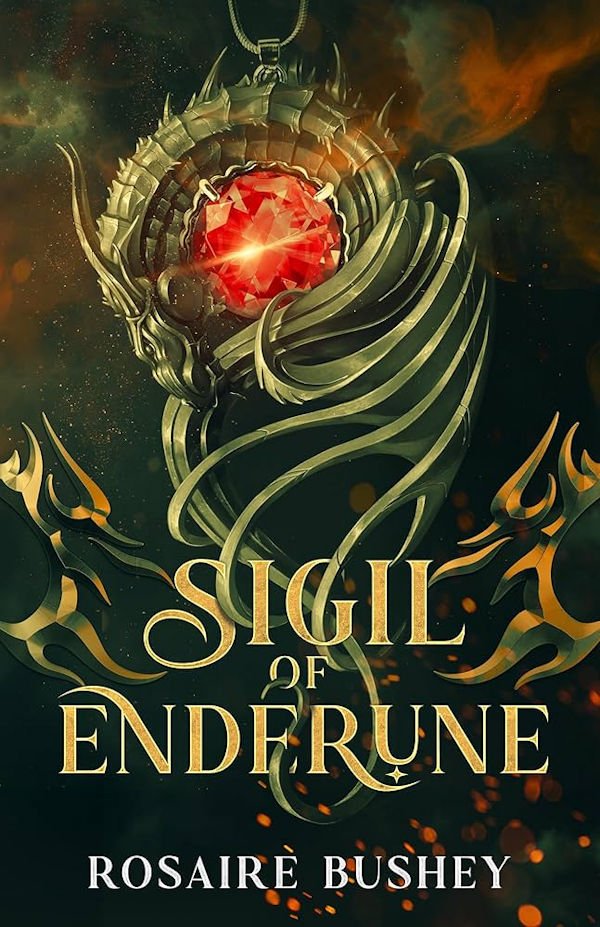
Sigil of Enderune presents a fascinating premise: the world of Revin, where magic is not merely cast, but meticulously transcribed in ink. Within this lore, the elusive Artificer—a legendary figure capable of wielding magic through thought alone—remains a tantalizing mystery, his power tethered to a lost artifact.
Critical Assessment
The panel’s reaction to Sigil of Enderune was starkly polarized. On the side of praise, the worldbuilding and the intricate magic system were lauded as standout achievements. The mechanics of the spell-writing—where color, brush stroke, and directional intent dictate the outcome—offered a level of creativity rarely seen in standard fantasy fare. Furthermore, the inclusion of the "Snapdragons"—small, spirited, and vividly realized creatures—provided a delightful narrative anchor that kept several judges eagerly turning pages. One reviewer was so compelled by the momentum of the political intrigue and the burgeoning rebellion that they completed the novel in a single sitting.

However, significant structural hurdles impeded the experience for other judges. Early chapters suffered from a lack of clarity, making it difficult to discern the primary protagonists or establish the stakes of the conflict. Characterization also proved inconsistent; male leads often felt interchangeable, and the central female character failed to establish a distinct presence. Frequent "head-hopping" (shifting perspectives within a single scene) and the re-introduction of characters without adequate context further muddied the narrative waters.
Editorial Considerations
The most persistent critique concerned the technical execution. The panel noted awkward sentence construction, internal narrative contradictions, and—most glaringly—inconsistencies in character naming, where a codename was spelled in two different ways. Given that this is the author’s ninth novel, the team expected a more refined editorial polish. While the core of Sigil of Enderune is rich with creative potential, the book ultimately required a more rigorous developmental edit prior to publication.
Changebringer by Jean K. Silver: Navigating the Romantasy Landscape
Changebringer offers a high-concept narrative involving Aurelia, a devout priestess serving the Lord of Time. Tasked with sealing temporal rifts and purging rogue mages, her solitary existence is challenged by Vlad, an immortal vampire who claims their destinies are inextricably linked across the ages.
The Romantasy Divide
The reception of Changebringer served as a litmus test for our judges’ affinity for the "romantasy" genre. For those predisposed to the sub-genre, the premise—a centuries-spanning romance fraught with doomed stakes and time-traveling intrigue—offered significant appeal. Conversely, some judges struggled with immersion from the outset, particularly due to the use of anachronistic dialogue. A character tethered to the 17th century employing modern colloquialisms proved to be a barrier that some reviewers could not overcome.
Pacing and Structure
A recurring critique among the panel was the "rinse and repeat" nature of the narrative arc. Aurelia frequently found herself in peril, only to be rescued by either her lover or a convenient stroke of luck. While individual action sequences were engaging, the lack of escalation dampened the overall tension. Furthermore, the time-travel element, while ambitious, felt structurally under-utilized. Despite the span of centuries, the settings remained largely confined to a generic medieval aesthetic, failing to capture the weight or the distinct cultural shifts of the passing eras.
A Judge’s Perspective: Julia
Julia, who generally approaches romance-heavy narratives with caution, offered a nuanced take. She appreciated that the novel avoided common tropes like toxic miscommunication or forced "love-hate" cycles. "The characters are adults who actually talk to each other," she noted. She praised the main character’s moral complexity, particularly the way Aurelia’s values shifted when faced with the protection of those she loved. Despite these strengths, Julia agreed that the constant, rapid-fire jumping between time periods prevented the reader from truly grounding themselves in the world, leaving the stakes feeling repetitive rather than urgent.
Keeper of the Gate by Margaret Feuerman: The Noblebright Vision
Keeper of the Gate occupies the traditional space of "noblebright" fantasy: a multi-generational struggle against an encroaching darkness, populated by characters who strive toward virtuous action.
The Case for Noblebright
EG, our panel’s primary enthusiast for this title, lauded the book’s clear narrative intent. "Watching Bess grow from a child to a queen was fascinating and extremely well-executed," EG noted. The book succeeds in creating a world where the culture is a direct, logical byproduct of the generations-long war against a dark god. While some found the pacing leisurely, EG argued that the "downtime" provided necessary breathing room to appreciate the world-building and character development.
Counter-Perspectives
Other judges found the simplicity of the noblebright framework to be a double-edged sword. Some felt the characters lacked the psychological depth required to sustain their interest, while others found the writing style to be scattered. A common critique was that while the portal system and the "ghost grandmother" element were imaginative, the execution kept the reader at arm’s length. Ultimately, Keeper of the Gate is a title that will deeply reward readers who prefer classic, straightforward heroic fantasy, though those seeking heavy moral ambiguity may find the experience less resonant.
Implications for SPFBO 11
As we conclude this phase, we are left with 12 titles remaining in the current cycle. The departure of these three books is not a reflection of their lack of value, but rather a necessity of the competitive structure. Each of these authors has contributed a unique voice to the fantasy canon, and we encourage our readers to explore these works independently.
The SPFBO 11 continues to serve as a vital platform for spotlighting the sheer volume of talent in the self-publishing sphere. By documenting our successes and our struggles with these texts, we hope to provide a roadmap for readers to find their own perfect match.
Looking Ahead
Our judging panel remains committed to the remaining 12 titles. The full list of the 300 entries is available on Mark Lawrence’s website for those who wish to follow the broader contest trajectory. We would like to remind our audience that our judges—Adawia Asad, Eva Geraghty, Evelyn Grimald, Julia Kitvaria Sarene, Karen Lucia, Kerry Smith, Kit Caelsto, Maureen Neuman, Robert Max Freeman, Sara Rosevear, Sherry Cammer, Stacey Markle, Tianna Twyman, and Yaniv Rosenfeld Cohen—all bring distinct tastes to the table. We encourage you to review our judge bios to better understand the individual perspectives behind these scores.
For any inquiries regarding the competition or the editorial process, please contact our editor, Jennie Ivins, via Bluesky or Threads. We look forward to our next round of updates as the field continues to narrow. Happy reading, and may you find your next great adventure within these pages.
Featured image provided by Rhamely.

 Nana Muazin
 Raul Delapena Setiawan