Siti Muinah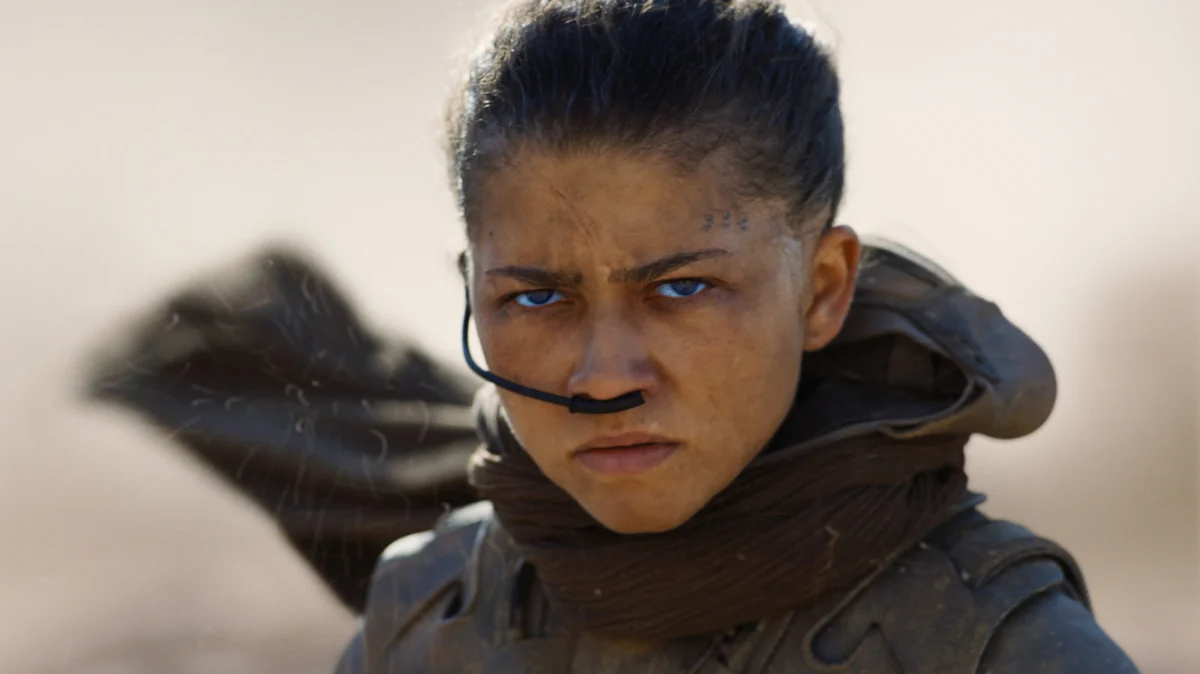
For decades, the cultural landscape of science fiction and fantasy has been dominated by the heroic archetypes established by Star Wars and the high-fantasy stakes of The Lord of the Rings. These narratives, while groundbreaking, often relied on clear-cut moral binaries—good versus evil, light versus dark. However, the horizon is shifting. With the release of the latest trailer for Dune: Part Three, director Denis Villeneuve is signaling the culmination of a journey that rejects traditional heroism in favor of a cold, calculated, and deeply tragic deconstruction of the "Chosen One" trope.
Based on Frank Herbert’s Dune Messiah, the third installment of this cinematic behemoth promises to be the most harrowing chapter yet. As Warner Bros. cranks up the marketing machine, fans are getting their first substantial look at the inevitable downfall of Paul Atreides, a man who has ascended to the throne of the Known Universe only to find that his power is a prison of his own making.
Main Facts: The End of the Atreides Legacy
The narrative arc of Dune: Part Three picks up in the shadow of the events that concluded Dune: Part Two. Paul Atreides (Timothée Chalamet) has successfully navigated the treacherous politics of Arrakis, outmaneuvered the Harkonnens, and seized the mantle of Padishah Emperor. Yet, the victory is pyrrhic.
The core conflict of the film is no longer about survival, but about the suffocating nature of prophecy. Paul is trapped by his own prescience—he sees the paths of a holy war raging across the cosmos, a "jihad" in his name that he is powerless to stop. The upcoming film, slated for a theatrical release on December 18, 2026, serves as the definitive end to Villeneuve’s trilogy, aiming to close the loop on a project that many critics once deemed "unadaptable."
A Chronological Descent: From Hero to Tyrant
To understand the gravity of Dune: Part Three, one must look at the progression of the character arcs over the previous two films.
- Dune: Part One (2021): The stage was set with the fall of House Atreides. We witnessed Paul as a reluctant heir, learning the ways of the desert and the Fremen. The narrative focused on the burden of heritage and the discovery of his latent, terrifying potential.
- Dune: Part Two (2024): This chapter charted Paul’s descent into the radicalization of the Fremen. It was a story of vengeance, where the "hero" began to prioritize political maneuvering over personal morality, eventually leading to the betrayal of his own conscience and his relationship with Chani.
- Dune: Part Three (2026): This final act moves beyond the rebellion. It is a story of governance and the alienation that accompanies absolute power. The trailer footage suggests a narrative shift: the hero has become the establishment, and the establishment is decaying from within.
Supporting Data: The Weight of Expectations
Villeneuve’s Dune is not merely a box office success; it is a technical and cultural milestone. The first two films combined grossed over $1.1 billion globally, proving that high-concept, slow-burn science fiction can thrive in the modern blockbuster era.
The production of Part Three is expected to be the most expensive in the trilogy, utilizing cutting-edge cinematography and practical effects to depict the sprawling, alien landscapes of the Imperium. Furthermore, the casting roster reads like a "who’s who" of contemporary acting royalty. Beyond the central conflict between Chalamet and Zendaya, the film features returning powerhouses including:
- Rebecca Ferguson as the increasingly enigmatic Lady Jessica.
- Florence Pugh as Empress Irulan, a character whose political intelligence will likely prove to be a thorn in Paul’s side.
- Javier Bardem as Stilgar, whose unwavering religious fanaticism provides a stark contrast to Paul’s internal cynicism.
- Anya Taylor-Joy and Jason Momoa, whose roles in the broader mythos continue to complicate the political landscape.
The Friction in Paradise: Paul vs. Chani
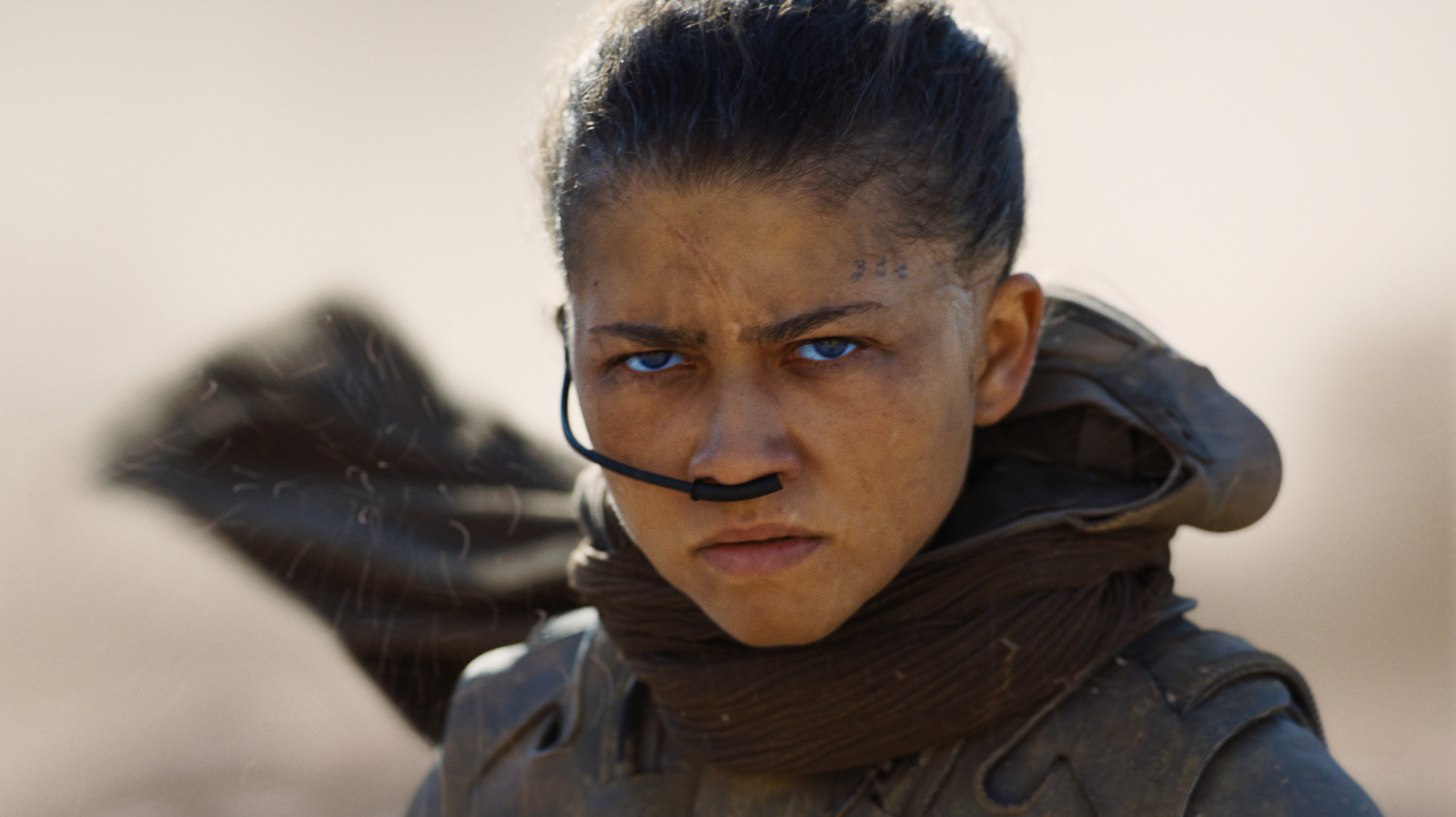
Perhaps the most compelling element teased in the new footage is the fracture between Paul and Chani. In the source material, Chani represents the moral compass that Paul abandons. The trailer makes it clear that their romance—the emotional anchor of the previous films—has withered under the heat of Paul’s ambition.
While audiences are accustomed to the romantic resolutions found in typical trilogies, Dune: Part Three appears to be leaning into the tragedy of their separation. Zendaya’s performance, characterized by a mix of heartbreak and cold resentment, highlights the theme that the Lisan al-Gaib has become a man that the woman he loves no longer recognizes. This isn’t just a political split; it is a total disintegration of the human connection that once grounded Paul.
Official Responses and Creative Vision
Denis Villeneuve has been vocal about his vision for the conclusion. In recent interviews, he has emphasized that Dune Messiah was Frank Herbert’s intended "correction" to the first book. Herbert never wanted Paul Atreides to be viewed as a hero; he wanted him to be a warning.
"The goal is to show the danger of the hero," Villeneuve noted in a press junket. "When you follow a messiah, you are inviting your own destruction. The third film is about the consequences of that choice." Warner Bros. executives have echoed this sentiment, noting that they are allowing Villeneuve total creative control to ensure the film remains faithful to the darker, more introspective tone of the latter half of the series.
Implications: A New Era for Sci-Fi
The implications of Dune: Part Three extend far beyond the box office. If Villeneuve succeeds in landing this plane, he will have accomplished what few directors have: the completion of a high-budget, philosophical epic that refuses to cater to the traditional tropes of the genre.
1. The Death of the "Hero’s Journey"
By subverting the traditional Joseph Campbell "Hero’s Journey," Dune forces audiences to confront the reality that leaders—even those with "noble" intentions—can lead to catastrophic outcomes. This maturity in storytelling could open the door for more nuanced, morally ambiguous sci-fi projects in the future.
2. A Blueprint for Adaptation
The industry is watching closely. For years, Dune was considered "cursed" due to the failed attempts of Alejandro Jodorowsky and the mixed reception of David Lynch’s 1984 version. Villeneuve has created a blueprint for how to handle dense, literary source material: prioritize theme over spectacle, even while delivering both.
3. The "Prestige" Blockbuster
Finally, this trilogy proves that audiences are hungry for "prestige" blockbusters—films that demand intellectual engagement and offer visual splendor without sacrificing narrative complexity. As we move toward December 2026, the cultural weight of this release cannot be overstated. It is a test of whether a mass audience will embrace a story that ends not in a triumphant battle, but in a quiet, haunting admission of failure.
Conclusion: The Worm Signs are Strong
As the marketing campaign for Dune: Part Three accelerates, the excitement is palpable. We are witnessing the final movements of a grand, tragic chess game. Whether Paul Atreides finds redemption or descends fully into the role of a galactic tyrant, one thing is certain: the universe of Dune will never be the same.
The trailer offers us a glimpse of a man who has conquered the universe only to find that he has lost himself in the process. As the spice flows and the drums of war beat, we are reminded that in the world of Arrakis, the only thing more dangerous than a tyrant is the prophecy that created him. December 2026 cannot come soon enough.


 Laily UPN
 Nana
Nana