In the evolving landscape of contemporary art, few practitioners have successfully bridged the gap between the frantic, layered aesthetics of the 1990s digital dawn and the storied traditions of historical abstraction as effectively as Shane Walsh. An artist, educator, and visionary, Walsh occupies a unique space in the American art scene, maintaining a dual-coast existence that informs his rhythmic, visually dense canvases. His work, which serves as both a historical record and a forward-looking experiment, challenges the viewer to reconsider the boundaries between graphic design, subculture, and fine art.
The Architect of Visual Dissection: Who is Shane Walsh?
Shane Walsh’s trajectory is one defined by academic rigor paired with an insatiable curiosity for the vernacular of the streets and the screen. Having earned his Master of Fine Arts from the University of Washington-Seattle, Walsh moved beyond the confines of traditional studio practice to establish a pedagogical and creative career that spans the Midwest and the East Coast.
Currently serving as a faculty member at the University of Wisconsin-Milwaukee, where he instructs students in the foundational tenets of painting and drawing, Walsh balances his academic commitments with a prolific studio practice. He splits his creative output between Milwaukee and New York City, the latter being where his work is represented by the prestigious Asya Geisberg Gallery. This bicoastal rhythm is not merely a logistical convenience; it is central to his work, which draws heavily from the chaotic, high-speed visual input of major urban centers.
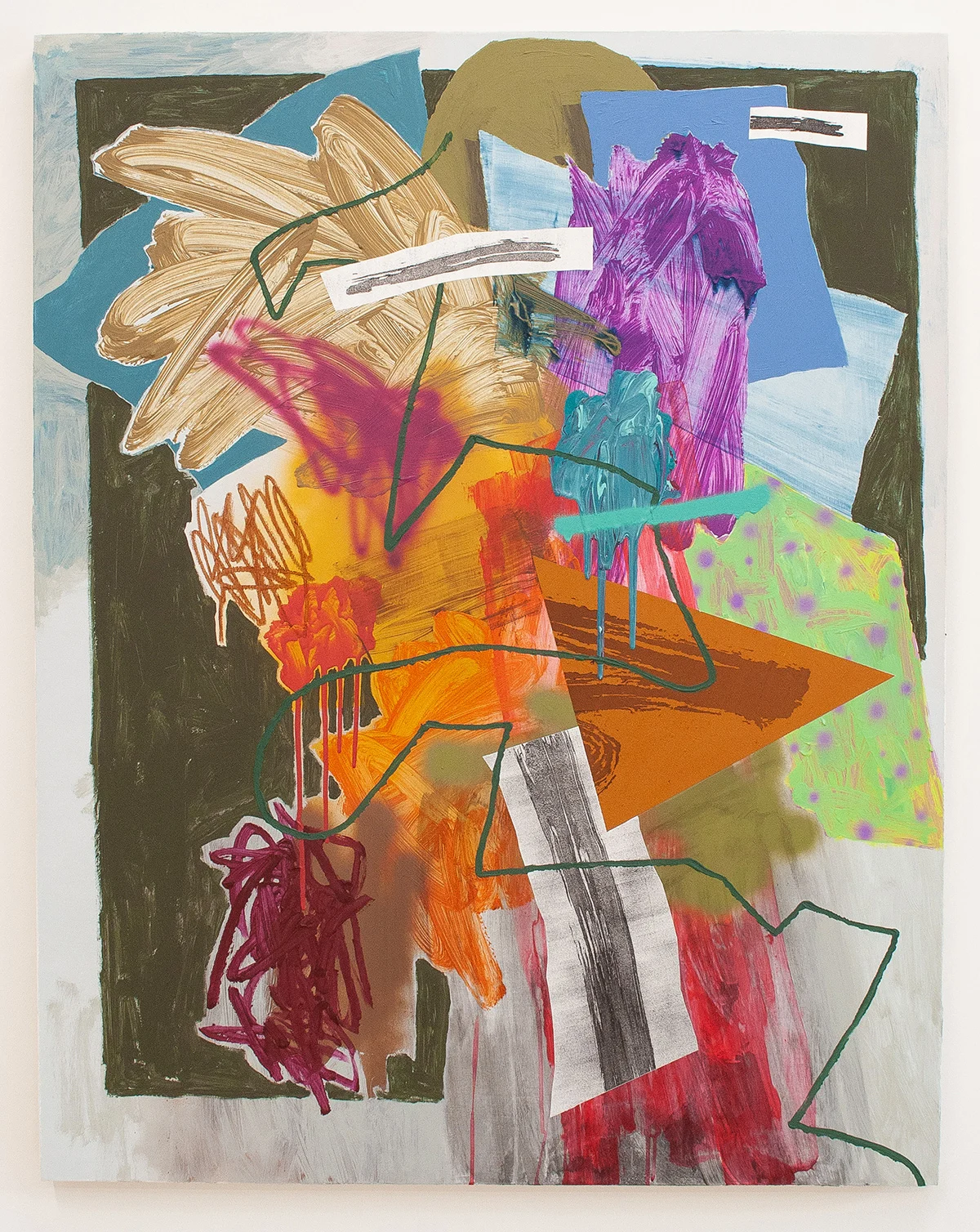
Walsh approaches the canvas not as a blank slate, but as a site for surgical intervention. He views painting as a form of collage, a process of "cutting and pasting" that mirrors the way we consume information in the digital age. By dissecting disparate visual codes—ranging from geometric abstraction to the gritty edges of early graffiti—and reconstructing them into cohesive, vibrant compositions, Walsh creates a visual language that is as much about the process of thinking as it is about the final image.
A Chronology of Influence: The 1990s and Beyond
To understand the complexity of Walsh’s output, one must look back to the formative decade of the 1990s. This period, characterized by the transition from analog to digital, served as the primary incubator for his artistic philosophy.
The Subcultural Foundation
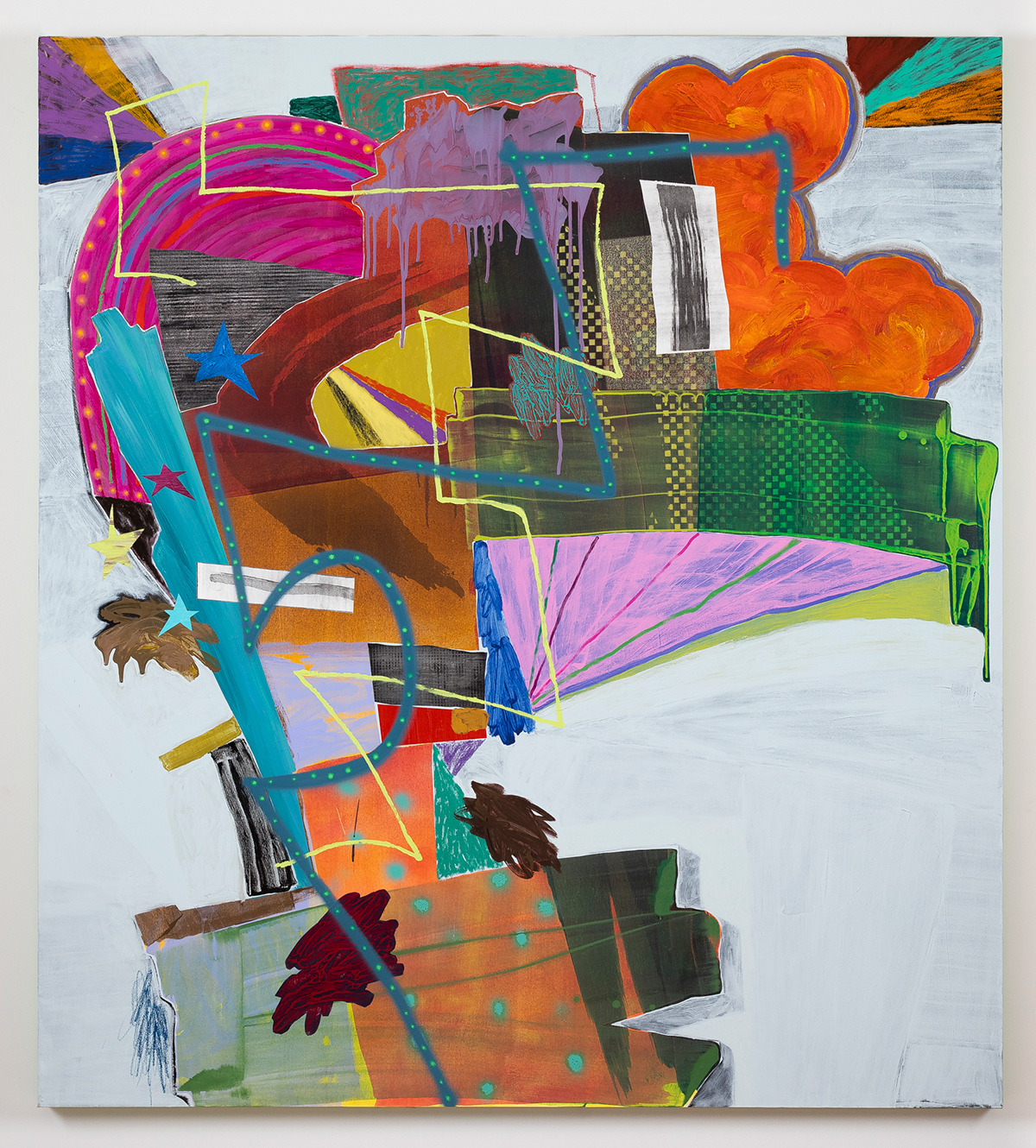
Walsh’s work is deeply rooted in the "cut and paste" ethos that defined the subcultures of the 90s. Long before the internet facilitated the instant remixing of media, Walsh was influenced by the tactile, low-fi aesthetics of xeroxed zines. These amateur, hand-assembled publications created a democratized visual language that favored grit, spontaneity, and the layering of meaning.
The Evolution of Motion and Geometry
As the 90s bled into the early 2000s, Walsh integrated the crisp, kinetic energy of early television motion graphics and the structured spontaneity of disco design elements. These influences are not merely cited; they are synthesized. When looking at a Walsh canvas, one might find the rigid geometry of a Mondrian-esque grid disrupted by the chaotic, exuberant line-work reminiscent of early graffiti tags. This is the artist’s "toolbox"—a collection of historical and contemporary visual markers that he choreographs on the surface with deliberate intensity.
Supporting Data: The Mechanics of the Canvas
Walsh’s process is characterized by what he terms "charged interactions." He does not allow a single technique to dominate; rather, he employs a variety of paint-handling strategies that force the viewer’s eye to oscillate between different modes of perception.
The "Cut and Paste" Methodology
In contemporary discourse, the concept of "collage" is often associated with the physical act of adhering paper to a surface. For Walsh, however, collage is a mental framework. He treats his brushstrokes as physical segments of data. By overlapping, layering, and intersecting these segments, he mimics the way a web browser stacks windows or how a designer layers a digital file. This creates a "reinvented" version of abstraction—one that feels tethered to the physical world of paint while echoing the logic of the digital interface.
Materials and Technique
Walsh’s technical prowess lies in his ability to maintain harmony amidst visual tension. He utilizes a palette that often references the neon-soaked energy of the late 20th century while grounding it in the traditional materiality of oil and acrylic on canvas. His brushwork ranges from the meticulously precise to the gestural and frantic, ensuring that the viewer is constantly reminded of the artist’s hand, even when the composition leans toward the graphic.

Official Responses and Artistic Intent
The artist’s own words offer the most compelling insight into the "why" behind his work. In a statement regarding his recent creative direction, Walsh notes:
"This cut and paste ethos is a direct result of my involvement in the subcultures of the 1990s. Other influences like xeroxed zines, television motion graphics, and design elements from disco and early graffiti, combine with painterly and geometric Abstraction. With all these elements in my toolbox, I then redirect and choreograph this ensemble on the painting surface, employing a variety of paint handling techniques and charged interactions… by reshaping existing visual codes, I hope to create a customized, reinvented, individualized version of abstraction that is specific to my life experiences and relevant to this time and place."
This statement serves as a manifesto for the modern abstract painter. By acknowledging that his work is a "customized, reinvented" version of the past, Walsh is participating in a larger dialogue about the relevance of abstraction in the 21st century. He argues that abstraction is not dead; rather, it has become a necessary tool for navigating a world saturated with hyper-accelerated information.
Implications: The Future of Abstract Representation
The work of Shane Walsh carries significant implications for the future of fine art. As we become increasingly reliant on digital screens and algorithmic feeds, the desire for physical art that understands that digital language is growing.
The Hybridization of Aesthetics
Walsh represents a bridge. His work suggests that we no longer need to choose between the "high art" of historical abstraction and the "low art" of subcultural design. By synthesizing the two, he provides a blueprint for how future artists might reconcile the fractured nature of modern existence.
The Role of the Artist as Curator
In an era where everyone is a curator of their own digital image, Walsh’s work feels prophetic. His canvases act as a curation of his personal history—a mix of the zines he read, the graffiti he saw, and the academic theory he studied. He proves that the most powerful art is that which is deeply personal yet universally readable.
Beyond the Canvas: The Broader Creative Ecosystem
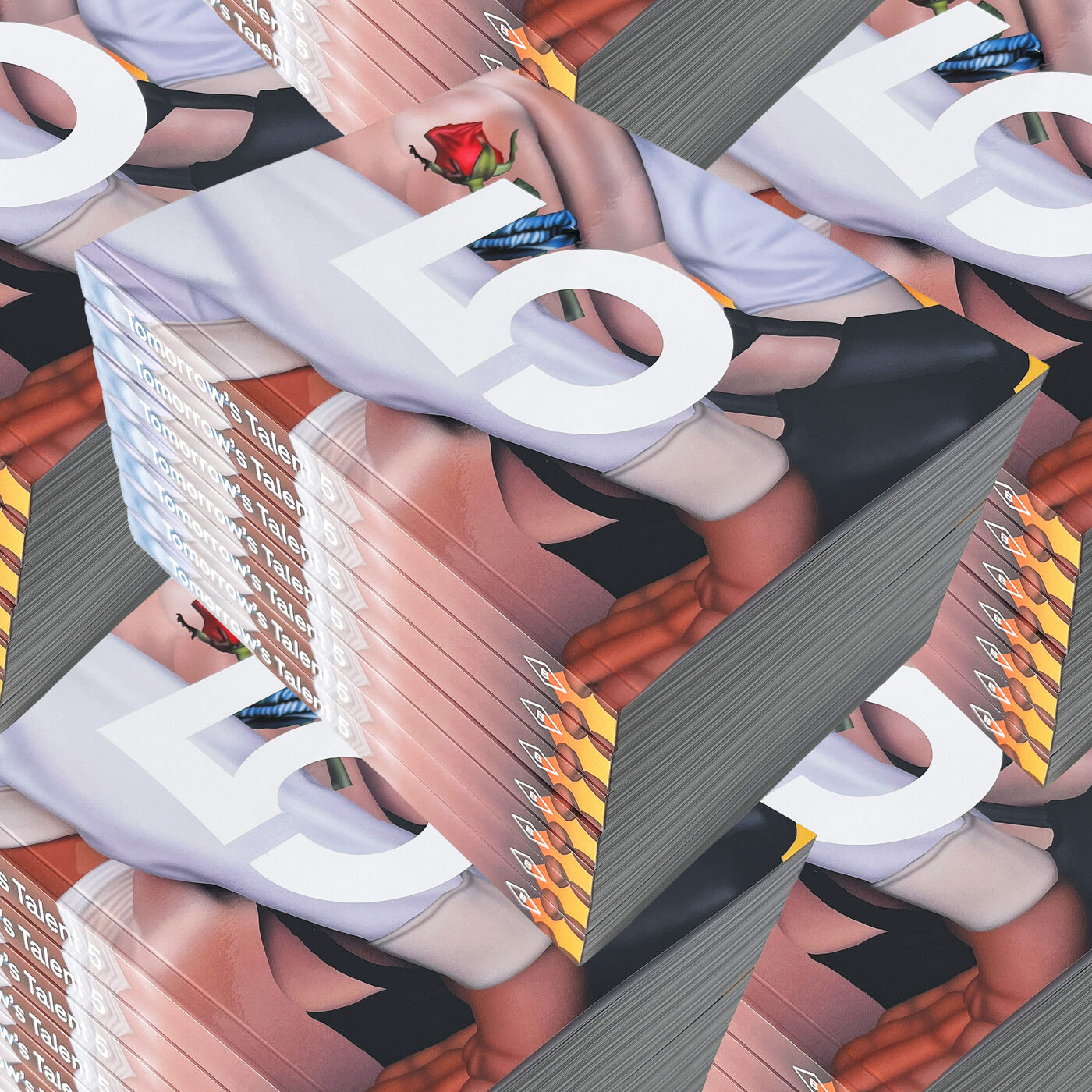
As the art world continues to evolve, platforms like Booooooom have become vital to the dissemination of such ideas. Just as Walsh draws from a wide array of sources, the contemporary audience is increasingly seeking out multi-faceted engagement—whether through studio updates, publications like Tomorrow’s Talent, or exclusive creative communities.
The intersection of individual artistic practice, like that of Shane Walsh, and the broader creative industry, represented by platforms that nurture talent, highlights a fundamental truth: art is a living, breathing, and constantly growing conversation. Walsh’s commitment to his craft, his students, and his ongoing experimentation ensures that he will remain a pivotal figure in the dialogue of abstraction for years to come.
Through his unique lens, Walsh does more than paint; he organizes the chaos of the late 20th century into a visual logic that defines the uncertainty and potential of the 21st. Whether in the quiet of his Milwaukee studio or the relentless pace of his New York gallery space, Shane Walsh continues to push the boundaries of what a painting can be, ensuring that the history of abstraction is not merely preserved, but actively, and playfully, reimagined.