Ali Ikhwan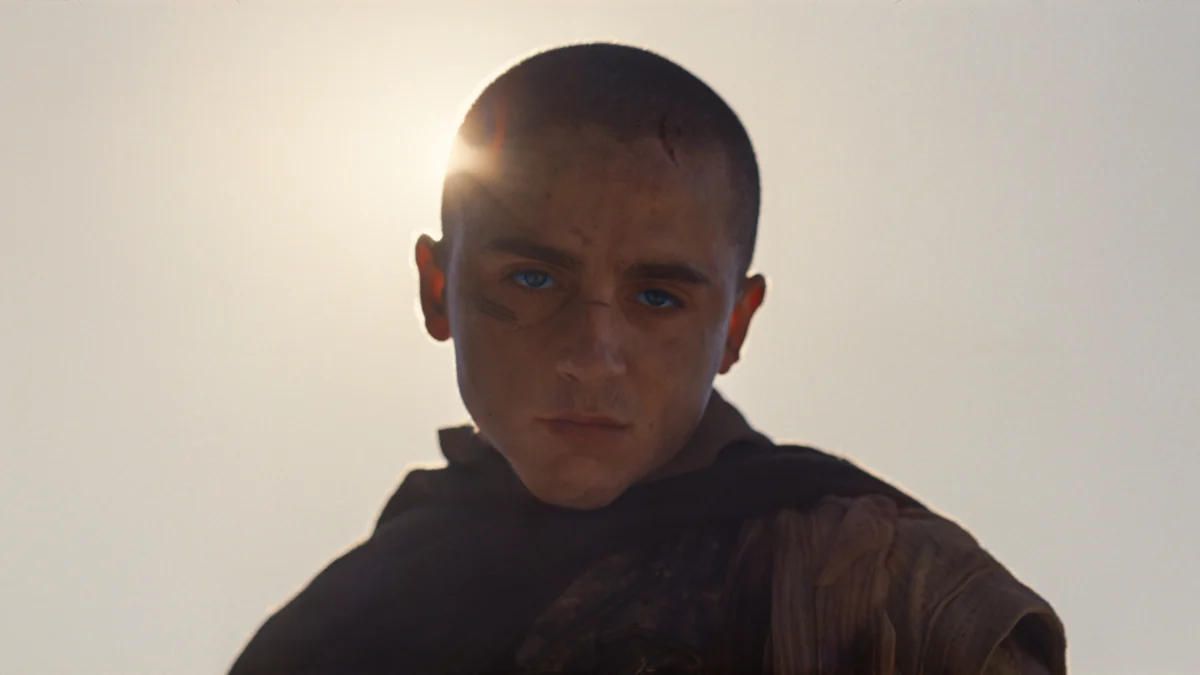
The cinematic landscape of the 21st century has been defined by the Herculean task of adapting the "unadaptable." From J.R.R. Tolkien’s sprawling Middle-earth to the dense, cryptic lore of Frank Herbert’s Dune, directors have long wrestled with the friction between page and screen. However, as production gears up for Dune: Part Three, director Denis Villeneuve stands on the precipice of a rare achievement: concluding a blockbuster trilogy that has maintained a rigorous, often granular, fidelity to its source material. Yet, according to star Timothée Chalamet, this final chapter—based on Dune Messiah—will witness the director finally loosening the reins, marking the most significant departure from Herbert’s text in the entire saga.
The Chronology of an Epic: From 2021 to 2026
The Dune franchise’s trajectory is as impressive for its velocity as it is for its artistic consistency. In an era where franchise installments often languish in development hell for half a decade or more, Villeneuve’s trilogy has operated with a singular, driving focus.
- 2021: Dune: Part One introduced audiences to the harsh, spice-laden sands of Arrakis and the tragic fall of House Atreides. It was a methodical, atmospheric setup that established the political stakes of the Imperium.
- 2024: Dune: Part Two accelerated the narrative, focusing on Paul Atreides’ integration into the Fremen culture, his rise as the "Lisan al-Gaib," and the subsequent holy war that upended the galaxy.
- 2026: The trilogy is scheduled to reach its crescendo on December 18, 2026. This final installment will pivot to the events of Dune Messiah, picking up years after Paul has ascended to the throne as the Padishah Emperor.
By completing this narrative arc within a five-year window, Villeneuve has created a cohesive, singular vision—a feat that stands in stark contrast to the staggered release schedules of other major intellectual properties like The Batman or the Marvel Cinematic Universe.
The Challenge of Dune Messiah
For those familiar with Frank Herbert’s bibliography, Dune Messiah is widely regarded as a "problem child" of the series. While the first novel follows a classic "hero’s journey" structure, Messiah acts as a deconstruction. It is a cynical, paranoid, and deeply internal novel that lacks the sprawling battlefield spectacle of its predecessor.
The book deals with the suffocating weight of prescience, the dangers of blind religious fervor, and the hollow nature of absolute power. Translating this into a blockbuster format—while keeping audiences engaged—requires a delicate touch. The narrative complexity of the source material, which includes genetic conspiracies and metaphysical hallucinations, makes a literal adaptation nearly impossible. This is where Villeneuve’s "creative liberties" come into play, serving as a necessary tool to weave Herbert’s disjointed, philosophical threads into a coherent cinematic conclusion.
Official Perspectives: Chalamet on the Evolution of Paul Atreides
During a recent exclusive trailer event, both Denis Villeneuve and Timothée Chalamet addressed the shift in tone for the final film. Chalamet, who has inhabited the role of Paul Atreides through his transformation from a callow heir to a terrifying galactic despot, provided insight into how the film will handle the source material.
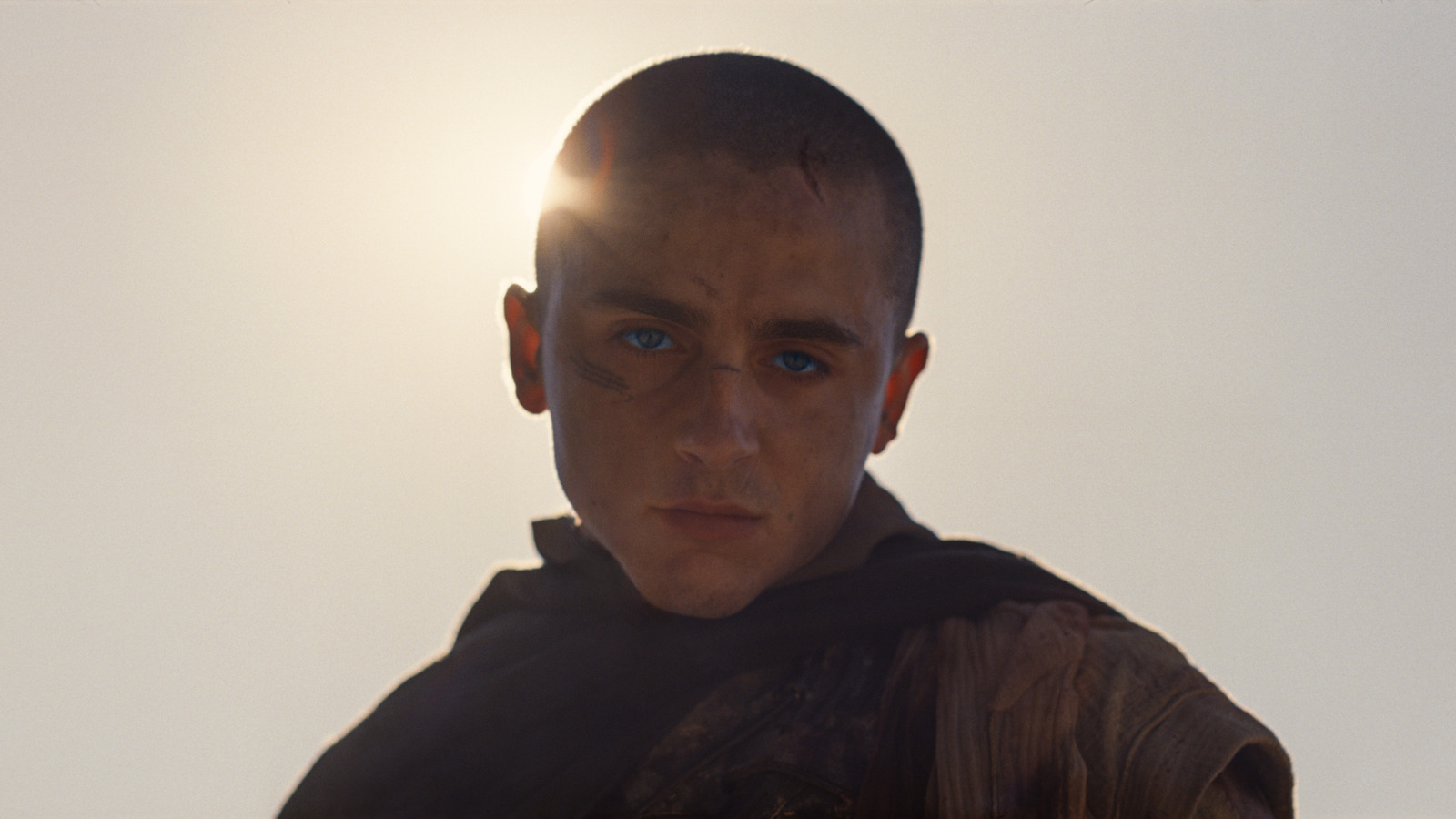
"Without giving too much away, in the third film, I think it’s Denis’ mastery in weaving in storylines that weren’t explicit in the book, and perhaps I would say that Denis took the most creative liberty," Chalamet noted. "But it really ties the story together."
This admission confirms that Villeneuve is not merely filming the novel, but actively adapting the themes of the novel to suit the emotional arc established in his first two films. By synthesizing disparate elements and perhaps introducing new narrative bridges, Villeneuve aims to provide a sense of closure that the second book, in its more enigmatic state, might otherwise lack.
The Fracture: Paul and Chani’s Tense Future
Central to the emotional weight of Dune: Part Three is the deteriorating relationship between Paul and Chani (Zendaya). In the context of Dune: Part Two, their dynamic was defined by a mix of genuine affection and ideological tension. As Paul leans into his role as a messianic figure, Chani serves as the moral compass, witnessing the corruption of the man she loves.
Chalamet highlighted this dynamic as a focal point for the final installment: "At the end of the second film, Chani is obviously feeling a sense of betrayal towards Paul and how the relationship has crumbled. Zendaya, as you guys see in that trailer, gives such a fantastic performance in this, as usual."
The inclusion of this interpersonal conflict suggests that the film will rely less on the traditional tropes of "good vs. evil" and more on the tragedy of personal loss in the shadow of imperial power. The "creative liberties" mentioned by Chalamet likely pertain to how these character arcs are resolved, ensuring that the audience remains grounded in the human cost of the galactic war.
Implications for the Genre
What does it mean for a franchise to finally "break" from its source material after years of extreme loyalty? For the Dune saga, it suggests a maturation of the filmmaking process. Villeneuve has earned the trust of both the studio and the fanbase; he has proven that he understands the heart of Herbert’s work. By exercising creative freedom in the final act, he is not betraying the author, but rather honoring the intent of the story.
The implications for the broader sci-fi genre are significant. We are moving away from the era of "fan-service" adaptations—where every line of dialogue is pulled directly from the page—toward a model where directors are treated as authors in their own right. If Dune: Part Three succeeds, it will prove that the best way to adapt a classic work is to respect the spirit of the text while being brave enough to reinvent the delivery.
Supporting Data: The Scale of Ambition
To understand the gravity of this final entry, one must look at the production context. The footage screened at the recent event reportedly balanced intimate, character-driven drama with the gargantuan, high-stakes action sequences that have become a hallmark of the series. The presence of political intrigue, paranoid thriller elements, and the inherent surrealism of the Dune universe suggests that Villeneuve is leaning into the "wacky" nature of Herbert’s later work rather than sanitizing it.
The studio, Warner Bros. Pictures, has bet heavily on this approach. The decision to fast-track the trilogy has paid off in terms of cultural relevance and critical acclaim. With the December 2026 release date, the film is positioned as the final major event of that year, signaling that the studio remains confident in Villeneuve’s ability to land the plane.
Conclusion: A Legacy Defined
As we look toward the final chapter, it is clear that Dune: Part Three is poised to be more than just a sequel; it is the final stroke on a canvas that spans five years of artistic dedication. By diverging from the specific plot points of Dune Messiah to enhance the emotional core of his trilogy, Denis Villeneuve is ensuring that his Dune will not be remembered for its adherence to a book, but for its impact as a cinematic work of art.
Whether these "creative liberties" will satisfy the most hardened of Frank Herbert’s purists remains to be seen. However, given the trajectory of the series thus far, the audience can expect a conclusion that is as ambitious, haunting, and visionary as the desert sands that birthed it. The spice must flow, but as the upcoming film promises, it will do so on terms defined by the master of modern sci-fi himself.

 Sagoh
Sagoh
 Nana Muazin