In the landscape of contemporary cinema, it is rare to find a project that defies categorization with such bold, surrealist confidence. The Wrong Girls, the latest feature from writer-director Dylan Meyer, promises to be exactly that: an enigma wrapped in a cloud of herbal smoke, feline vocal cords, and high-stakes chaos. With a release date locked for August 14th, the film is already generating significant industry buzz, not merely for its eccentric premise, but for an ensemble cast that reads like a “who’s who” of Hollywood’s most compelling comedic and dramatic talent.
Main Facts: A Narrative of Feline Communication and Chaos
At its core, The Wrong Girls centers on the lives of two codependent best friends who operate on a philosophy of “paycheck to paycheck and bong rip to bong rip.” While the premise may sound like a standard stoner comedy, the inclusion of a bizarre, reality-altering narrative hook—namely, the ability to communicate with cats—elevates the film into a territory that straddles the line between psychedelic drama and high-concept fantasy.
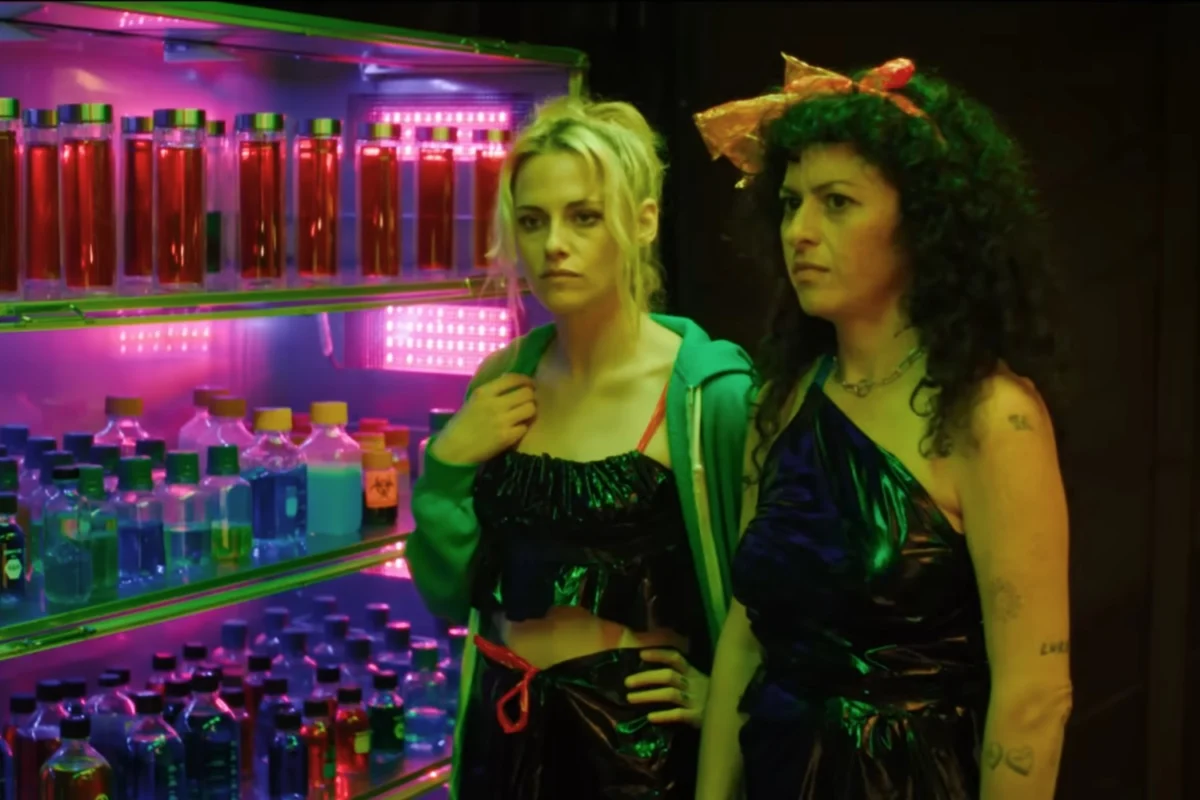
The film’s synopsis remains tantalizingly sparse: “Two codependent best friends living paycheck to paycheck and bong rip to bong rip get caught in a case of mistaken identity that throws their lives into chaos.” However, the trailer suggests that the chaos is driven by the consumption of a “glowing drug” that serves as the catalyst for the protagonists’ newfound ability to converse with their feline companions. Whether this is a manifestation of an altered state of consciousness or a genuine supernatural event remains the film’s central mystery.
Chronology of Development and Production
The trajectory of The Wrong Girls has been one of quiet anticipation. Following her previous work on Moxie, Dylan Meyer has spent the last two years crafting a script that balances character-driven humor with the surreal requirements of its premise.
- Pre-Production (Late 2022 – Early 2023): The project was greenlit under a shroud of secrecy, with initial reports suggesting an indie comedy project. The casting process was deliberate, aiming to secure performers who could balance the absurd dialogue with grounded, realistic emotional stakes.
- Production (Mid-2023): Principal photography took place throughout various locations, characterized by the cast’s enthusiasm for the script’s unconventional humor. During this phase, it was confirmed that the band Mannequin Pussy would be featured, further solidifying the film’s “cool-kid” aesthetic.
- Post-Production (Late 2023 – Early 2024): The heavy lifting of the film’s visual effects—specifically those related to the cats’ movements and the “glowing” visual aesthetic—was finalized, alongside the voice-over work provided by Seth Rogen and Kumail Nanjiani.
- Marketing Rollout (Mid-2024): The release of the official trailer in the summer of 2024 signaled the start of a robust promotional campaign, highlighting the film’s ensemble and its unique, genre-defying tone.
Supporting Data: The Powerhouse Ensemble
Perhaps the most significant indicator of the film’s quality is its roster. It is rare for a production to secure such a diverse range of talent, spanning from Academy Award winners to masters of television satire.
The Human Leads and Supporting Cast
- Kristen Stewart and Alia Shawkat: The anchor of the film. Their chemistry as the “codependent best friends” is the emotional heartbeat of the story.
- Cate Blanchett: Appearing as the “Deep Sea Expert,” a character that suggests the film will take several left-field turns.
- LaKeith Stanfield: Portraying the enigmatically named “Not Metal Head Dave,” a testament to the film’s commitment to quirkiness.
- The Comedy Veterans: The inclusion of Tony Hale (Arrested Development), Kate McKinnon (Barbie), and the legendary Geena Davis adds a layer of pedigree that promises a sophisticated level of performance, even amidst the absurdity.
The Feline Voices
- Seth Rogen and Kumail Nanjiani: By casting two of comedy’s most recognizable voices as the cats, Meyer ensures that the “feline communication” aspect of the film is not just a gimmick, but a source of genuine comedic conflict. Their dynamic serves as a mirror to the human protagonists’ struggles.
Official Responses and Creative Vision
While details regarding the plot are kept under wraps by the studio, those involved in the production have hinted at a film that is deeply personal and intentionally strange. Dylan Meyer’s direction has been described by those on set as “meticulous yet experimental.”
When asked about the film’s genre, early reviews and industry buzz suggest that the director is not interested in being labeled. The film is as much a study of codependency as it is a “stoner movie.” By focusing on the bond between the two leads, Meyer uses the fantastical element of cat-whispering as a metaphor for the confusion and isolation of early adulthood. The “glowing drug” is widely interpreted as a device to facilitate honest, unfiltered communication—the kind that occurs only when the masks of societal expectation are removed.
Implications for the Stoner Comedy Genre
The history of the stoner comedy is checkered. While classics like Pineapple Express set a high bar, many subsequent films have struggled to maintain the balance between irreverent humor and narrative substance.
The Wrong Girls arrives at a pivotal moment. With audiences gravitating toward “elevated” genre films—movies that use supernatural or surreal tropes to explore human neuroses—this film feels perfectly timed. If successful, it could redefine the genre, proving that high-concept premises can coexist with the laid-back, character-focused comedy that defined the early 2000s.
Why This Matters for the Industry
- The Rise of the A-List Indie: The presence of Cate Blanchett and Kristen Stewart in a film about drug-induced feline communication signifies a shifting landscape. Major stars are increasingly seeking out smaller, high-concept, and highly creative projects that allow them to step outside the constraints of traditional franchise blockbusters.
- Genre Fusion: The film serves as a prime example of “genre fluid” storytelling. By refusing to commit strictly to a comedy, a fantasy, or a drama, The Wrong Girls appeals to a wider demographic of viewers who are tired of formulaic cinema.
- The Power of Voice Casting: By leaning into the voices of Seth Rogen and Kumail Nanjiani, the production underscores the importance of audio-visual integration in modern comedy. It suggests a future where voice performances are treated with the same weight and critical consideration as on-screen acting.
A Cultural Touchstone in the Making?
As August 14th approaches, the excitement surrounding The Wrong Girls continues to mount. The film is a gamble, certainly. It relies on the audience’s willingness to buy into a reality where cats are chatty and the world is seen through a haze of neon-lit absurdity. However, given the strength of the ensemble and the creative direction of Dylan Meyer, there is a tangible sense that this film might just be the “right” kind of wrong.
Whether it becomes a cult classic that spawns endless memes or a critical darling that sparks a new wave of surrealist comedies, one thing is certain: it will be a film that refuses to be ignored. As the characters navigate the chaos of their lives, perhaps they—and the audience—will find that the most profound truths are often spoken by those we least expect, whether that be a best friend, a stranger, or a cat in a backpack.
In an era of predictable sequels and remakes, The Wrong Girls offers something inherently risky: originality. And in the world of independent film, that is a currency more valuable than any box office opening. Prepare for the glow, the bongs, and the cats—August 14th is set to be one of the most unpredictable days on the theatrical calendar.