For many professional creators, the workspace is more than just a room—it is the engine room of imagination, a sanctuary where raw materials are forged into legendary artifacts. For internationally renowned cosplayers Benni and Svetlana Quindt, known globally as Kamui Cosplay, the decision to uproot their life in Germany was a strategic move to reclaim their creative freedom. By trading the grey, bureaucratic winters of Bavaria for the perpetual spring of Madeira, Portugal, the duo has not only redefined their lifestyle but set a new standard for how professional artisans design their creative environments.
The Catalyst for Change: Seeking Sunshine and Simplicity
The decision to emigrate was not made lightly. After years of operating from their base in Germany, the couple faced a mounting confluence of personal and professional challenges. Svetlana candidly admits that the German winters, characterized by a persistent lack of sunlight, had begun to take a significant toll on her mental well-being, leading to periods of deep depression.

Beyond the personal struggle, the professional landscape in Germany had become increasingly stifling. For a self-employed artist, the administrative burden—the "bureaucracy of creativity"—had become a bottleneck. Instead of focusing on prop building, pattern drafting, and video production, the couple found themselves drowning in a sea of paperwork. Recognizing that their artistic output was suffering, they made a calculated choice to prioritize their health and productivity. Following research into climates conducive to year-round outdoor activity and well-being, they set their sights on Madeira, Portugal, a location consistently ranked as having one of the most temperate, pleasant climates in the world.
A Massive Undertaking: The Logistics of Relocation
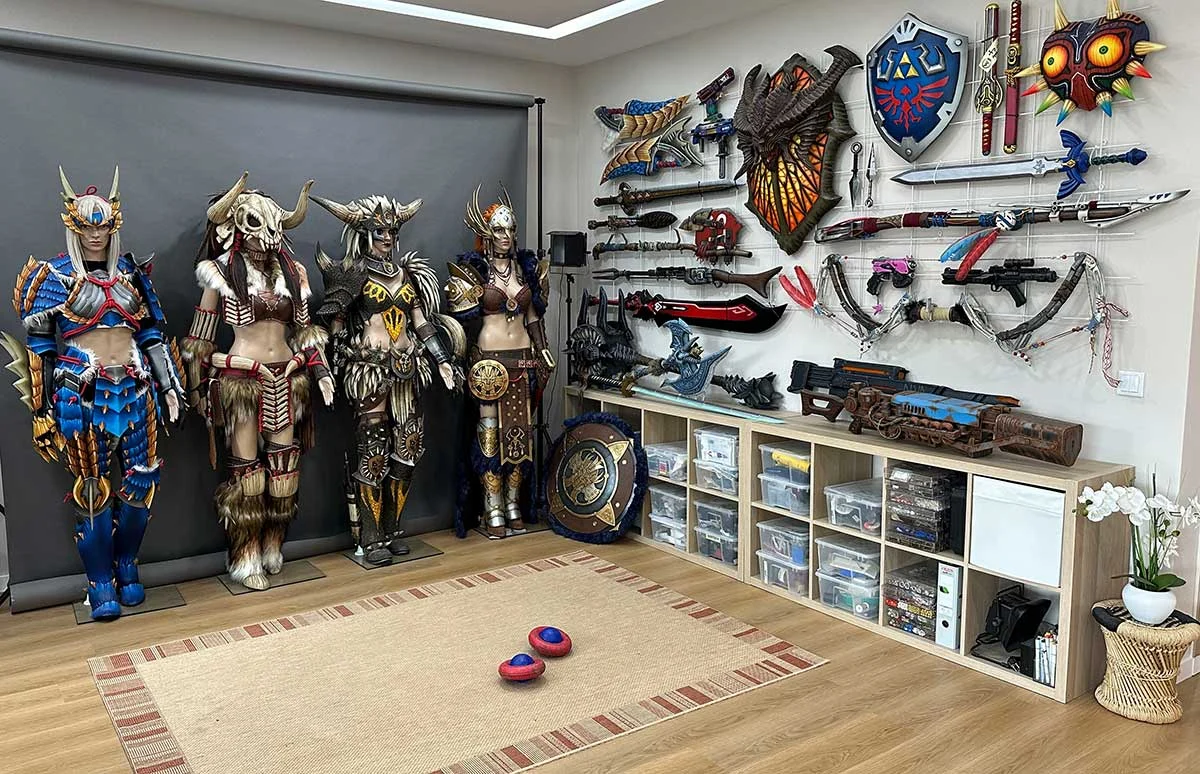
Relocating a professional-grade cosplay studio is an operation of industrial proportions. Over two decades of crafting, the couple had amassed a massive collection of specialized equipment, including high-end 3D printers, mannequins, rare materials, and finished props that represent years of work.
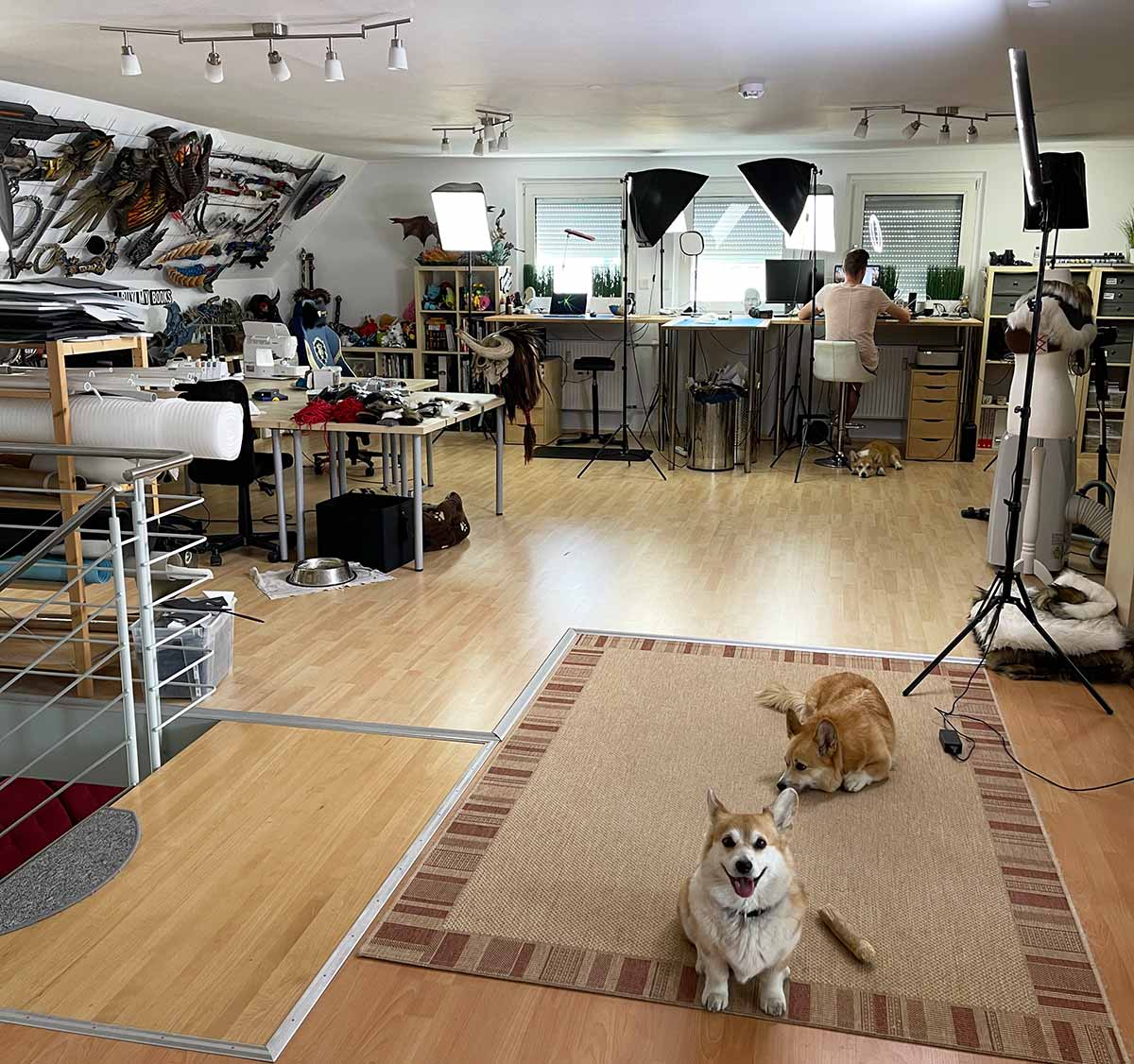
The transition required a rigorous audit of their inventory. Faced with the reality of shipping a household across the ocean, they had to be ruthless. They opted to donate vast quantities of excess fabric, paints, and older tools to local crafting clubs in Germany, ensuring that their legacy would continue to support emerging creators. Once the inventory was streamlined, they secured a shipping container and coordinated the international transit of their workshop, a process that demanded months of planning and coordination.
Digital Blueprints: The Role of 3D Modeling in Spatial Design
Upon arriving in Madeira, the couple faced a unique challenge: converting a residential space into a high-functioning, two-room professional studio. Their approach was unconventional, prioritizing efficiency over traditional interior design norms. They chose a floor plan that inverted standard layouts, converting the largest bedroom into a living area and dedicating the expansive living room and an adjacent space to their craft.
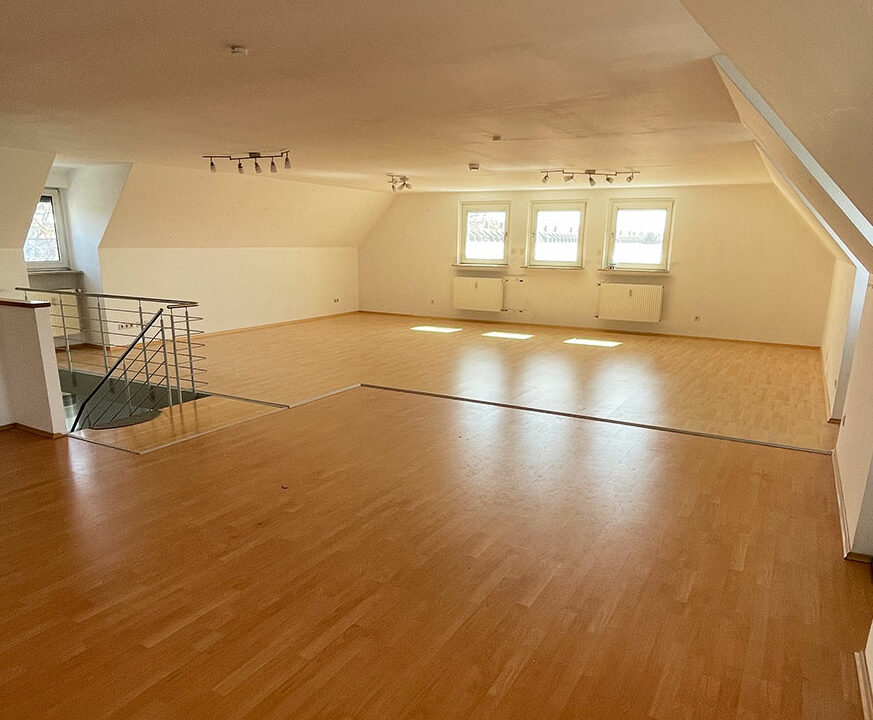
To ensure the layout was optimized for their specific workflow, they turned to Blender, the open-source 3D creation suite. Unlike standard home-planning apps, which often lack the precision required for specialized equipment, Blender allowed the couple to model every square centimeter of their new space.
Zoning for Safety and Productivity
The studio was divided into two distinct zones:
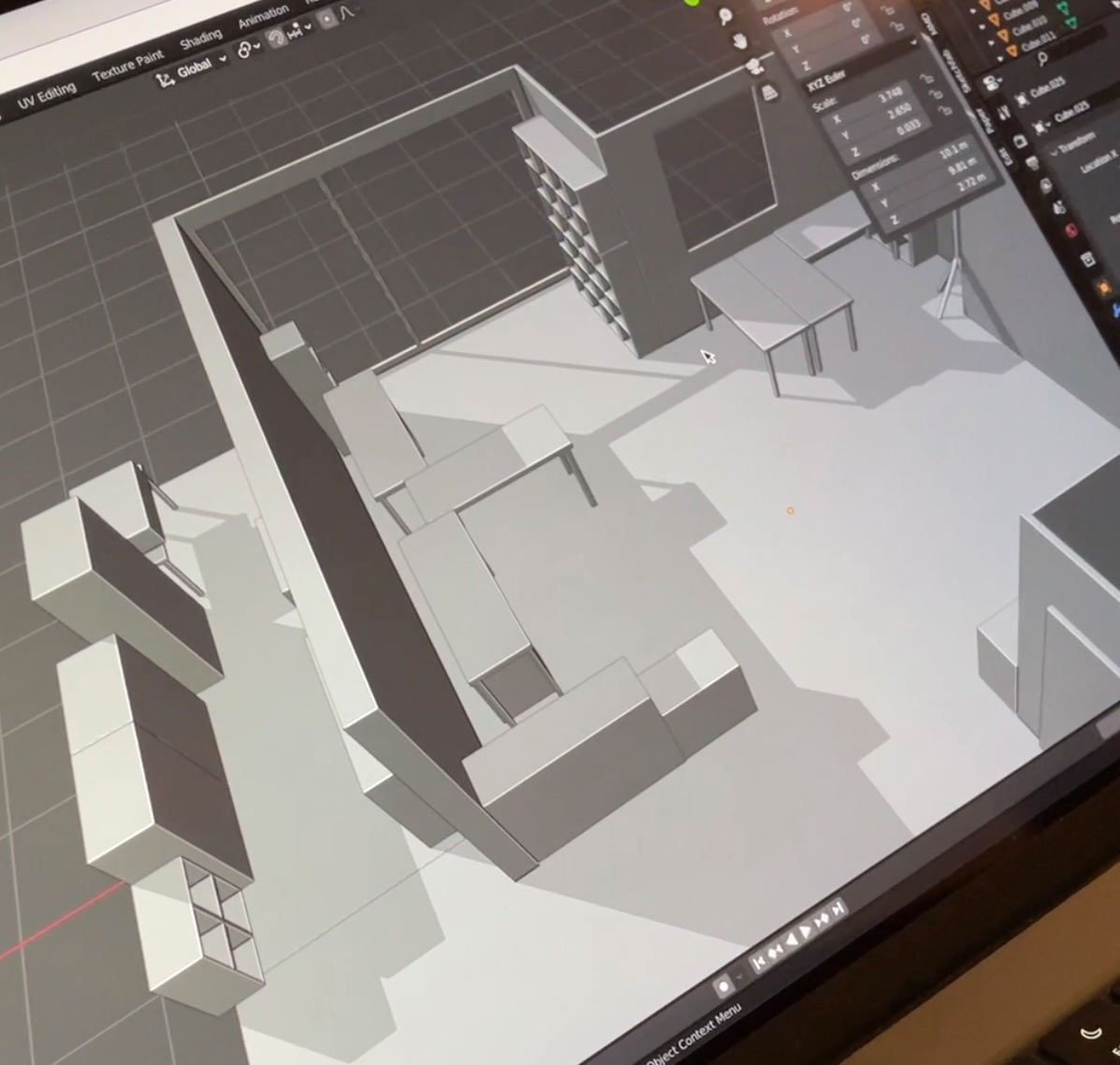
- The "Pretty" Room: A spacious area designed for high-visibility tasks, including filming YouTube tutorials, displaying finished costumes, and photography.
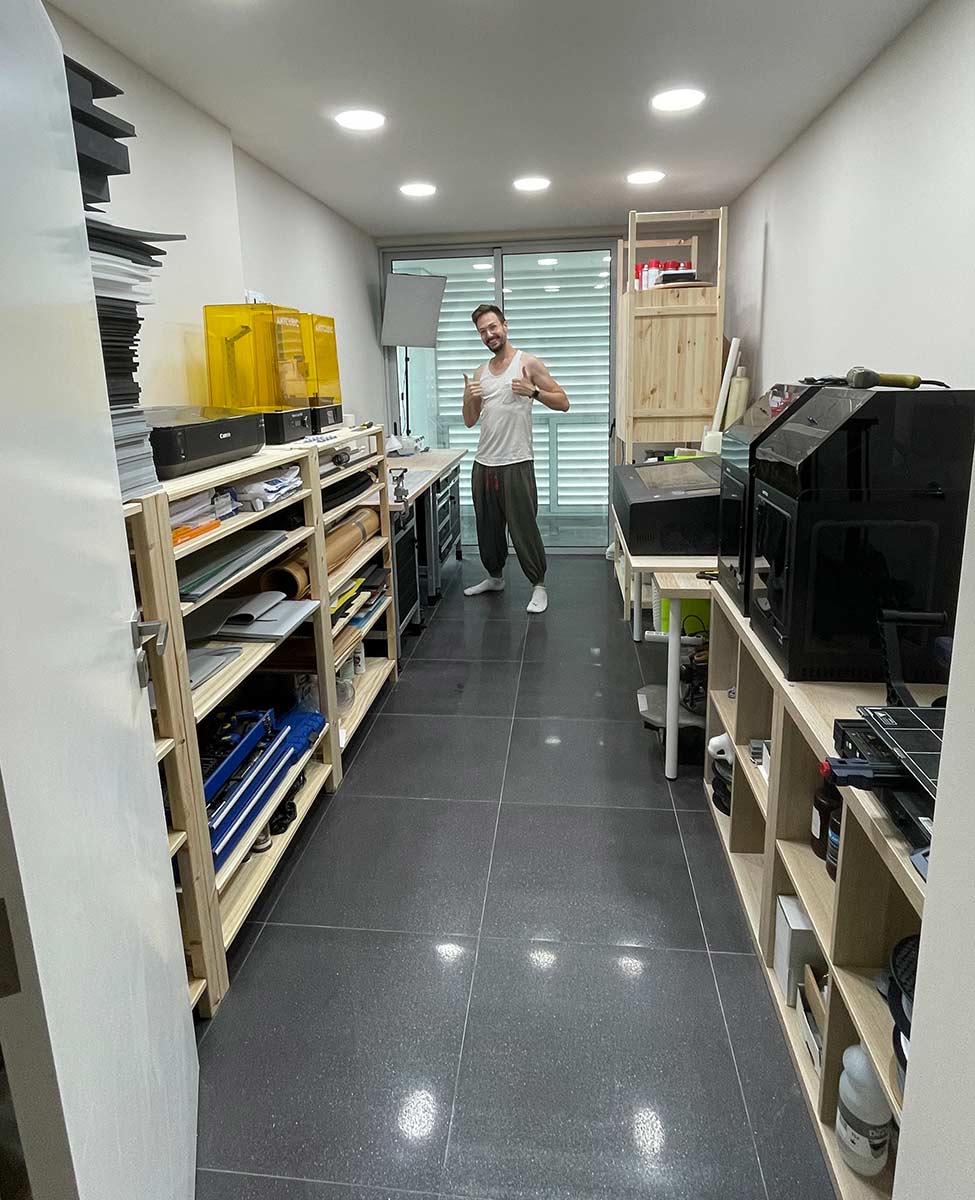
- The "Dirty" Room: A separate, smaller room dedicated to labor-intensive and potentially hazardous tasks such as sanding, 3D printing, and airbrush painting. By sequestering the 3D printers in this room, they effectively managed toxic fumes and dust, keeping the primary studio environment clean and safe for long-term production.
Organizing the Chaos: Storage Philosophies for Professionals
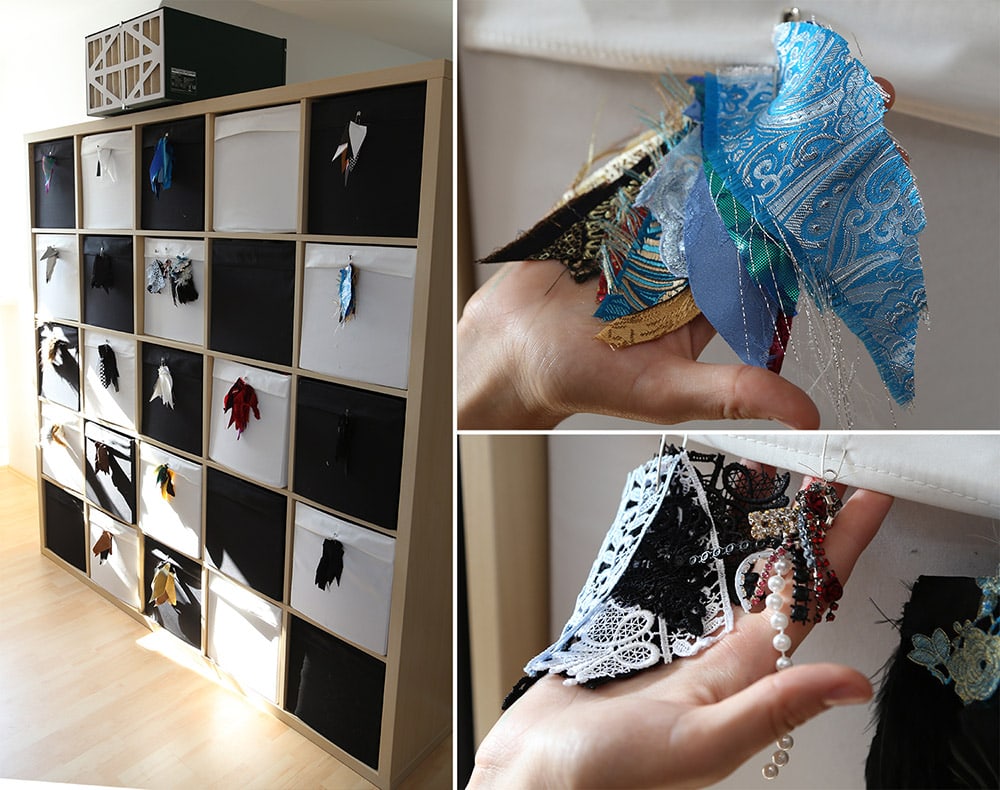
A core component of the Kamui philosophy is that you do not need a massive facility to be creative; you need a well-organized, "cozy" space that minimizes friction. Their storage solutions emphasize visibility and accessibility, utilizing modular furniture systems like the IKEA Kallax and Ivar series.
Strategies for Inventory Management
- Visibility is Key: The couple advocates for open shelving and translucent storage containers. By labeling boxes and attaching fabric samples to the outside of containers, they ensure that they never duplicate purchases—a common pitfall for the "hoarding" nature of creative artists.
- The "Sample Collection" Method: Keeping a physical library of materials (leathers, vinyls, foams) allows the duo to compare new purchases against their existing stock immediately, saving time and money.
- The Evolution of the Setup: It is vital to remember that a workshop is a living entity. Svetlana’s own journey began in a tiny corner of a shared room in 2003. It took twenty years to grow from a single sewing machine to a professional studio. The lesson for beginners is clear: start small, prioritize the tools that matter, and allow your workspace to scale alongside your skill level.
Professional Insights: What Truly Matters in the Studio
When asked about the "holy grails" of their studio, the couple emphasizes that while high-tech tools like 3D printers are excellent, the foundation remains consistent across two decades of experience. For their work, high-quality contact cement for EVA foam armor and Gütermann HT2 fabric glue are non-negotiable staples.
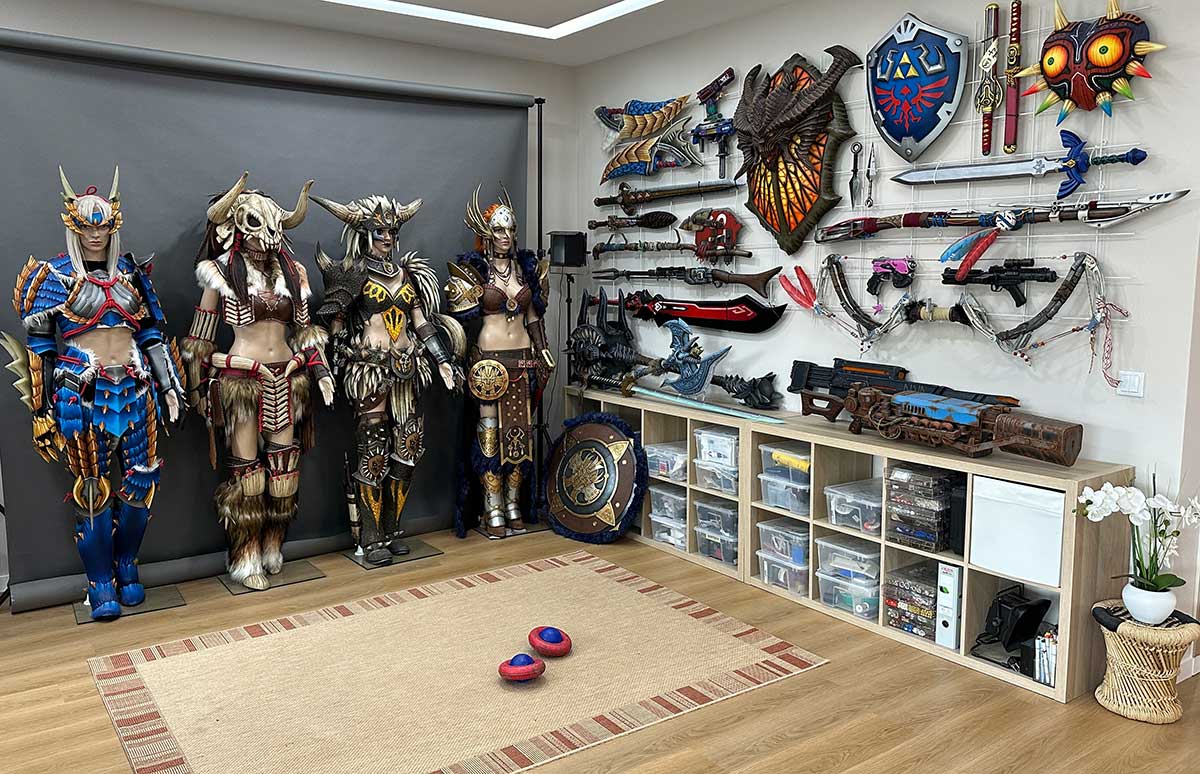
Furthermore, the couple highlights the importance of mannequin displays. While they note that most off-the-shelf mannequins arrive in "size 0," which can be restrictive for diverse cosplay builds, the use of padding allows them to adapt these forms to display a wide variety of costumes. This not only keeps their work preserved but also serves as a source of visual inspiration during the creation process.
Implications for the Creative Community
The relocation of Kamui Cosplay serves as a case study for the modern independent creator. As remote work becomes increasingly normalized, the ability to choose one’s environment based on mental health and lifestyle optimization is becoming a key factor in professional longevity.
Their move also highlights a broader shift in the cosplay community: the transition from "hobbyist" to "professional entrepreneur." By treating their workshop planning with the same rigor as an architectural project, they have created a sustainable model for long-term artistic production. Their openness regarding the struggle of maintaining a creative space—and the necessity of letting go of unused materials—offers a roadmap for creators who feel overwhelmed by their own inventories.
Conclusion: Looking Ahead
The move to Madeira has provided Benni and Svetlana with a fresh canvas. With the workshop now fully operational, the couple is looking forward to their next chapter of creative output. For their followers, the takeaway is twofold: first, that your environment dictates your output; and second, that change, while daunting, is often the necessary catalyst for evolution.
As the couple continues to document their journey, they remain an accessible beacon for the community, encouraging others to find their own "perfect space." Whether it is a dedicated studio or a small corner in a living room, the goal remains the same: to create a space that fosters passion, respects the artist’s health, and allows for the relentless pursuit of craftsmanship. For those looking to follow in their footsteps, the advice is simple: plan with precision, organize with intent, and never be afraid to chase the sunshine.