Nana Muazin
The smart home market is a battlefield of hardware, software, and ecosystem integration. When Google announced its latest foray into the audio space—the new Google Home Speaker—at the beginning of October, anticipation was high. Positioned as the first smart speaker designed specifically to harness the power of Google’s Gemini AI, it promised a new era of conversational intelligence and ambient computing.
However, the road to the living room was bumpier than expected. After a significant delay between the initial reveal and the actual availability of the device, early adopters were met with a frustrating technical barrier: a critical setup failure that rendered their new hardware effectively useless. This article examines the timeline of this launch, the nature of the software glitch, Google’s rapid response, and the broader implications for the future of Google’s hardware ecosystem.
Main Facts: The Setup Loop Nightmare
For thousands of users, the unboxing experience—usually a moment of excitement—quickly curdled into frustration. Upon attempting to configure the new Google Home Speaker via the Google Home app on their Android or iOS devices, users were confronted with an ominous error message: "The speaker is not fully set up. Please factory reset and set up again."
Despite following the prompt to factory reset the device, users reported finding themselves trapped in an infinite loop. No matter how many times they held the reset button or cleared the cache of the Google Home app, the software refused to finalize the handshake between the hardware and the cloud.
This issue primarily affected early buyers who received their units within the first few weeks of availability. The problem was not tied to a specific geographic region or a particular type of Android smartphone; it appeared to be a server-side authentication or provisioning error that prevented the speaker from registering correctly to the user’s Google account.
A Chronological Account of the Incident
To understand how this issue unfolded, it is necessary to look at the timeline of the product’s release and the subsequent community outcry.
October: The Initial Reveal
Google officially announced the Home Speaker in early October, setting high expectations for a device that promised to be the centerpiece of the modern, AI-integrated smart home. The marketing focused heavily on the integration of Gemini, Google’s advanced large language model, suggesting that the speaker would be far more intuitive than its predecessors.
Mid-Late June: The Release Window
After months of silence, the device finally hit the retail market. Pre-orders were fulfilled, and the first units reached customers’ doorsteps. Almost immediately, reports began surfacing on forums, social media, and Reddit regarding the "setup failure" error.
The Peak of Frustration
By the time the issue gained traction, the Google Nest Community forums were flooded with identical complaints. The tone shifted from curiosity to anger as users realized that the hardware they had paid for could not perform even the most basic functions. The error, which suggested a factory reset, became a meme within the community, as the provided solution was categorically failing to resolve the root cause.
The Resolution
In a rapid response, less than 24 hours after the issue was escalated, the Google Nest Community team acknowledged the problem. They confirmed that the issue was identified as a backend configuration error and that a patch had been deployed.
Supporting Data: Understanding the Hardware
The Google Home Speaker is more than just a smart assistant; it is a significant hardware engineering achievement. At its core, it features a 58mm driver housed within a compact, acoustically engineered chassis.
Key Specifications:
- Audio Architecture: 58mm high-excursion driver.
- AI Integration: Deeply integrated with Gemini for advanced natural language processing.
- Connectivity: Next-gen Wi-Fi and Bluetooth standards for seamless device pairing.
- Ecosystem: Built for the Google Home ecosystem, optimized for Matter and Thread protocols.
The technical nature of the glitch suggested that while the hardware was sound, the "Handshake" protocol—the process by which the speaker identifies itself to Google’s servers—was misconfigured. The fact that an simple power cycle (unplugging and replugging the device) could force the speaker to re-pull its configuration file indicates that the issue was indeed a remote, cloud-side provisioning error rather than a permanent hardware defect.
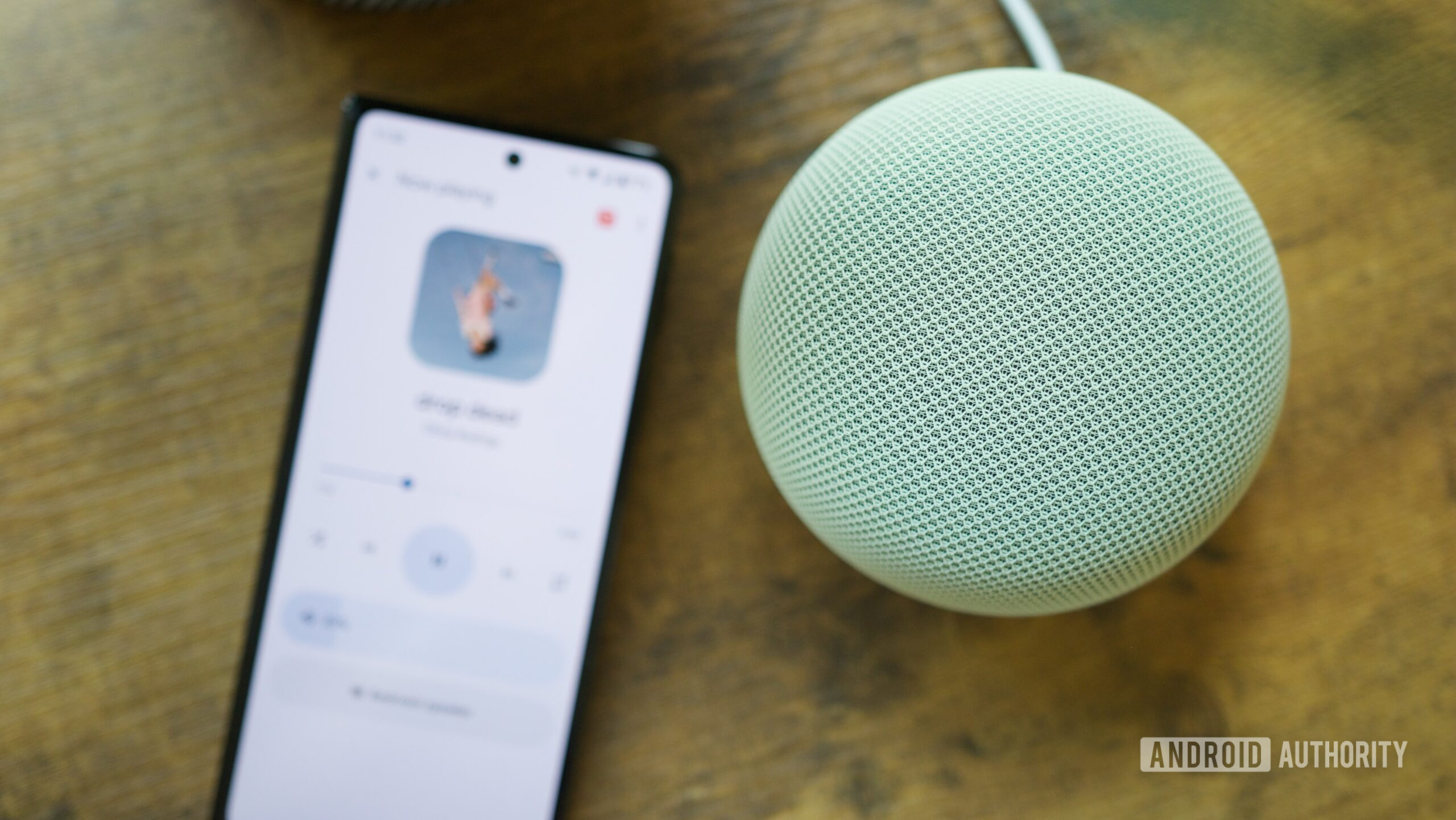
Official Response and Mitigation
Google’s response was characteristically direct. Through its official Nest Community Reddit account, the company provided a clear path to resolution for affected users:
"We identified the issue and have rolled out a fix for this. The fix should reach all devices within the next 24 hours, but if you are experiencing this issue, you can unplug and replug in your speaker to immediately receive the fix."
This response is a textbook example of how modern hardware manufacturers handle "Day One" bugs. By providing an immediate, actionable step—a power cycle—Google allowed users to bypass the 24-hour waiting period, effectively putting the power back into the hands of the consumer.
Furthermore, the company has requested that any users still experiencing issues after a hard reboot should contact customer support directly. This suggests that while the widespread "loop" bug has been resolved, the company remains vigilant for edge-case hardware failures that may have been masked by the larger software glitch.
Implications for the Smart Home Market
The "Setup Loop" incident, while resolved, offers several critical lessons for both Google and the broader smart home industry.
The Fragility of Cloud-Dependent Hardware
Modern smart speakers are "dumb" hardware until they successfully connect to the cloud. When a company relies entirely on a server-side handshake to initialize a device, they essentially create a "kill switch" for the user experience. This incident highlights the vulnerability of the smart home ecosystem to centralized server issues. If the authentication servers have a bad day, your hardware—no matter how advanced—is effectively a paperweight.
The Importance of "Day Zero" Stability
In an era where software updates are pushed wirelessly, there is a temptation for manufacturers to ship hardware with unfinished firmware, assuming that "Day One" updates will fix the bugs. While this is an efficient way to manage supply chains, it risks damaging the brand’s reputation. For many early adopters, the initial impression is the only one that matters. If the setup process is broken, the consumer is unlikely to forgive the device for its excellent audio quality or AI capabilities.
Gemini as the New Standard
Despite the rocky start, the excitement surrounding the Google Home Speaker remains high. It is the first dedicated hardware vehicle for Gemini. As Google pivots away from the older Google Assistant towards a more LLM-driven interaction model, the Home Speaker is the proving ground. The success of this device is essential for Google to maintain its relevance against competitors like Amazon’s Alexa and Apple’s HomePod, both of which are also pivoting toward generative AI.
Conclusion: Moving Forward
The Google Home Speaker launch serves as a reminder that even the most well-funded tech giants are not immune to the complexities of distributed computing. The rapid resolution of the setup glitch is a positive sign, indicating that Google’s support infrastructure and engineering teams are capable of responding to critical issues in near real-time.
For those who have successfully bypassed the setup error, the Google Home Speaker offers a compelling vision of the future. With its 58mm driver delivering high-fidelity audio and the Gemini model providing a conversational experience that is significantly more natural than previous iterations, it is poised to be a dominant player in the market.
If you are a current owner, ensure your device is updated by power-cycling it. If you are a potential buyer, the incident should be viewed as a temporary growing pain of a new, complex product launch rather than a reflection of the hardware’s long-term potential. As the smart home continues to evolve into an AI-driven environment, the Home Speaker is set to be a key component, provided that Google continues to prioritize the stability of the user experience as much as it does the intelligence of its software.
The era of the "smart" speaker is transitioning into the era of the "intelligent" speaker. While there may be bumps in the road, the integration of generative AI into our living spaces is only just beginning, and Google is firmly at the forefront of that transformation.

 Siti Muinah
 Reynand Wu