

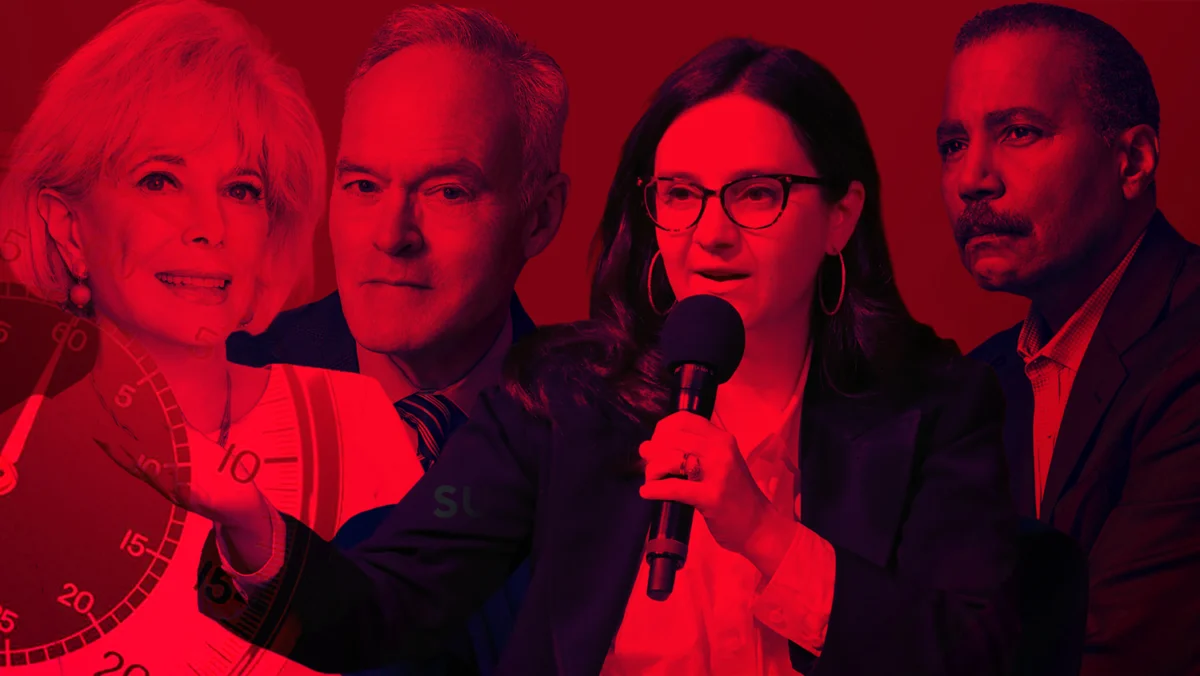
The halls of CBS News—once a bastion of traditional broadcast journalism characterized by the legacies of Edward R. Murrow and Walter Cronkite—are currently echoing with the sounds of a corporate and cultural earthquake. The immediate termination of 37-year network veteran and 60 Minutes correspondent Scott Pelley has served as the crescendo in a months-long, high-stakes power struggle that has left the industry reeling. As the network navigates a turbulent transition under the ownership of David Ellison’s Paramount, the flagship newsmagazine—a broadcast that has defined American investigative journalism since 1968—finds itself stripped of its veteran talent, embroiled in internal accusations of political interference, and facing an existential crisis.
The Trigger: A Collision of Cultures
The flashpoint that led to the swift departure of Scott Pelley was a heated verbal confrontation between the former CBS Evening News anchor and the show’s newly appointed executive producer, Nick Bilton. While internal disputes are not uncommon in the pressure-cooker environment of high-level television production, the subsequent "termination for cause" of such a high-profile figure marked a departure from typical network decorum.
Sources within the division describe an environment that has transitioned from a professional newsroom into a "closed-door, toxic" landscape. "I have been in this business a long time, and I have never seen anything this bad," one long-time CBS News insider told Deadline. "We cover the news, we should never be the news. This is a damn embarrassment."
The tension is largely attributed to the leadership style of Bari Weiss, the Free Press founder who was installed as the editorial overseer of the division following the Paramount acquisition. Her mandate to reshape the network’s editorial direction has been met with significant friction from a staff that views her tenure as an ideological pivot that threatens the independence of 60 Minutes.
A Chronology of Attrition: How the Landscape Shifted
The exodus from 60 Minutes is not an isolated event but rather the culmination of a systematic dismantling of the program’s long-standing roster. The following timeline outlines the rapid decline in institutional stability:

- October 2025: Bari Weiss is appointed to a high-level editorial role, signaling a major strategic shift for CBS News under the new Paramount ownership.
- January 2026: Tony Dokoupil is installed as the anchor of CBS Evening News, a move that failed to reverse the program’s declining viewership and led to widespread internal criticism regarding "amateur-hour" management.
- February 2026: Anderson Cooper, one of the network’s most recognizable stars, departs 60 Minutes at the conclusion of the 58th season, despite overtures from leadership to retain him.
- May 2026: A wave of terminations hits the newsroom, including the axing of correspondents Sharyn Alfonsi and Cecilia Vega, alongside veteran executive producer Tanya Simon and other key editorial staff.
- June 2026: Scott Pelley is fired following a confrontation with Nick Bilton, sparking a public war of words over the nature of the termination and accusations that staff were misled regarding the final exit meeting.
Supporting Data: The Cost of the "New Vision"
The fallout extends beyond personnel. The financial health and market perception of the network have also taken a hit. Paramount Skydance, currently managing a staggering $80 billion debt load associated with its pending $111 billion acquisition of Warner Bros. Discovery, saw its stock slide by 3% in the 24 hours following the news of Pelley’s firing.
Analysts suggest that the firing is being perceived by Wall Street not just as a management decision, but as a risk to the brand equity of CBS News’ most profitable asset. While leadership has cited a desire to cut costs and recruit "next-generation" talent, the departure of seasoned investigative journalists has left a vacuum in institutional memory.
Furthermore, the "siloed" nature of 60 Minutes—which for decades operated with significant autonomy—is being dismantled. Critics of the current management argue that integrating the show into a centralized, ideologically driven newsroom undermines the very investigative rigor that earned the program its reputation. Conversely, supporters of the change argue that the show had become too insulated from the realities of 21st-century media consumption and that these changes were long overdue to ensure the network’s relevance.
Official Responses and the "He-Said, She-Said" Conflict
The narrative surrounding these exits has become a battleground of public relations. Scott Pelley, in a scathing statement released following his termination, decried the "incompetence and unprofessionalism" of the new management, labeling the network’s recent trajectory as a "heartbreaking submission" to political pressure.
In contrast, Bari Weiss and the current leadership have maintained that the transitions are necessary to revitalize the division. In a staff call held on Wednesday, leadership emphasized the need to move forward, floating the idea of utilizing existing talent—such as Norah O’Donnell—in more prominent, expanded roles.

However, the credibility of this transition plan is under fire. Former 60 Minutes executive producer Bill Owens broke his silence to publicly blast the purge, stating that the destruction of the show’s veteran core is a strategic error that will prove irreversible. Meanwhile, correspondents like Cecilia Vega have gone on record, citing "censorship, both imposed and self-driven," as the primary driver for the decline in morale.
Implications: The Future of CBS News
As the dust settles, three primary questions remain for the future of the network:
1. The Stability of the Remaining Talent
Lesley Stahl, Bill Whitaker, and Jon Wertheim—the remaining full-time correspondents—have maintained a strategic silence. Sources indicate they are "taking a breath" to assess the situation. The retention of these pillars is widely viewed as the only thing preventing a complete collapse of the program’s legacy. Should they choose to exit, the "new" 60 Minutes will effectively be a reboot in name only.
2. The Political Tightrope
The timing of these purges coincides with the broader, massive consolidation of media assets under the Trump-friendly administration. The criticism that the network is moving toward a "MAGA-appeasement" strategy is gaining traction, particularly on social media. The fact that the network has engaged in discussions regarding distribution deals for conservative influencers, such as Katie Miller, has only fueled perceptions that editorial independence is being bartered for corporate favor.
3. The Institutional Identity Crisis
The fundamental conflict is between the "Old Guard" and the "New Vision." As one insider noted, "People at CBS News, both talent and staff, are not big fans of 60 being so siloed. They believe it needs to be integrated into the larger newsroom."

This reflects a broader industry debate: Does a historic brand survive by adhering to its established traditions, or does it thrive by abandoning them in favor of a lean, integrated, and politically aligned model?
For now, the network remains a spectacle. While leadership continues to push forward with its integration strategy, the morale of the staff is at an all-time low. The "closed-door, toxic" environment described by employees suggests that even if the show continues to air, the culture that built it may be irrevocably broken. As the network faces the coming season, it does so with a depleted bench, a bruised reputation, and a question that haunts every meeting: "How are we going to even be able to put on a show next season?"
The answer to that question will determine whether 60 Minutes remains a titan of investigative journalism or becomes another cautionary tale in the decline of broadcast news.











No comments yet. Be the first to join the conversation!