DUBAI — The precarious ceasefire that had held the Middle East in a state of fragile suspense for three weeks has definitively fractured. On Thursday, the Persian Gulf descended into a new and volatile phase of conflict as Iranian armed forces launched a series of calculated strikes against U.S. military installations across the region. The offensive, which officials described as a retaliatory measure, followed a wave of U.S.-led bombardments targeting strategic coastal and eastern Iranian provinces, marking a dramatic intensification of the hostilities that have gripped the region since the death of Supreme Leader Ayatollah Ali Khamenei.
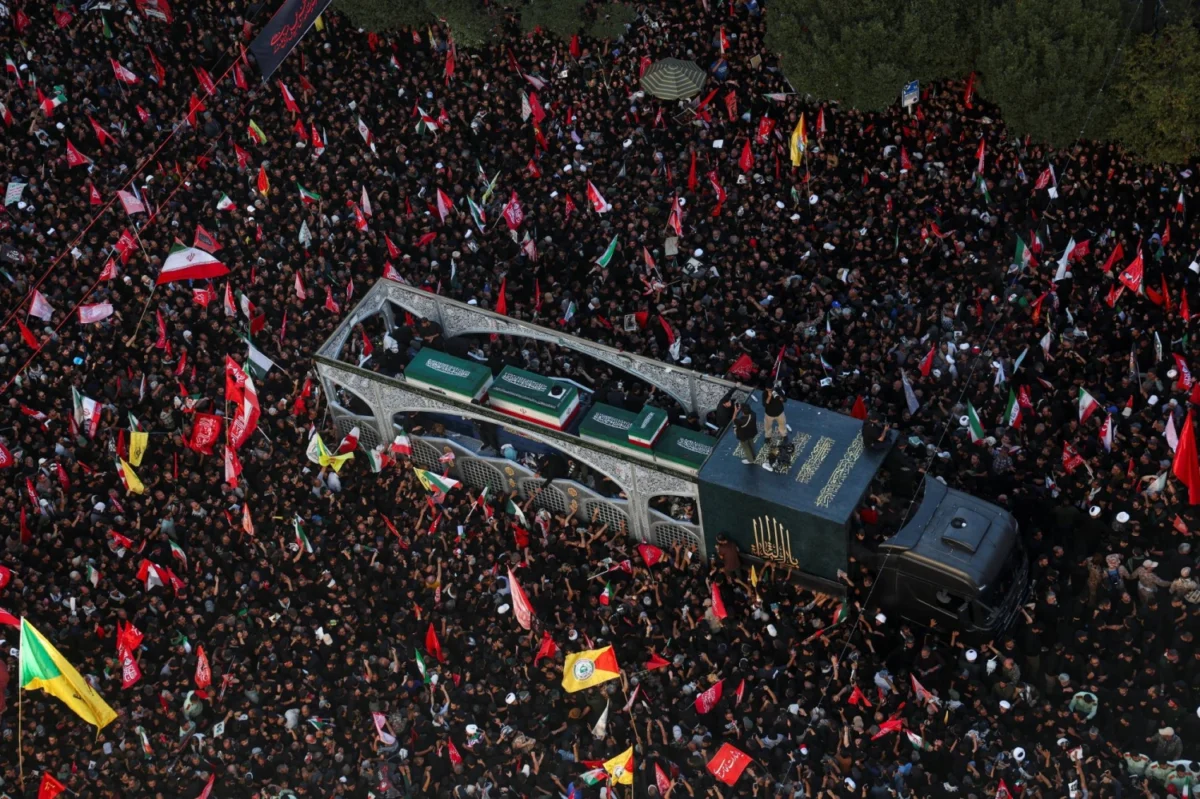
The escalation unfolded against the solemn backdrop of the Ayatollah’s final interment in Mashhad, an event that served as both a moment of national mourning and a flashpoint for renewed aggression.
The Chronology of Collapse: A 72-Hour Descent
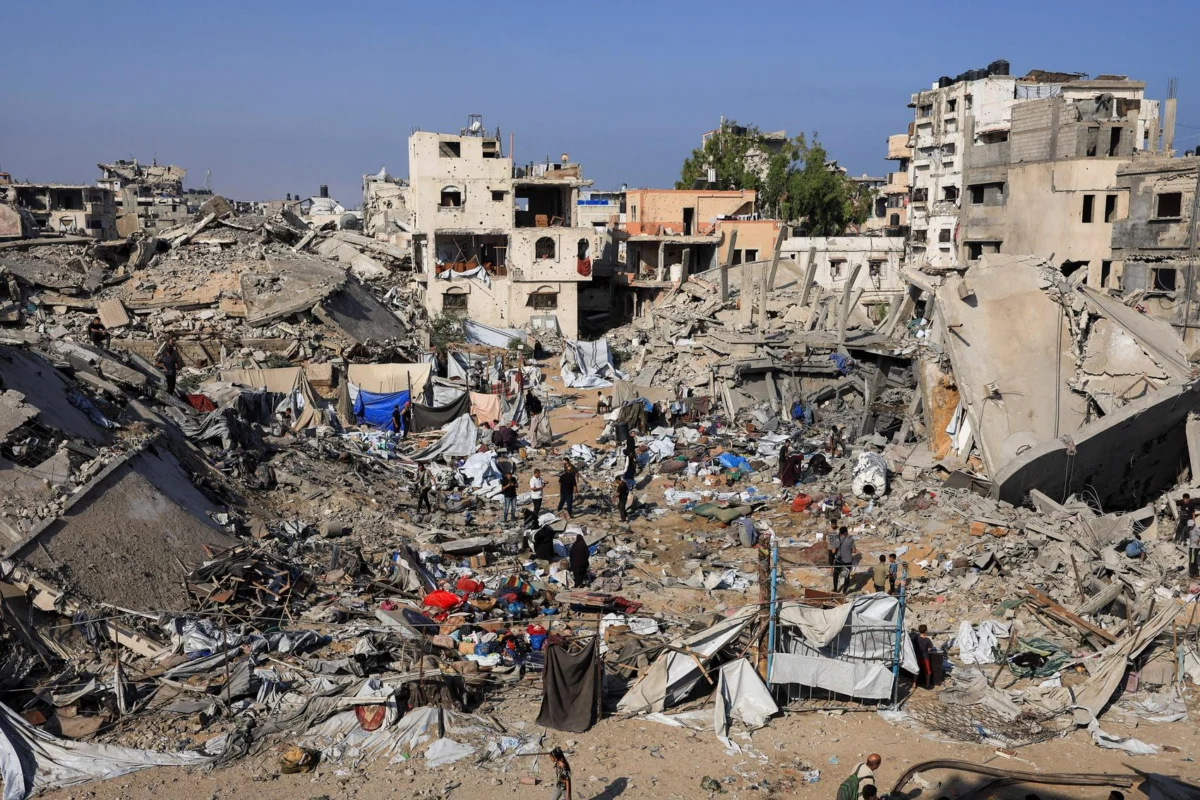
The breakdown of the three-week-old truce began in the early hours of Tuesday, as reports of unidentified aerial strikes began to circulate in southern Iran. By Wednesday, the intensity of these strikes had escalated, shifting from sporadic incursions to concentrated efforts targeting infrastructure in Bushehr—the site of Iran’s primary nuclear facility—as well as the strategic hubs of Konarak, Choghadak, and the vital port city of Bandar Abbas.
While the Iranian state media apparatus characterized these explosions as the result of direct U.S. military intervention, the American perspective remained contradictory. A senior U.S. official, speaking on the condition of anonymity, stated that there had been no American strikes within the final hours of the Thursday timeframe, suggesting a potential breakdown in intelligence or the possibility of proxy involvement.
As the smoke cleared from the sites of the explosions, the Iranian military responded with a coordinated barrage. Targets included U.S. military assets stationed within Persian Gulf partner states, marking a significant shift from the regional "shadow war" of the past decade to an overt, state-on-state confrontation.
The Burial of a Supreme Leader
The atmosphere in Mashhad on Thursday was one of profound grief, punctuated by the palpable tension of a nation on the brink of total war. Tens of thousands of mourners gathered to pay their final respects to Ayatollah Ali Khamenei, whose death has created a power vacuum that many analysts fear will lead to further radicalization within the Iranian security establishment.
The funeral procession, which wound its way through the streets of the holy city before culminating at a shrine, was used by state officials as a rallying cry. Speakers at the event invoked the memory of the Ayatollah while simultaneously denouncing the "Great Satan," effectively linking the mourning process to the ongoing military mobilization.
For the Iranian leadership, the burial was not merely a religious or personal loss; it was a symbolic moment to project continuity and defiance. The presence of high-ranking commanders of the Islamic Revolutionary Guard Corps (IRGC) among the pallbearers signaled that the military’s grip on the post-Khamenei transition remains absolute, even as the country faces existential threats from abroad.
Supporting Data: A Region Under Siege
The logistics of the current conflict reveal a dangerous expansion of the theater of operations. The strike on Bushehr is particularly concerning to the international community. Although the International Atomic Energy Agency (IAEA) has not yet issued a formal report on potential damage to the reactor, the proximity of the explosions to sensitive nuclear infrastructure has sent shockwaves through global energy and security markets.
Furthermore, the targeting of Konarak and Bandar Abbas disrupts critical maritime logistics. The Strait of Hormuz, through which a significant portion of the world’s oil supply passes, is now effectively a combat zone. Shipping insurance rates have spiked by nearly 400% in the last 48 hours, as global logistics firms grapple with the reality that the Persian Gulf is no longer a safe corridor for commercial transit.
Official Responses and Diplomatic Stagnation
The diplomatic fallout has been swift and severe. In Washington, the White House has maintained a posture of "calibrated deterrence," with the Pentagon confirming that it is repositioning naval assets to protect U.S. personnel and regional allies.

"The United States remains committed to the stability of the Persian Gulf," a spokesperson for the National Security Council noted in a briefing. "However, we will not stand by while our service members are targeted by state-sponsored aggression. We are currently evaluating the scope of the Iranian strikes and will respond with appropriate force."
In Tehran, the rhetoric has been far more bellicose. The newly formed interim council, tasked with governing the state following the Ayatollah’s death, issued a statement via state news agencies claiming that the "blood of the martyr" had galvanized the nation’s resolve. They warned that any further U.S. incursions would result in a "firestorm that would engulf the entire Middle East."
Regional powers, including Saudi Arabia, the United Arab Emirates, and Qatar, have issued urgent calls for de-escalation. However, these calls are largely seen as toothless, as the current level of animosity between Washington and Tehran has largely bypassed traditional diplomatic channels.
Implications: The Long Shadow of Uncertainty
The current crisis presents three primary implications for the future of the Middle East:
1. The Power Vacuum in Tehran
The passing of Ayatollah Khamenei has left a void that may take months, if not years, to resolve. With the IRGC taking a more prominent role in state decision-making, the prospects for a return to the negotiating table—such as the revival of the nuclear deal—have all but evaporated. The military, unencumbered by the more nuanced political maneuvering of the clerical establishment, appears willing to embrace total confrontation.
2. The Failure of Deterrence
The fact that attacks occurred only three weeks after a ceasefire was established indicates a total failure of traditional deterrence. Both sides appear to have miscalculated the "red lines" of the other. For the U.S., the assumption that limited strikes would force Iran to the table has proven incorrect; for Iran, the assumption that they could retaliate without triggering a full-scale regional war remains a high-stakes gamble.
3. Global Energy and Economic Volatility
The energy markets are currently witnessing a "panic premium" on oil prices. Should the conflict persist or widen to include direct hits on oil export terminals, the global economy—already struggling with post-pandemic inflation—could face a severe supply shock. The vulnerability of the Persian Gulf’s infrastructure has never been more apparent, and the world is currently witnessing the collapse of the illusion that global trade can remain insulated from regional geopolitical violence.
Looking Ahead
As Thursday draws to a close, the situation remains fluid. Reports from the ground indicate that both Iranian and American forces remain at the highest state of alert. The burial of the Supreme Leader has concluded, but the conflict that emerged alongside his death is only just beginning.
International observers are now looking to the United Nations Security Council for a path toward mediation. Yet, with permanent members deeply divided on the issue of Iran’s nuclear ambitions and regional proxy influence, the chances of a consensus-driven resolution appear slim.
For the people of the region, the next several days will be defined by an agonizing wait. Whether the current exchange of fire will subside into a new, albeit colder, status quo, or whether it will escalate into a broader regional war, depends on a series of rapid-fire decisions currently being made in the command centers of Tehran and Washington.
One thing is certain: the era of relative regional stability that existed prior to the death of Ayatollah Khamenei is over. In its place, a new, far more dangerous chapter of the Middle Eastern conflict has begun—one where the margins for error have vanished, and the consequences of miscalculation are measured in lives and the stability of the global order.