

The digital landscape for business-to-business (B2B) marketing is undergoing a seismic shift. As we transition into 2025, the once-rigid divide between corporate communication and consumer-facing content is effectively dissolving. B2B brands are no longer operating in a vacuum; they are competing for attention in a noisy, algorithm-driven ecosystem that demands authenticity, agility, and, above all, human connection.
According to the Netline B2B Content Consumption Report, the appetite for personalized, relatable digital experiences has reached an all-time high. To maintain a competitive edge, marketing leaders must move beyond traditional lead-generation tactics and embrace a multifaceted approach that blends cutting-edge technology with fundamental storytelling.
The Core Pillars of 2025 B2B Strategy
In a recent episode of the Social Pros Podcast, experts from Convince & Convert dissected the essential elements of a modern B2B playbook. The consensus is clear: the brands that succeed in 2025 will be those that view their social media channels not merely as distribution platforms, but as community-building engines.
1. The Humanization of Corporate Messaging
"Authenticity" has become a buzzword, but in the B2B context for 2025, it is a survival mechanism. The era of the "faceless corporation" is ending. Audiences are increasingly wary of sterile, automated, and overly corporate messaging.
Successful B2B brands are now adopting B2C strategies—prioritizing vulnerability, behind-the-scenes transparency, and genuine storytelling. By sharing the challenges teams face, the failures that led to innovation, and the specific values that guide decision-making, companies are building the emotional resonance required to foster long-term loyalty. When a brand moves from "we sell X" to "we believe in Y, which is why we built X," they transition from a vendor to a partner.
2. The Duality of Video: Short-Form vs. Long-Form
Video content remains the undisputed king of digital engagement, but the application of video has become increasingly nuanced. The strategy for 2025 relies on understanding the "time-to-value" of different content formats.

- Short-Form Content (TikTok, Instagram Reels, LinkedIn Native Video): These are your "top-of-funnel" magnets. With 72% of B2B marketers reporting success in lead generation through short-form video, these snippets are essential for grabbing attention. They are best utilized for quick tips, industry myth-busting, and "day-in-the-life" content that demystifies your company culture.
- Long-Form Content (YouTube Deep-Dives, Webinars): As Salesforce and HubSpot have demonstrated, long-form content is the bedrock of authority. When a prospect is deep in the consideration phase of the buyer’s journey, they don’t want 30-second clips; they want comprehensive product demos, detailed case studies, and thought leadership webinars that address complex industry problems.
3. Thought Leadership as an SEO Engine
Thought leadership is no longer a "nice-to-have" executive activity; it is a primary driver of organic search equity and brand trust. LinkedIn has solidified its position as the premier B2B environment, where executives and subject matter experts (SMEs) can share nuanced industry predictions.
By consistently contributing to the conversation, companies like Microsoft and IBM have proven that humanizing the executive voice builds a moat around their brand. This content does more than inform; it optimizes for search, as Google’s algorithms continue to prioritize "Expertise, Experience, Authoritativeness, and Trustworthiness" (E-E-A-T).
Influencer Marketing: Moving Beyond the B2C Label
For years, the industry debated whether influencer marketing had a place in the boardroom. In 2025, the debate is over. B2B influencer marketing is now a cornerstone of high-performing strategies.
The strategy is simple: tap into the credibility of industry experts who already hold the trust of your target audience. Rather than spending months building a following from zero, brands are partnering with niche experts to accelerate their reach. A prime example is Oracle’s "On the Fly" series, which utilized 30 industry influencers to create collaborative, high-authority content. This did not just boost traffic; it infused the brand with the collective credibility of the influencers involved.
The AI Revolution: Efficiency and Beyond
Artificial Intelligence is no longer just for automated chatbots. In 2025, it is being integrated into the foundational workflow of social media management.
- Predictive Analytics: AI tools are now capable of analyzing vast datasets to determine the optimal time to post, the types of headlines that generate clicks, and the content formats that lead to conversion.
- Content Scaling: AI assists in repurposing long-form content—such as taking a 60-minute webinar and automatically generating a transcript, a blog post, five LinkedIn posts, and three short-form video scripts.
- Hyper-Personalization: AI allows marketers to tailor messaging at scale, ensuring that the right content reaches the right decision-maker at the exact moment they are researching a solution.
Addressing the "Pain Point" Paradox
The most effective B2B content strategy is one that solves problems. Marketing teams often get caught up in "product-centric" messaging, focusing on features rather than outcomes. The 2025 shift mandates a "pain-point-centric" approach.
By creating content that directly addresses the specific friction points of a client—such as supply chain bottlenecks, regulatory compliance hurdles, or talent retention challenges—brands position themselves as indispensable resources. This creates a natural, trust-based lead flow. When a brand provides the solution to a recurring headache, the transition from prospect to customer becomes a logical conclusion rather than a hard sell.
Supporting Data and Implications
The shift toward these strategies is not arbitrary; it is backed by the evolving behavior of the B2B buyer. Modern buyers conduct approximately 70-80% of their research online before ever engaging with a sales representative.
The Implications for B2B Teams:
- Budget Reallocation: Resources must shift from traditional advertising toward content production, SME development, and influencer partnerships.
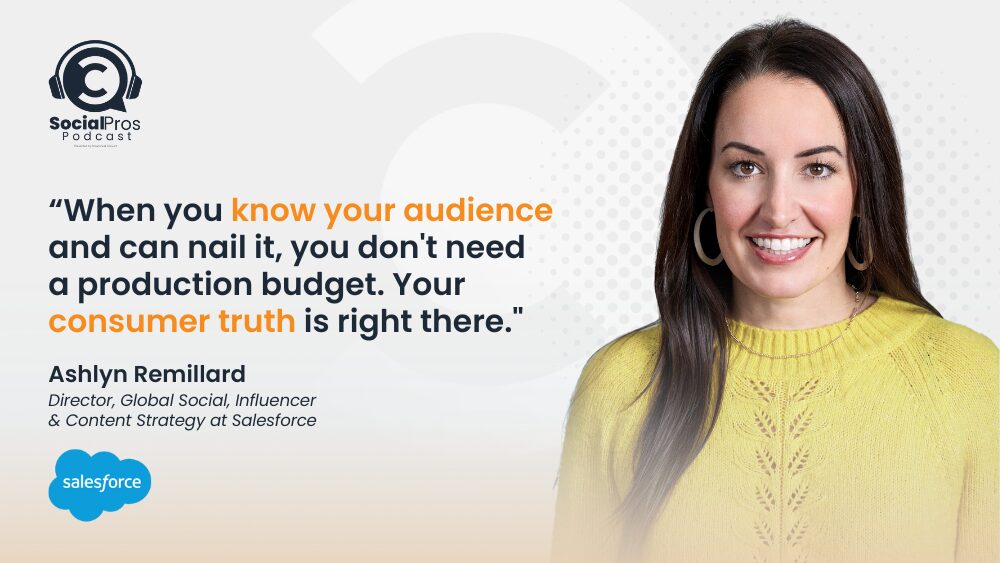
- Agility Over Perfection: In the world of short-form video and social engagement, speed often trumps high-end production value. "Consumer truth" beats a polished corporate aesthetic.
- Cross-Departmental Collaboration: Marketing cannot exist in a silo. Sales teams must provide the "ground truth" of customer pain points, while executives must be incentivized to participate in thought leadership.
Conclusion: Preparing for the Year Ahead
As we look toward the remainder of 2025, the B2B social media landscape is clear: it is becoming more human, more intelligent, and more focused on solving genuine problems. Brands that cling to outdated, broadcast-style marketing will find their messages lost in the noise.
The path forward requires a blend of creative storytelling and analytical rigor. Whether you are leveraging AI to scale your content, tapping into influencer networks to expand your reach, or simply focusing on the human stories behind your product, the goal remains the same: to build a relationship of trust that sustains business growth.
For those looking to refine their approach, the guidance provided by the experts at Convince & Convert underscores that these trends are not merely passing fads—they are the new standard for the B2B marketing industry. The time to audit your social media playbook is now; the market is waiting.











No comments yet. Be the first to join the conversation!