By Craig Robinson, Senior Editor
Updated: July 9, 2026
The League of Legends competitive ecosystem is currently embroiled in one of its most contentious meta debates in recent memory. As the Mid-Season Invitational (MSI) unfolds, a tactical shift has taken root that is dividing fans, professional analysts, and even the game’s most prominent voices. The traditional identity of the "Bot Lane Carry"—long the domain of marksmen—is being challenged by the increasing prevalence of mages.
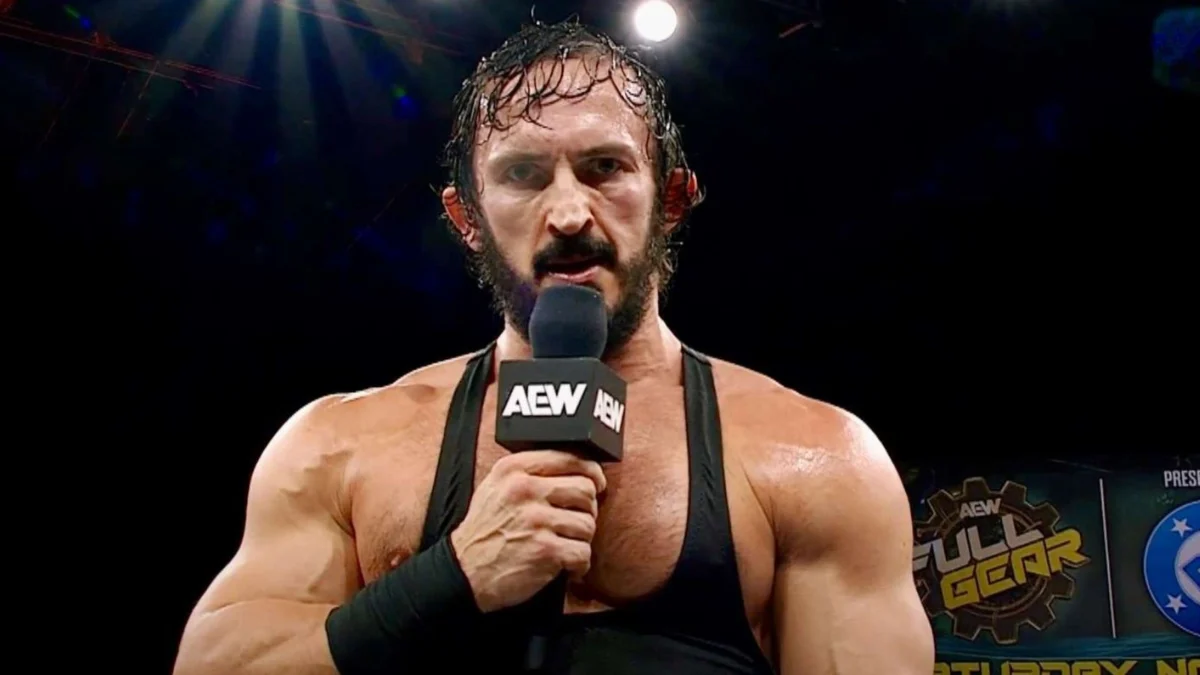
This shift has created a stark ideological divide between two of the United Kingdom’s most influential League of Legends figures. Marc "Caedrel" Lamont, the renowned caster and analyst, has been vocal in his disdain for the "mage bot lane epidemic," expressing a fervent desire to see the trend curtailed before the global stage of the World Championship. Conversely, Andrew "Vedius" Day, during a recent appearance on the Mind The Gap podcast, offered a pragmatic counter-perspective. Day argued that the bot lane role is currently undergoing a healthy evolution, suggesting that meta diversity is a sign of a robust game state rather than a failure of design.
The Chronology of the Mage Surge
The rise of the "bot lane mage" was not an overnight occurrence, but rather a slow-creeping phenomenon that accelerated during the transition to the MSI patch cycle. While marksmen remain the standard, the last few weeks have seen an uptick in non-traditional picks appearing in professional drafts, often facilitated by the strategic flexibility of the "Fearless Draft" format.
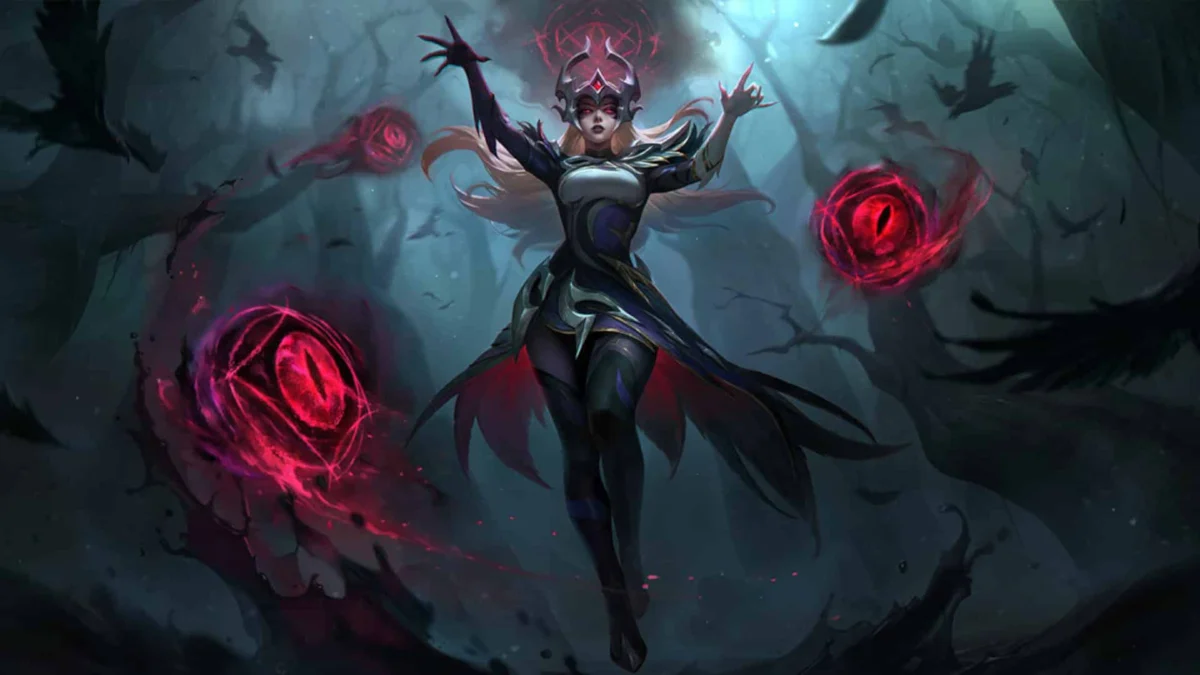
Historically, the bot lane was synonymous with high-DPS, physical-damage-dealing ranged carries. However, the current patch cycle (26.14) has exacerbated a trend where teams are finding more success—or at least more strategic utility—by deploying mages such as Syndra, Vel’Koz, and Seraphine.
Riot Games has been monitoring this shift closely. In a move that signaled the developer’s awareness of the community’s frustration, the balance team intentionally pulled back planned buffs for Brand in the 26.14 notes. Matt "Phroxzon" Leung-Harrison, the Lead Gameplay Designer for League of Legends, acknowledged the controversy, noting that while marksmen still dominate the pro meta at a 4:1 ratio, the "mage bot" discourse has become a focal point of internal and external discussion.
Supporting Data: Solo Queue vs. Professional Play
The "mage epidemic" is perceived differently depending on whether one looks at professional play or the standard "Solo Queue" environment. According to data aggregators like U.GG, mage bot laners consistently boast the highest win rates across Emerald-tier and above ranked games. This statistical dominance in the general population provides fuel to the argument that mages are currently overtuned in the duo-lane environment.
Conversely, the professional scene presents a different narrative. Phroxzon’s data confirms that marksmen still occupy the overwhelming majority of bot lane spots in high-level competitive play. This creates a fascinating paradox: while professional teams often rely on traditional ADC picks for consistent tower-taking and objective control, the average player finds mages to be more efficient, less reliant on peeling, and more oppressive in the early-to-mid game.
The shift is further supported by the "gold efficiency" factor. Mages are designed to spike hard with item purchases. When placed in a duo lane where they benefit from consistent gold income without the constant pressure of a mid-lane assassin matchup, these champions can reach their "power fantasy" much earlier than their counterparts in the mid lane.
Why the Meta is Shifting: The "Perfect Storm"
The emergence of mages in the bot lane is not merely a product of champion strength; it is a byproduct of shifting archetypes across the entire map.
1. Top Lane Diversification
The top lane has seen an influx of utility-heavy and ADC-style picks. Champions like Vayne and Varus, utilized as tank-shredders, have become staples. When a team picks an ADC in the top lane, the physical damage profile of the team becomes heavily skewed. Consequently, drafting a mage in the bot lane is no longer a "niche" strategy—it is a logical necessity to ensure a balanced damage profile, preventing the enemy team from simply stacking armor to neutralize the threat.
2. The Jungle Composition
Modern jungle staples like Naafiri and Graves deal significant physical damage. When combined with traditional bruisers like Wukong or Xin Zhao, a team’s physical damage output can become redundant. By introducing a mage into the bot lane, teams force opponents to invest in both Magic Resist and Armor, effectively "taxing" the enemy’s itemization strategy.
3. Support Synergy
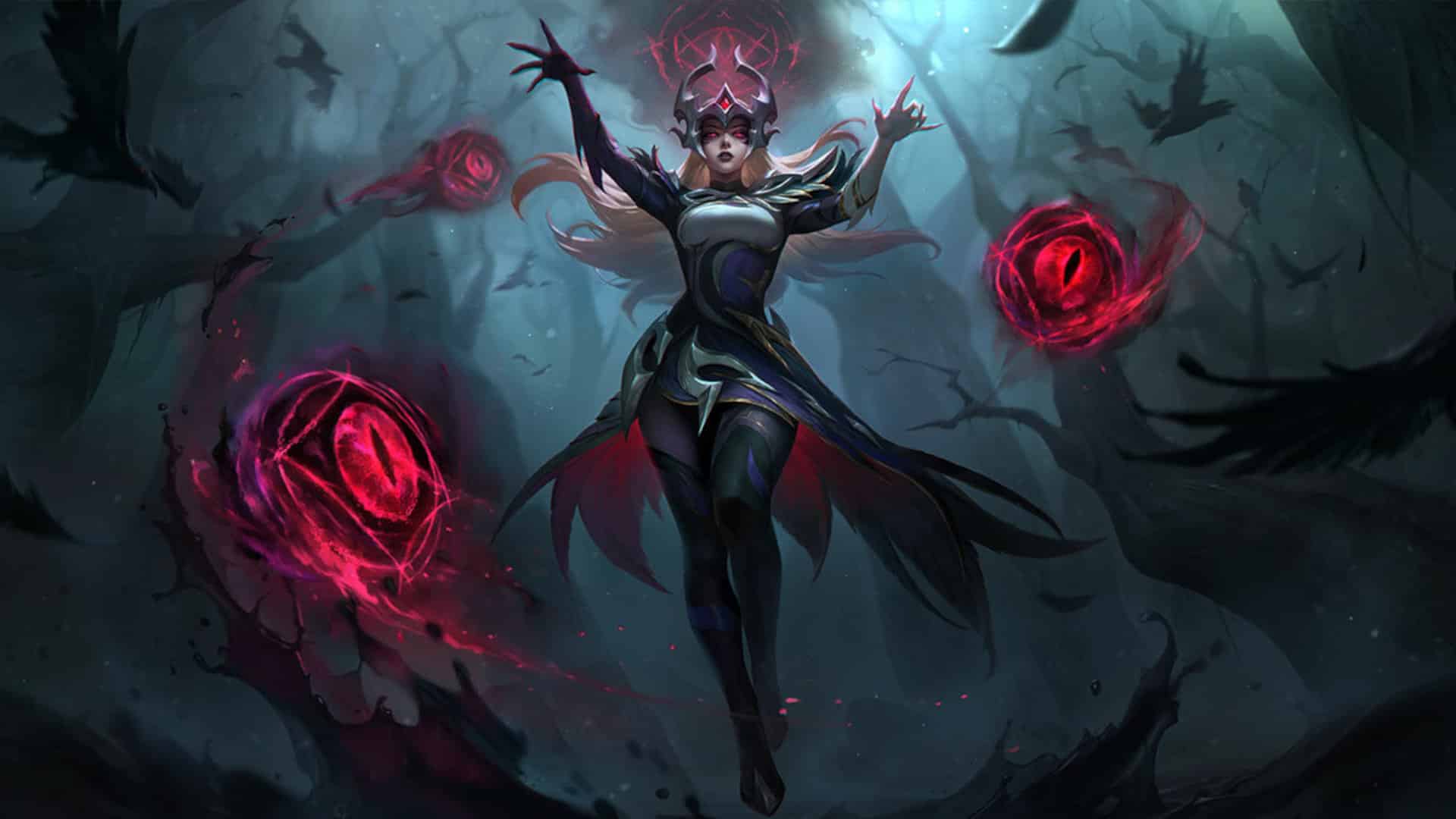
The support meta has transitioned away from pure enchanters toward tanky, engage-heavy champions. These support archetypes excel at locking down targets, creating the perfect environment for high-impact skill-shot mages to thrive. A mage like Vel’Koz or Syndra, supported by a heavy-CC tank like Leona or Nautilus, can dismantle an opposing lane with far more consistency than a marksman who relies on sustained auto-attack trading.
Official Responses and Developer Strategy
Riot Games finds itself in a precarious position. The goal of the design team is to maintain a "healthy" meta, which typically implies diversity, but they must balance this against the "identity" of the bot lane.
Phroxzon’s decision to withhold buffs for Brand in patch 26.14 was a direct response to community sentiment. By signaling that they are listening to the "mage bot" complaints, Riot is attempting to walk a tightrope: avoiding a situation where marksmen are completely pushed out of the game, while simultaneously acknowledging that players enjoy the tactical depth provided by a more diverse pool of champions.
The developer’s stance remains that the meta is a living organism. If mages are winning more often in solo queue, it is often because they offer a more reliable way to carry in a chaotic, uncoordinated environment compared to marksmen, who require significant team support and positioning.
Implications: A Permanent Shift or a Passing Phase?
The debate over the "mage bot lane" is not new. Critics point to the 2018 era, where champions like Heimerdinger, Ziggs, and Syndra dominated the bot lane, forcing the community to adapt. However, the current iteration feels different due to the systemic changes in itemization and the role of the support class.
The Argument for Adaptation
Proponents of the current meta, including Vedius, argue that the bot lane has been "stagnant" for too long. By allowing mages to compete, the game introduces new win conditions. Teams must now draft with more foresight, considering the overall damage profile of their composition rather than defaulting to the standard marksman pick. This evolution forces professional players to widen their champion pools, potentially raising the skill ceiling of the competitive scene.
The Argument for Tradition
Conversely, those in the camp of Caedrel argue that the marksman is the fundamental identity of the bot lane. For these players, the "mage epidemic" feels like an encroachment that diminishes the unique, high-skill mechanics associated with kiting and positioning—traits that define the ADC role. They fear that if the trend continues, the unique strategic identity of the bot lane will be eroded entirely.
Conclusion: The Verdict of the Rift
As we look toward the World Championship, the question remains: is the dominance of mages a sign of a "broken" meta or a sign of progress?
The reality is likely somewhere in the middle. The game is undoubtedly becoming more complex, and players—both professional and amateur—are being forced to adapt to a world where the bot lane is no longer a one-class role. Whether the meta shifts back to marksmen through natural counter-play or requires a heavy-handed intervention from Riot remains to be seen.
One thing is certain: the debate is far from over. As MSI continues to provide data, the conversation between those who cherish tradition and those who embrace innovation will continue to shape the future of League of Legends. For now, the Rift remains a place of experimentation, and for the bold, it remains a place where a well-timed mage rotation can secure the win.
What is your take on the current state of the bot lane? Should Riot intervene, or is this the diversity the game has been starving for? Join the conversation on our social channels.