

By Editorial Staff
July 9, 2026
For decades, the global perception of the Godzilla franchise was trapped behind the glass of a "B-movie" exhibition. To Western audiences, particularly those raised on the poorly dubbed imports of the mid-20th century, the King of the Monsters was synonymous with rubber suits, miniature cityscapes, and mindless Saturday-morning destruction. However, this dismissive lens ignored the foundational DNA of the character: a terrifying, fire-breathing manifestation of humanity’s most catastrophic technological hubris.
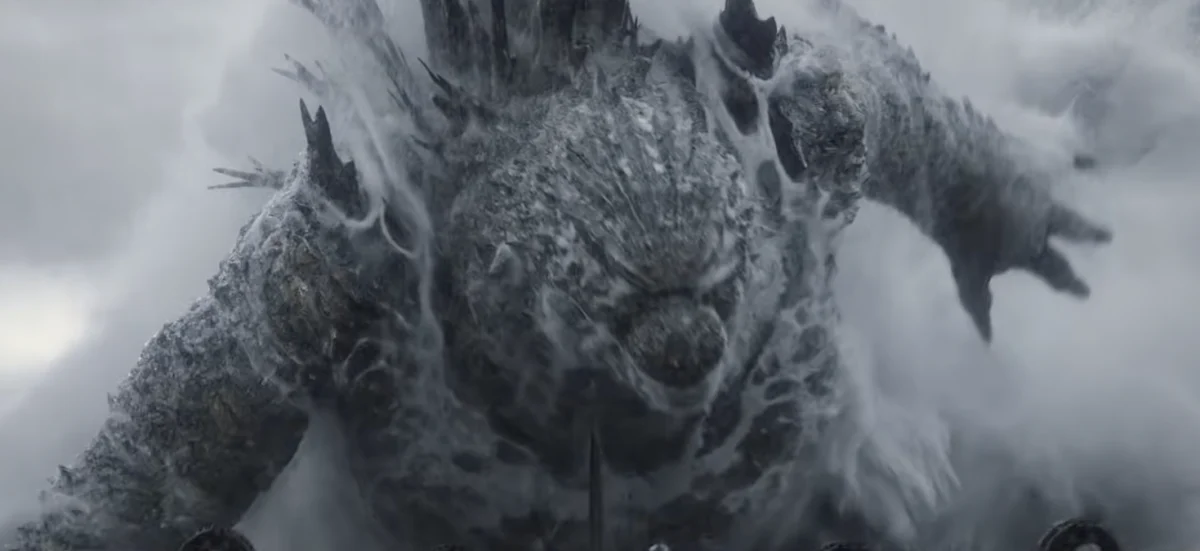
With the release of the first teaser for Godzilla Minus Zero, the sequel to the critically acclaimed Godzilla Minus One, it has become abundantly clear that the era of "playtime" is officially over. The upcoming film, slated for a November 6, 2026 release, signals a return to the franchise’s most uncomfortable question: How does a civilization survive in a world defined by the existential threat of atomic weaponry?
The Anatomy of the Teaser: A Return to Zero
The teaser for Godzilla Minus Zero is deceptively brief but carries the weight of a manifesto. It reunites us with the protagonists of the previous installment, Kōichi Shikishima (Ryunosuke Kamiki) and Kenji Noda (Hidetaka Yoshioka). The footage centers on a harrowing ideological clash between the two men, framed by the grim reality of their historical context.
As they argue over the morality of using atomic force, the screen flickers with the stark, haunting text: "Our Crime and Punishment. Returning to Zero Is Not an Option."
The footage concludes with the familiar, bone-chilling roar of Godzilla—a sound that has evolved from a simple creature effect into a siren of national and global trauma. The implications are clear: the monster is not merely a physical adversary to be defeated, but a recurring consequence of humanity’s failure to learn from its own "crimes."
A Chronology of Destruction: From 1954 to the Present
To understand the gravity of Godzilla Minus Zero, one must trace the evolution of the kaiju as a cinematic metaphor.
- 1954: The Original Warning. Ishirō Honda’s Godzilla (Gojira) was a direct, raw response to the bombings of Hiroshima and Nagasaki. It was a film about the lingering, radioactive ghost of the war.
- 1985: The Cold War Lens. Godzilla 1985 attempted to modernize the threat, shifting the focus toward the escalating tensions of the Cold War and the specter of nuclear proliferation.
- 2016: The Bureaucratic Failure. Hideaki Anno’s Shin Godzilla pivoted from the atomic bomb to the Fukushima Daiichi nuclear disaster. Here, the monster was a force of nature, but the real villain was the paralyzed, red-tape-heavy bureaucracy that failed to protect the populace.
- 2023: The Moral Reckoning. Takashi Yamazaki’s Godzilla Minus One reframed the narrative. Instead of focusing solely on the American trigger, it turned the camera inward to examine Japan’s own wartime failures, particularly the dehumanizing practice of kamikaze warfare.
- 2026: The Cycle of Hubris. Godzilla Minus Zero appears to be the culmination of this thematic evolution, focusing on the paradoxical human urge to use the very weapons that birthed the monster to destroy it.
The Philosophical Implications: Can Humanity Choose Life?
At the heart of Godzilla Minus One was a poignant, life-affirming shift: Kōichi’s decision to choose life over his indoctrinated duty to die for his country. Godzilla Minus Zero threatens to dismantle that hard-won peace.
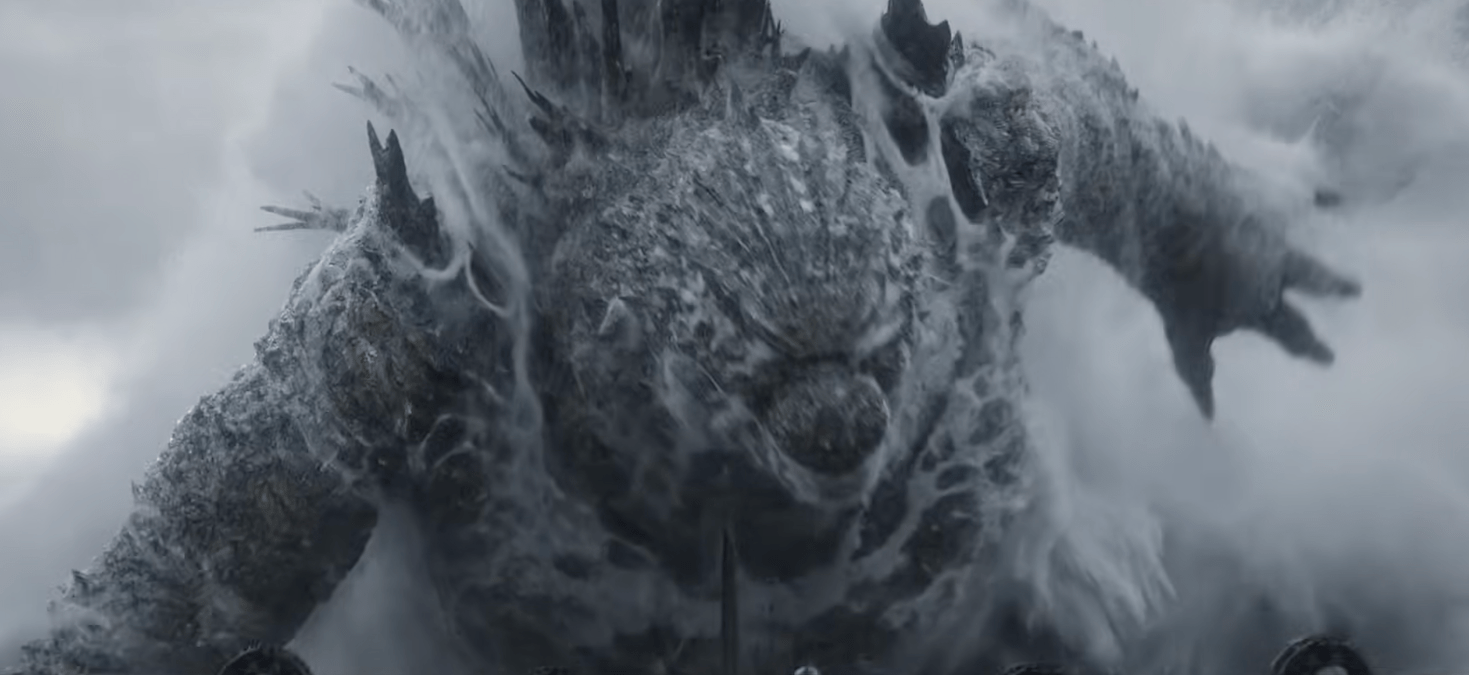
The teaser suggests a harrowing dilemma: as the monster returns, Japan finds itself considering the use of atomic weaponry once again. This creates a circular trap of logic—a "feedback loop of destruction"—where the cure is indistinguishable from the disease. Director Takashi Yamazaki, who is returning for this installment, has spent his recent filmography interrogating the ethics of power. By forcing characters to contemplate the "nuclear option," the film explores whether trauma is a cycle that can be broken, or if human nature is destined to repeat the same catastrophic errors under the guise of "self-defense."
Supporting Data: Why This Matters Now
The cultural resonance of the Godzilla franchise is not incidental; it is tied to real-world anxieties. According to recent surveys regarding international security, public concern over nuclear proliferation has reached its highest point since the late 1980s.
- The "Oppenheimer" Effect: The recent mainstream success of films like Oppenheimer has primed global audiences for more somber, reflective narratives regarding the Atomic Age.
- The "Yamazaki" Factor: Director Takashi Yamazaki has proven that a monster movie can achieve critical prestige by grounding high-concept sci-fi in intimate, human-scale tragedy. Godzilla Minus One proved that domestic audiences (and global ones) are hungry for "prestige kaiju" films that prioritize character development alongside spectacle.
- The Global Box Office: The financial success of the previous film confirms that the audience for thoughtful, high-budget Japanese cinema is expanding rapidly. Godzilla Minus Zero is expected to be one of the most successful international releases of 2026, driven by a marketing campaign that emphasizes themes of moral responsibility rather than just "monster fights."
Official Responses and Production Notes
While Toho has kept the finer details of the plot under wraps, the production team has been vocal about the film’s tonal direction. In a statement released alongside the teaser, a spokesperson for Toho emphasized that the studio views the franchise as a "living document of human history."
"Takashi Yamazaki does not let America off the hook," industry analysts note, "but he is increasingly interested in the concept of national accountability." The early scenes of the previous film, which tied the birth of the monster directly to U.S. nuclear testing at Bikini Atoll, provided the geopolitical context. Godzilla Minus Zero seeks to build upon that foundation by asking whether humanity, having been given a second chance, has the moral fortitude to avoid repeating the "crime" of its own destruction.
Conclusion: A New Path for the King?
The core conflict of Godzilla Minus Zero rests on a binary choice: will the characters succumb to their fear and become monsters themselves, or will they find a way to break the cycle?
As we approach the November 6, 2026, release, the anticipation is not merely for the spectacle of a giant lizard destroying a city. It is an anticipation of a narrative that dares to challenge the audience. By returning to the horror of atomic weaponry, Godzilla Minus Zero is poised to do more than just entertain; it is poised to interrogate the very nature of human survival in the 21st century.
As the film suggests, "Returning to zero is not an option." We cannot un-invent the bomb, and we cannot erase the history of the destruction it has wrought. Perhaps, as Kōichi and Kenji face their ultimate test, the answer lies not in how to kill the monster, but in how we choose to live alongside the consequences of our own creation.










