Basiran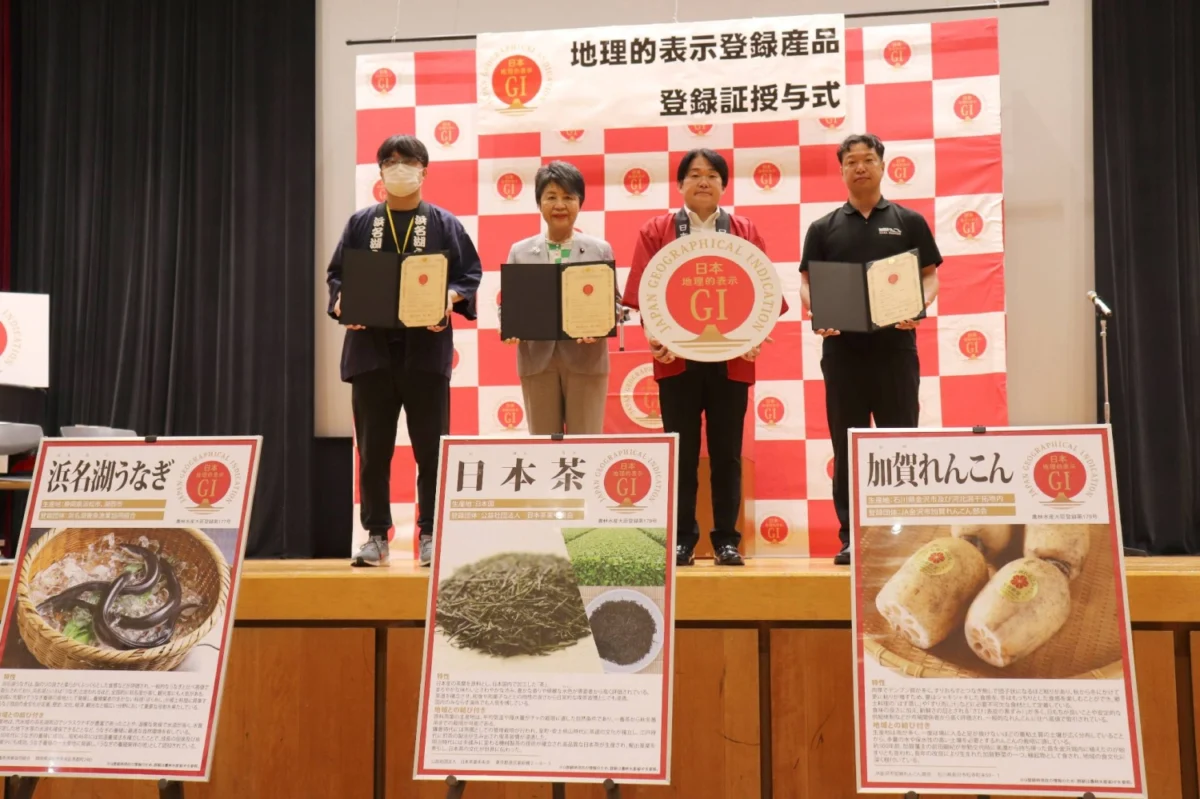
In a landmark move designed to fortify the global standing of one of the nation’s most iconic cultural exports, the Japanese Ministry of Agriculture, Forestry and Fisheries (MAFF) announced on Friday the formal registration of "Japanese tea" under its Geographical Indication (GI) protection system. This decision marks a significant shift in how Japan manages its intellectual property, moving away from regional specificity to encompass the collective excellence of tea production across the entire archipelago.
The move comes at a critical juncture. As global demand for matcha and premium green tea continues to surge, the market has become increasingly saturated with imitation products that mimic the branding and aesthetic of authentic Japanese goods without adhering to the rigorous production standards maintained by Japanese farmers. By securing GI status, the government aims to provide consumers worldwide with a clear, verifiable mark of authenticity while shielding domestic producers from the dilution of their market share.
The GI System: A Mechanism for Global Quality Assurance
The Geographical Indication (GI) system is a form of intellectual property protection that identifies a product as originating in a specific territory, where a given quality, reputation, or other characteristic of the product is essentially attributable to its geographical origin. Historically, Japan’s GI system has focused on localized specialties—such as Kobe beef or Yubari melons—to promote regional revitalization.
However, the inclusion of "Japanese tea" as a nationwide designation represents a structural evolution in this policy. It is only the second item in the history of the ministry’s GI program to be eligible for protection regardless of specific production areas, following the precedent set by Japanese sake, which falls under the regulatory purview of the National Tax Agency.
Defining "Japanese Tea"
To qualify for this newly minted GI status, products must meet stringent criteria regarding cultivation, processing, and quality control. The registration ensures that the term "Japanese tea" cannot be misappropriated by international competitors who might use the nomenclature to sell lower-quality teas that have not been processed according to traditional Japanese methods. This is particularly vital in the context of the global matcha boom, where the distinction between high-grade, stone-ground green tea and mass-produced, chemically treated substitutes is often lost on the average consumer.
A Chronology of Strategic Intellectual Property Protection
The journey toward this national registration has been characterized by years of rising trade tensions and a concerted effort to codify "Brand Japan."
- Early 2010s: The MAFF began exploring more robust methods to protect agricultural IP as part of the "Cool Japan" initiative, aiming to boost exports of food and beverage products.
- 2015: The GI protection system for agricultural and forestry products was formally launched, setting the stage for the registration of regional specialties.
- 2020-2023: As green tea exports saw exponential growth, reports of imitation matcha products flooding North American and European markets prompted industry leaders to lobby the government for broader, nationwide protection.
- Late 2024: The Ministry initiated a comprehensive review of the "Japanese tea" branding, assessing the feasibility of a national-level GI, noting the success of the sake industry’s regulatory model.
- February 2025: The final application was processed and vetted, culminating in the official registration announced this past Friday.
Supporting Data: The Economic Engine of Green Tea
The economic necessity of this move is underscored by the explosive growth in export figures. In 2025, green tea exports reached a valuation of approximately ¥72.1 billion. This growth is not merely a statistical anomaly but a reflection of the global shift toward health-conscious consumption and the mainstreaming of Japanese culinary traditions.
Market Dynamics
The tea sector is a primary pillar of the broader Japanese agricultural export strategy. While domestic consumption remains stable, the export market serves as a critical growth engine. The "Japanese tea" GI registration is expected to:
- Enhance Price Premiums: By clearly differentiating authentic Japanese tea from competitors, producers can command higher prices in international markets.
- Mitigate Infringement: The legal weight of the GI status allows the Japanese government to take collective action against trademark infringement in foreign jurisdictions where Japan has existing intellectual property treaties.
- Standardize Quality: It encourages producers in lesser-known prefectures to align with national quality benchmarks to gain the "Japanese tea" certification, thereby raising the industry’s collective bar.
Official Responses and Ministerial Vision
Agriculture Minister Norikazu Suzuki addressed the press on Friday, emphasizing that the registration is more than a legal formality—it is a strategic investment in the future of the nation’s agrarian economy.
"We believe that the formal registration of ‘Japanese tea’ under the GI system will give an additional, much-needed push to the strong export trajectory of our tea industry," Minister Suzuki stated. "As our agricultural products gain global recognition, we must ensure that the trust consumers place in the ‘Made in Japan’ label remains ironclad. This GI registration is a shield for our farmers and a promise of quality to our global partners."
The Minister also noted that the ministry is currently working with trade representatives in major markets like the United States, the European Union, and Southeast Asia to ensure that the "Japanese tea" GI status is recognized and respected in local retail sectors.
Expanding the GI Portfolio: Beyond Tea
The ministry’s announcement on Friday was not limited to tea. In a bid to diversify the protection of regional specialties, the MAFF also granted GI status to two other distinct products:
- Hamanako Unagi: These eels, farmed in the nutrient-rich waters surrounding Lake Hamana in Shizuoka Prefecture, have long been prized for their texture and flavor. By securing GI status, Hamanako unagi producers can now protect their specific farming techniques—which have been refined over generations—from being imitated by lower-cost, mass-produced eels.
- Kaga Renkon: Produced in the Ishikawa Prefecture, these lotus roots are known for their distinct crunch and sweetness. The registration of Kaga renkon is part of a wider effort to preserve traditional agricultural methods that are increasingly threatened by industrial farming.
These additions bring the total number of Japanese agricultural, forestry, and fishery products covered by the GI system—excluding alcoholic beverages—to 170.
Implications for the Global Market
The shift to register "Japanese tea" as a nationwide GI is a bellwether for how nations will protect their cultural heritage in an era of globalization. As the lines between national identity and commercial branding continue to blur, the protection of culinary heritage becomes an essential diplomatic and economic function.
A Template for Future Protection
Other industries in Japan, including traditional crafts and regional artisanal textiles, are now watching the tea sector closely. The success of the "Japanese tea" and "Japanese sake" models suggests that for products with universal appeal, national-level GI status may be the most effective way to safeguard market integrity.
Challenges Ahead
While the registration is a major victory, it is not a panacea. Enforcement remains the primary challenge. The ministry must now dedicate resources to monitor international e-commerce platforms and retail outlets to identify and challenge products that falsely claim to be "Japanese tea." Furthermore, there is the potential for domestic friction if smaller producers feel the standards required for the GI status are too costly or burdensome to implement.
Conclusion
The registration of "Japanese tea" under the Geographical Indication system is a sophisticated move that reflects Japan’s maturity in managing its intellectual property. By moving beyond the regional model and embracing a national identity for its tea, Japan is positioning itself to lead the global green tea market with authority.
As the industry looks toward the coming decade, this protective umbrella will be essential. It provides a legal, economic, and cultural foundation upon which the future of Japanese agriculture can be built—ensuring that the heritage of the tea leaf is preserved, the livelihood of the farmer is supported, and the consumer is guaranteed the authentic experience that only the terroir of Japan can provide. With 170 products now under the GI umbrella, Japan has successfully woven a safety net for its traditional industries, proving that in the modern global economy, authenticity is the most valuable commodity of all.


 Neng Nana
 Asro
Asro