The gaming industry is currently grappling with a period of profound instability, and nowhere is this more evident than within the halls of Microsoft’s gaming division. Following a massive restructuring effort that resulted in the termination of 1,600 employees this week alone, the workforce—specifically those represented by labor unions—has begun to push back.
At the center of this firestorm is OneBGS, the Bethesda Game Studios union affiliated with the Communications Workers of America (CWA). Representing the creative minds behind pillars of the industry such as Fallout, Starfield, and The Elder Scrolls, the union has launched a coordinated protest campaign across four major studio locations. As the company navigates what leadership terms a “necessary reset,” the friction between corporate austerity and labor protections has reached a breaking point.
The Core Conflict: A Structural Reset
The layoffs are the latest manifestation of a broader, aggressive strategy initiated by Xbox leadership. CEO Asha Sharma has publicly characterized these moves as a "reset" intended to correct a period of over-expansion. According to the company, the gaming division had become spread too thin, and to maintain a "healthy business" model in an increasingly volatile market, the company is prioritizing fiscal consolidation over headcount retention.
However, the unionized workforce views these cuts through a different lens. Rather than a purely strategic realignment, labor representatives argue that these layoffs represent a devaluation of the human capital that built the Xbox brand into a global powerhouse. The dispute has highlighted a widening chasm between executive-level business objectives and the operational realities of game development.
Chronology of the Discontent
The roots of the current tension stretch back to the initial labor organization efforts within Microsoft. When Microsoft embarked on an ambitious growth strategy, it entered into neutrality agreements with the CWA, promising to respect the right of employees to organize. This agreement was hailed by many as a landmark moment for the video game industry, which has historically been resistant to collective bargaining.
- The Agreement: Microsoft and the CWA established a framework for neutrality, ensuring that employees could form unions without corporate interference.
- The Bargaining Table: Following the successful formation of OneBGS, negotiations for a comprehensive union contract began. However, the process quickly hit a wall.
- The Layoff Announcement: Earlier this week, Microsoft confirmed the departure of 1,600 employees, impacting several internal studios.
- The Mobilization: Within hours of the announcement, OneBGS members began organizing protests outside studios in Montreal, Rockville, Austin, and Dallas.
- Digital Activism: The union turned to social media platforms like BlueSky to mobilize community support, directing fans to Microsoft’s official feedback portal to voice their opposition.
Union Leadership Weighs In: A Breach of Faith
CWA President Claude Cummings Jr. issued a blistering critique of Microsoft’s recent actions. In a statement, Cummings emphasized that the company’s behavior has undermined the very foundation of the partnership they allegedly entered into.
“When Microsoft sought to grow its video game division, corporate executives made an agreement with video game workers and their union to respect their right to organize for a new day for workers across Microsoft’s video game studios,” Cummings stated. “Although our union signed neutrality agreements with Microsoft, we have been extremely disappointed by a company that has slow-walked our members at the bargaining table, making CWA members wait for the protections of a union contract.”
Cummings further warned that the company’s decision to treat its staff as "expendable" has ignited a wider solidarity movement. He noted that this is no longer merely a local dispute within the Bethesda studios; it has become a rallying point for the hundreds of thousands of members across the CWA, signaling that Microsoft faces a unified front that extends far beyond the gaming sector.
The Impact on Production: The Loss of Institutional Knowledge
One of the most alarming aspects of the layoffs, according to the union, is the nature of the positions being eliminated. Contrary to the narrative of streamlining "management layers," the union claims the reality on the ground is far more damaging.
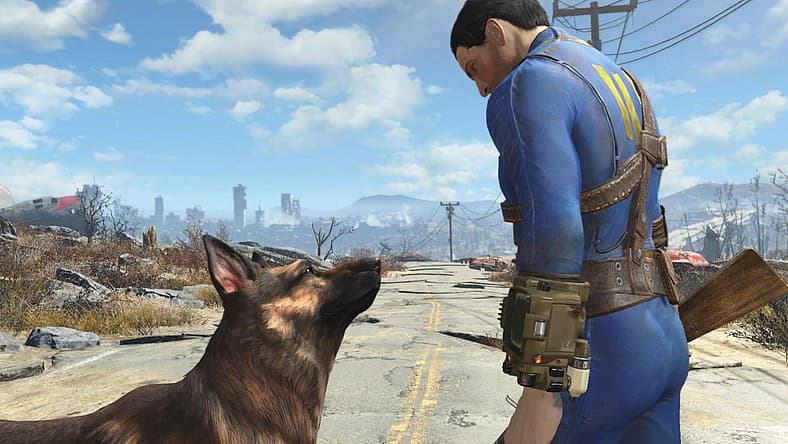
OneBGS reported on social media that the layoffs claimed the positions of dozens of programmers, artists, designers, and testers—many of whom have served at Bethesda Game Studios for decades. This loss of institutional knowledge is particularly concerning for the gaming community. These are the individuals who possess the technical expertise and creative continuity required to maintain the quality of massive, long-term projects like The Elder Scrolls VI and future iterations of Fallout.
By gutting these departments, the union argues, Microsoft is not merely "trimming the fat"; it is potentially compromising the creative integrity and future output of some of the most successful franchises in gaming history.
Mobilizing the Player Base
In an unprecedented move, the union is appealing directly to the gaming public. Recognizing that Microsoft is sensitive to consumer sentiment, OneBGS is leveraging the "Xbox Player Voice" feedback platform to apply pressure.
The union-led initiative directs fans to a specific feedback entry titled: "End studio closures and stop the cycle of layoffs." By funneling community frustration into official corporate channels, the union hopes to make the cost of these layoffs—measured in brand loyalty and public relations—tangible for the Microsoft executives in charge of the restructuring.
This move represents a tactical evolution in labor organizing within the tech sector. By aligning the interests of the developers with the interests of the players, the union is transforming a private employment dispute into a public-facing campaign.
The Broader Implications: A Crossroads for the Industry
The situation at Microsoft is a bellwether for the entire video game industry. As major publishers struggle to reconcile the massive budgets of "AAA" game development with fluctuating market trends and shareholder demands, the temptation to cut staff has become the industry’s default response.
However, the resistance from OneBGS suggests that the era of passive workforce acceptance is ending. The implications of this conflict are twofold:
- The Efficacy of Neutrality Agreements: The breakdown of trust between Microsoft and the CWA calls into question whether corporate neutrality agreements hold any real weight when faced with market pressure. If a company can simply "slow-walk" negotiations while simultaneously reducing the workforce, the promise of organized labor in the tech sector may be rendered toothless.
- The Future of "Crunch" and Quality: If long-term employees are the first to be sacrificed, the industry may see a sharp decline in the quality and stability of its output. The "brain drain" caused by these layoffs could lead to longer development cycles, bug-ridden launches, and a loss of the unique "soul" that veteran developers bring to their projects.
Conclusion: What Lies Ahead
The protests outside the Bethesda studios serve as a visible manifestation of a deeper, systemic crisis. While Microsoft’s leadership maintains that these changes are necessary to secure the company’s future, the workers who build that future are signaling that they will not be sidelined in the process.
As the CWA continues to advocate for its members and the gaming community increasingly joins the chorus of dissent, Microsoft finds itself in a precarious position. The company must now decide whether to persist with its aggressive restructuring at the cost of its labor relations and potential public backlash, or to return to the bargaining table with a genuine commitment to the workers who have made the Xbox division a global leader in entertainment.
The outcome of this confrontation will likely set a precedent for labor rights in the gaming industry for years to come. For now, the message from the picket lines is clear: the people behind the screen are just as vital as the games themselves, and they are prepared to fight for their place in the industry’s future.