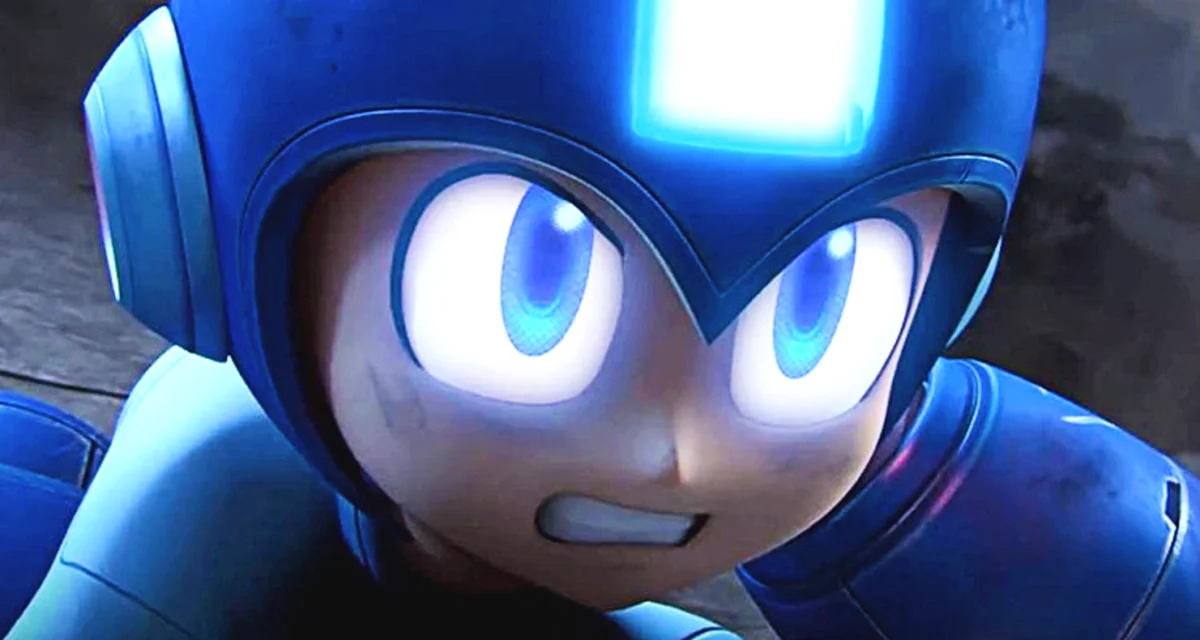
For decades, the “video game movie curse” loomed over Hollywood like a dark cloud, turning beloved digital icons into critical and commercial failures. However, the last few years have marked a renaissance for the genre. From the runaway success of The Super Mario Bros. Movie to the high-octane thrills of the Sonic the Hedgehog franchise and the critical acclaim surrounding The Last of Us and Fallout, the industry has finally cracked the code on adapting interactive experiences for the silver screen. Yet, amidst this golden age of adaptations, one of gaming’s most legendary heroes remains frozen in stasis: Mega Man.
Despite the pedigree of the talent initially attached to the project and a robust production framework, the live-action Mega Man film—a collaborative effort between Capcom, Chernin Entertainment, and 20th Century Studios—has effectively stalled, leaving fans and industry analysts alike to wonder if the Blue Bomber will ever make his debut in live-action.
The Chronology of a Stalled Project
The journey of the Mega Man film began with immense promise during the early days of the global pandemic. In an era where digital entertainment saw a meteoric rise, news that a live-action adaptation was in the works spread with the fervor of a speed-run record attempt.
The project gained significant credibility when Mattson Tomlin—the screenwriter best known for his work on Matt Reeves’ The Batman—was tapped to helm the script. For a time, the project seemed to be operating with full power. It boasted a high-profile production team, including directors Henry Joost and Ariel Schulman, who were known for their work on the Netflix hit Project Power. The involvement of Netflix as a prospective distribution hub further fueled speculation that the project was on the fast track.
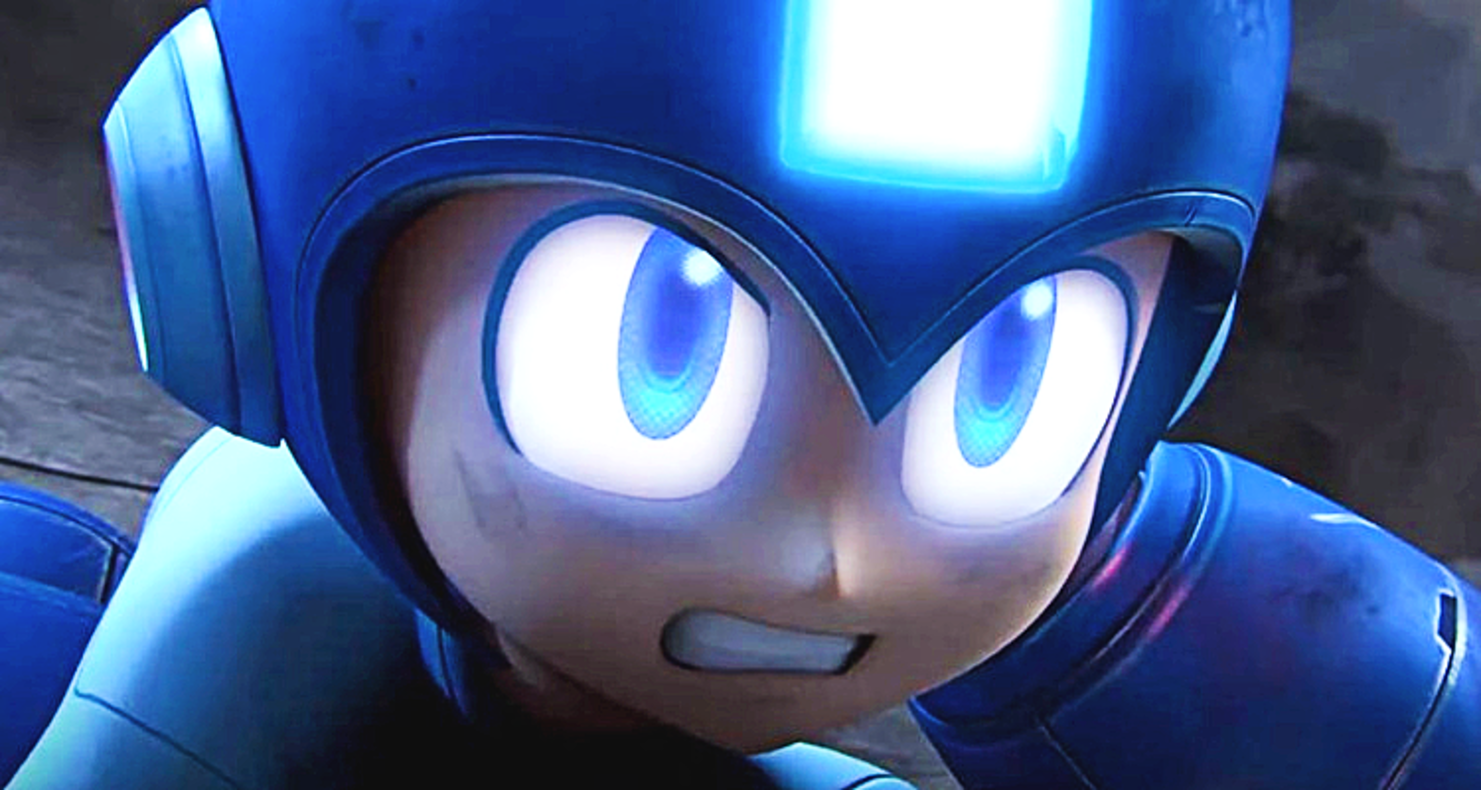
However, as the years passed, the high-energy momentum evaporated. What was once a headline-grabbing endeavor descended into a period of prolonged silence. For the better part of the last decade, updates were nonexistent, and stakeholders remained tight-lipped. It was only recently, following a period of persistent fan inquiry, that Tomlin provided a candid update on the film’s status, confirming the fears of many: the project is currently in a state of indefinite suspension, at least regarding his involvement.
Unpacking the Creative Vision: What Could Have Been
While the film appears to be in developmental limbo, the creative direction intended by its initial team offers a glimpse into why the project was once considered a priority. Reports from the height of the film’s development suggested that Tomlin aimed to ground the inherently colorful, cartoonish world of Mega Man in a more tactile, realistic setting.
The proposed narrative sought to explore the profound implications of advanced robotics, artificial intelligence, and the ethics of automation—themes that are arguably more relevant today than they were when the project was first conceived. By focusing on the weight of a machine tasked with saving humanity, the team hoped to offer an “emotional and surprising way in” to the material.
Tomlin noted that during his tenure, he produced “a fun set of drafts” that aimed to balance the source material’s iconic DNA with a grounded, cinematic approach. Despite his enthusiasm for the concept, Tomlin recently confirmed on X (formerly Twitter) that the project has since been handed off to an unidentified new writer. While he remains hopeful that the film will eventually reach fruition, his comments suggest that his own creative fingerprints are no longer part of the current trajectory.
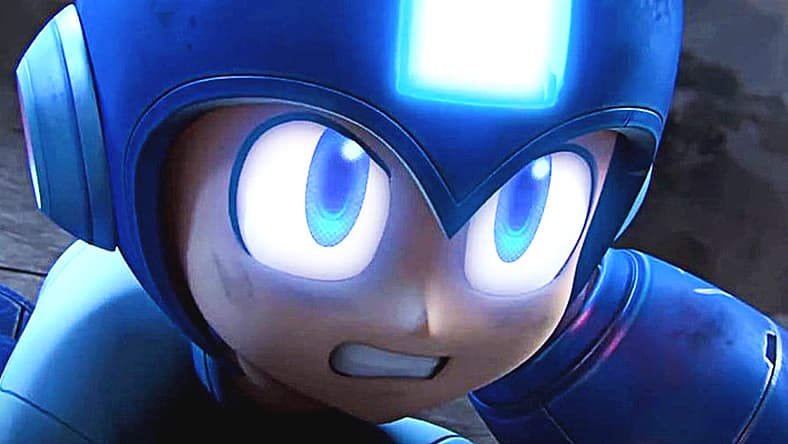
The Economic and Cultural Landscape: Why Now?
The stagnation of the Mega Man project is particularly perplexing when viewed against the current economic climate of Hollywood. The financial success of video game adaptations has become a consistent pillar of the box office.
- The Mario Phenomenon: Nintendo’s partnership with Illumination proved that gaming properties, when handled with reverence, can generate over $1 billion at the global box office.
- The Sonic Blueprint: Paramount’s Sonic the Hedgehog trilogy successfully transitioned a character once considered “impossible” to adapt into a multi-film franchise that appeals to both children and nostalgic adults.
- Genre Diversity: From the gritty, post-apocalyptic narrative of The Last of Us to the satirical, world-building approach of Fallout, audiences have demonstrated a sophisticated appetite for gaming stories across various genres.
Given this context, Mega Man should be an ideal candidate for adaptation. The property features a recognizable protagonist, a clear rogues’ gallery of "Robot Masters," and a world that can be interpreted as either a bright, retro-futuristic fantasy or a sleek, tech-focused thriller. That a project backed by major studios and established talent has failed to materialize suggests that the issue is not a lack of market viability, but rather a deeper internal friction regarding the creative direction of the property.
Official Responses and Industry Implications
Mattson Tomlin’s recent admissions serve as the most transparent, albeit disappointing, look at the project’s internal mechanics. By acknowledging that he is no longer attached and that the script has moved into new hands, he has effectively signaled a “reset” for the film.
From an industry perspective, the Mega Man case study highlights the precarious nature of “development hell.” Even with a script, a director, and a studio partnership, a project can be derailed by shifting executive priorities, changes in corporate strategy following mergers (such as the Disney acquisition of 20th Century Studios), or a simple lack of consensus on how to adapt a 35-year-old game mechanic into a coherent 120-minute narrative.
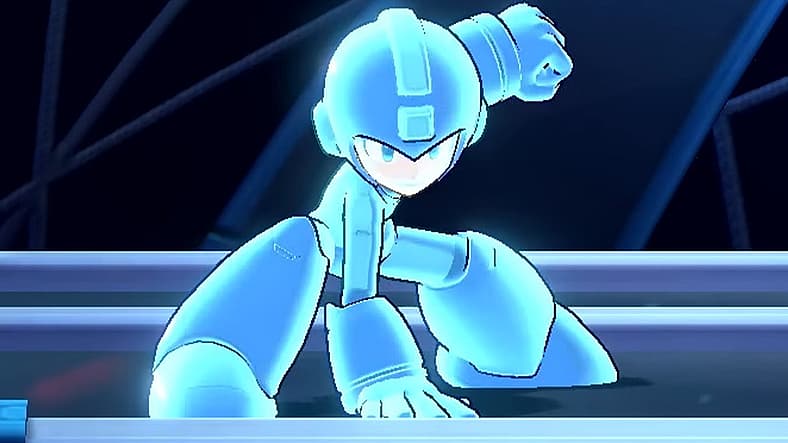
The implications for fans are clear: the “Mega Man” movie is not dead, but it is effectively back at square one. The “emotional and surprising” vision once championed by Tomlin may have been shelved in favor of a new creative approach, or the studio may be waiting for the right window to reintroduce the character to a modern audience.
The Path Forward: Can Mega Man Still Shine?
The longevity of the Mega Man franchise is a testament to its enduring appeal. Since his 1987 debut on the NES, the Blue Bomber has survived multiple console generations, spin-offs, and shifts in gaming trends. His design—iconic, simple, and heroic—remains a gold standard in character design.
For a live-action film to succeed, it must navigate the same hurdles that Sonic and Mario overcame: maintaining the charm of the source material while finding a narrative hook that resonates with a general audience. Whether the film adopts a "retro-synthwave" aesthetic or a gritty "cyberpunk" tone, the core identity of Mega Man—a machine choosing to protect humanity—is a universal narrative.
As it stands, the community remains in a position of "wait and see." While the project is undoubtedly in a period of transition, the current climate for video game adaptations is more favorable than ever. If Hollywood can successfully adapt properties as niche as Fallout or as complex as The Last of Us, a story about a young robot fighting for the future should, in theory, be well within reach.
For now, the Blue Bomber remains on the shelf. But as history has shown in both gaming and cinema, even the most dormant franchises can be brought back to life with the right spark of creative energy. Until then, fans will continue to look toward the horizon, hoping that the next update isn’t another decade away, but a sign that the Mega Man movie is finally ready to jump into action.