In a move that marks a significant shift in how users interact with the world’s largest video repository, YouTube has officially begun the rollout of "Ask YouTube"—its sophisticated, AI-driven search experience—to users across the United States. This development, confirmed by YouTube CEO Neal Mohan, signals the end of the platform’s reliance on simple keyword matching and moves toward a future where the search engine acts as a conversational partner, capable of understanding complex human intent.
The Paradigm Shift: Moving Beyond Keywords
For nearly two decades, searching for content on YouTube has been a linear, often frustrating exercise in trial and error. Users would input a string of keywords, receive a list of ranked videos, and then manually sift through them to determine which one actually addressed their query.
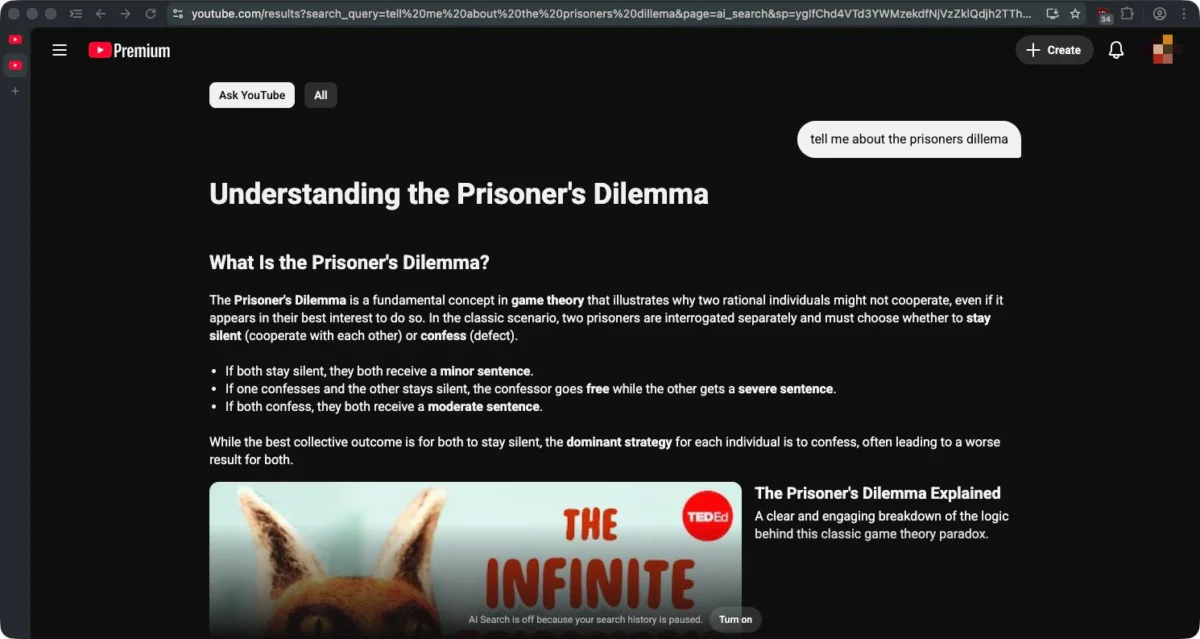
"Ask YouTube" fundamentally changes this dynamic. By leveraging advanced generative AI models, the platform now allows users to pose complete, nuanced questions. Whether a user is looking for a specific tutorial on teaching a child to ride a bike or seeking a curated list of "cozy" video games to play before bed, the AI processes the context of the request rather than just matching words in a database.
This transition transforms YouTube from a mere video library into an "answer engine." When a user submits a query, the system does not simply spit out a list of links. Instead, it generates a structured, synthetic response that synthesizes information from across the platform’s vast library—encompassing both long-form content and YouTube Shorts. The result is a multimedia briefing that includes written summaries, highlighted video segments with precise timestamps, and thematic groupings of relevant clips.

A Chronology of Development
The path to this rollout has been a carefully managed, multi-stage process:
- May 19, 2026: YouTube first introduced the experimental conversational search feature. At this stage, it was restricted to a select group of YouTube Premium members aged 18 and older in the United States, accessible via the platform’s "Experimental Features" hub.
- Google I/O 2026: During the annual developer conference, Google underscored its commitment to integrating Gemini-powered AI into its core services. This period saw the initial excitement regarding "Gemini Omni" integration, though many advanced search features remained gated behind a paywall.
- July 10, 2026: YouTube CEO Neal Mohan took to social media to announce the official, wider rollout of Ask YouTube on the web for users in the United States. This signaled a graduation from "experimental test" to a functional, platform-wide feature.
While the rollout has commenced, YouTube has not provided a comprehensive timeline for when this feature will arrive on mobile devices or expand to international markets. Currently, the experience is optimized for the web interface, reflecting the platform’s desire to refine the interface before subjecting it to the constraints of smaller, mobile screens.
The Anatomy of an AI-Powered Query
The technical superiority of Ask YouTube lies in its ability to handle "follow-up" logic. In traditional search, if a user’s first query is too broad, they must restart the process from scratch. With the new AI interface, the system maintains the state of the conversation.
How the Results are Presented
The interface is designed to reduce cognitive load. A typical response includes:

- A Written Overview: A concise summary generated by the AI that synthesizes the core answer to the user’s question.
- Featured Video: A primary recommendation that the AI identifies as the most comprehensive or authoritative answer.
- Timestamped Deep Dives: Rather than just showing the start of a video, the AI links directly to the relevant minute-mark, effectively "skipping" the filler content.
- Categorized Shorts: Short-form content is organized into subheadings, allowing users to consume quick tips or visual demonstrations if they prefer a less time-intensive format.
This structured approach solves the "needle in a haystack" problem. By organizing results into logical clusters, YouTube is essentially performing the role of an editor, curating content based on the specific intent of the viewer.
Official Responses and Strategic Vision
The leadership at YouTube has framed this rollout as a pivotal step in their mission to democratize learning and exploration. In his announcement, CEO Neal Mohan noted, "We’re looking forward to your feedback as we continue to build better ways to help people learn."
This sentiment is echoed by the broader Google ecosystem. As the company faces increasing pressure from competitors like TikTok—which has aggressively pursued search-based discovery—and the rising tide of AI-native search engines like Perplexity, YouTube must evolve. By embedding AI directly into its search bar, YouTube is leveraging its greatest asset: its incomparable volume of high-quality, long-form educational and instructional content.
Implications for the Ecosystem
The integration of AI search has profound implications for every stakeholder in the YouTube economy.

For Creators
The landscape for content creators is shifting. Traditionally, creators optimized their titles, thumbnails, and descriptions for SEO (Search Engine Optimization). With AI-driven discovery, the "discoverability" of a video may soon depend on how well a video’s content answers a specific, complex query. Creators who provide clear, high-value information—structured in a way that AI can easily parse—may find their content featured more frequently in these "AI-summarized" results. Conversely, content that relies purely on "clickbait" titles may find itself sidelined as AI prioritizes utility over intrigue.
For Advertisers
The shift also impacts the advertising model. If a user is getting an "answer" from an AI, how do ads fit into that journey? Google has already begun rolling out transparency labels to indicate whether content or ads were created with AI, suggesting that the platform is wary of the potential for misinformation. As search becomes more conversational, ad placement will likely move from "next to a video" to "within the conversational flow," presenting both a challenge and an opportunity for brands.
For the User
For the average viewer, this is a net positive. The friction between "having a question" and "getting an answer" is being stripped away. However, it also raises questions about the "filter bubble." If the AI is selecting the "best" video to answer a question, it is also effectively deciding which creators to elevate and which to suppress. The inherent bias in AI models becomes a concern when that model is the gatekeeper for information consumed by millions.
Navigating the Future: A Broader AI Context
The introduction of Ask YouTube does not exist in a vacuum. It is part of a larger, aggressive push by Alphabet to infuse AI across all its products.
Just as Google is enhancing its AI Studio to make web apps easier to deploy, and improving transparency in its advertising suite, the "Ask" feature represents a fundamental maturation of the user interface. We are moving away from the era of "browsing" and into the era of "consulting."
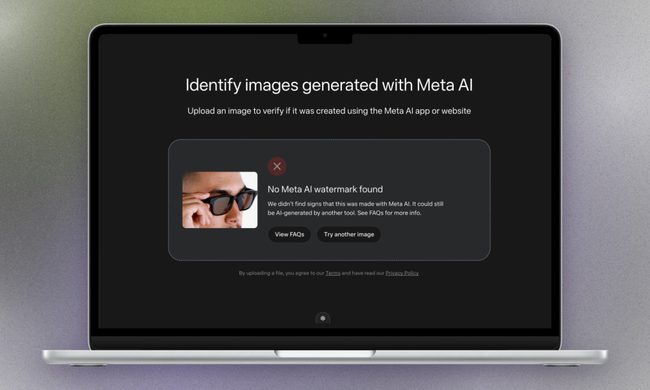
However, challenges remain. As noted in recent industry reporting, even the most advanced AI tools can struggle with basic identification tasks, as seen in the recent issues with Meta’s image detection tools. YouTube’s ability to correctly synthesize accurate, non-hallucinated information from its millions of videos will be the true test of the feature’s longevity.
Conclusion: The Path Forward
The rollout of Ask YouTube is more than just a software update; it is a declaration of intent. YouTube is betting that the future of the internet is not just about indexing links, but about synthesizing knowledge.
As the feature expands beyond the U.S. and eventually onto mobile, the real-world impact will be measured by how effectively it navigates the tension between automation and human curation. For now, the tool stands as a testament to the power of LLMs (Large Language Models) to transform mundane tasks—like finding a video—into meaningful, personalized interactions. Whether this leads to a more informed public or a more curated, controlled discovery process remains to be seen, but one thing is certain: the way we watch and learn on YouTube has been changed forever.