Introduction: Capturing the Ephemeral
In the sprawling, often chaotic tapestry of the contemporary urban environment, most citizens see only the "background"—the incidental wear and tear of a city that never stops moving. For Chicago-based artist and arts administrator Madeline Gallucci, however, these fleeting details—a haphazard patch of mismatched paint over a wall, the intricate web of scratches on a subway window, or the repetitive, cryptic geometry of a graffiti tag—are not merely blight. They are the essential syntax of modern existence.
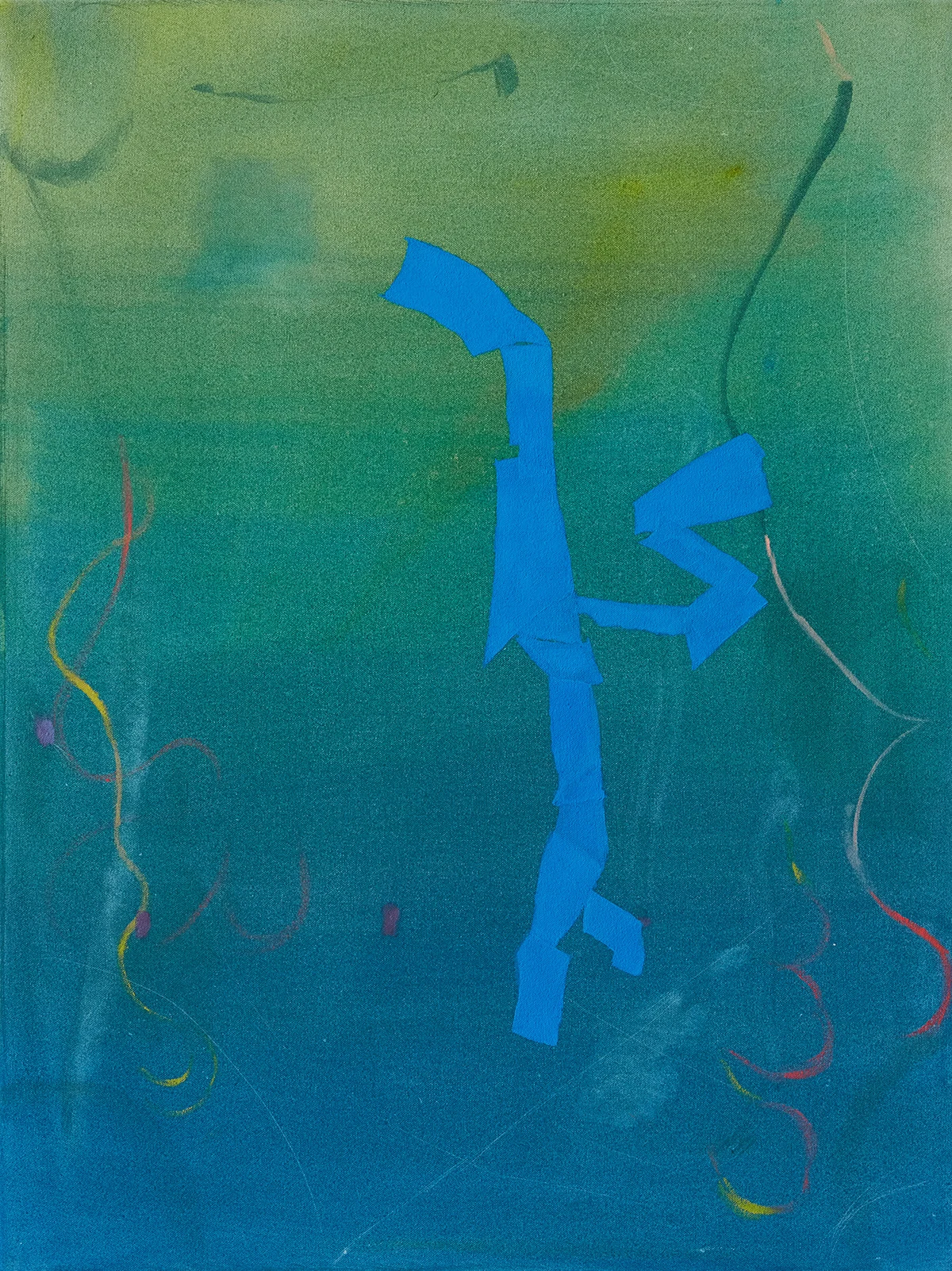
Gallucci’s work represents a sophisticated interrogation of the "provisional," turning the ephemeral detritus of city life into enduring, contemplative objects of art. By bridging the gap between realism and abstraction, her paintings invite the viewer to slow down and observe the textures of time and neglect that define our shared public spaces.
Chronology: A Trajectory of Observation
Madeline Gallucci’s academic and professional journey reflects a dedicated commitment to the formal study of art as a means of interpreting the physical world.
- 2012: Gallucci completes her Bachelor of Fine Arts (BFA) at the Kansas City Art Institute. This foundational period allowed her to develop a rigorous technical proficiency in traditional painting techniques, setting the stage for her later conceptual inquiries.
- 2012–2020: During the interlude between her undergraduate and graduate studies, Gallucci began to hone her focus on the urban landscape, taking on roles as an arts administrator. This experience proved pivotal, as it provided her with a dual perspective: the artist creating the work and the administrator managing the systems through which that work is presented to the public.
- 2020: Gallucci graduates with her Master of Fine Arts (MFA) from the University of Chicago. This period marked a transition in her practice, as she began to more deeply explore the philosophical implications of "transitory sites" such as mirrors and windows. Her thesis work crystallized her interest in the intersection of trompe-l’œil—a technique meant to deceive the eye—and the raw, unrefined aesthetics of urban decay.
Supporting Data: The Mechanics of Meaning
Gallucci’s practice is deeply rooted in a dialogue with art history. She explicitly references the traditions of trompe-l’œil (trick of the eye) and "color field" painting to frame her observations of the mundane.
The Philosophy of the "Mundane"
When asked about her methodology, Gallucci notes: "Through painting, I construct fields that hold traces of what passes across them and what momentarily remains: dust, weather, residue, and fragments of language that feel both urgent and nonsensical."
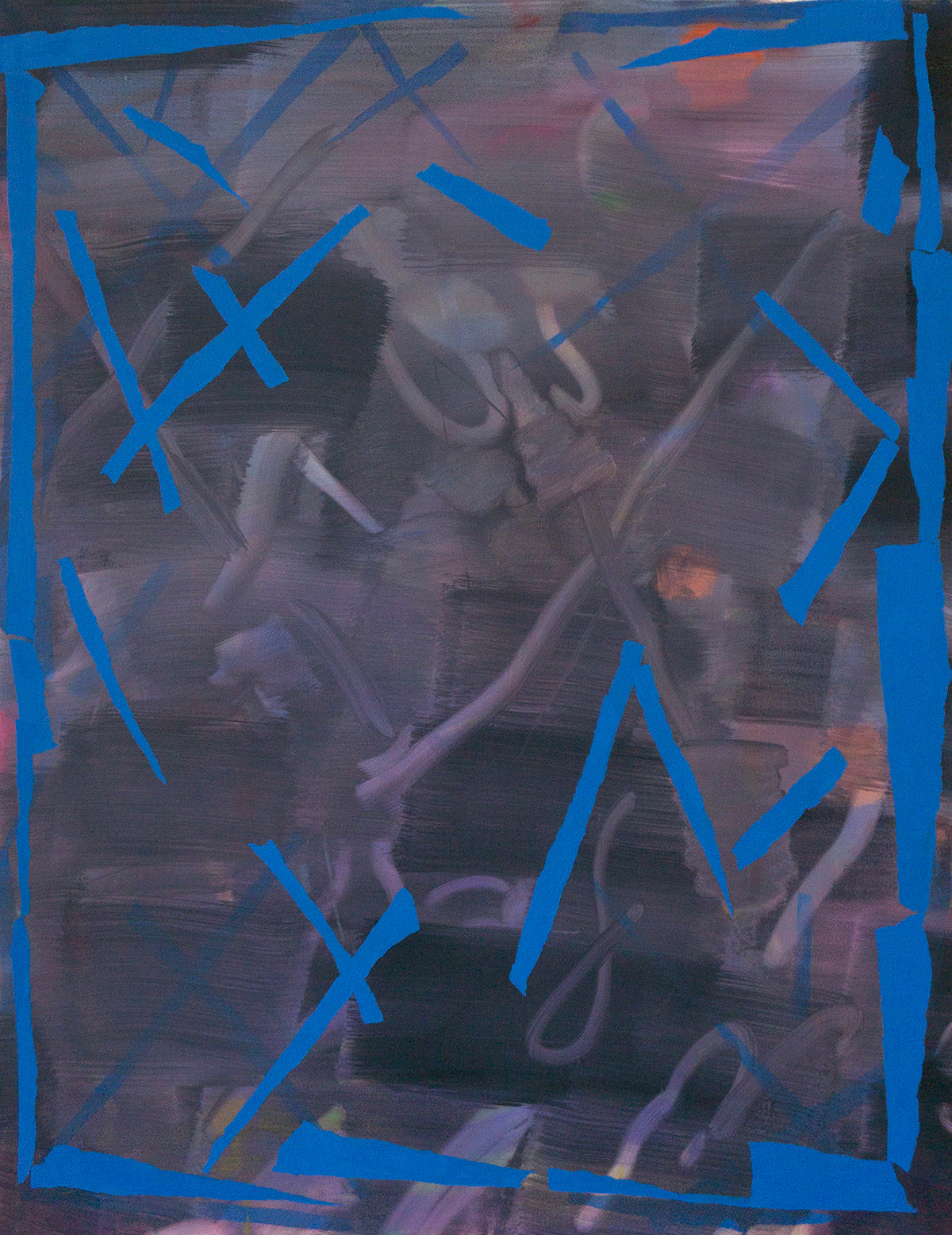
This statement is the cornerstone of her artistic philosophy. By "constructing fields," she mimics the way a wall or a pane of glass acts as a canvas for the city. Dust and weather are not passive; they are active agents that change the surface of the environment over time. Gallucci captures this "residue," effectively pinning down the passing of time on a canvas that is intended to last indefinitely.
Technical Synthesis
The tension in her work arises from her dual approach:
- Realism: She accurately depicts the specific, often ugly, marks of urban life, ensuring the viewer recognizes the subject matter.
- Abstraction: By isolating these marks, she strips them of their original, utilitarian context, turning a graffiti tag or a rust stain into a formalist composition of color and line.
This synthesis forces a re-evaluation of how we construct meaning. If a "nonsensical" scratch on a window can be elevated to a beautiful, complex painting, what does that imply about our ability to find beauty in the discarded?
Official Responses and Critical Reception
Gallucci’s work has garnered attention for its ability to navigate the complex relationship between the private act of painting and the public nature of the urban landscape. Critics often highlight her role as an arts administrator as a key factor in her success; she understands the structural pressures of the art world and uses her own work to critique the permanence of institutions versus the impermanence of the streets.
Gallucci’s work suggests that "meaning" is not inherent in the city, but is instead something that we, as observers, must actively construct. By rendering the provisional permanent, she forces the viewer to confront the fragility of the objects we surround ourselves with, and the unintended narratives written into our streets by the passage of time.

Implications: The Urban Landscape as Archive
The broader implication of Gallucci’s work is the suggestion that the modern city is an involuntary archive. Every layer of graffiti, every patch of repainted drywall, and every scuff mark on a window is a piece of data—a record of who was there, how they felt, and how the weather treated the structure on a given day.
The Ethics of Preservation
Gallucci’s art raises ethical questions regarding what we choose to preserve. In a culture that favors the "new" and the "pristine," she argues for the value of the "used" and the "broken." Her paintings become a form of preservation for things that would otherwise be buffed away, demolished, or replaced.
The Shift in Perception
For the viewer, the impact of engaging with Gallucci’s work is often a change in how they traverse their own neighborhoods. After seeing her canvases, a walk down a city street ceases to be a transit from A to B; it becomes an exercise in visual archeology. The "incidental marks" she paints become a language that the viewer is suddenly fluent in.
Conclusion: A Persistent Vision
Madeline Gallucci’s practice serves as a reminder that the most profound insights are often found in the most overlooked places. By moving between the rigid history of color field painting and the chaotic, shifting reality of the urban environment, she provides a bridge between the viewer and the city.
As she continues her career in Chicago, her work remains a vital contribution to contemporary art. She challenges us to recognize that while our time in any given place may be temporary, the marks we leave behind—and the way we choose to perceive them—have the power to be both meaningful and permanent. In the quiet, dusty corners of our cities, Gallucci finds the stories we have neglected to tell, proving that even the most nonsensical fragments of our urban life contain the potential for profound, lasting beauty.
Further Exploration
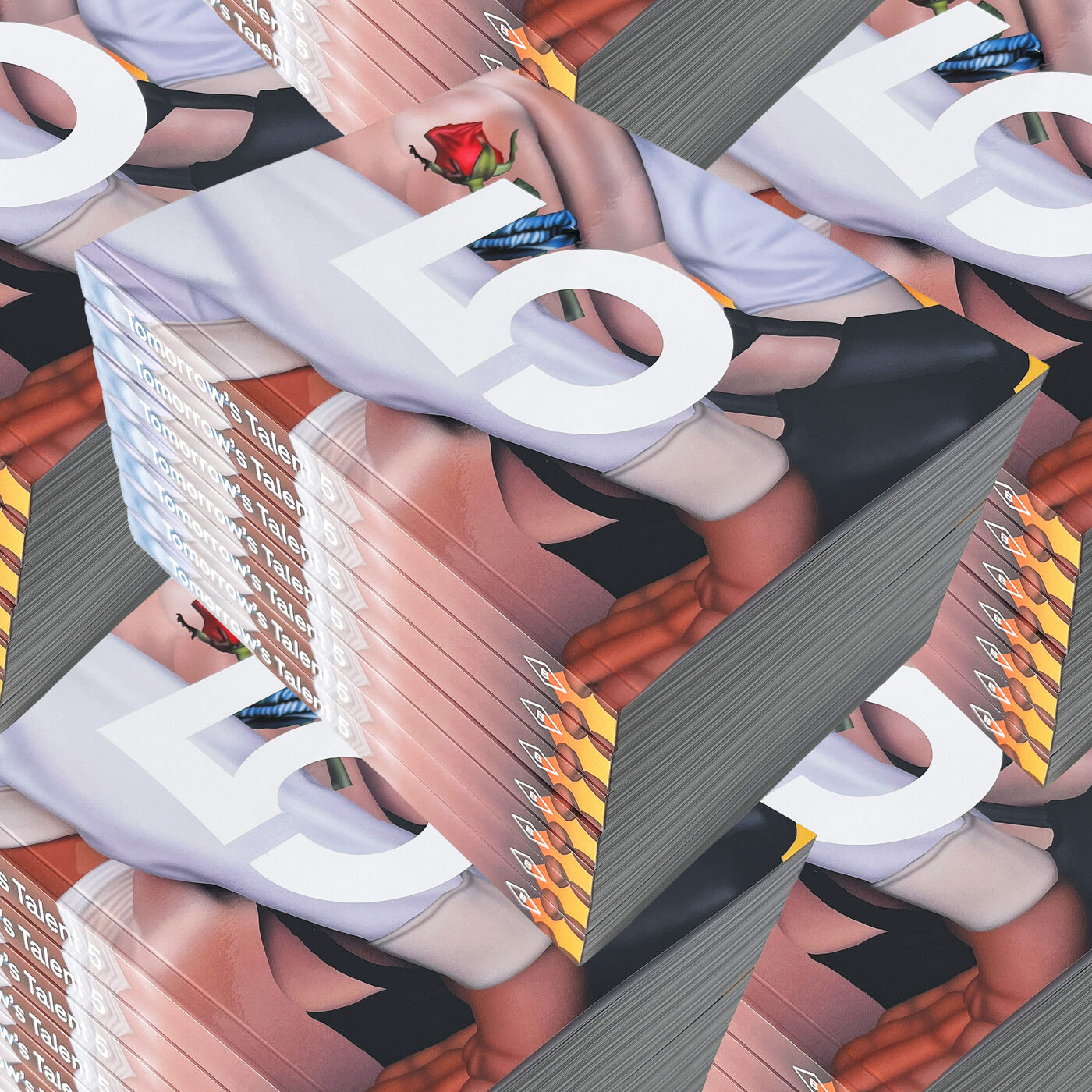
For those interested in the broader discourse surrounding contemporary artists who are shaping the future of the medium, the landscape of the art world is evolving rapidly. Whether through dedicated publications, such as the Tomorrow’s Talent series, or through community-driven platforms like Booooooom, the dialogue surrounding artists like Gallucci continues to expand. As the lines between official institutions and independent artist-led projects blur, the opportunity for fresh, radical voices to emerge has never been greater.
Whether one is a collector, a fellow artist, or simply a curious observer, the work of Madeline Gallucci stands as a testament to the idea that the city is not just a place to live, but a masterpiece in progress—a canvas that is constantly being erased and rewritten, one scratch at a time.