Muslim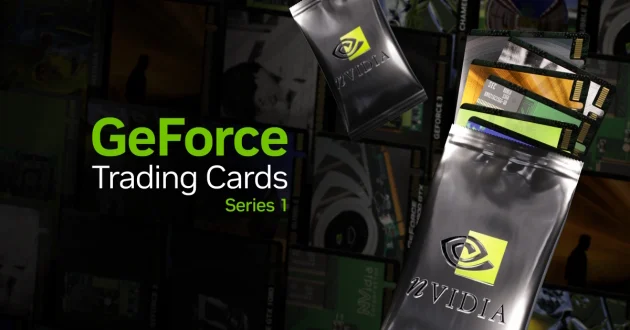
By Editorial Staff
In a surprising move that blends the high-stakes world of semiconductor manufacturing with the tactile allure of analog collectibles, Nvidia has officially unveiled its inaugural series of "GeForce Trading Cards." This limited-edition collection, comprised of 14 distinct designs, serves as a retrospective journey through the company’s evolution, celebrating the hardware and software milestones that transformed PC gaming from a niche hobby into a global cultural phenomenon.
For enthusiasts and long-time followers of the industry, these cards are more than mere paper collectibles; they are physical artifacts of a technological revolution. By cataloging everything from the foundational NV1 to the cutting-edge RTX architecture, Nvidia is inviting its community to participate in a curated walk down memory lane.
The Genesis of an Icon: Main Facts of the Series 1 Collection
The Series 1 collection is a meticulously curated set designed to evoke the spirit of various eras in computing history. With 14 cards in total, the set is divided into three primary categories: Hardware Milestones, Software Innovations, and Legacy Partnerships.
The hardware selection is particularly notable, focusing on cards that represented a "generational leap" at the time of their release. From the 1995 NV1—Nvidia’s first foray into the multimedia processor market—to the legendary GeForce 256, which introduced the world to the term "GPU," the collection provides a comprehensive look at the company’s trajectory.
The software segment pays homage to the iconic tech demos that defined the aesthetic standards of their time. Long-time PC gamers will likely recognize the Bubble, Chameleon, and Medusa demos, which were once the benchmark tests used to prove that a user’s rig was truly "next-gen." To ensure collectors remain organized, Nvidia has included a dedicated checklist card, which functions as the 14th piece of the set.
A Chronology of Graphics: From NV1 to RTX
To understand the significance of these cards, one must look at the timeline of innovation they represent. The collection is effectively a timeline of the "3D Acceleration" era.
The Foundation (1995–1999)
The collection begins with the NV1, a bold experiment that attempted to integrate sound and 3D graphics. While it struggled commercially, it set the stage for the GeForce 256 (1999), which is widely credited as the first "GPU" because it offloaded the transform and lighting (T&L) pipeline from the CPU.
The Rise of Programmability (2000–2005)
The GeForce 3 represents a pivotal shift in the early 2000s, introducing programmable shaders. This was the moment graphics cards transitioned from fixed-function hardware to programmable engines, allowing developers to create the sophisticated lighting and atmospheric effects that became standard in modern gaming.
The Era of Power and Performance (2006–2018)
Representing the mid-to-late 2000s, the GeForce 7800 GTX highlights the period when Nvidia truly pulled away from the competition in terms of raw power and thermal efficiency. Fast-forwarding to the Pascal architecture, the GeForce GTX 1080 serves as a modern classic, frequently cited as one of the most efficient and powerful cards ever produced by the company.
The Modern Frontier (2018–Present)
The collection is rounded out by the GeForce RTX 2080 Ti Cyberpunk 2077 Edition. This card serves as a symbol of the Ray Tracing era, marking the transition into an age where lighting and shadow are no longer "faked" through clever coding, but calculated in real-time using dedicated hardware cores.
Supporting Data: Why Trading Cards?
While digital assets and NFTs have dominated the conversation regarding collectability in recent years, there has been a significant resurgence in physical media. The "Summer of RTX" campaign appears to be a direct response to the community’s desire for tangible touchpoints.
Market data from the hobbyist sector suggests that tech-centric memorabilia is currently seeing a valuation increase. By choosing to release these cards physically, Nvidia is tapping into the same psychology that drives the Magic: The Gathering or Pokémon card markets—scarcity, aesthetic design, and personal attachment.
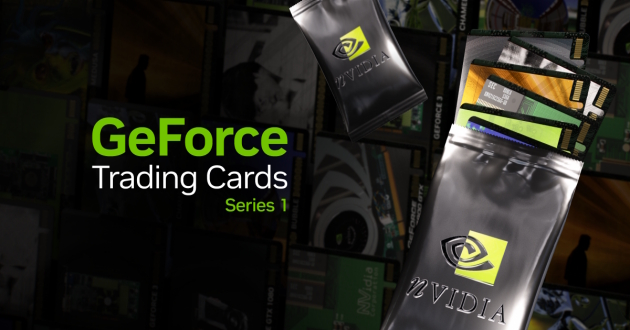
Each card features high-fidelity printing, capturing the specific visual language of the era it represents. For instance, the cards depicting the 1990s hardware use a design palette reminiscent of the beige-box era, while the RTX-themed cards lean into the sleek, neon-drenched aesthetic of the Cyberpunk genre.
Official Distribution Channels and Engagement Strategy
Nvidia has been clear that these cards will not be sold in traditional retail stores. Instead, they are being positioned as "community rewards," reinforcing the company’s relationship with its user base.
Summer of RTX Giveaways
Fans can participate in digital giveaways via official GeForce social media channels. By following and engaging with these platforms, users enter into a lottery-style system to receive physical packs.
In-Person Events
For those who prefer face-to-face interaction, the cards will be distributed at major industry events throughout the remainder of 2026. Confirmed locations include:
- Bilibili World 2026: A hub for the Asian gaming market and digital culture.
- QuakeCon 2026: A nod to the history of competitive PC gaming and the roots of the first-person shooter genre.
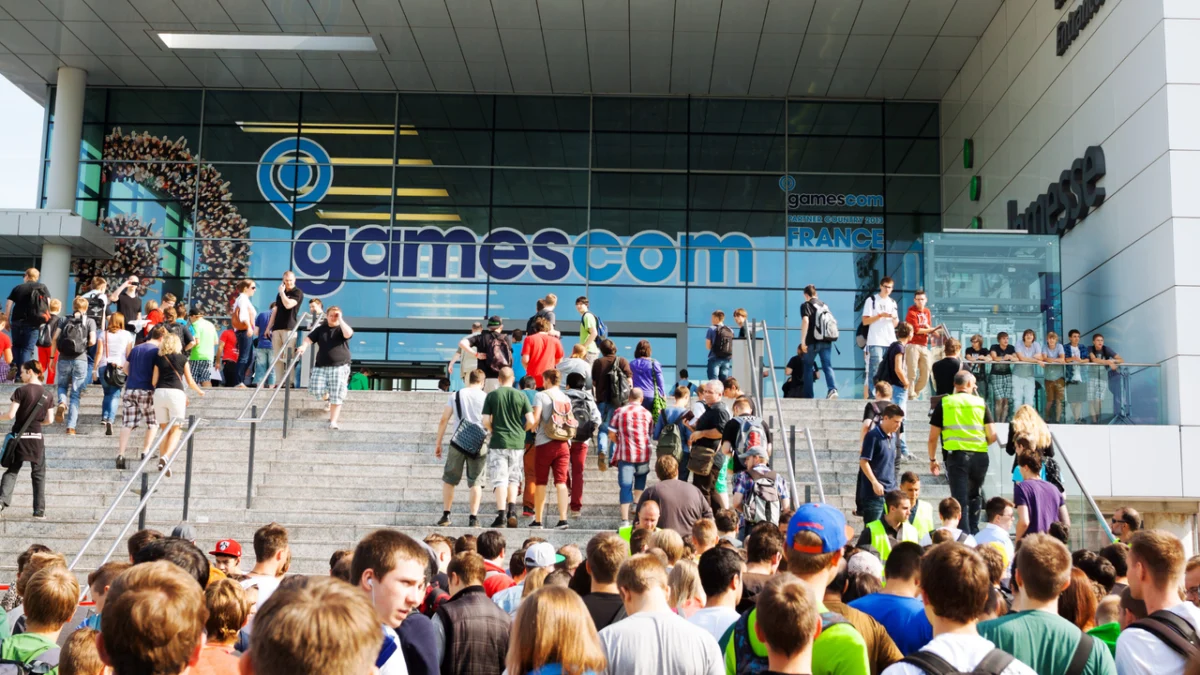
- Gamescom 2026: The premier European gaming trade show.
Nvidia’s strategy here is deliberate: by limiting distribution to events and social media, they ensure that the cards remain in the hands of "true" enthusiasts rather than bulk resellers.
Implications: The Soft Power of Brand Heritage
The launch of the GeForce Trading Cards serves a greater purpose than mere marketing. In the tech industry, branding is often tied to utility—consumers buy a GPU because it performs a specific task. By introducing a collectible element, Nvidia is shifting the narrative from "utility" to "legacy."
Building a Legacy
Companies like Intel, AMD, and Nvidia often struggle to maintain a "fan culture" in the same way that console manufacturers (like Nintendo) do. By celebrating the history of their hardware, Nvidia is essentially telling a story of dominance and progress. This creates an emotional tether between the user and the brand. If a customer feels they are part of a historical lineage—from the NV1 to the RTX 50-series—they are statistically more likely to remain loyal to the brand during future purchase cycles.
The "Gamification" of Hardware
Furthermore, this initiative reflects the "gamification" of the PC hardware market. As building a PC has become an increasingly aesthetic endeavor—with RGB lighting, custom loops, and bespoke chassis—the accompanying peripherals and accessories have followed suit. These cards act as the "trophies" of the PC enthusiast lifestyle.
Potential for Expansion
Given the positive reception from the community thus far, industry analysts speculate that Series 1 is merely a pilot program. If the cards successfully drive engagement at the aforementioned summer events, it is highly probable that Nvidia will expand the collection to cover secondary milestones, such as mobile graphics, professional workstation hardware (Quadro), and perhaps even AI-focused silicon in the future.
Conclusion: A Collector’s Dilemma
For the average consumer, the GeForce Trading Cards may seem like a curious footnote in the company’s aggressive technological roadmap. However, for the demographic of "hardware nerds" who grew up swapping out GPUs and tweaking drivers, these cards represent a legitimate cultural victory.
The task of collecting all 14 designs will be no small feat. Given the international nature of the distribution plan, it is likely that a secondary market will form, with rare cards fetching high prices among those desperate to complete their set. Whether you view them as nostalgic keepsakes or potential long-term investments, one thing is certain: Nvidia has successfully turned their history into a game that everyone wants to play.
As we look toward the future of hardware—where AI-driven upscaling and path tracing continue to redefine the boundaries of reality—it is refreshing to see a company take a moment to look back at the silicon that started it all. The GeForce Trading Cards serve as a reminder that behind every frame-per-second, there is a story of innovation, risk, and technical ambition.

 Nana Muazin
 Pevita Pearce