Dwi Wanna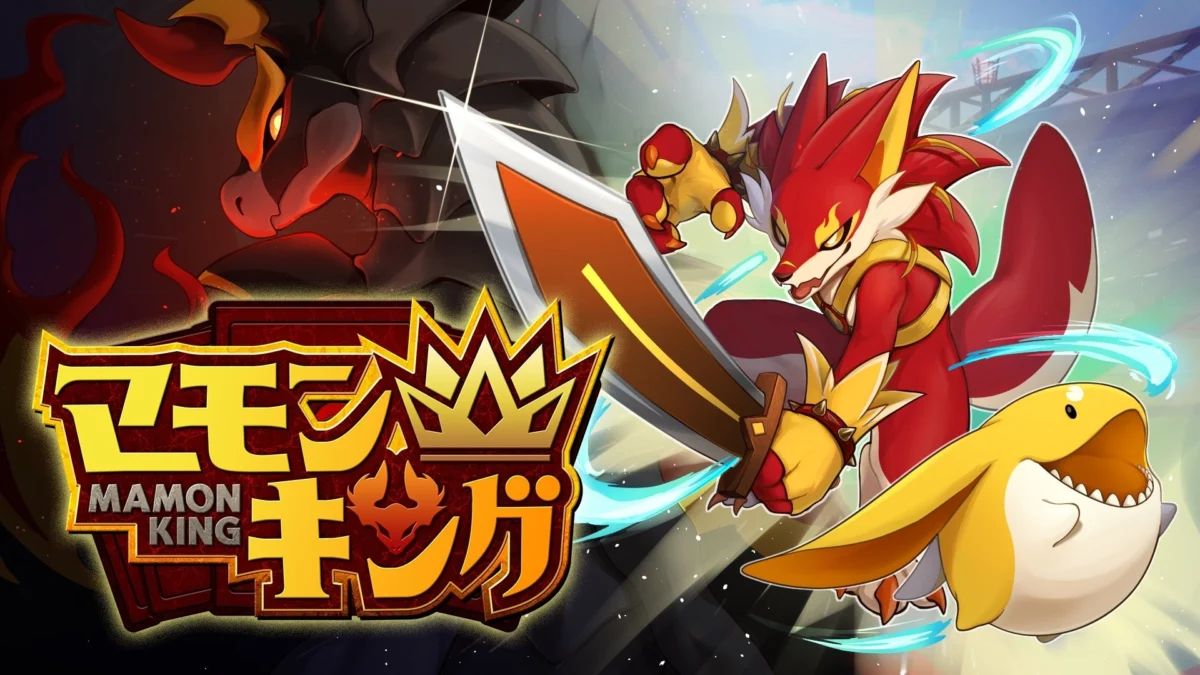
In a move signaling the transition into the next generation of handheld gaming, indie developer LiTMUS has officially confirmed that its hit monster-raising simulation and card-battler, Mamon King, will receive a dedicated, native port for the Nintendo Switch 2. The announcement, which has sent ripples through the enthusiast gaming community, marks one of the first major commitments by a boutique studio to fully utilize the hardware capabilities of Nintendo’s upcoming successor.
The title, which tasks players with the noble duty of raising otherworldly creatures known as "Mamons," has already established a footprint on current-gen hardware. By pivoting to the Switch 2, LiTMUS aims to leverage enhanced graphical fidelity and performance overhead to bring the vibrant world of Mamon King to life with greater detail.
Main Facts: The Transition to Next-Gen
Scheduled for a global release on October 8, 2026, the Switch 2 version of Mamon King is not merely an upscaled emulation of the existing Switch build. LiTMUS has emphasized that this is a "native port," built to take advantage of the architectural improvements inherent in Nintendo’s next console.
One of the most critical aspects of this release—and a point of contention for dedicated players—is the handling of save data. LiTMUS has officially confirmed that save data will not be transferable between the original Nintendo Switch version and the new Switch 2 iteration. For veteran trainers who have spent hundreds of hours cultivating their roster of Mamons, this represents a "fresh start" requirement, forcing players to build their legacy from the ground up on the new hardware.
In the Japanese market, the launch will be bolstered by a unique physical offering: a "Game-Key Card." This physical release provides a tangible collectible for fans while streamlining the digital download process, a trend that continues to gain traction in the Japanese retail sector.
Chronology: From Indie Curiosity to Platform Staple
The journey of Mamon King is a testament to the growth of the monster-raising genre in the indie space.
- Initial Development & Launch: Following a successful incubation period, LiTMUS launched Mamon King across Steam (PC), PlayStation 5, and the original Nintendo Switch. The game was praised for its unique blend of strategic card-based combat and deep, personality-driven monster husbandry.
- The Rise of the Community: Throughout 2025 and early 2026, the game fostered a dedicated community. Players utilized the game’s deep training mechanics to share their strategies for the most challenging tournament brackets, solidifying the game’s reputation as a "niche but essential" title.
- The Switch 2 Pivot: As rumors surrounding the Nintendo Switch 2 solidified in early 2026, LiTMUS began internal testing to see how their custom engine would fare on more advanced architecture.
- The Official Announcement (July 2026): LiTMUS broke their silence, confirming the October 8 launch date. This announcement placed Mamon King at the forefront of the "next-gen launch window" discussion.
Supporting Data: Why Mamon King Matters
To understand why this specific title is receiving a native port, one must look at the mechanics that define the experience. Mamon King distinguishes itself from typical creature-collectors by focusing on the "special bond" between the player and the Mamon.
The game mechanics are divided into three core pillars:
- The Summoning System: Players act as conduits for entities from another world. Each Mamon possesses unique elemental affinities and personality traits that dictate how they respond to training.
- The "Kindness vs. Strictness" Dichotomy: Training is not a binary process. Players must balance nurturing their Mamons with high-intensity training regimens. A Mamon raised with too much kindness may lack the discipline for high-level tournaments, while a Mamon raised with too much strictness may struggle with morale during pivotal card battles.
- The Road to Royalty: The meta-game involves a competitive tournament circuit. The ultimate goal is to defeat the reigning champion Mamon and earn the title of "Mamon King," a feat that requires extensive knowledge of deck building and real-time combat adjustments.
Official Responses and Developer Philosophy
LiTMUS has been relatively reserved regarding the specifics of the hardware improvements, preferring to let the gameplay experience speak for itself. However, a representative from the studio noted in a brief statement, "Our goal with the Switch 2 version was to remove the technical constraints that limited the number of Mamons displayed on-screen during high-intensity tournament sequences. The jump in processing power allows for more fluid animations and more complex card-deck interactions that were previously optimized for lower-end hardware."

The decision to exclude save-data transfer, while controversial, is described by the developers as a technical necessity. Because the underlying code for the Switch 2 version features an entirely rewritten asset-streaming system and a modified save-file structure to accommodate higher-fidelity textures and data tracking, cross-platform compatibility would have required a compromise in performance that the studio was unwilling to make.
Implications for the Industry
The release of Mamon King on the Switch 2 carries several implications for the broader gaming industry:
1. The "Native Port" Trend
By choosing to go native rather than relying on backward compatibility or simple upscaling, LiTMUS is setting a benchmark for other indie developers. It sends a message that the Switch 2 is a platform worthy of dedicated optimization, rather than just an afterthought for existing libraries.
2. The Physical-Digital Hybrid
The use of a "Game-Key Card" in Japan suggests that publishers are looking for creative ways to satisfy the collector market without the logistical overhead of manufacturing large-scale cartridges or discs. If this model succeeds for LiTMUS, expect other developers to follow suit, providing physical boxes that serve as premium digital delivery mechanisms.
3. The End of "Forever" Save Files
The lack of save transfer highlights a growing divide between generations. As games become more graphically and procedurally complex, the ability to carry progress forward from one console generation to the next may become less common. Players are being asked to treat their favorite long-running titles as "chapters" rather than a singular, unending experience.
Conclusion: A New Era for Monster Trainers
As October 8 approaches, the eyes of the monster-battling community are fixed on what LiTMUS has accomplished. Mamon King has successfully transitioned from a hidden gem on the eShop to a flagship title for the next generation of Nintendo hardware.
While the loss of old save files will undoubtedly sting for the most dedicated players, the promise of a more robust, graphically enhanced, and optimized Mamon King experience is a compelling trade-off. As we look toward the future of the Nintendo Switch 2, it is titles like these—those that prioritize mechanics and community engagement—that will ultimately define the success of the console.
Whether you are a newcomer looking to summon your first Mamon or a veteran ready to reclaim the crown on new hardware, Mamon King promises to be a central pillar of the upcoming autumn gaming season. For those willing to start the journey again, the throne awaits.


 Asro
Asro
 Muslim