Nana
Nana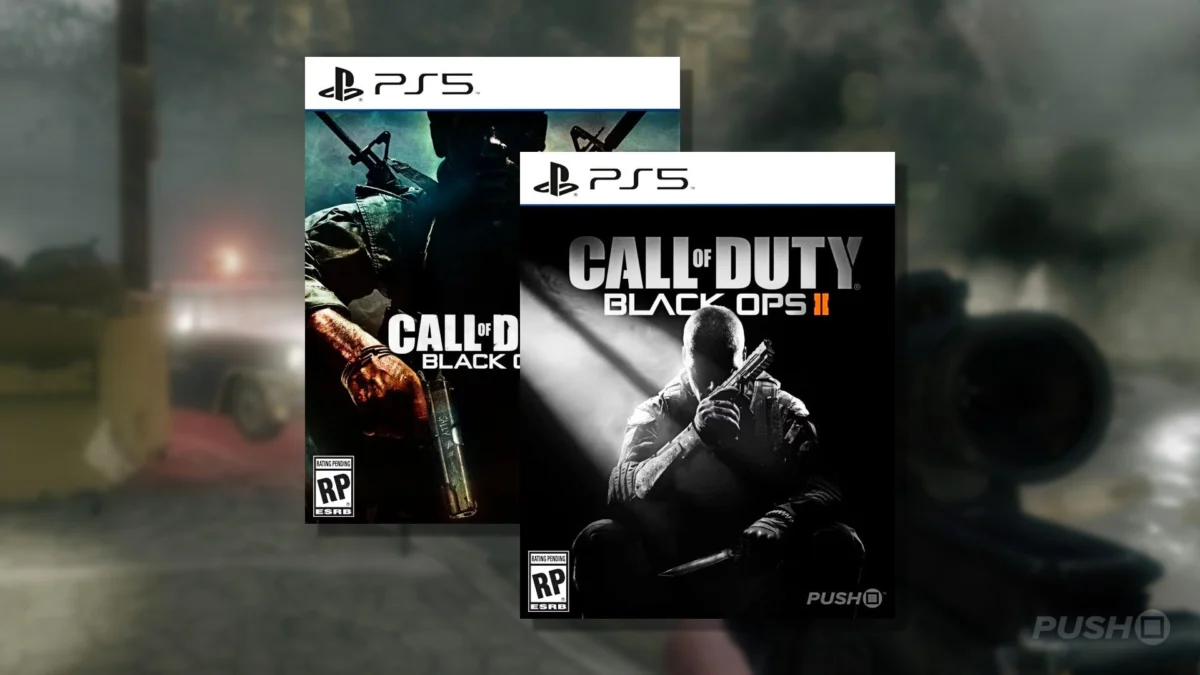
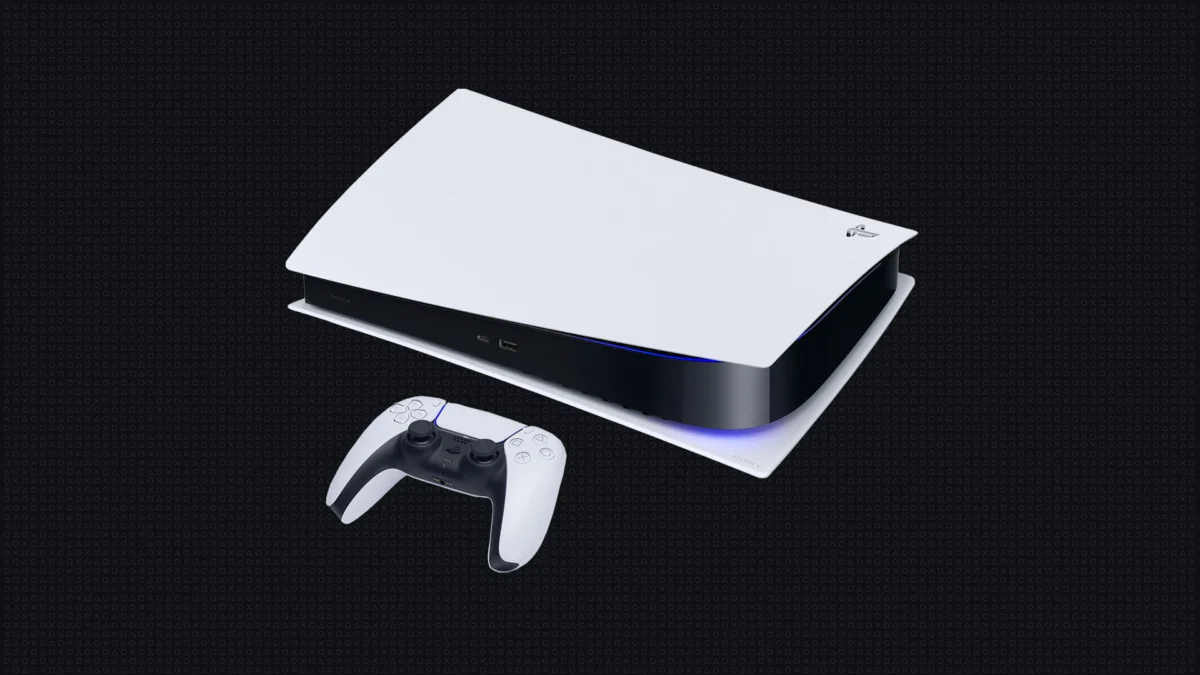
In a surprising turn of events that has sent ripples through the gaming community, remastered versions of "bare bones" Call of Duty: Black Ops 1 and Black Ops 2 on the PlayStation 5 are reportedly experiencing player counts that eclipse the most recent mainline Black Ops installment. Furthermore, these classic titles have ascended to the pinnacle of the PlayStation Store’s best-seller charts across major global markets, a feat that underscores a significant shift in consumer preference and raises questions about the perceived value of modern game releases.
Sources within the dedicated Call of Duty fan community, specifically Charlie Intel, have indicated that the player engagement for these older, seemingly less-developed ports on the PS5 is not only surpassing that of "Black Ops 7" (referring to the latest mainline installment, likely Black Ops Cold War or a future title depending on the exact publication date context), but is doing so across all available console platforms. While direct, independently verifiable player count data for these specific ports remains elusive, the anecdotal evidence, coupled with their unprecedented commercial success on the PlayStation Store, paints a compelling picture.
The surge in interest has been palpable on gaming news outlets like Push Square, where engagement metrics for discussions and articles surrounding these re-releases have reportedly been "through the roof." This sustained interest is further validated by their immediate and dominant presence at the top of the best-seller lists on the PlayStation Store. This phenomenon is not confined to a niche market; checks across major territories including the United States, the United Kingdom, France, and Germany have confirmed their widespread commercial triumph.
A Blast from the Past: The Resurgence of Black Ops 1 and 2
The unexpected dominance of these older Call of Duty titles on the current generation of consoles is a narrative that defies conventional expectations in the fast-paced world of video game releases. For years, the industry has been driven by the pursuit of cutting-edge graphics, expansive open worlds, and innovative gameplay mechanics. Yet, the success of these "bare bones" ports suggests that nostalgia, foundational gameplay, and perhaps a dissatisfaction with current offerings, are powerful driving forces for a significant segment of the gaming audience.

The decision by Activision to re-release Black Ops 1 and 2 on the PS5, seemingly with minimal enhancements beyond graphical upscaling and basic functionality for modern hardware, has been met with a mixture of intrigue and skepticism. The term "bare bones" itself implies a lack of substantial new content or significant technical overhauls. However, it appears that for a considerable number of players, the core experience of these beloved titles is sufficient, and perhaps even preferable, to the complexities and perceived compromises of newer entries.
Chronology of a Comeback: From Nostalgia to Commercial Juggernaut
The original Call of Duty: Black Ops, released in 2010, was a critical and commercial success, lauded for its gripping single-player campaign, innovative Zombies mode, and robust multiplayer experience. It quickly became a cornerstone of the franchise, cementing its place in the hearts of many gamers. Black Ops 2, released in 2012, built upon this legacy, introducing branching narratives and further refining the multiplayer and Zombies modes, further solidifying its status as a fan favorite.
For over a decade, these titles have remained dormant on newer hardware, often relegated to backward compatibility features on previous PlayStation generations or requiring older consoles. The recent decision to bring them to the PS5, however, marks a significant re-engagement with this era of Call of Duty. The absence of substantial graphical updates or the inclusion of previously released downloadable content (DLC) packs has been a point of contention for some critics, leading to questions about the pricing strategy.
Despite these criticisms, the market’s reaction has been overwhelmingly positive. The fact that these ports are not only selling but are dominating the digital storefronts, outperforming major new releases from established franchises like Assassin’s Creed and even commanding attention over pre-orders for highly anticipated titles such as Grand Theft Auto VI, speaks volumes about the enduring appeal of these classic Call of Duty experiences. Black Ops 2, in particular, seems to be emerging as the stronger performer of the two re-releases, though both are demonstrating remarkable sales figures.

Supporting Data: Sales Charts and Player Engagement
The evidence for the success of these Black Ops ports is multifaceted. Firstly, their immediate ascent to the top of the PlayStation Store’s best-seller lists across key global markets is an undeniable indicator of their commercial appeal. This phenomenon is not merely a temporary spike; reports suggest a sustained presence at the apex of these charts, indicating consistent demand.
Secondly, the anecdotal reports of player engagement on gaming community platforms and news sites suggest a high level of active participation. While precise player numbers are proprietary information for Sony and Activision, the sheer volume of discussion, reviews, and player testimonials points to a significant and active player base. The comparison to the latest mainline Black Ops title, which typically enjoys massive player numbers at launch and beyond, makes this achievement even more remarkable.
The pricing of these re-releases, set at a reported $39.99/£34.99, has been a focal point of discussion. While PlayStation Plus members benefit from a 50% discount, the base price is considered by many to be steep, especially given the absence of included DLC. This pricing strategy, while seemingly aggressive, has evidently not deterred a substantial number of consumers from making the purchase.
Official Responses and Industry Implications
As of the publication of this article, there has been no direct official response from Activision or Sony specifically addressing the player count discrepancies or the unprecedented sales performance of these older Call of Duty titles. However, the strategic decision to re-release them in this manner, coupled with their aggressive pricing, suggests a calculated approach to capitalize on nostalgia and potentially gauge the market’s appetite for classic Call of Duty experiences.

The implications of this trend are far-reaching for the video game industry. It raises critical questions about:
- The Value Proposition of New Releases: The success of older, less graphically intensive games suggests that players may be re-evaluating what constitutes value in a modern AAA title. Factors such as core gameplay, established franchises, and a sense of nostalgia may be outweighing the allure of cutting-edge graphics and expansive new worlds for some consumers.
- The Power of Nostalgia: This phenomenon underscores the potent influence of nostalgia in the gaming market. Players often have strong emotional connections to games they enjoyed in their formative years, and re-releases that tap into these memories can be incredibly successful, even with minimal technical updates.
- The Market for Remasters and Re-releases: The gaming industry has seen a growing trend of remasters and re-releases. The success of the Black Ops ports indicates that there is a substantial and potentially underserved market for well-executed classic game re-releases, even if they are not full-blown remakes.
- Developer Strategies: Developers and publishers may need to reconsider their strategies for engaging with their back catalog. The "bare bones" approach, while criticized, has proven effective in this instance, suggesting that sometimes, preserving the original experience with modern compatibility is enough to satisfy a significant portion of the player base.
- Player Dissatisfaction with Current Offerings: The surge in popularity for older titles could also be interpreted as a sign of player dissatisfaction with the direction or current state of the latest mainline Call of Duty installments, or indeed, other contemporary releases. If players are finding more enjoyment and value in older games, it suggests a potential disconnect between what is being offered and what a segment of the audience desires.
A Closer Look at the "Bare Bones" Approach
The criticism leveled against these re-releases often centers on their lack of significant enhancements. Reviews of the original Black Ops, for instance, have highlighted that the PS5 port offers presentation that is not vastly dissimilar to its PS3 predecessor, more than a decade later. The absence of included DLC, which was a significant part of the original games’ longevity and appeal, is another point of contention.
Despite these criticisms, the strategy appears to have resonated with a large segment of the gaming public. The core gameplay loop of Black Ops 1 and 2, which were widely praised for their tight mechanics, engaging multiplayer, and compelling Zombies modes, remains a powerful draw. For players who may have missed out on these titles during their initial release or who wish to revisit them on modern hardware, the availability of these ports, even with their perceived limitations, has proven irresistible.
The success of these "bare bones" re-releases serves as a compelling case study in the modern gaming landscape. It demonstrates that while technological advancement and graphical fidelity are important, the enduring power of classic gameplay, combined with the potent force of nostalgia, can create commercial successes that defy expectations and challenge conventional industry wisdom. The gaming world will undoubtedly be watching to see if this trend continues and what other classic titles might follow in the footsteps of the unexpectedly dominant Black Ops 1 and 2 on the PlayStation 5.

 Lina Irawan
 Sagoh
Sagoh