Layla Zulfa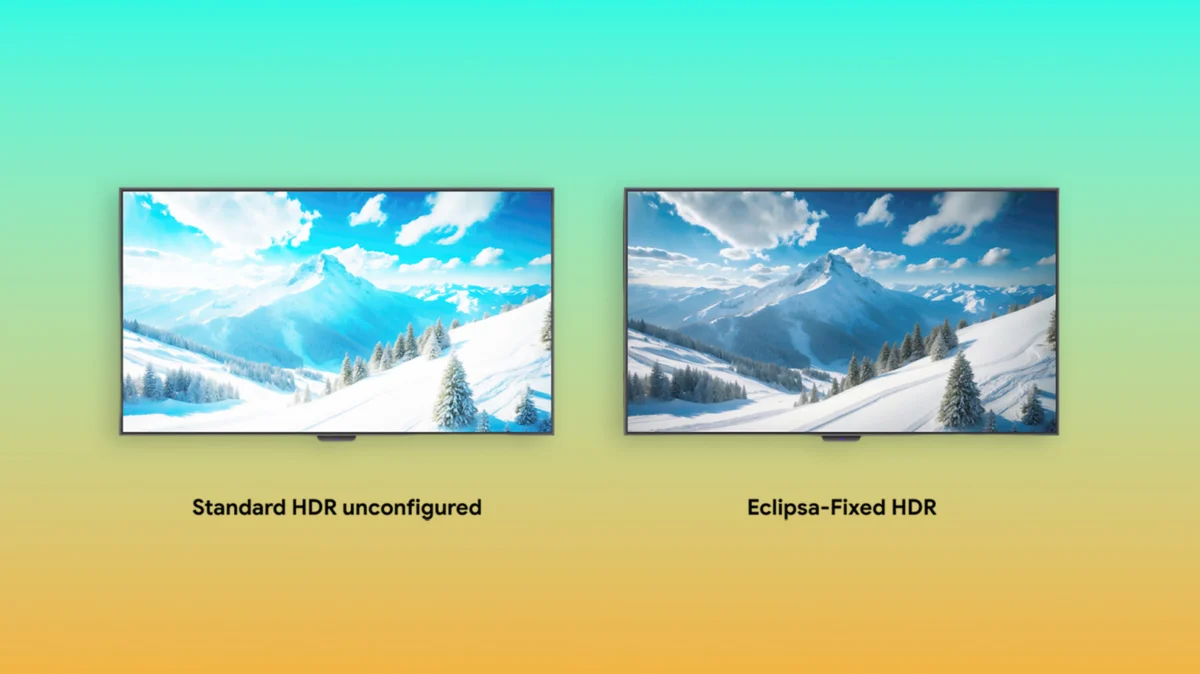
For years, High Dynamic Range (HDR) technology has promised a revolution in home entertainment, offering deeper blacks, brighter highlights, and a broader color gamut that brings cinematic realism to our living rooms. Yet, for many consumers, the experience has been inconsistent. A film that looks breathtaking on a flagship OLED TV might appear muddy or overly dark on a mid-range smartphone, while bright scenes can suffer from "blown-out" highlights depending on the ambient lighting of the room.
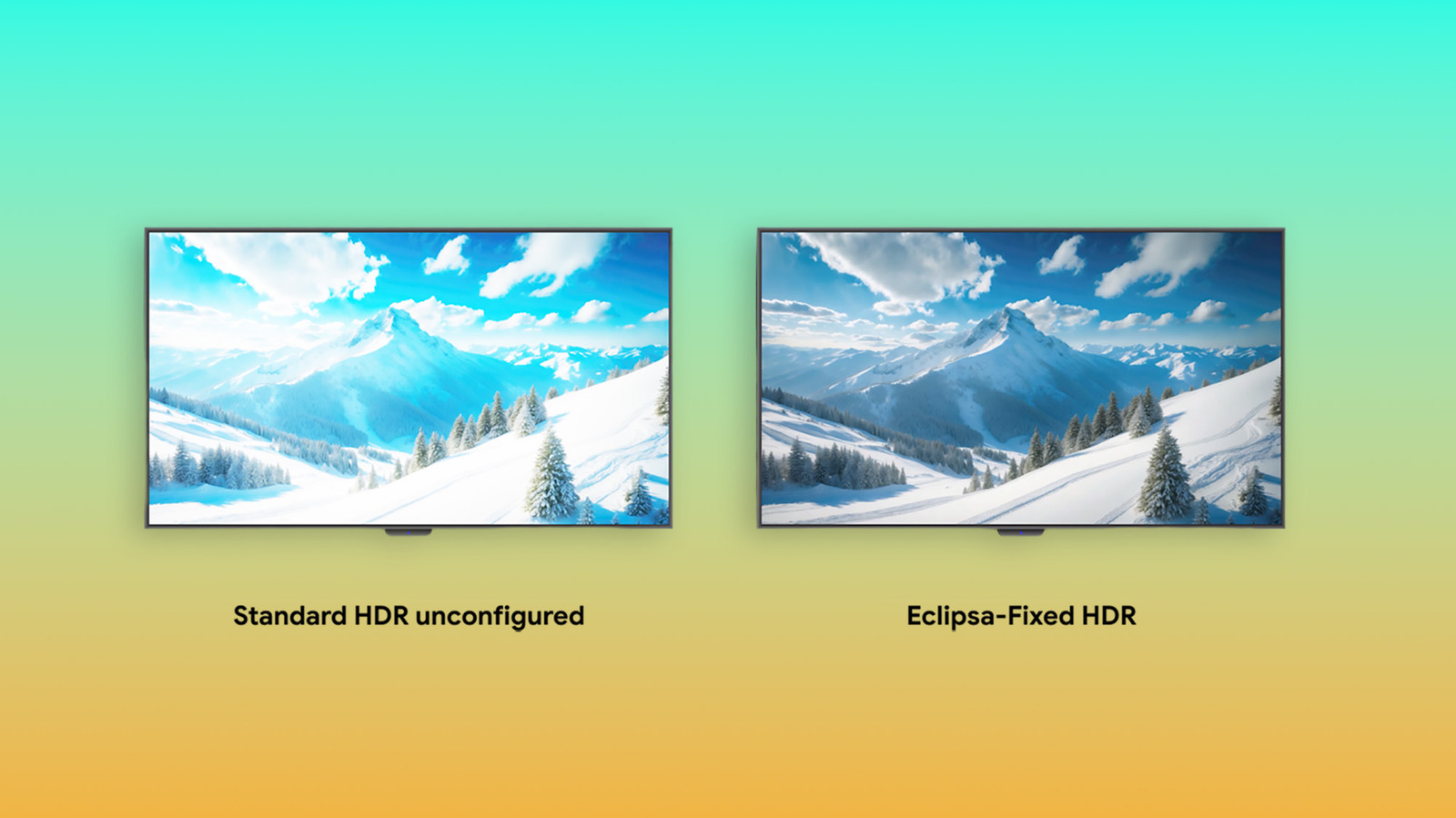
Recognizing these persistent frustrations, Google has unveiled Eclipsa Video, a new open HDR standard designed to harmonize the viewing experience across disparate hardware. By leveraging advanced metadata and a collaborative approach with industry titans like Apple and NBCUniversal, Eclipsa Video seeks to solve the "HDR lottery" that currently plagues streaming and mobile content.
The Core Problem: Why HDR Isn’t Universal
To understand the necessity of Eclipsa, one must first understand the limitations of current HDR implementations. HDR is essentially a set of instructions telling a display how to map brightness and color. However, every device has different physical limitations—some screens can reach 2,000 nits of peak brightness, while others struggle to hit 500.
When content is mastered for a high-end studio monitor, it doesn’t always translate perfectly to a mobile device or a budget-friendly television. This results in:
- Crushed Shadows: Details in dark scenes vanish into black.
- Clipped Highlights: Bright areas, like sunlight or explosions, lose all texture and become flat white blobs.
- Inconsistent Color: Skin tones and environmental colors shift significantly depending on the device’s display panel technology.
Eclipsa Video, which is Google’s consumer-facing brand for the SMPTE ST 2094-50 standard, acts as a translator between the content creator’s intent and the device’s physical capabilities.
Chronology: The Road to Eclipsa
The development of Eclipsa Video did not happen in a vacuum. It is the culmination of years of industry-wide efforts to bridge the gap between proprietary solutions and open-source accessibility.
- 2015–2017: The HDR10 standard becomes the baseline for the industry, but its static metadata limitations become apparent as displays evolve.
- 2018–2020: Proprietary solutions like Dolby Vision gain market share by using dynamic metadata, which adjusts settings scene-by-scene. However, licensing fees create a divide between premium and mass-market hardware.
- 2023: Google, Apple, and NBCUniversal begin a collaborative project under the auspices of the Society of Motion Picture and Television Engineers (SMPTE) to develop a royalty-free, high-performance alternative.
- June 2026: Google formally announces the "Eclipsa Video" branding, confirming it as the implementation of the SMPTE ST 2094-50 standard.
- Late 2026/Early 2027: Official integration is slated for Android 17, marking the first major mobile platform rollout for the technology.
Technical Breakdown: How Eclipsa Works
The genius of Eclipsa Video lies in its "two-pillar" metadata system, which provides displays with a roadmap for how to handle complex image data.
1. The White Reference Anchor
One of the most jarring aspects of modern HDR is the transition between Standard Dynamic Range (SDR) elements—such as UI overlays, subtitles, or legacy content—and HDR video. Eclipsa establishes a "White Reference Anchor." This creates a baseline for where SDR elements sit in the brightness hierarchy, ensuring that when an HDR video kicks in, the screen doesn’t experience a sudden, blinding shift in intensity. It effectively allows HDR and SDR to coexist on the same screen without visual friction.
2. Headroom-Adaptive Gain Curves
This is the heart of Eclipsa’s intelligence. Rather than forcing a display to replicate a specific brightness value (which might be impossible for a lower-end screen), the metadata provides "gain curves." These curves tell the display, "I want this specific contrast ratio." If the display cannot reach the absolute peak brightness of the original master, it adjusts the curve to maintain the artistic intent of the scene while working within the hardware’s physical limits.
Eclipsa vs. The Field: Dolby Vision and HDR10
The video format landscape is crowded, but Eclipsa aims to carve out a niche based on accessibility and technical precision.
- Dolby Vision: Often considered the "gold standard" of dynamic HDR, Dolby Vision is a proprietary technology. Manufacturers must pay licensing fees to include it in their devices, and content creators must pay to master their content in this format. While superior, its cost barrier prevents universal adoption.
- HDR10: The baseline for almost all HDR content. It is open and free, but it relies on "static metadata"—a single set of instructions applied to the entire video. If a movie has a very dark scene followed by a bright one, HDR10 cannot adjust on the fly.
- Eclipsa Video: Eclipsa occupies the "best of both worlds" space. It offers the dynamic, scene-by-scene adjustments found in Dolby Vision, but it is built on an open, royalty-free SMPTE standard. It is designed to be the "universal" language that can be implemented by any manufacturer, from budget tablet makers to premium TV brands, without the overhead of licensing fees.
Implications for the Industry
The success of Eclipsa Video will hinge on adoption, which is currently in a "chicken and egg" phase.
For Device Manufacturers
The integration of Eclipsa into Android 17 is a massive signal to the mobile industry. By embedding the standard into the OS, Google ensures that millions of new smartphones will be "Eclipsa-ready" out of the box. This drastically lowers the barrier for entry for OEM (Original Equipment Manufacturer) partners.
For Content Creators
For filmmakers and streaming services like Netflix, Disney+, and YouTube, Eclipsa simplifies the mastering process. Instead of creating multiple masters for different types of hardware, creators can rely on the adaptive metadata to ensure that their vision is translated faithfully to the user’s screen. This reduces the time spent on "color grading" for specific device targets.
For Consumers
The end user stands to benefit the most. If Eclipsa becomes the dominant standard, the "washed-out" or "crushed" look that often happens when watching HDR on mobile devices will become a thing of the past. It promises a more "comfortable" viewing experience—a term Google emphasizes to describe the reduction of eye strain caused by poorly managed brightness spikes.
Official Responses and Industry Outlook
Google’s developer blog describes Eclipsa as a "long-overdue step toward visual democratization." By moving away from closed, proprietary ecosystems, the company hopes to foster an environment where high-quality video playback is a commodity rather than a premium feature.
Industry analysts are cautiously optimistic. "The challenge isn’t the technology—the technology is sound," says Sarah Jenkins, a lead analyst in display hardware. "The challenge is fragmentation. If Apple, Google, and major streaming services can get everyone on the same page, we could finally see an end to the HDR confusion. But if the industry splits into ‘Eclipsa camps’ and ‘Dolby camps,’ the consumer still loses."
NBCUniversal’s participation is particularly telling. As a major content owner, their backing suggests that large studios are tired of the inconsistent delivery of their content. By pushing for an open standard, they are essentially taking control of how their films and shows appear in the hands of the end-user.
Conclusion: The Path Forward
Eclipsa Video represents a pragmatic evolution in display technology. It acknowledges that the future of content consumption is not just about having the brightest screen, but about having the smartest one.
As we look toward the 2026 rollout in Android 17 and beyond, the focus will shift to how quickly streaming platforms integrate the metadata support into their apps. If the transition is smooth, Eclipsa Video could become the silent hero of the next decade of digital entertainment—an invisible layer of logic that ensures that whether you are watching on a 75-inch living room display or a 6-inch phone screen, the story looks exactly as the director intended.
For the average viewer, the "way better" experience promised by Eclipsa is not about a flashy new feature; it is about the quiet disappearance of technical flaws. In a world of increasing screen time, that is a change worth waiting for.

 Lina Irawan
 Asep Darmawan