Ali Ikhwan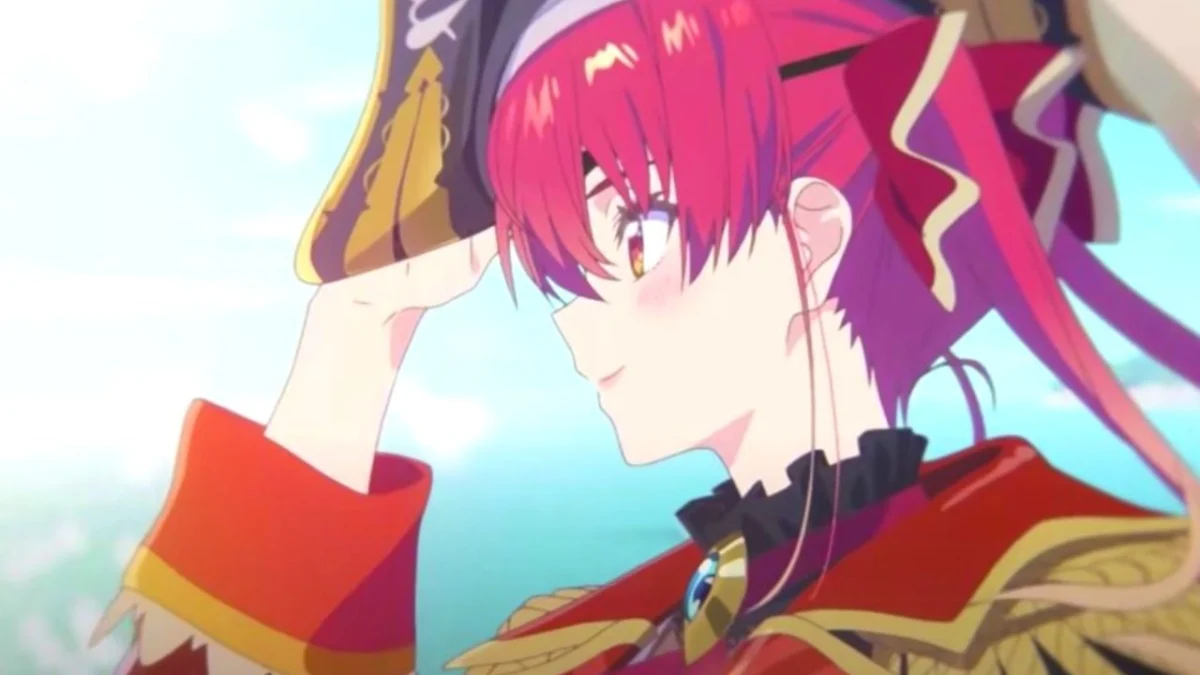
Have you ever clicked on a YouTube livestream only to find a vibrant, expressive anime character hosting the show, reacting in real-time to chat messages with fluid, lifelike movements? If you have, you’ve stumbled into the burgeoning world of VTubing (Virtual YouTubing). At the vanguard of this digital revolution is Hololive Production, a powerhouse agency that has transformed from a niche experiment into a global cultural phenomenon. Now, with the announcement of "Hololive Alternative," the company is poised to redefine the relationship between creators, technology, and international fanbases.
The Genesis of the VTuber Phenomenon
The concept of the "Virtual YouTuber" is deceptively simple: a content creator uses motion-capture technology to animate a digital avatar, which then performs on camera in their place. While the technology itself—using cameras, sensors, and software to map a human’s facial expressions and movements onto a 3D or 2D model—has existed in various forms for years, Hololive took this medium and elevated it to an art form.
By combining the charm of anime aesthetics with the unscripted, high-energy spontaneity of modern streaming, Hololive has created a unique form of entertainment that transcends traditional media boundaries. The agency, owned by Cover Corp, was formally established in December 2019 and has since grown into a massive talent collective, managing a roster of over 50 unique, character-driven personalities. These include global stars like Takanashi Kiara, Ninomae Ina’nis, and Gawr Gura, who have shattered records for viewership and fan engagement.
The Ambitious Vision: "Hololive Alternative"
While Hololive’s success has been built on the backs of individual streamers, the company is now looking toward a more unified future. Enter "Hololive Alternative," an ambitious cross-media project that aims to move beyond simple livestreaming.
The project, which was teased through a breathtaking promotional video, envisions a expansive virtual world—an "Alternative" reality—where the Hololive roster can exist within a cohesive, interconnected lore. This is not merely an update to their existing software; it is a fundamental shift in how the agency interacts with its audience. The vision is to create a digital landscape where performers can host live, immersive shows that allow international fans to participate as if they were standing in the same room, effectively dismantling the physical and geographic barriers that have historically separated creators from their global communities.
Chronology of an Evolving Agency
To understand the significance of this move, one must look at the meteoric rise of the agency:
- 2019: Cover Corp consolidates its various virtual talent projects under the unified "Hololive Production" banner. The brand begins an aggressive expansion, recruiting talent with diverse linguistic backgrounds to cater to a global audience.
- 2020: The "Great Expansion." As the global pandemic forced the world into lockdown, VTubers saw an unprecedented surge in popularity. Hololive’s English-speaking branch, "Hololive English," launched, bringing in millions of new viewers and solidifying the agency’s foothold in Western markets.
- 2021 (The Turning Point): With the announcement of "Hololive Alternative," the company signals its intent to become a multimedia powerhouse, expanding into manga, original music, and virtual reality experiences.
- The Current Era: The agency continues to refine its motion-capture technology, pushing the boundaries of what is possible in real-time animation, while simultaneously scouting new talent to populate the ever-growing "Alternative" world.
Supporting Data: The Power of the Virtual Community
The statistics behind Hololive are, by any metric, staggering. With a roster of over 50 creators, the collective reach of the agency spans hundreds of millions of views monthly.
The appeal of the VTuber is rooted in the "parasocial" experience—a form of relationship where the fan feels a genuine connection to the performer. Unlike traditional celebrities, VTubers often stream for hours at a time, playing games, singing, and chatting directly with their audience. This creates a feedback loop of intimacy. When Hololive announced the second round of auditions for new talent (a process that concluded in late March 2021), the response was overwhelming, proving that the desire to participate in this digital ecosystem is not limited to the audience, but also to the next generation of content creators.
Furthermore, the integration of merchandise, digital goods, and virtual concerts has turned Hololive into a highly profitable enterprise. By leveraging the "Alternative" brand, they are essentially building a metaverse—a persistent digital world where fans are not just spectators, but participants in the ongoing story of their favorite characters.
Official Stance: The CEO’s Blueprint
Motoaki Tanigo, the CEO of Cover Corp, has been transparent about the company’s long-term goals. In various statements, Tanigo has emphasized that his primary objective is to create an environment that minimizes the friction of distance.
"We want to create a world where language and location are no longer obstacles to entertainment," a representative of the company noted during the unveiling of the project. By leaning into the "Alternative" narrative, the company is attempting to provide a lore-heavy backdrop that keeps fans engaged even when the streamers are offline. The manga project, which is being serialized via Twitter, is a prime example of this strategy. It uses the visual medium to expand the character backgrounds, giving fans "canonical" stories to discuss and theorize about, which in turn fuels the growth of the brand’s intellectual property.
Implications for the Future of Entertainment
The implications of "Hololive Alternative" reach far beyond the VTubing community. We are witnessing the beginning of a shift in the "Creator Economy."
- The Death of Physical Barriers: By hosting concerts in a virtual space, the need for international travel, venue rentals, and physical ticket sales is drastically reduced. This allows for a more accessible, inclusive experience for fans in remote areas.
- Transmedia Storytelling: By moving from live streams to manga and potentially full-scale animation, Hololive is proving that a character’s "life" does not need to be confined to a single platform. This is the blueprint for future franchise building.
- The Rise of the "Digital Persona": As AI and machine learning continue to improve, the quality of these animations will only become more sophisticated. We may reach a point where the distinction between a "real" person and a "virtual" persona becomes purely philosophical.
Conclusion: A New Reality
Hololive is not just a company that makes "cute little animations." It is a pioneer of a new mode of human connection. Through the "Hololive Alternative" project, the agency is daring to imagine a future where the virtual and the real coexist seamlessly.
While there are certainly technical challenges ahead—maintaining the stability of a virtual world and ensuring the continued mental well-being of the talent behind the avatars are chief among them—the trajectory is clear. The fans, the creators, and the technology are aligning to create a space that is as limitless as the imagination of the people who inhabit it. As we look toward the future of digital media, one thing is certain: the world of Hololive is only just beginning to take shape. Whether through the pages of a new manga or the pixels of a virtual concert, the magic they are creating is here to stay, and the world is watching with bated breath to see what comes next.


 Iffa Jayyana
 Lina Hope