

Introduction: The New Frontier of Industrial Tourism
In an era defined by rapid technological shifts and the globalization of supply chains, the ability to pivot from traditional subcontracting to a value-added, brand-led business model is the ultimate mark of corporate maturity. For business leaders, academic researchers, and industrial enthusiasts, understanding this transition requires more than just reading textbooks; it demands an immersive, on-site experience.
A Sakai-based manufacturer, boasting over 60 years of heritage, has recently opened its doors to the public, offering a comprehensive factory tour that serves as a masterclass in operational transformation. As a leader in the signage industry—holding a dominant 10–15% domestic market share in stand signs—this company offers a rare, behind-the-scenes look at how a legacy firm can reinvent itself through product innovation, digital integration, and a commitment to nurturing a young, agile workforce.
The Chronology of Transformation: From Subcontractor to Industry Leader
The company’s journey is deeply rooted in the history of Sakai, a city known for its industrial prowess. Founded six decades ago, the organization began as a modest subcontractor, manufacturing bearings for the drive units of industrial machinery.
Phase 1: The Subcontractor Foundation (1960s – 1990s)
For the first several decades, the company thrived within the comfort of its parent company’s supply chain. While this provided stability, it limited the firm’s autonomy and growth potential. The management recognized that relying solely on subcontracting left them vulnerable to the cyclical nature of their partners’ demands.
Phase 2: The Strategic Pivot (2000s – 2020)
The turning point came with a bold decision to transition from a parts manufacturer to a "finished product" company. By vertically integrating their operations—handling everything from raw design and manufacturing to marketing and sales—they reclaimed control over their product identity. This shift allowed them to apply their precision engineering skills to the signage market, where they could directly serve end-users.
Phase 3: The Innovation Era (2021 – Present)
In January 2024, the company launched its proprietary product development platform. This initiative formalized the process of "co-creation," where employee-driven ideas are vetted and developed in collaboration with external partners. This has resulted in a suite of unique, problem-solving products that have elevated the company’s brand profile significantly.
Supporting Data: The Mechanics of Efficiency
The tour offers a granular look at how the factory achieves a rare balance: high-quality precision alongside rapid, same-day shipping capabilities.
Precision Through Capital Investment
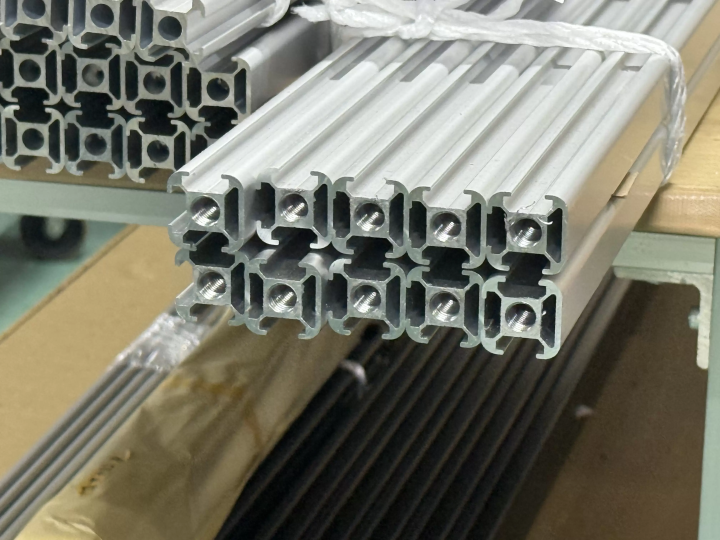
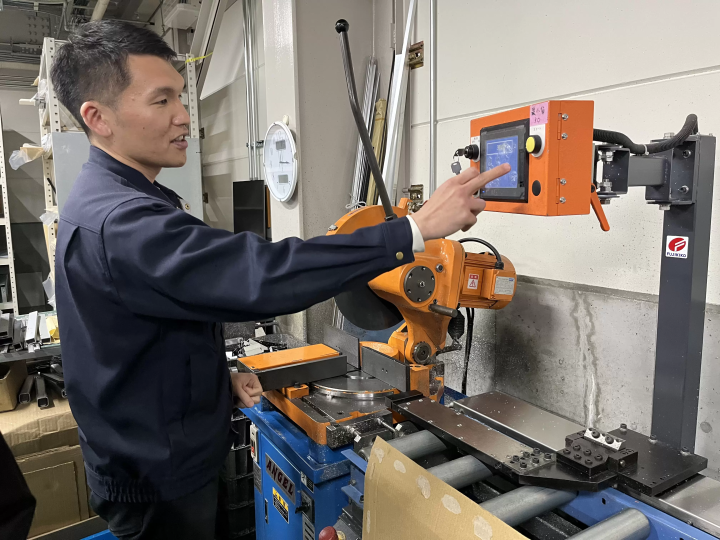
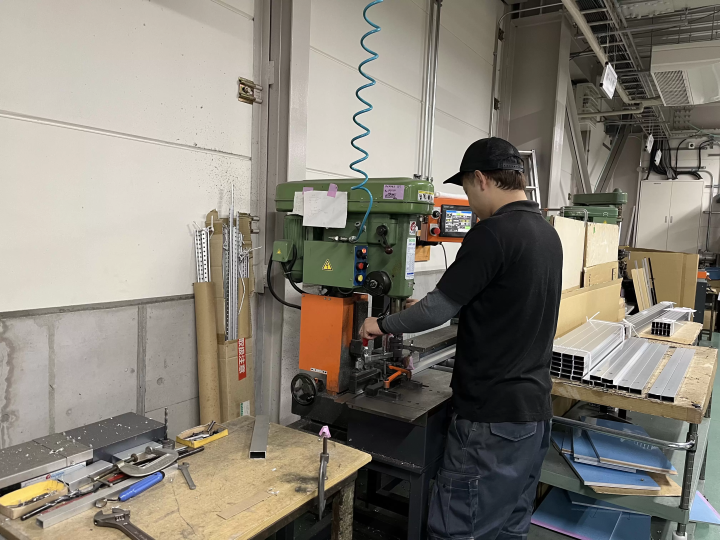
Historically, signage manufacturing relied heavily on the "craftsman’s eye"—a process prone to human error and variable quality. To mitigate this, the company has heavily invested in automated machining equipment. By replacing manual tape measures and pencils with digital precision-cutting tools and standardized hole-drilling machines, the firm has stabilized its quality output. This shift has not only reduced waste but has also empowered a younger generation of workers to achieve professional-grade results immediately.
Data-Driven Inventory Management
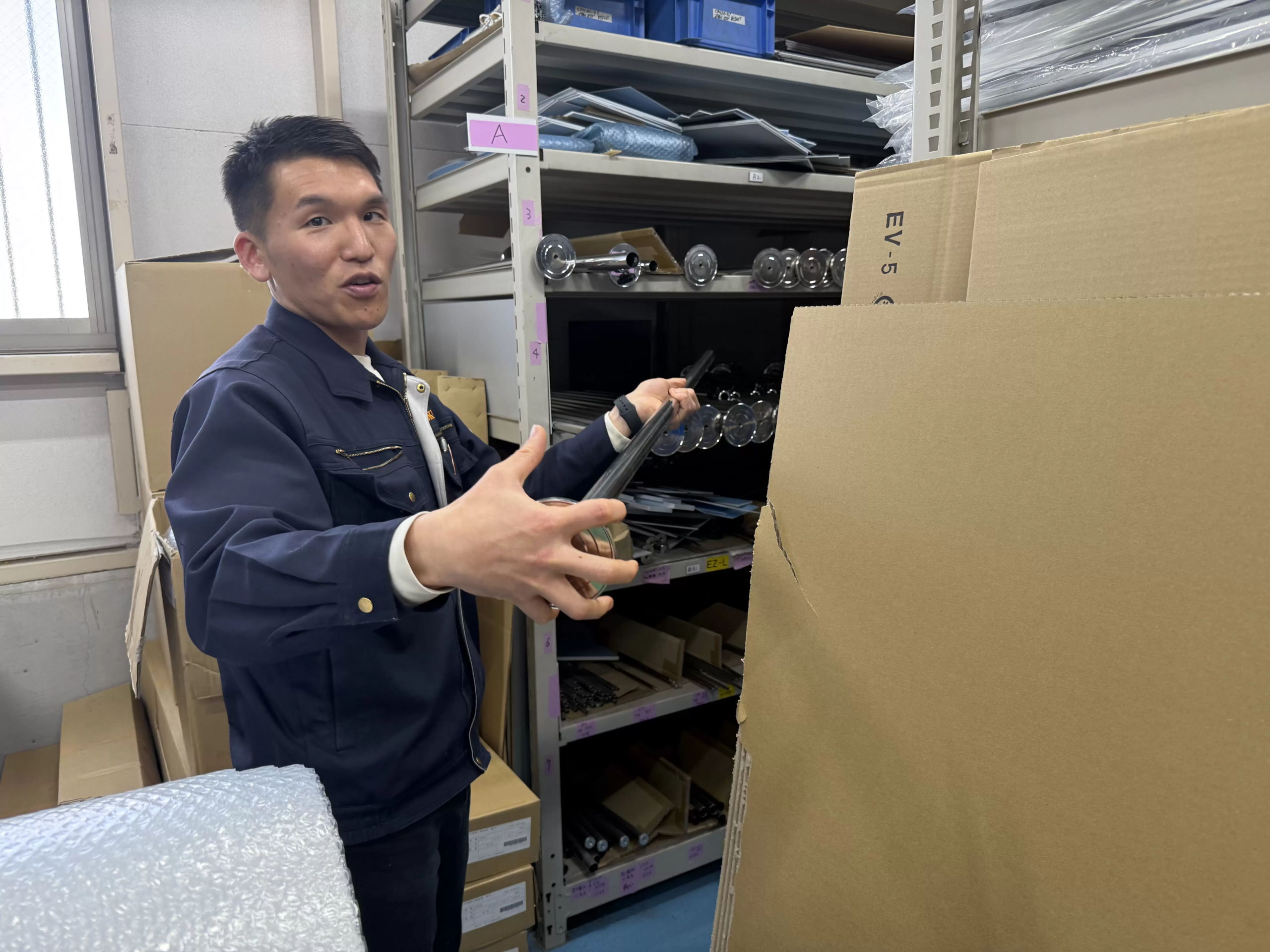
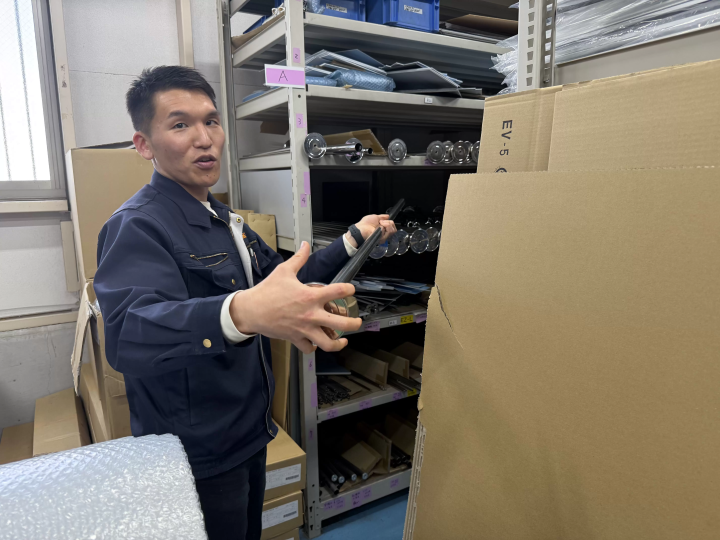
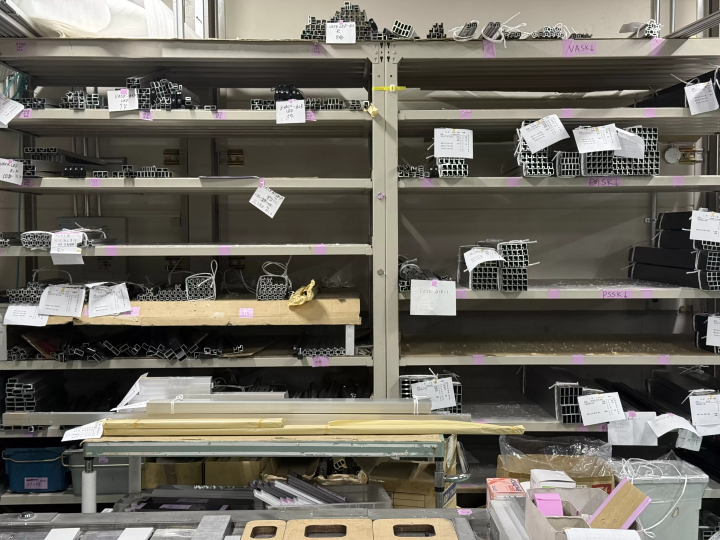
The facility currently manages approximately 2,500 different product parts. To track this, they have implemented a sophisticated real-time production management system. This system allows staff to monitor inventory levels with pinpoint accuracy, ensuring that the company can respond to market demand with unparalleled speed. By pre-designing parts for modular assembly, they have eliminated bottlenecks in the final production stage.
Product Innovation: The "Support Sign" Phenomenon
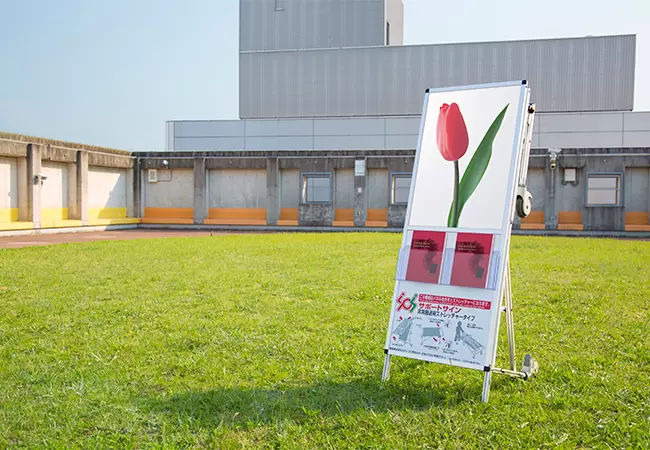
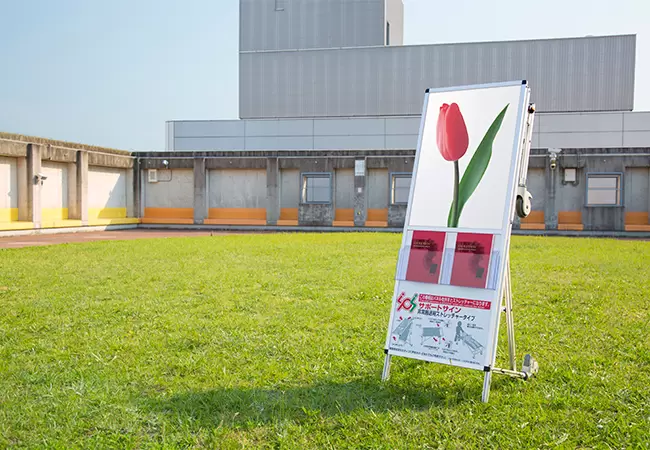
Perhaps the most compelling evidence of the company’s R&D prowess is the "Support Sign." Born from the company’s internal product development platform, this item is a testament to the power of design thinking.
Normally functioning as a standard information display, the "Support Sign" is engineered to convert into a wheelchair or a medical stretcher during emergencies, such as natural disasters. With over 500 units already installed in schools and corporations nationwide, the product has become a staple of modern disaster preparedness. It illustrates the company’s philosophy: that manufacturing should not only be efficient but also contribute to the safety and well-being of the local community.
Official Perspective: Empowering the Next Generation
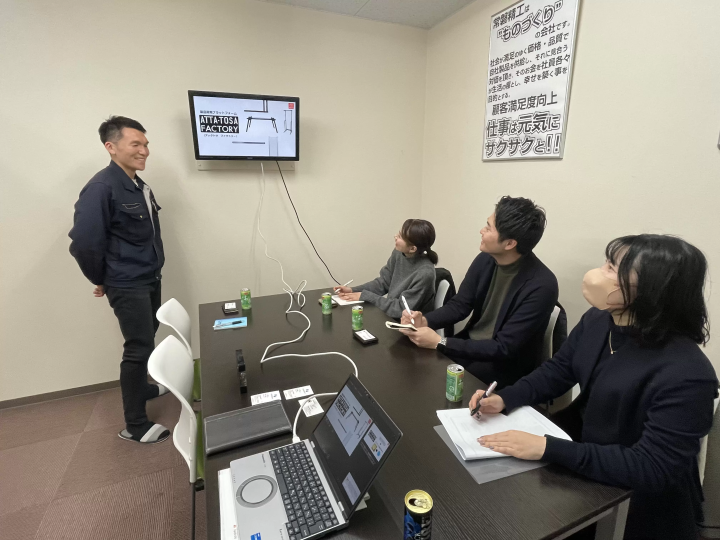
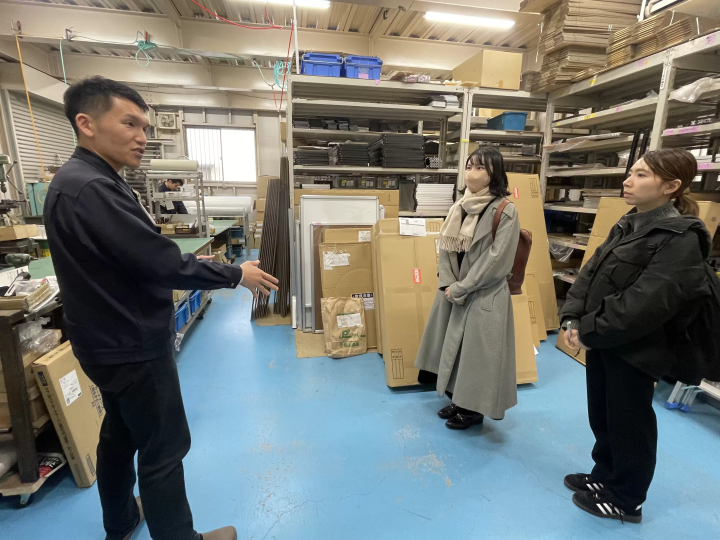
The tour is anchored by a keynote address from the company’s leadership. The presentation focuses on the "why" behind their business model: the transition from being a cog in a larger machine to becoming a proactive architect of their own future.
The Role of Human Capital
With an average employee age of just 31, the company is a case study in effective knowledge transfer. By removing the "mystique" of traditional manufacturing through the use of standardized equipment and clear systems, they have successfully lowered the barrier to entry for young talent. This ensures that the company remains vibrant and receptive to new ideas, a trait that is often lost in older, more traditional Japanese firms.
Global Outreach and Academic Interest
The company welcomes visitors from around the world, recognizing that the lessons learned in their Sakai facility have universal applications. As one international student from Taiwan noted after the tour:
"I was impressed by Japan’s technological capabilities and commitment to quality. Actually trying my hand at frame making was more difficult than I expected, but it was a lot of fun. This visit deepened my interest in manufacturing and gave me a good opportunity to think about my future."
Implications for Industry and Education
The factory tour is not merely a marketing exercise; it is an educational initiative that highlights three critical lessons for the modern manufacturing sector:
- Vertical Integration is Key to Survival: Moving up the value chain allows manufacturers to capture more of the profit margin and dictate their own market positioning.
- Digitalization Enhances, Not Replaces, Humanity: By automating the repetitive, high-precision tasks, the company has created space for human creativity and collaborative design to flourish.
- Community-Centric Innovation: When a company aligns its product development with the real-world needs of society—like disaster prevention—it gains a level of brand loyalty that standard marketing cannot purchase.
Experience the Process: Tour Details and Logistics
For those interested in witnessing this transformation firsthand, the company offers a structured, 90 to 120-minute immersive tour.
Tour Components:
- Executive Lecture: An in-depth discussion on the company’s pivot from subcontracting to finished product manufacturing, design management, and the power of industry-academia collaboration.
- Factory Floor Access: A guided walk-through of the production lines, demonstrating the integration of high-speed machinery and real-time inventory management systems.
- Hands-On Workshop: A unique "mini frame making" experience where visitors use real industrial equipment to cut and assemble their own frames, providing a tactile understanding of the challenges and rewards of manufacturing.
Pricing and Booking:
- Standard Tour (Factory Tour + Mini Frame Making): 3,800 JPY for adults; 1,900 JPY for children.
- Executive Package (Design Management Lecture + Tour + Workshop): 28,800 JPY per group.
Note: Bookings must be made at least two weeks in advance. International visitors are welcome, provided an interpreter accompanies them.
How to Inquire
The company encourages all interested parties—whether from the business, educational, or media sectors—to reach out via their official inquiry form. Upon submission, a representative from the industrial tourism department will respond within three business days to confirm availability and logistics.
Conclusion
The story of this Sakai-based manufacturer is a compelling narrative of resilience. By embracing modern technology, empowering young staff, and refusing to settle for the status quo of subcontracting, they have built a model for sustainable growth. For anyone looking to understand the future of "Made in Japan," a visit to this facility is an essential experience.











