
 Sagoh
Sagoh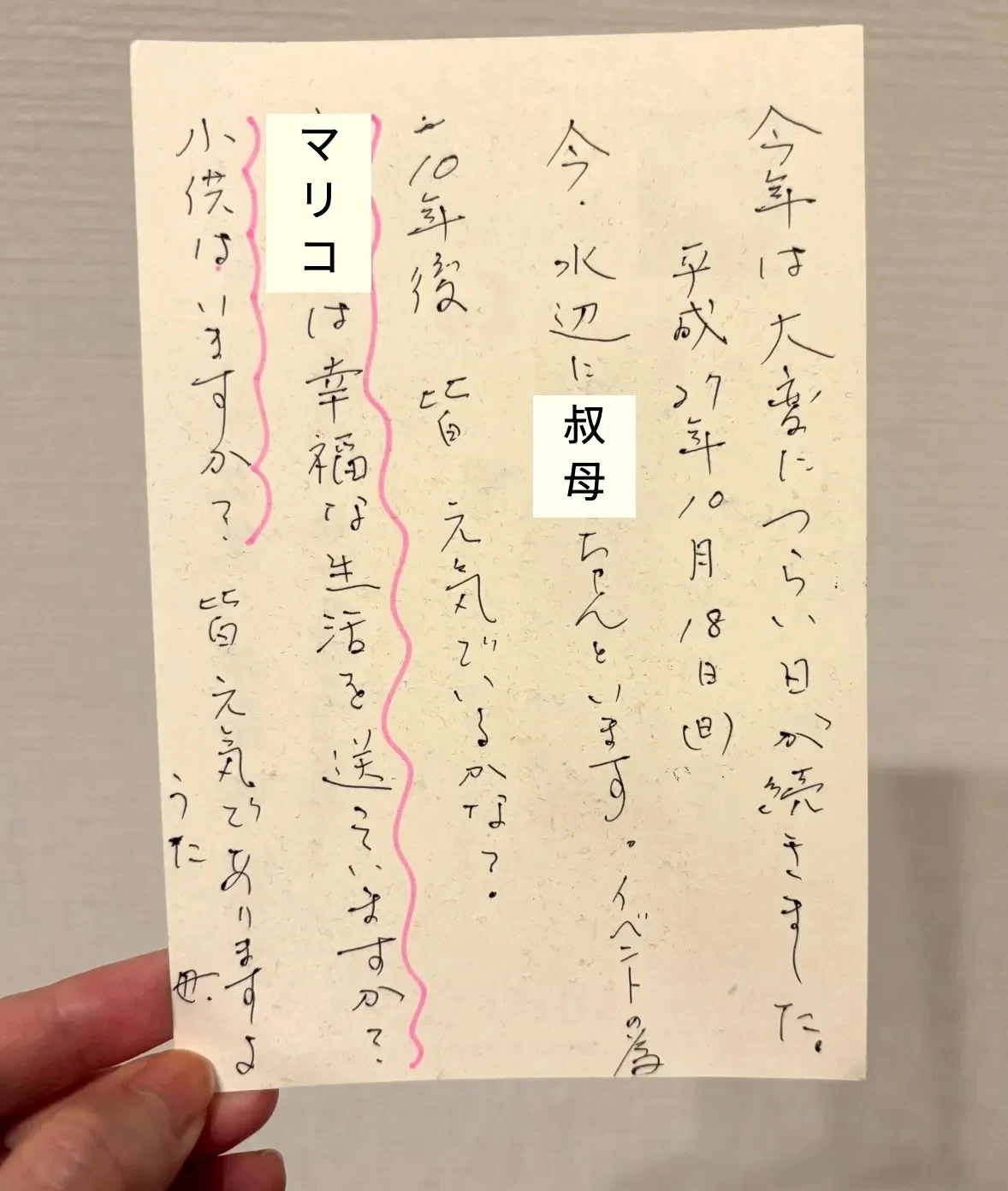
In an age defined by the instant gratification of digital communication, where ephemeral messages flicker across screens and vanish into the cloud, the arrival of a handwritten letter can feel like a profound anachronism. For Mariko Ohanabatake, a reporter based in Japan, a standard piece of mail recently arrived that defied the boundaries of time, distance, and even life itself. Ten years after it was penned, a letter from her late mother reached her doorstep—a missive that, through a staggering series of coincidences, arrived at the exact moment it was needed most.
The Genesis of a Time-Capsule Message
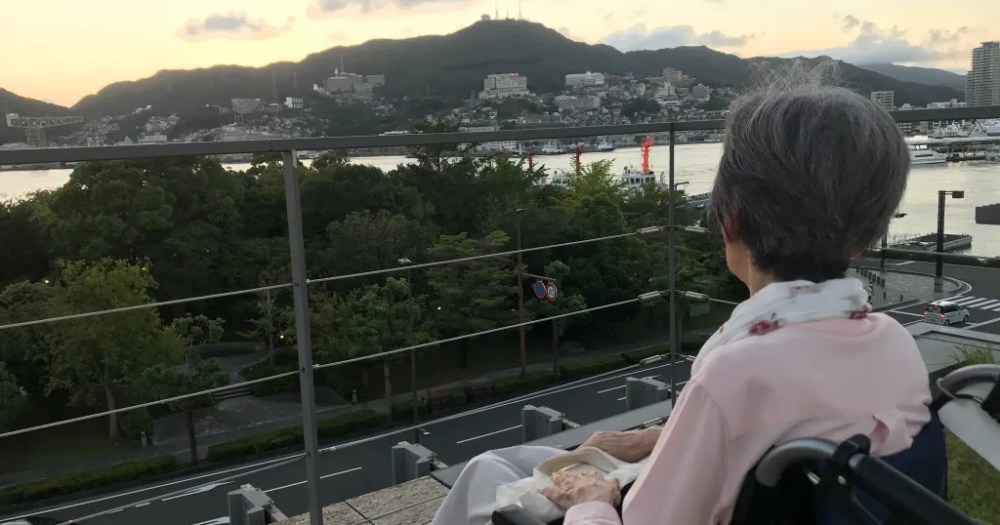
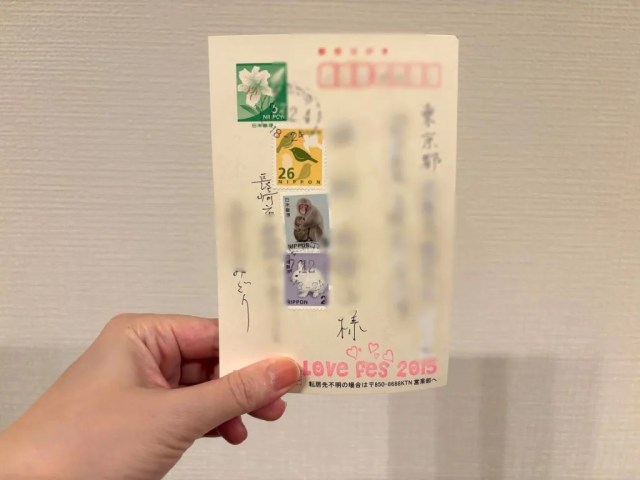
The story began in 2015, in the coastal city of Nagasaki. Mariko’s mother, participating in a local community initiative, sat down to compose a message to her daughter. The event offered residents the unique opportunity to entrust letters to organizers, who committed to safeguarding the correspondence and mailing it exactly one decade later.
At the time, the world of 2015 felt vastly different for both women. Mariko was navigating a period of immense professional and personal strain, laboring in a high-pressure, exploitative work environment. Her mother, meanwhile, was weathering a season of deep grief. Within the months preceding the writing of the letter, she had suffered the loss of both her younger and older brothers, as well as the passing of her ex-husband, Mariko’s father.
Despite the pervasive melancholy of that year, the mother’s focus remained firmly on the future. She poured her hopes for her daughter into ink, documenting her thoughts on the flow of time and the quiet pursuit of happiness. Demonstrating an extraordinary level of foresight and commitment, when Mariko married in 2023, her mother—even while grappling with a terminal stomach cancer diagnosis—took the time to contact the organization. She ensured that the address and name on the letter were updated, securing its trajectory toward her daughter’s future life.
Chronology of a Serendipitous Arrival
To understand the weight of this event, one must look at the timeline of the letter’s journey:
- 2015: The letter is written in Nagasaki, Japan. At this time, Mariko is unmarried and working a difficult job; her mother is mourning multiple family losses.
- 2023: Mariko marries. Her mother, despite declining health, proactively updates the delivery details for the letter to ensure it reaches its destination.
- Late 2024/Early 2025: Mariko’s mother passes away due to complications from stomach cancer.
- May 2026: Three days after Mariko receives the life-changing news that she is pregnant, the letter arrives in her mailbox.
The letter, postmarked by the organizers a full decade after its inception, landed in Mariko’s hands at a moment of transition. It contained simple, poignant questions: "In 10 years’ time, will everyone be doing well? Will you, Mariko, be leading a happy life? Will you have children?"
The Burden of Expectations and the Grace of Unconditional Love
For many, a parent’s inquiry about grandchildren can carry the weight of societal expectation or pressure. However, Mariko’s relationship with her mother was defined by a different set of dynamics. Mariko did not marry until she reached her 40s, a path that often invites scrutiny in traditional contexts. Yet, her mother remained a constant source of support, never once pushing for the "traditional" milestones of marriage or motherhood.
In a candid conversation prior to her passing, her mother had offered a sentiment that brought immense comfort to Mariko: "I like kids, but I can’t picture you as a mother. Don’t worry about giving me grandkids, though. You were an adorable child, and that’s all I needed."
When Mariko opened the letter and read the question about grandchildren, she was struck by a complex wave of emotion. While she knew her mother’s words about not needing grandchildren were sincere, the physical presence of the question in the letter served as a poignant reminder of the universal desires of a parent. Mariko reflects that her mother, known for her deeply caring nature, might have even felt a sense of anxiety from the "other side," fearing that the question might burden her daughter.
The Convergence of Fate and Biology
The emotional climax of this story occurred exactly 72 hours before the letter was delivered. Mariko discovered she was pregnant. At 40, this was a development that she had largely reconciled herself to never experiencing.
The coincidence of the timing is statistically improbable, yet psychologically overwhelming. While one might attribute the delivery date to the administrative mechanics of the 10-year project, Mariko finds it impossible to view it as mere chance. To her, the letter functions as a bridge. It transforms a retrospective inquiry into a prophetic blessing. The question "Will you have children?" is no longer a pestering doubt, but a gentle inquiry that arrived precisely when the answer could be whispered back to the sender.
Implications for Modern Grief and Technology
This story raises significant questions about how we memorialize our loved ones in a digital age. While modern technology allows us to store thousands of photos and voice recordings, the tactile nature of a handwritten letter—a physical object that has existed in the same space as the deceased—carries a weight that pixels cannot replicate.
The "10-year letter" project serves as a therapeutic tool for the living. It forces the writer to step outside their current suffering and plant a seed of hope in the future. For the recipient, it provides a "grief anchor," a way to maintain a dialogue with someone who is no longer physically present.
Psychologists often note that the "delayed" nature of such messages can be transformative. Receiving a message from a parent who has passed away allows for a "second conversation"—one where the recipient is in a different stage of life, perhaps better equipped to understand the nuances of the parent’s perspective.
Looking Toward the Future
As Mariko prepares for the arrival of her child this summer, the letter has become more than just a piece of paper; it is a family heirloom. It stands as a testament to the fact that love, once put into motion, does not necessarily stop when a life ends.
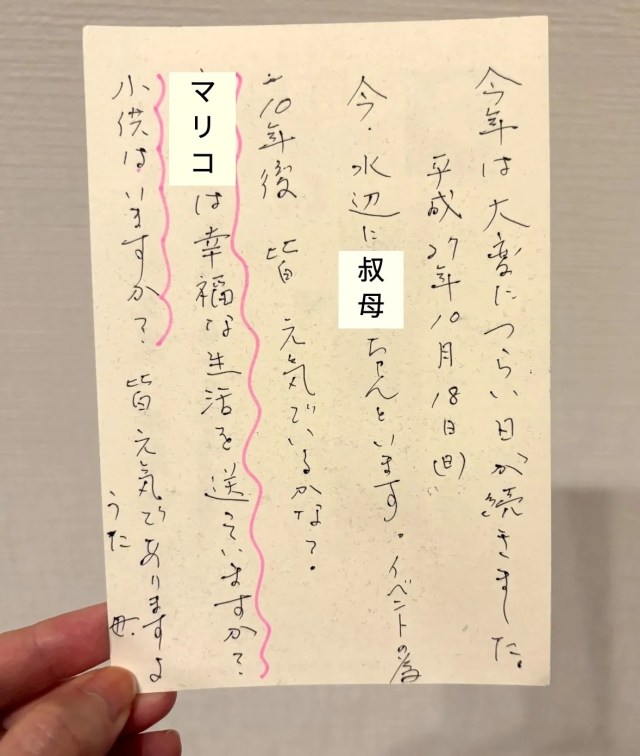
Mariko has expressed her intention to preserve the letter with the utmost care. When her child is old enough to read and understand the complexities of family history, she plans to share the story of the letter from Grandma. It is a story of a woman who, while facing her own mortality, reached out across a decade to ensure her daughter would feel heard, understood, and, ultimately, loved.
In a world that often feels fractured and transient, this narrative reminds us of the enduring power of intentional communication. Whether through the humble medium of paper and pen or the sophisticated tools of the modern age, the desire to connect with the future remains one of the most fundamental human experiences. For Mariko, the ten-year wait was not merely a passage of time—it was a journey that led, quite literally, to the beginning of a new life.


 Neng Nana
 Asro
Asro





