

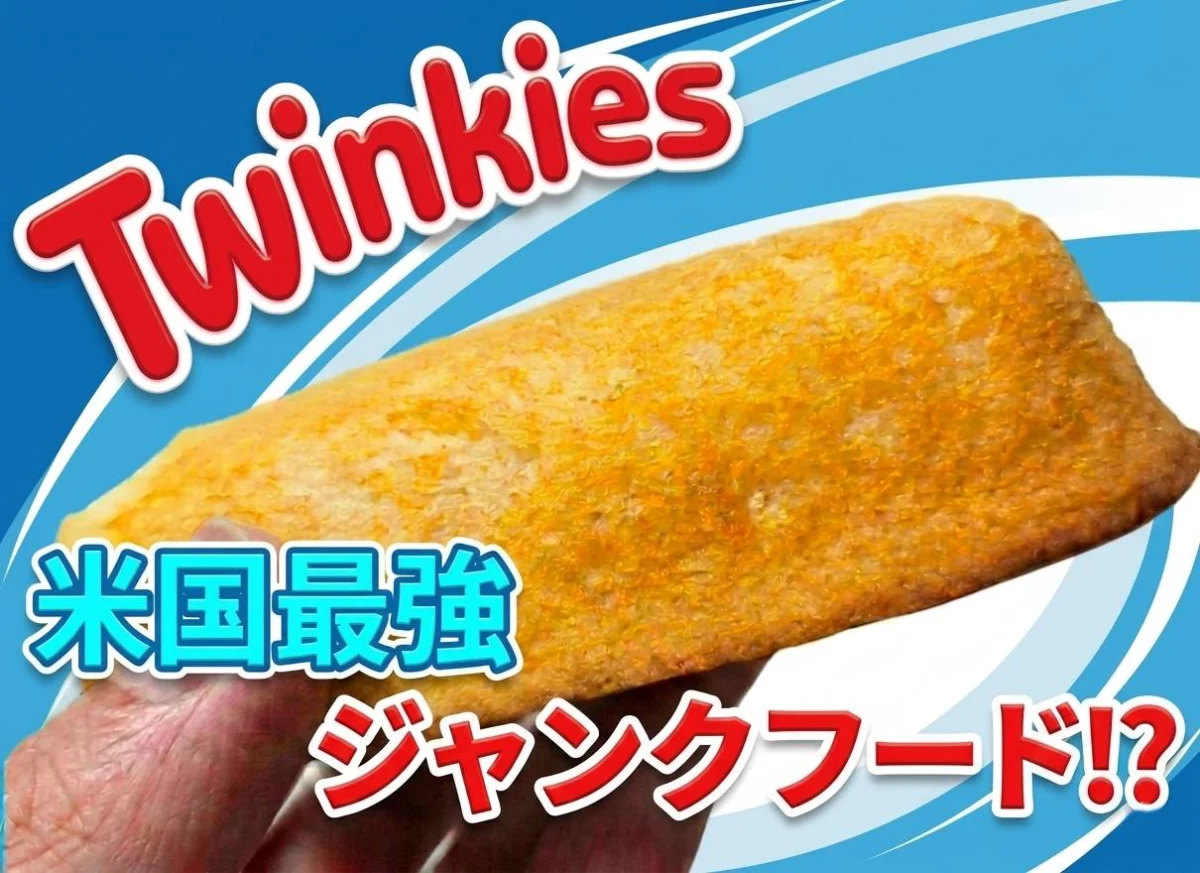
In the global landscape of snack foods, few items possess the mythological status of the Hostess Twinkie. Immortalized in pop culture through the frantic, zombie-slaying pursuits of Woody Harrelson’s character, Tallahassee, in the 2009 cult classic Zombieland, the cream-filled sponge cake has long been an object of fascination for international consumers. While Japan is globally renowned for its delicate, aesthetically refined, and seasonal confectionery, there exists a profound, localized curiosity regarding the heavy-handed, unapologetic indulgence of American snack culture.
For many in Japan, the Twinkie represents the antithesis of the "less is more" philosophy. Recently, this curiosity led SoraNews24 reporter Takuya Inaba to bridge the divide between East and West, resulting in an experiment that transformed a humble American shelf-stable snack into a high-concept, deep-fried delicacy. The verdict? A culinary revelation that suggests the future of international fusion may lie not in fine dining, but in the deep-fryer.
The Quest for the Golden Sponge
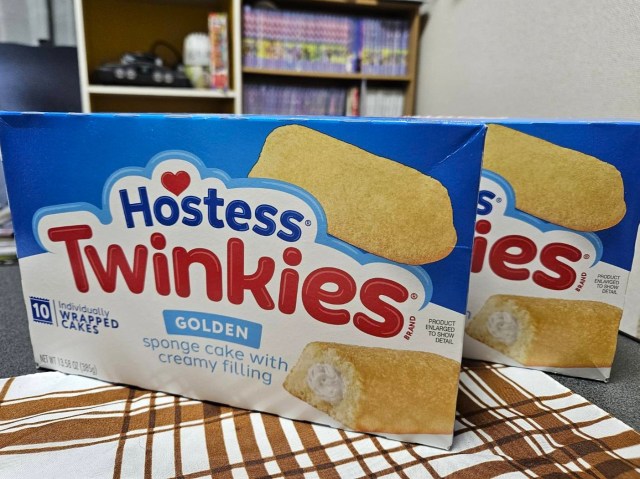
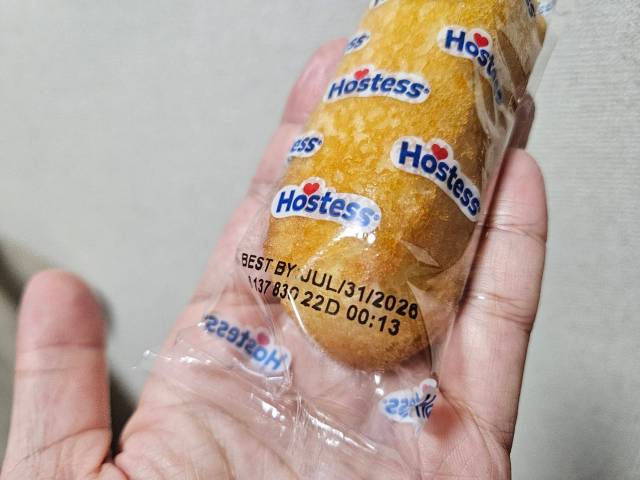
The saga began with a simple, digital search. For years, the Twinkie was a rare import, often found only in specialized boutique shops at significant markups. However, as e-commerce platforms like Amazon continue to bridge the gaps in global logistics, Inaba discovered he could procure a 20-pack of the iconic snacks for 1,350 yen (approximately $9.15 USD).
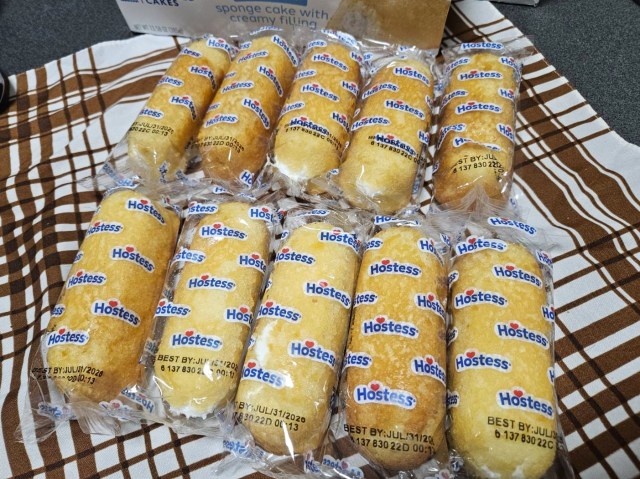
Upon arrival, the unboxing revealed a stark contrast to local Japanese favorites like Tokyo Banana. While the aroma carried faint notes of the traditional castella sponge cake, the physical density of the product was startling. These were not the airy, delicate confections typical of Japanese pastry shops; they were heavy, sugar-laden, and engineered for shelf stability.
Chronology of a Culinary Experiment
Inaba’s investigation followed a structured path of discovery, moving from baseline consumption to culinary subversion.
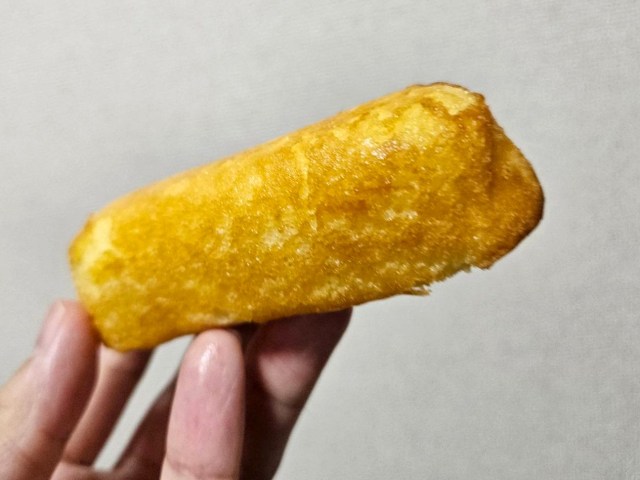
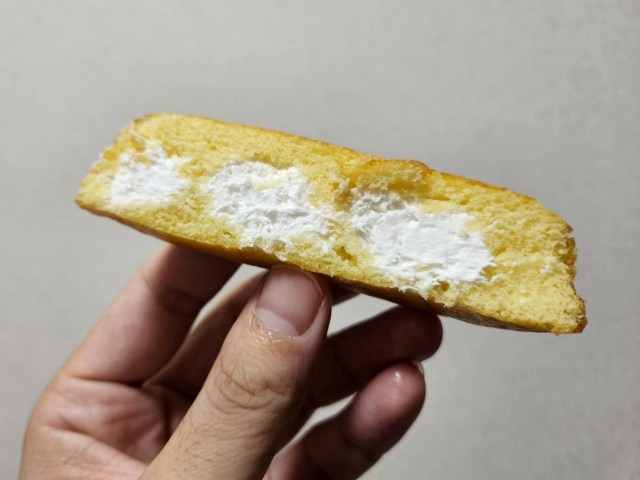
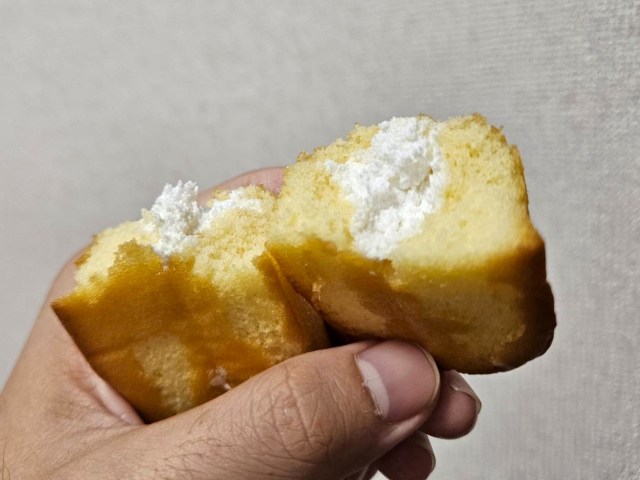
- Phase I: The Baseline Experience. Upon first taste, the immediate reaction was one of sensory overload. The cream filling—dense and pervasive—clung to the palate, while the cake itself provided an intensity of sweetness that challenged the boundaries of traditional Japanese taste preferences. It was a "relentless" experience, described by Inaba as an "all-out assault on the taste buds."
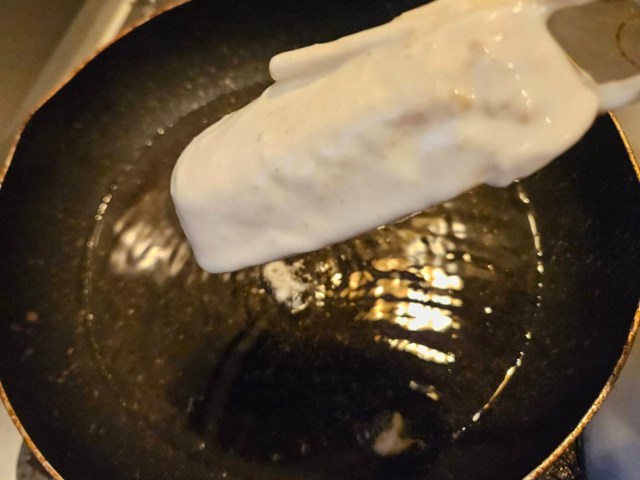
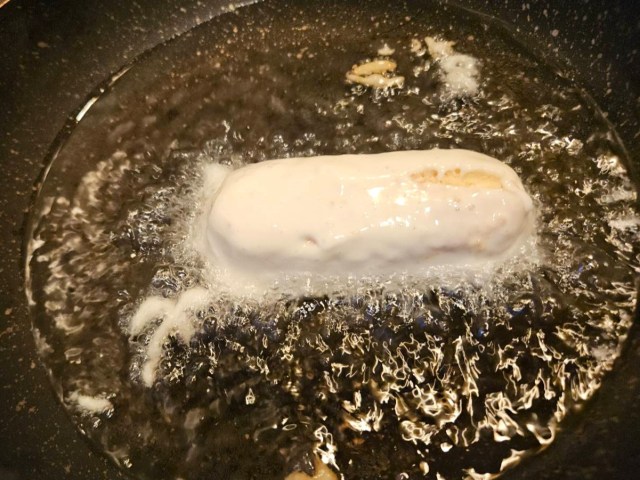
- Phase II: The Pancake Batter Transformation. Inspired by online lore regarding the "deep-fried Twinkie" craze common at American state fairs, Inaba applied a classic pancake batter coating. The result was a dramatic shift: the heat of the oil mellowed the sugary intensity, creating a crispy exterior that acted as a necessary counterpoint to the molten, gooey interior.
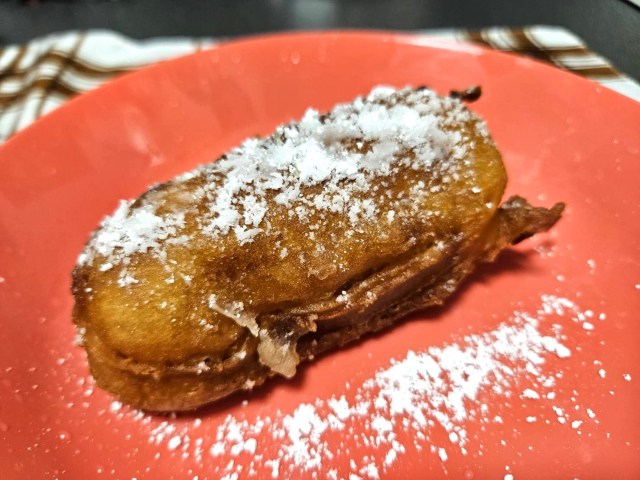
- Phase III: The Tempura Evolution. Recognizing the superiority of the fried variant, Inaba sought to refine the process using Japanese techniques. By utilizing a traditional tempura batter—composed of flour, egg, and ice-cold water—and, crucially, starting with a frozen Twinkie to prevent structural collapse, he achieved a professional-grade result. The final product was a "warrior in a golden helmet," offering a texture far superior to the pancake-battered version.
Supporting Data: The Science of the Fry
The success of this experiment is rooted in the chemistry of heat and fat. When a Twinkie is subjected to high-heat frying, several chemical reactions occur. The Maillard reaction—the browning of the outer surface—creates complex flavor compounds that mask the "artificial" sweetness of the shelf-stable cake.
Furthermore, the use of ice-cold water in the tempura batter is a staple of Japanese culinary science; the sudden temperature differential between the cold batter and the hot oil creates a light, glass-like crust that shatters upon impact. By using a frozen Twinkie, Inaba effectively managed the internal cream, allowing it to transition from a chilled state to a molten one without leaking into the oil. This technical approach effectively "tamed" the excessive sweetness of the original product, providing a balanced, sophisticated dessert profile that was previously hidden behind the overwhelming glucose content.
Cultural Implications: The New Fusion
The implications of this experiment extend beyond mere snack-food novelty. It highlights the shifting nature of international food relations. For decades, the flow of culinary influence has often been unidirectional, with Japanese washoku and confectionery influencing global standards. However, the rise of "fusion-indulgence"—taking mass-produced, globalized items and applying local artisanal techniques—suggests a new frontier for food enthusiasts.
If a humble snack like the Twinkie can be elevated to a "tempura-grade" delicacy, it raises questions about what other items are ripe for such transformation. The potential for this to become a trend in Japanese food hubs, such as Harajuku or Shin-Okubo, is significant. Historically, these areas have served as testing grounds for Western-inspired trends, from crepes to rainbow-colored cheese toast. A "Tempura Twinkie" stand would likely generate the long, winding queues characteristic of these trendy districts, turning a mundane American import into an Instagrammable, high-demand culinary experience.
Official Industry Perspective
While Hostess has not issued an official statement regarding the "Tempura Twinkie" trend, the company has historically leaned into the creative ways fans consume their products. The popularity of the "Deep-Fried Twinkie" in the U.S. has led to the commercial production of pre-packaged, frozen deep-fried Twinkies in some markets.
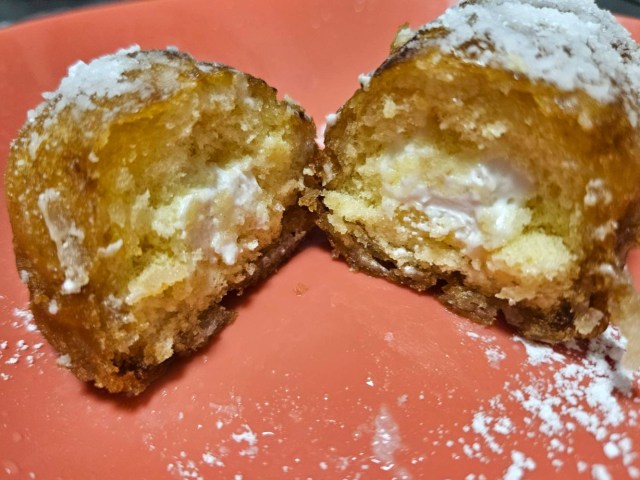
However, the Japanese approach—prioritizing the crispness of the tempura batter over the heavy, doughy coating of American carnival food—offers a distinct "premiumization" of the snack. Nutritionists might argue against the caloric density of such an endeavor, but from a culinary standpoint, the conversion of a processed, mass-market item into a temperature-controlled, crispy-and-gooey contrast is a hallmark of successful kitchen innovation.
Conclusion: The Path Forward
Takuya Inaba’s experiment serves as a microcosm of global gastronomic curiosity. It proves that there is no such thing as a "bad" ingredient, only an improperly prepared one. By applying the rigor of Japanese tempura techniques to the unapologetic sweetness of the American Twinkie, Inaba managed to unlock a level of quality that the snack was never intended to reach in its original, plastic-wrapped state.
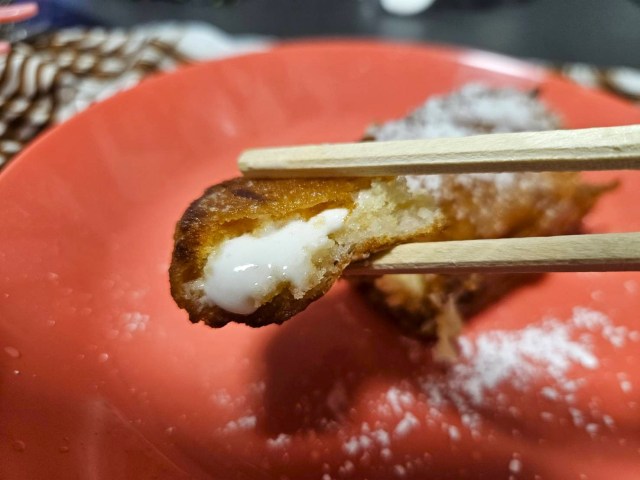
For those who view the Twinkie as a relic of the past, the "Tempura Twinkie" is a wake-up call. It is a reminder that in the kitchen, as in life, innovation is often found at the intersection of conflicting cultures. As Inaba noted, the only danger now is the ease with which one can consume these golden, deep-fried treats. With 17 units remaining in his kitchen, the potential for a daily habit remains high, marking the beginning of a newfound, albeit dangerous, appreciation for a classic American staple re-imagined through a Japanese lens.
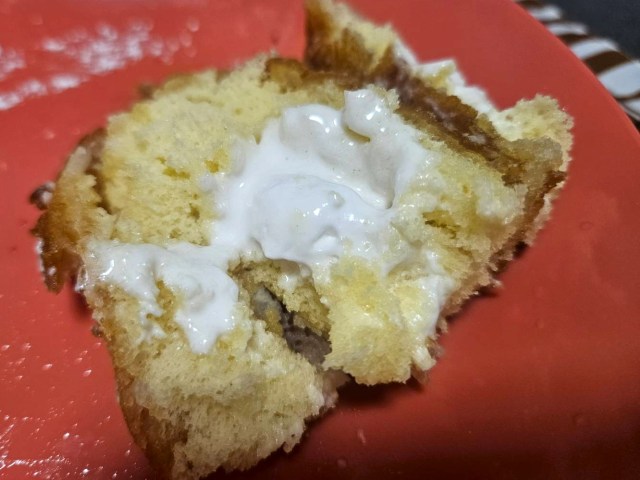
Whether this trend moves from the home kitchen to the storefronts of Tokyo remains to be seen, but one thing is certain: the Twinkie has been effectively reclaimed, battered, fried, and elevated to a status that even the most hardened Zombieland survivalist would envy.











