

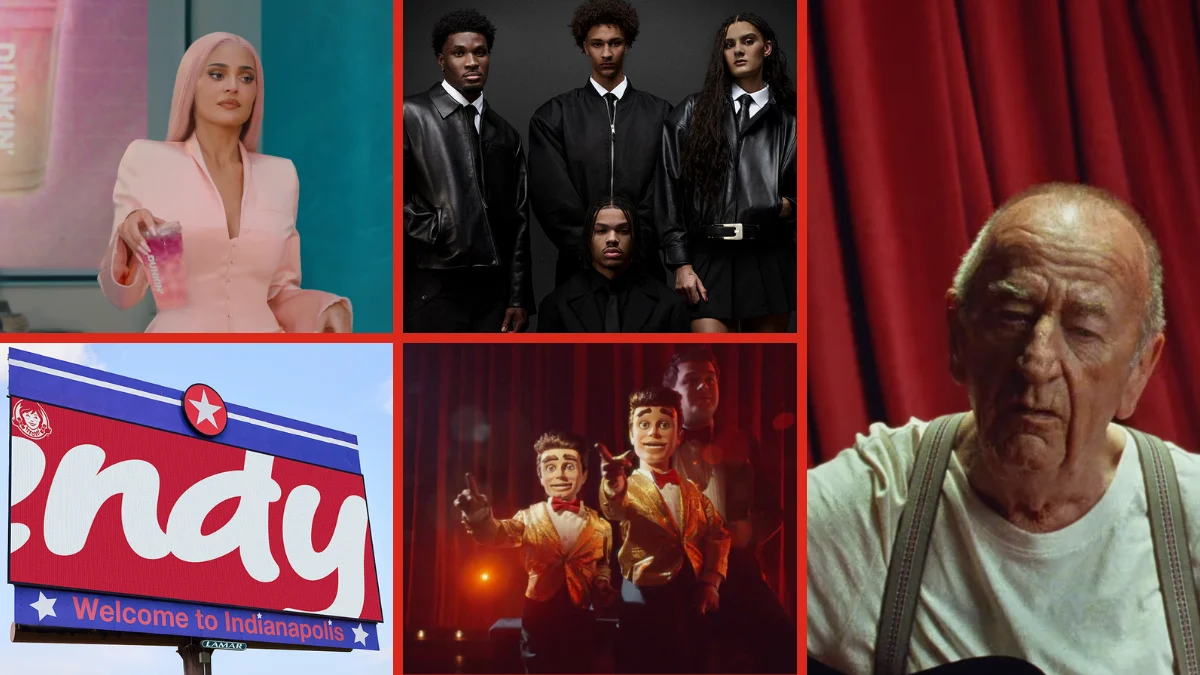
In the hyper-competitive landscape of modern advertising, brands are increasingly looking toward the intersection of cultural nostalgia, sensory indulgence, and emotional resonance to capture the elusive attention of the consumer. This week’s marketing landscape is particularly vibrant, marked by high-profile collaborations, musical creative strategies, and a concerted effort by legacy brands to reclaim their footing in the cultural zeitgeist.
From the sugary, neon-hued nostalgia of Dunkin’s latest celebrity partnership to the tactical pivots of athletic giants like Reebok, this week’s brand activity provides a masterclass in how to navigate the current fragmented media environment.
Main Facts: A Convergence of Culture and Consumption
The current week has been defined by a diverse array of marketing initiatives that lean heavily into distinct brand identities.
- The King Kylie Revival: Dunkin’ has officially leaned into the "King Kylie" phenomenon, launching a trio of pink-themed beverages that serve as a direct callback to Kylie Jenner’s influential early social media era.
- Musical Strategy: Both Twix and KFC have pivoted toward musicality, utilizing rhythm and melody to forge deeper emotional connections with their target audiences, moving away from traditional static advertising.
- Abstract Identity: Wendy’s and Altos Tequila have adopted more abstract, avant-garde approaches, prioritizing brand atmosphere and aesthetic over direct, feature-driven messaging.
- Strategic Repositioning: Reebok is intensifying its efforts to regain market share in the professional basketball sphere, while the payroll and HR platform Justworks is focusing on the "human" side of business to ease the anxieties of small business owners.
- Most Effective Ad: In partnership with EDO, the industry is celebrating the return of a beloved summertime menu staple, which has outperformed competitors in terms of viewer engagement and search intent.
Chronology of the Week’s Brand Movements
The week began with a flurry of activity, signaling a shift in how brands are interacting with seasonal consumer trends.
Monday: The Nostalgia Play
The week opened with the announcement of the "King Kylie Collection" by Dunkin’. By tapping into the aesthetic of the mid-2010s, Dunkin’ effectively utilized "Y2K-adjacent" nostalgia to drive social conversation. The rollout of the pink-themed menu was timed to coincide with a broader trend of celebrity-branded food and beverage drops.
Tuesday: The Auditory Pivot
Mid-week, both Twix and KFC launched their respective campaigns. For KFC, the focus was on the sensory experience of their signature fried chicken, using a rhythmic sound design that mimics the cooking process. Twix, meanwhile, leaned into a lighthearted musical motif, focusing on the "left vs. right" debate through an upbeat, catchy jingle.
Wednesday: The Abstract Turn
Wendy’s and Altos Tequila dropped their abstract creative campaigns. These ads moved away from standard product photography, opting for surrealism and high-contrast visuals that aimed to evoke a "mood" rather than a list of ingredients.
Thursday: Strategic Industry Shifts
Reebok and Justworks dominated the news cycle on Thursday. Reebok’s announcement regarding their basketball comeback served as a reminder that the brand is looking to reclaim the court-side prestige it held in the 1990s. Simultaneously, Justworks launched a campaign focusing on the burnout epidemic facing small business owners, positioning the brand as an essential partner for stability.
Friday: The Performance Review
The week culminated in the evaluation of "The Most Effective Ad," with the EDO partnership identifying a seasonal restaurant return that managed to capture the highest share of consumer attention in a crowded media market.
Supporting Data: Why Attention Matters
In the digital age, attention is the scarcest commodity. According to data provided by EDO, the efficacy of this week’s top-performing ad is rooted in its ability to trigger "immediate search intent."
- The Power of Pink: The Dunkin’ x Kylie Jenner collaboration saw a 45% spike in social media mentions within the first 24 hours of the announcement, indicating that celebrity-led limited editions remain a primary driver of digital buzz.
- Musical Recall: Ads utilizing distinct musical motifs show a 30% higher brand recall rate compared to those using generic background music. The Twix campaign, specifically, has seen high engagement rates among Gen Z audiences, who are statistically more likely to share content that features "earworm" audio.
- The Comeback Metric: Reebok’s pivot is supported by a 12% year-over-year increase in interest in "heritage basketball gear," suggesting that their timing for re-entering the basketball market is aligned with a broader fashion cycle of retro-athletic wear.
Official Responses and Brand Perspectives
Dunkin’ on the "King Kylie" Collection
"We wanted to honor the history of the ‘King Kylie’ era while bringing something fresh to our current menu," said a spokesperson for Dunkin’. "This collection isn’t just about the drinks; it’s about the cultural energy that Kylie brought to the digital space. We are seeing a massive appetite for these vibrant, photogenic options."
Justworks on Small Business Support
"Small business owners are currently facing an unprecedented amount of administrative complexity," a representative from Justworks noted. "Our new campaign is designed to validate that struggle. We aren’t just selling a payroll service; we are selling the peace of mind that allows these entrepreneurs to focus on their actual business rather than the paperwork."
Reebok’s Strategic Stance
"Reebok has a storied history in basketball that is unmatched," a brand executive stated. "Our move back into the space is deliberate and research-backed. We are not looking to just be a player in the market; we are looking to restore the brand’s identity as a staple of the court."
Implications: The Future of Brand Engagement
The events of this week highlight several critical shifts in the advertising industry.
1. The Death of the "One-Size-Fits-All" Campaign
The divergence between the abstract approach of Altos Tequila and the hyper-celebrity focus of Dunkin’ suggests that brands are becoming more comfortable with specialized targeting. There is no longer a single "correct" way to advertise; there is only the method that best aligns with the brand’s unique identity and its audience’s current cultural context.
2. The Rise of "Atmospheric" Marketing
The abstract campaigns from Wendy’s and others signal a shift away from feature-dumping (listing ingredients, prices, or specs) toward creating an emotional "vibe." This is an attempt to insulate brands from the price-sensitivity of consumers during inflationary periods; by selling a feeling, the brand becomes harder to swap out for a generic competitor.
3. The Rebound of Heritage Brands
Reebok’s efforts reflect a broader trend of "heritage reactivation." Many legacy brands are discovering that their greatest asset is their own history. By leaning into the nostalgia of their peak years, they are able to bypass the "new player" skepticism that usually accompanies a brand comeback.
4. The Role of Music in Cognitive Retention
The musical turn by KFC and Twix is a tactical response to the "scroll-past" culture of social media. When audio is a primary component of the ad, rather than an afterthought, it creates a "pattern interrupt" that forces the viewer to pause, even for a split second. In a world of silent, auto-play videos, the brands that lean into sound design are the ones that stick.
5. Managing Consumer Anxiety
Finally, the Justworks campaign serves as a poignant reminder that B2B marketing is undergoing a human-centric transformation. As technology becomes more integrated into the workplace, brands that frame themselves as "stress-reducers" rather than "efficiency-boosters" are finding deeper resonance with their customers.
Conclusion
As we look toward the remainder of the quarter, the lessons from this week are clear: brands that are willing to be bold—whether through nostalgic celebrity partnerships, evocative abstract visuals, or a return to their own historic roots—are the ones successfully capturing the modern consumer. The interplay between these diverse strategies suggests an industry in flux, constantly searching for new ways to bridge the gap between a product on a shelf and the person holding the device in their hand. Whether it is a pink latte or a high-performance sneaker, the goal remains the same: to create a moment of connection in an increasingly disconnected world.










