Reynand Wu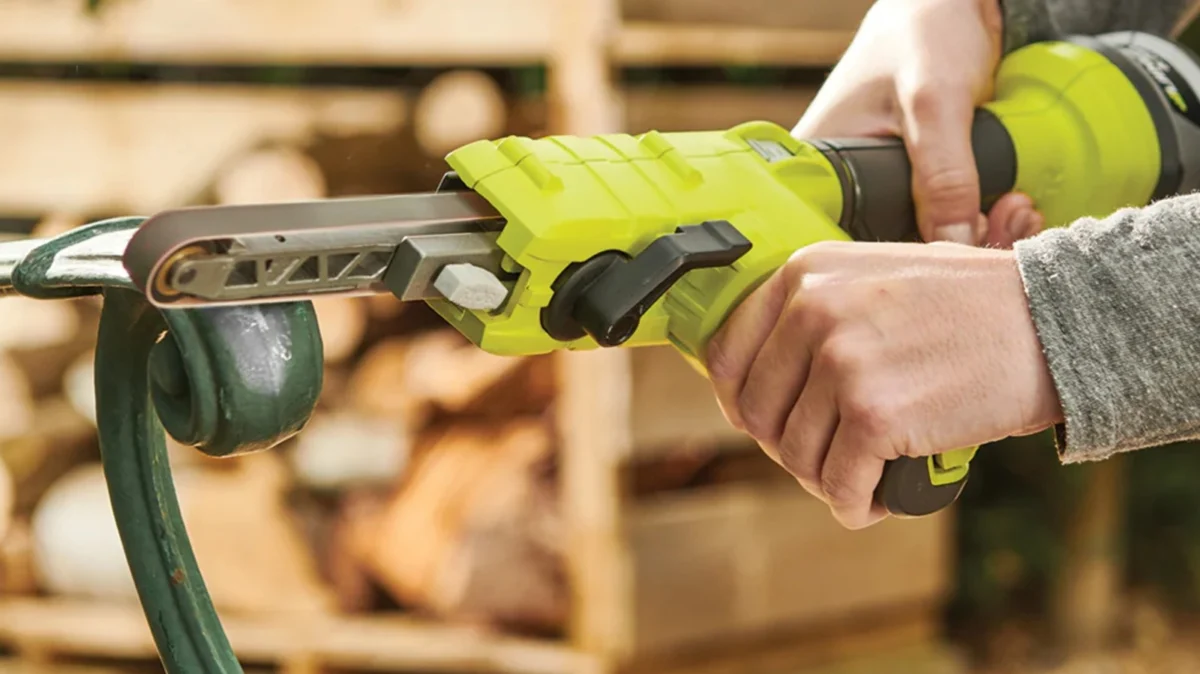
In the crowded landscape of the modern hardware market, DIY enthusiasts and professional contractors alike often find themselves paralyzed by choice. The tool aisle has become a battlefield of marketing, where "luxury" brands command premium prices for industrial-grade specs that the average homeowner may never fully utilize. However, a significant shift has occurred over the last decade: the rise of the value-oriented powerhouse. Ryobi, a brand that once sat squarely in the "entry-level" category, has effectively bridged the gap between affordability and professional-grade performance. By focusing on a massive, unified battery ecosystem and a relentless pace of innovation, Ryobi has earned a reputation that rivals industry titans, all while maintaining a price point that makes home renovation accessible to the masses.
Main Facts: The Anatomy of a Value Leader
The secret to Ryobi’s success lies in its 18V ONE+ system—an industry-leading initiative that allows a single battery platform to power hundreds of different tools. Unlike competitors that frequently change their battery architecture, forcing users to reinvest, Ryobi has maintained backwards compatibility for years. This strategic decision means that a battery purchased today will likely work in a tool purchased a decade ago, fostering deep brand loyalty.
While Ryobi is frequently lauded for its low cost, recent testing suggests the brand is no longer just a "cheap" alternative. In several high-load applications, Ryobi’s latest brushless motor technology has been shown to keep pace with, and occasionally outperform, much more expensive professional brands. This performance-to-price ratio has turned the brand into a favorite for both the weekend warrior fixing a leaky faucet and the serious hobbyist constructing custom furniture.
Chronology: The Evolution of the ONE+ Platform
Ryobi’s trajectory from a specialized power tool manufacturer to a household name is a case study in market adaptation.
- 1996: Ryobi introduces the 18V ONE+ system, a revolutionary concept at the time that prioritized modularity.
- Early 2000s: The brand establishes a strategic partnership with Home Depot, creating an exclusive distribution channel that streamlined logistics and kept prices low for the consumer.
- 2010s: Ryobi begins expanding its catalog beyond basic drills and saws into specialized trade tools, including soldering stations, caulk guns, and advanced laser measurement devices.
- 2020–Present: The introduction of the "HP" (High Performance) brushless line sees the brand pivot toward more demanding users, proving they can handle heavy-duty tasks that were previously reserved for $300+ professional units.
Supporting Data: The 14 Essential Tools for the Modern Workshop
To understand the breadth of the Ryobi ecosystem, one must look at the specific tools that have garnered thousands of positive consumer reviews. These tools represent the core of a versatile home improvement setup.
Airflow and Measurement
- 18V ONE+ Compact Workshop Blower: At just 2.5 pounds, this 160 MPH tool is a masterclass in efficiency. It provides the high-velocity air needed for shop cleanup without the bulk of a gas-powered unit.
- Whole Stud Finder: A $35 essential that utilizes an LED array to visualize the entire width of a stud. It is a perfect example of how simple, low-cost engineering can solve a common, frustrating household problem.
- 65-foot Laser Distance Measurer: Moving beyond the manual tape measure, this device provides +/- 5/64-inch accuracy, essential for precise cabinetry and layout work.
Cutting and Fastening
- 18V ONE+ 3/8-Inch Impact Wrench: Delivering 220 ft.-lbs. of torque, this sub-$100 tool is a powerhouse for automotive maintenance and heavy-duty assembly.
- 18V ONE+ Airstrike 18 Gauge Brad Nailer: By eliminating the need for a noisy, heavy compressor and air hose, this tool changed the game for finish carpenters.
- 18V ONE+ Compact Router: With 30,000 RPM capability, it brings professional-grade wood detailing to the home workshop in a 20% smaller form factor.
- 18V ONE+ Jig Saw: A staple for irregular cuts, the four orbital settings and 3,000 SPM output make it one of the most cost-effective cutting solutions on the market.
Specialized Maintenance
- 18V ONE+ 45W Hybrid Soldering Station: A unique hybrid unit that runs on battery or wall power, heating up to 900 degrees Fahrenheit, making it a favorite for electronics repair.
- 6-Inch Bench Grinder: A shop essential for sharpening lawnmower blades and drill bits, featuring an induction motor designed for minimal vibration.
- 18V ONE+ 1/2-Inch by 18-Inch Belt Sander: Designed for tight spaces, this tool allows for surgical rust removal and surface restoration.
- 18V ONE+ 10 oz. Caulk and Adhesive Gun: A major ergonomic upgrade, this tool replaces manual hand-squeezing with 500 pounds of automated push force, significantly reducing fatigue during large-scale tiling or sealing projects.
Hand Tools and Compact Solutions
- 11-in-1 Multibit Screwdriver: Proving that analog tools still matter, this $15 tool features a cushion grip and comprehensive bit storage, reducing clutter in the toolbox.
- USB Lithium Screwdriver Kit: A modern take on the powered screwdriver, utilizing USB-C charging for small-scale assembly tasks.
Official Responses and Consumer Sentiment
Ryobi’s corporate strategy has remained consistent: transparency regarding manufacturing and a commitment to customer-driven design. While some critics argue that the sheer volume of their catalog can be overwhelming, the company maintains that each product is developed in direct response to consumer feedback.
According to product managers at Ryobi, the goal is to "democratize professional capability." By analyzing the most common tasks performed by homeowners, the R&D team focuses on "problem-solving tools"—equipment designed to make specific, annoying tasks (like applying 50 feet of caulk or finding a stud behind drywall) faster and less painful. The overwhelmingly high ratings (often exceeding 4.5 stars across thousands of reviews) suggest that this consumer-centric approach is paying dividends.
Implications: The Future of the DIY Market
The success of the Ryobi model has forced the entire power tool industry to re-evaluate its pricing structures. When a consumer can purchase a high-performance, brushless impact driver for under $100, the "barrier to entry" for home improvement is lowered significantly. This has broader implications for the real estate and housing market; as tools become more accessible and intuitive, homeowners are more likely to perform their own renovations, maintenance, and upgrades.
Furthermore, the "battery-first" philosophy has pushed the industry toward a cleaner, cordless future. By moving away from gasoline-powered lawn equipment and corded construction tools, the market is becoming more environmentally friendly and safer for the average user.
Conclusion
Ryobi has successfully shed its early reputation as a "hobbyist" brand to become a cornerstone of the modern workshop. By balancing a wide-ranging catalog with competitive pricing and a commitment to backward compatibility, they have created an ecosystem that supports everyone from the novice hanging a picture frame to the seasoned pro tackling a kitchen remodel. As they continue to push the boundaries of what affordable power tools can achieve, one thing is clear: the era of expensive, inaccessible, high-performance equipment is coming to an end, and in its place stands a more empowered, DIY-capable generation.

 Neng Nana
 Iffa Jayyana