

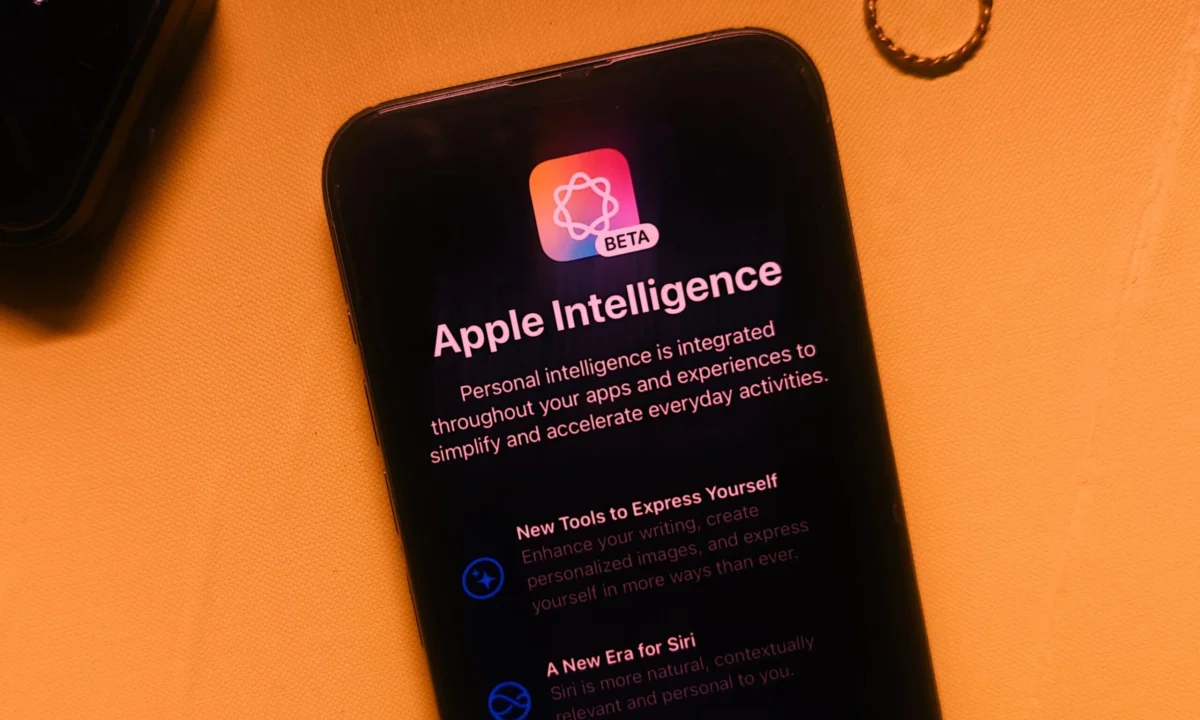
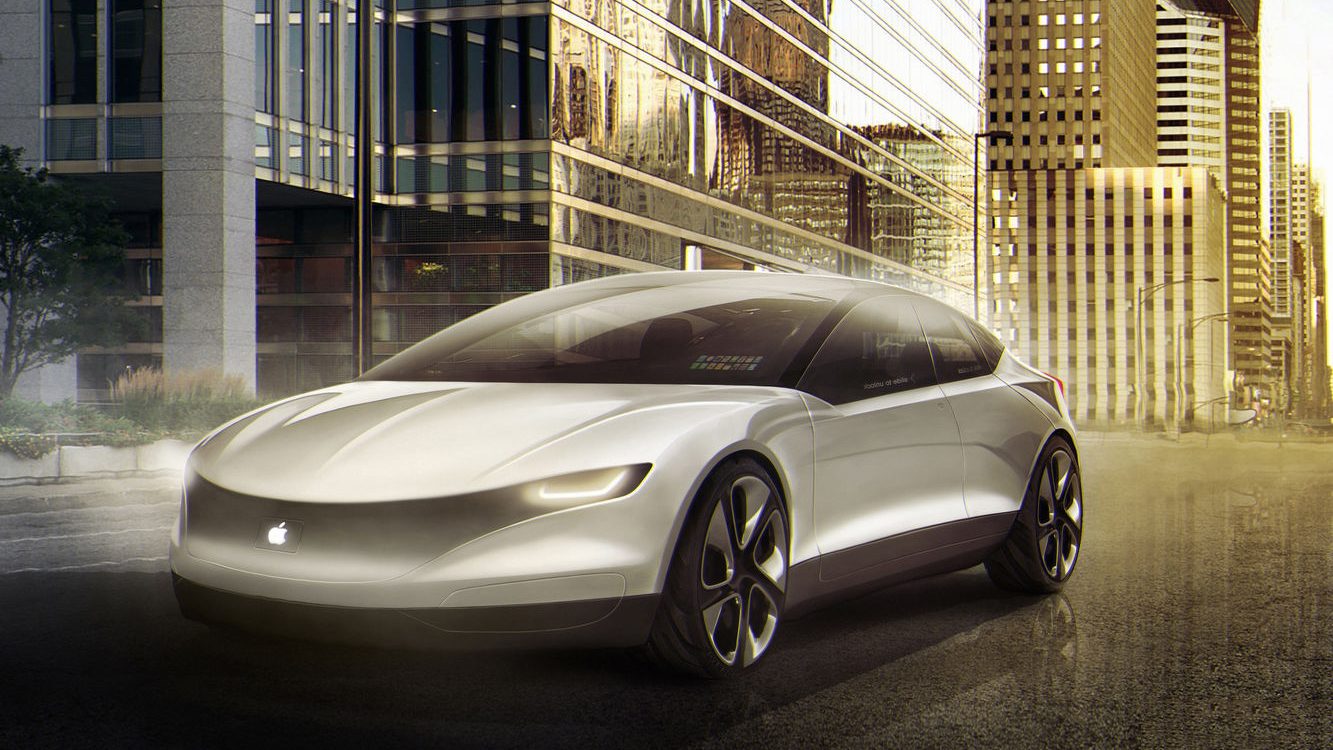
For over a decade, the "Apple Car"—internally codenamed Project Titan—was the tech industry’s most tantalizing open secret. It was a project shrouded in mystery, characterized by waves of leadership changes, shifting strategic goals, and a staggering expenditure exceeding $10 billion. When Apple officially shuttered the project in 2024, it was widely characterized by critics as the company’s most significant failure in the modern era.
However, a more nuanced narrative has begun to emerge. According to recent insights from Bloomberg’s Mark Gurman, the Apple Car was far from a total loss. Instead, the decade-long research and development effort served as a massive, high-stakes incubator for the core technologies that define "Apple Intelligence" today. While the car never reached the highway, the engineering breakthroughs born from the necessity of autonomous driving have become the lifeblood of Apple’s current generative AI strategy.
A Chronology of Ambition: The Life and Death of Project Titan
To understand how a failed vehicle project birthed a software revolution, one must look at the evolution of Apple’s automotive ambitions.
- 2014–2015: The Genesis. Project Titan begins with high hopes, aiming to challenge Tesla and disrupt the automotive industry. The initial vision was grand: a revolutionary, potentially driverless electric vehicle.
- 2016–2018: The Pivot to Autonomy. Apple begins to realize that hardware manufacturing is a different beast than consumer electronics. The project shifts its focus heavily toward the software stack—specifically, the "brain" required to pilot a vehicle in complex urban environments.
- 2019–2022: The "Level 5" Dream. Apple doubles down on achieving Level 5 autonomous driving, the "holy grail" of the industry, where a vehicle requires zero human intervention. This goal necessitated an unprecedented leap in edge computing, real-time data processing, and custom silicon.
- 2023–2024: The Final Reckoning. After years of internal friction and missed milestones, leadership concludes that the profitability of an Apple-branded vehicle is not viable in a cooling EV market. The project is canceled in early 2024.
- Late 2024–Present: The AI Rebirth. The expertise, talent, and hardware designs from the project are integrated into the core of Apple’s software division, fueling the rollout of Apple Intelligence across iPhone, iPad, and Mac.
Forcing Apple to Think Like an AI Titan
The primary challenge of a self-driving car is not the steering or the wheels; it is the instantaneous processing of massive amounts of sensor data. To achieve Level 5 autonomy, Apple needed to build a computer capable of analyzing surroundings in milliseconds, predicting pedestrian behavior, and navigating traffic—all without relying on a constant, high-latency connection to a cloud server.
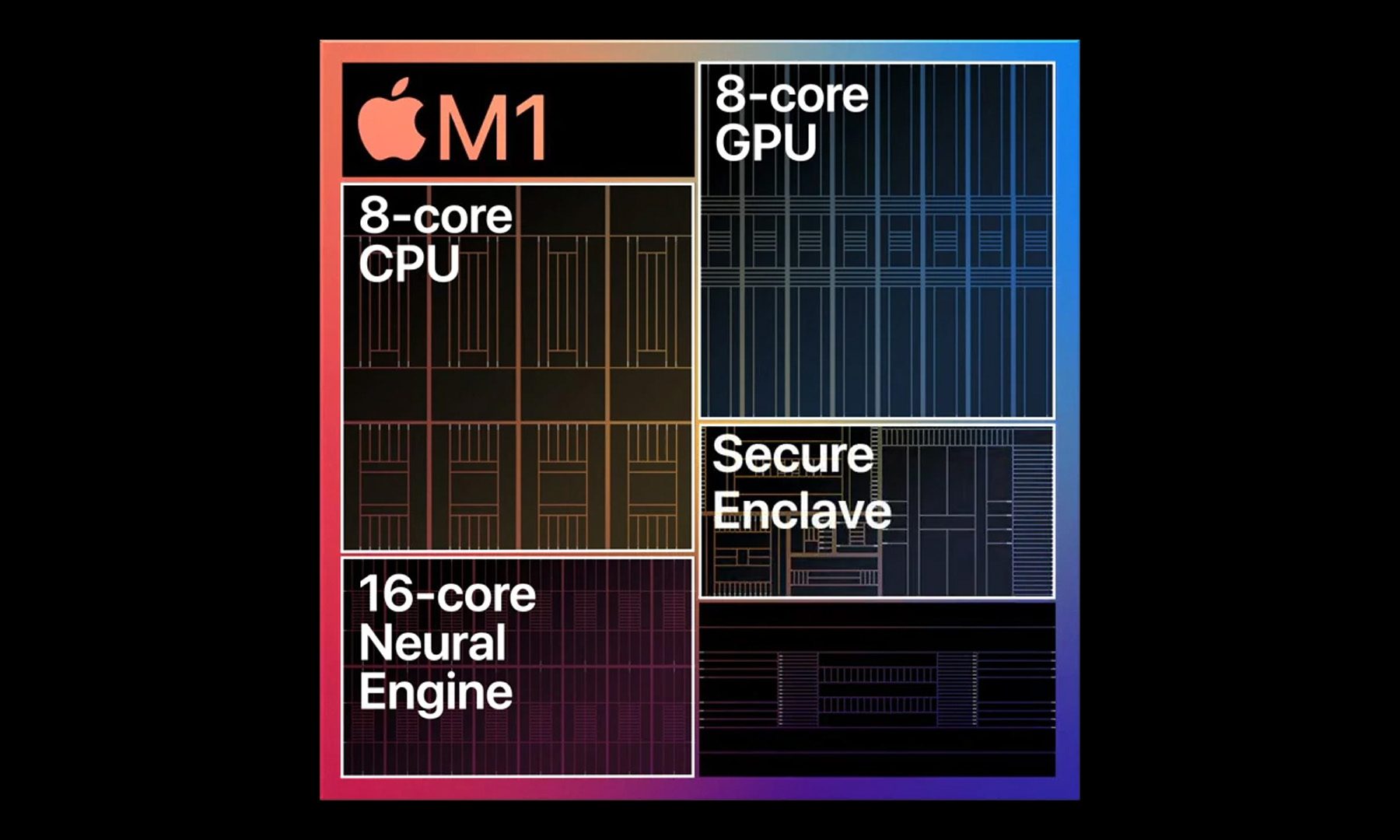
This "Edge AI" requirement forced Apple to rethink its silicon roadmap. The company’s engineers had to develop chips that could handle intensive neural network workloads locally. This need for localized intelligence led directly to the creation and refinement of the Neural Engine.
When the first Neural Engine debuted in the iPhone X in 2017, it was marketed as a tool for Face ID and Animoji. In reality, it was a testing ground for the car’s AI architecture. The hardware architecture refined for the car eventually found its way into the M-series chips for the Mac, providing the raw power necessary for today’s large language models to run on consumer hardware.
The Technological Foundation: From Wheels to Neural Nets
The DNA of Project Titan is now embedded in every corner of the Apple ecosystem. The transition from "car project" to "AI project" can be categorized into three pillars:
1. Custom Silicon and the Neural Engine
Apple’s silicon team, which cut its teeth building the specialized processors for the Apple Car, is now the same team responsible for the high-efficiency AI chips found in the latest MacBook Pros and iPhone 16 models. The "Ultra-class" chips, which provide the backbone for professional-grade AI workflows, share structural similarities with the proprietary chips once designed to power autonomous navigation.
2. Edge Computing and On-Device Privacy
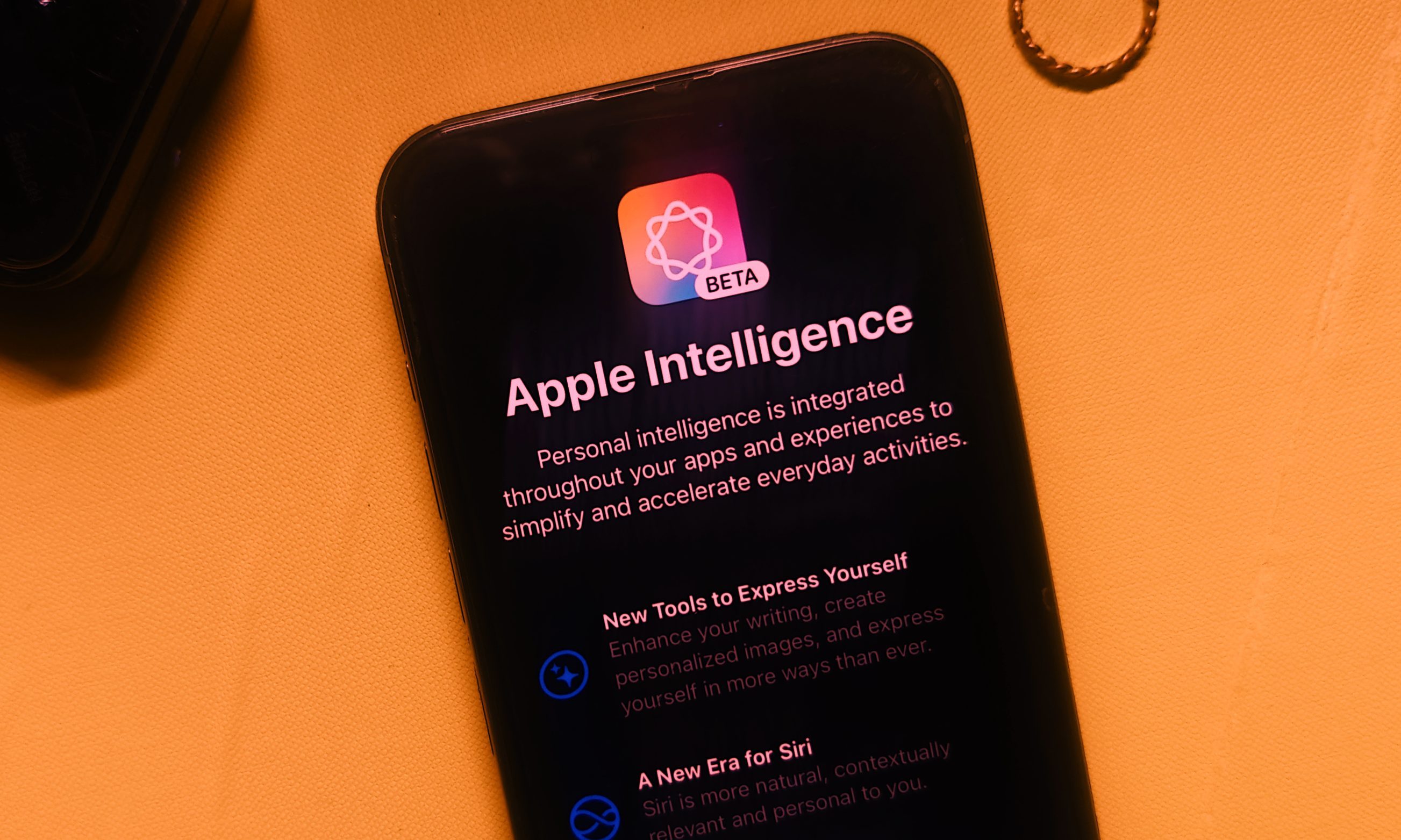
One of Apple’s biggest selling points for Apple Intelligence is privacy—the idea that AI tasks should be processed on the device whenever possible. This was a non-negotiable requirement for an autonomous car, which could not risk a connection drop while navigating a highway. The protocols and optimizations developed to keep the car’s "brain" local are the exact same ones keeping user data on-device today.
3. Machine Learning Infrastructure
The massive datasets collected by the hundreds of test vehicles Apple had on the road provided the company with an unparalleled training ground for machine learning. The talent pool of AI researchers and engineers hired for the car project did not leave when the project closed; they were redeployed to the software division to focus on generative AI and the reconstruction of Siri.

The Cost of Innovation: An Expensive Education
At $10 billion, the cost of Project Titan was staggering. To put this in perspective, $10 billion is more than the entire annual R&D budget of many Fortune 500 companies. However, in the context of Apple’s long-term strategy, this expenditure is increasingly being viewed as a "tuition fee" for a masterclass in AI.
Critics argue that the money could have been spent on acquiring AI startups or accelerating software development. Yet, Apple’s history suggests that the company rarely buys its way into a market. Instead, it prefers to build its own proprietary solutions. By attempting to build a car, Apple forced itself to develop the hardware-software vertical integration that competitors—who rely on third-party chips or cloud services—simply do not have.
Implications for the Future of Tech
The fallout of the Apple Car project has significant implications for the future of the artificial intelligence landscape:
- The Hardware-Software Moat: Apple is now one of the few companies that controls the entire stack from the transistor to the AI agent. This gives them a distinct advantage over competitors who are beholden to external hardware constraints.
- The Rebuilding of Siri: The "smarter" Siri that Apple is currently rolling out is heavily reliant on the advanced model architectures that were initially developed during the final years of the car project. The ability to understand context, intent, and user habits was, and remains, the fundamental problem that autonomous driving software aimed to solve.
- Strategic Resilience: The ability of Apple to take a massive failure and pivot its human and technological capital toward a new, dominant market trend demonstrates a level of strategic agility that many large corporations lack.
Conclusion: A Destination Worth the Detour
In the automotive world, the destination is everything. In the world of technology, however, the journey—and the detours taken along the way—often define the success of the final product.
The Apple Car was, by all public metrics, a failure to produce a product that reached the consumer. But it was not a failure of innovation. It was a decade-long crucible that hardened Apple’s AI capabilities, refined its chip design, and established the foundation for a new era of personal computing. As users interact with Apple Intelligence today—whether it’s summarizing emails, generating images, or interacting with a more intuitive Siri—they are interacting with the ghosts of Project Titan.
The Apple Car may never have driven down a road, but it succeeded in driving Apple to the forefront of the AI revolution. In the end, the project didn’t fail to reach its destination; it simply changed course to a much more significant one.











