


In a clash between the world of high-profile content creation and the stringent intellectual property protections of Japanese gaming giant Nintendo, popular VTuber Usada Pekora recently found herself at the center of a digital firestorm. The incident, which centered on the use of a purportedly "hacked" physical cartridge of Pokémon Emerald, has ignited a broader conversation regarding the intersection of streaming culture, retro gaming preservation, and the increasingly rigid legal landscape surrounding digital assets in Japan.
The Genesis of the Conflict: A Quest for Mew
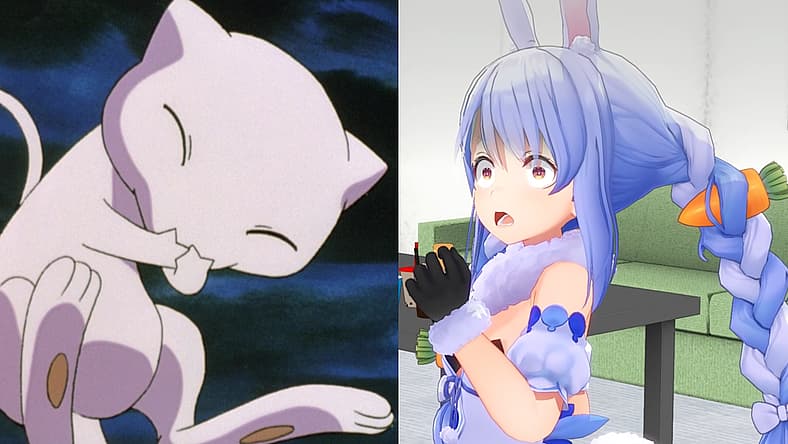
The controversy began when Hololive superstar Usada Pekora, known for her energetic personality and high-engagement gaming streams, decided to revisit the classic Game Boy Advance title Pokémon Emerald. Seeking to provide her audience with a unique viewing experience, Pekora actively sourced an original physical copy of the game through secondary auction markets. Her specific goal was to locate a cartridge that still contained the legendary "Old Sea Map," an elusive in-game item that, in 2005, allowed players to travel to Faraway Island to catch the Mythical Pokémon Mew.
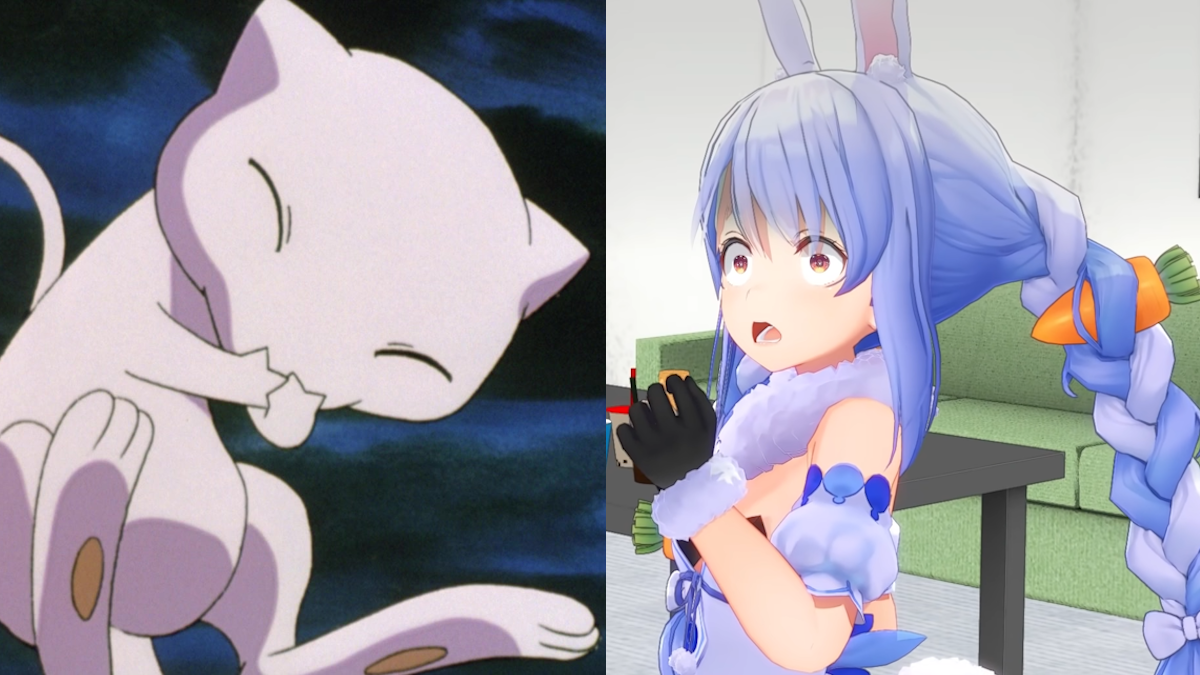
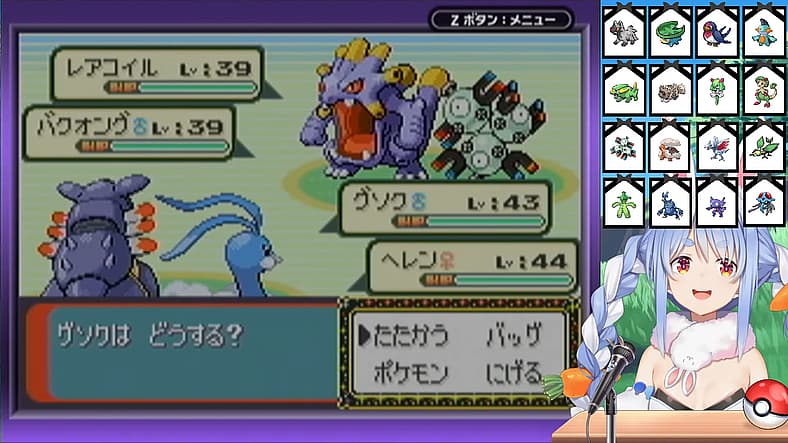
This item was originally distributed via official, time-limited Nintendo events in Japan. Because the event has been defunct for nearly two decades, obtaining a legitimate, uncorrupted save file containing this item on an original cartridge is a feat of significant rarity. When Pekora discovered her purchased cartridge indeed contained the Old Sea Map—along with the equally rare Mystic Ticket for encountering Lugia and Ho-Oh—she was understandably elated. She proceeded to broadcast her playthrough, intending to hunt for a "Shiny" variant of Mew, a pursuit that requires hundreds, if not thousands, of repetitive encounters.
However, the broadcast quickly drew scrutiny from eagle-eyed viewers and, eventually, the legal department at Nintendo. The incident escalated from a routine gaming stream to a corporate compliance issue, ultimately resulting in the permanent removal of the stream’s archive and an official statement from Hololive’s parent company, COVER Corp.
Chronology of the Controversy
The timeline of the event reflects the swift nature of corporate intervention in the modern streaming era:
- Pre-Stream: Pekora acquires used copies of Pokémon Emerald from various online auction sites, hoping to secure a legitimate version of the game that retains long-expired event data.
- The Stream: Pekora showcases her discovery of the Old Sea Map and the Mystic Ticket. She initiates a long-term project to hunt for a Shiny Mew on air.
- The Backlash: Observers on social media, including X (formerly Twitter), raise concerns regarding the legitimacy of the cartridge. Many point to the inconsistencies in the "Mystery Gift" data, suggesting the cartridge had been modified or "hacked" to inject the rare items into the game’s memory.
- The Intervention: Following consultation with Nintendo, Hololive Productions issues a formal directive to remove the content.
- The Resolution: Hololive releases a public statement on April 9th, announcing that the video has been made private to avoid misunderstandings and promising to implement stricter guidelines for talent regarding game usage.
- The Aftermath: Pekora addresses the incident on April 3rd, expressing her frustration and confusion over the legitimacy of the cart, ultimately deciding to abandon the Mew hunt to prevent further issues. She has since moved on to playing Pokémon FireRed.
Supporting Data: Why "Hacked" Carts Matter in Japan
The sensitivity surrounding this issue is not merely a matter of company policy; it is deeply rooted in evolving Japanese legislation. In 2019, Japan significantly amended the Unfair Competition Prevention Act. These amendments were designed to curb the sale of modified game data and the tools used to alter it.

Under current Japanese law, the distribution of tools that modify save data—as well as the act of selling modified software or hardware—is illegal. Penalties for these violations are severe, ranging from heavy fines of up to ¥5 million JPY (approximately $35,000 USD) to potential prison sentences of up to five years.
Nintendo, as a company, has taken a particularly proactive, and often litigious, stance on this issue. By treating the use of modified hardware or software—even in a retro context—as a form of intellectual property infringement, they aim to signal to both the public and investors that they are committed to protecting the integrity of their brand. The arrest of individuals in 2024 for selling modified Pokémon Scarlet and Violet data, as well as the sentencing of a man for selling modded Nintendo Switch consoles, demonstrates that these are not hollow threats.

Official Responses and Corporate Stance
The statement issued by COVER Corp, the agency behind Hololive, was carefully worded to appease Nintendo while maintaining a professional relationship with the gaming giant.
"We have consulted with Nintendo Corporation, the distributor of the game software in question, regarding the content of a recent game distribution that was suspected of violating the guidelines, and have been discussing how to respond," the statement read.
The company confirmed that Nintendo requested the removal of the content to prevent "misunderstanding" and insisted that Hololive talent must strictly adhere to existing guidelines regarding the use of software. The agency apologized to fans, emphasizing their commitment to ensuring that all future content complies with the "utmost care," and explicitly requested that fans refrain from contacting the talent or Nintendo directly to "put the matter to rest."
Implications for the Future of VTubing
The impact of this incident on the VTubing industry and the broader streaming community is significant. For creators who rely on game distribution for their livelihood, the "gray zone" of retro gaming has suddenly become a minefield.

1. The Death of "Authenticity" in Retro Streams
The incident highlights the near-impossibility of verifying the "legitimacy" of a decades-old physical cartridge. If a major agency like Hololive cannot guarantee that a used cartridge is untampered, the average streamer has no hope of doing so. This effectively pushes streamers away from classic titles that require "official" hardware, as the risk of accidentally using a modified, "hacked" file is too high.
2. The Shift Toward Official Emulation
As the physical market becomes increasingly fraught with legal risks, publishers and streamers alike may lean more heavily on official digital re-releases (such as those found on the Nintendo Switch Online service). While these services lack the library depth of the entire back catalog, they offer a legally "clean" way to stream classic titles, insulating creators from the risk of copyright or anti-circumvention litigation.

3. Increased Regulatory Scrutiny
Nintendo’s swift action serves as a warning that there is no "statute of limitations" on IP enforcement. Even games that have been out of print for nearly twenty years are considered active assets. For Japanese streamers, who often seek explicit permission from developers before playing a game to avoid copyright strikes, this incident reinforces the need for extreme diligence.
4. Community Sentiment
Public reaction to the incident has been polarized. While English-speaking fans often characterize Nintendo’s stance as overreaching—arguing that the company is punishing a fan for playing a game that is no longer sold—Japanese audiences and stakeholders tend to view the matter through the lens of legal compliance. The consensus among the latter is that the protection of IP is paramount and that streamers have a responsibility to ensure their content does not run afoul of the law.
Conclusion: A Lesson in Caution
Usada Pekora’s experience serves as a stark reminder that the digital world is not as ephemeral as it seems. What began as a nostalgic, lighthearted endeavor to catch a digital monster became a high-stakes legal exercise in corporate brand protection. As the line between "playing a game" and "distributing modified digital content" continues to blur, creators will have to navigate an increasingly restrictive environment.
For Pekora, the decision to pivot to Pokémon FireRed is a pragmatic one. It allows her to continue engaging her audience while avoiding the "gray zone" that turned her Emerald stream into a source of controversy. Ultimately, the incident underscores the power dynamic in the modern gaming industry: creators may be the ones driving the engagement, but the platform holders and IP owners define the boundaries of the field. In the battle between nostalgia and regulation, the latter has firmly asserted its authority.








