

For over a decade, the name "Uber" has been synonymous with two specific verbs: hailing a ride and ordering a meal. But look closely at the app today, and the user interface reveals a company undergoing a profound architectural and strategic shift. From hotel bookings powered by Expedia to specialized concierge "shop for me" services and even European boat rentals, Uber is quietly repositioning itself as a comprehensive lifestyle platform.
This transformation is not merely cosmetic. Behind the scenes, the company is diversifying its revenue streams through financial services for its gig-worker base, data-labeling side hustles, and a sophisticated new autonomous vehicle (AV) data operation. As Uber navigates a complex competitive landscape—balancing partnerships with tech giants like Waymo against the need to maintain its own market dominance—the company is betting that artificial intelligence and operational scale will turn it into the “everything app” of the Western world.
The Strategy: Expanding the "Three-Legged Stool"
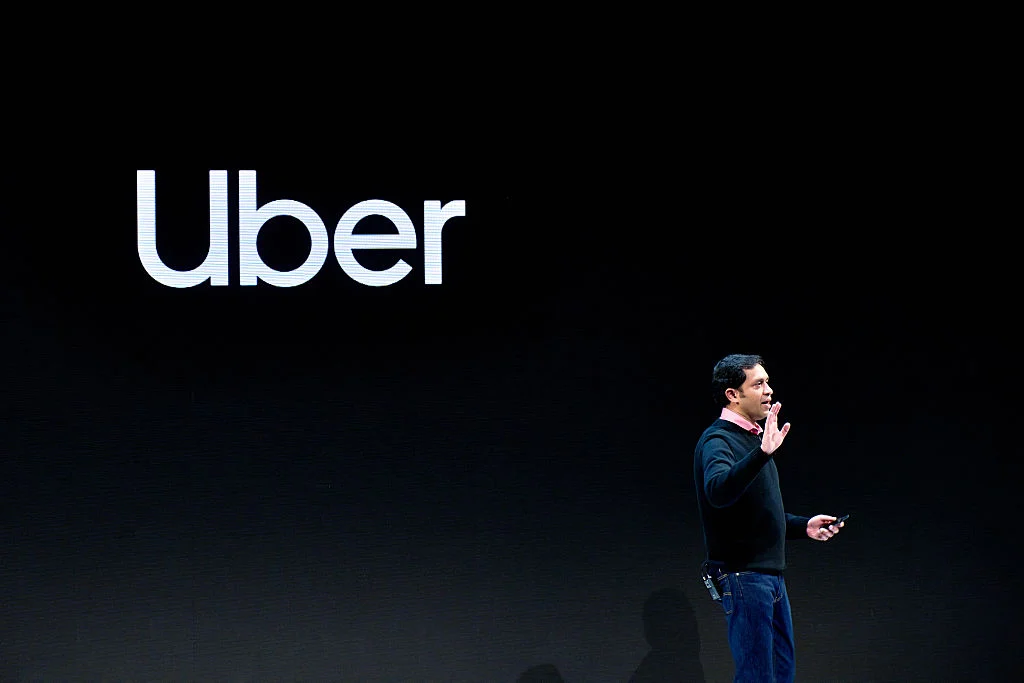
At the heart of this pivot is Sachin Kansal, Uber’s Chief Product Officer. In a recent interview, Kansal outlined the philosophy guiding the company’s recent expansion. For Uber, the expansion into travel is a natural extension of its existing data on user behavior.
"1.5 billion trips on the Uber platform every year happen outside of a user’s home city," Kansal explains. "Travel is the third leg of the stool—we had rides, then we added eats, and now we are adding travel."
The strategy is built on the realization that users want a frictionless experience. By integrating hotels and shopping features directly into the app, Uber is attempting to capture the entire lifecycle of a trip. Whether it is an airport transfer, a dinner delivery to a hotel room, or a grocery run in a foreign city, Uber aims to be the singular interface for the modern traveler.
Chronology of a Diversified Platform
Uber’s evolution has been a calculated, multi-year process of product iteration and integration:
- The Mobility Foundation: The company established its dominance in ride-hailing, creating a global network of drivers and riders.
- The Food Revolution: Uber Eats transitioned from a speculative side-project into a standalone, profitable powerhouse, proving the company could master logistics beyond human transport.
- The Membership Engine: The launch of Uber One was a watershed moment. With 51 million members, the program has become the glue holding the ecosystem together, driving cross-pollination between mobility and delivery.
- The Travel Integration: Starting this year, Uber began embedding hotel bookings and local experiences (such as boat rentals) directly into its interface, often utilizing strategic partnerships to bypass the complexities of building these supply chains from scratch.
- The AV Labs Era: Six months ago, the company launched "AV Labs," a dedicated business unit designed to gather massive datasets from sensor-equipped vehicles, signaling a move toward owning the "data layer" of the autonomous future.
Data-Driven Growth and Financial Services
Uber’s ambitions extend well beyond the consumer-facing app. The company is actively building a financial infrastructure for its massive base of 10 million earners. The "Uber Pro" card, which functions as a debit card for drivers and couriers to manage their earnings, is the first step toward a more robust fintech play. While Uber is currently cautious about offering consumer-facing products like "Buy Now, Pay Later" (preferring to leave that to established partners), the potential for a proprietary financial ecosystem is clear.
Furthermore, Uber has discovered a lucrative "side hustle" in the AI boom: data labeling. By utilizing its earner base to transcribe and label data for Gen AI companies, Uber is monetizing its operational reach in entirely new ways. Kansal is quick to clarify that this process is strictly managed—earners are not recording private conversations between riders and drivers. Instead, they are performing discrete tasks during their downtime, turning the platform’s idle labor capacity into a high-value data factory.
The AV Labs Hedge: Collaborating and Competing
Perhaps the most strategic—and delicate—maneuver is Uber’s approach to autonomous vehicles. The company has moved away from the "all-in" pursuit of L4 autonomy, opting instead to become the "race track" for other developers.
By launching AV Labs, Uber is collecting vast amounts of driving data—including complex "edge cases" that are critical for training self-driving software. This creates a fascinating power dynamic. Uber is currently partnering with companies like Waymo, but by owning the data layer, Uber maintains a critical hedge. If the autonomous market consolidates, Uber’s control over the data and the operational expertise (handling logistics, lost items, and passenger safety) ensures it remains the indispensable middleman, regardless of whose software is behind the wheel.
Official Responses and Operational Philosophy
When asked how he maintains focus amidst this explosion of product ideas, Kansal emphasizes a rigorous filtering process. "All the new ideas are like shiny objects," he says. "If you have 100 ideas, maybe five of them are good. Those five need a lot of cultivation and conviction."
Kansal’s approach to competition is similarly measured. While Uber faces fierce rivals—Lyft in the U.S., DoorDash in delivery, and various international players—he insists that external competition consumes less of his energy than the internal challenge of user value. "I spend 70% to 80% of my time making sure that our existing products are as solid as possible," he notes.
Regarding the controversial "everything app" label, Uber is proceeding with caution. Unlike Asian super-apps that were built in markets with less developed financial and internet infrastructure, Uber is operating in a crowded, mature Western market. The company is currently favoring a "partner-first" model for complex new categories, such as boat rentals, where they hand off the booking flow to experts until the demand justifies a deeper integration.
Implications: The Future of the Agentic App
The ultimate destination for Uber is an "agentic" experience—a platform where a user can simply input a high-level intent ("Plan a weekend trip to Chicago with my family, including transport, meals, and activities") and an AI agent manages the execution.
Kansal admits that this is the horizon, but he is wary of "checking a box" by shipping unfinished technology. The current AI features, such as the "earner assistant" that guides drivers to high-demand areas or the "grocery cart assistant" that simplifies shopping, serve as the building blocks for this future.
The implications of this shift are significant. If Uber succeeds, it will no longer be a utility you open only when you need a ride; it will become a digital concierge that manages the logistics of your physical life. However, this transition comes with inherent risks. The company must prove it can manage the quality of its third-party partnerships, maintain the trust of its users regarding data privacy, and ensure that its push into everything from finance to AI doesn’t dilute the core service that made it a household name.
For now, the strategy is clear: Uber is betting that by mastering the "last mile" of the physical world, it can become the primary gateway to the digital economy. Whether the market is ready for a singular, all-encompassing "Uber experience" remains the defining question for the next phase of the company’s growth.











