Reynand Wu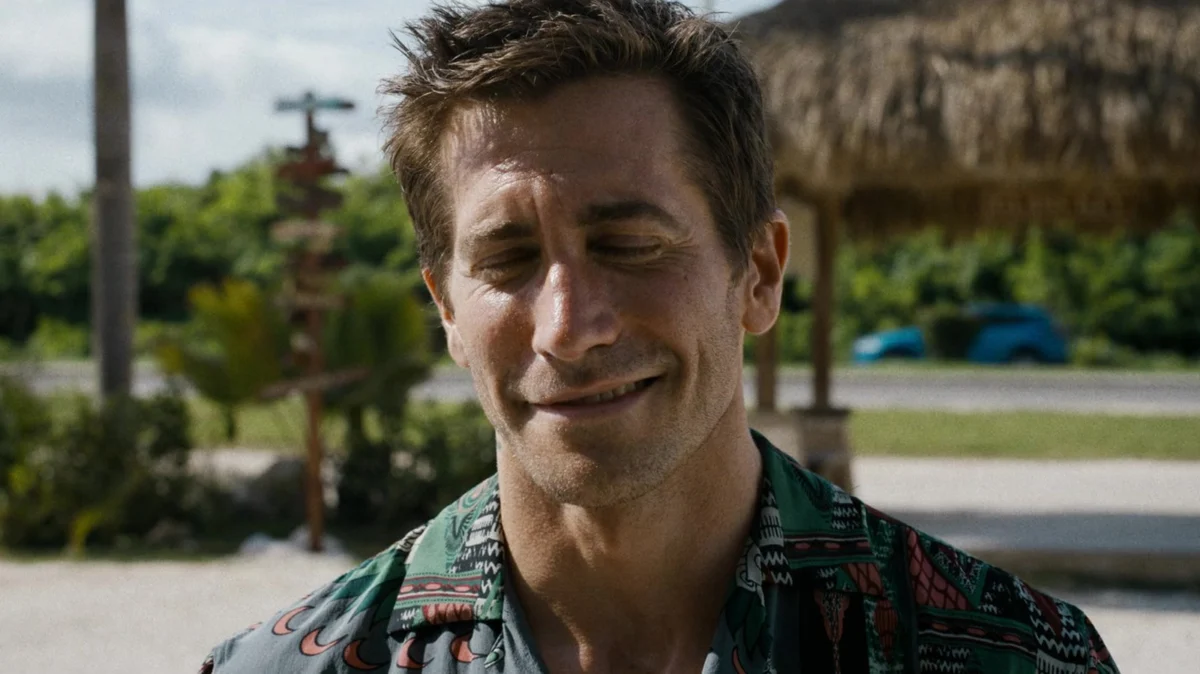
In the unpredictable ecosystem of modern streaming, longevity is a commodity that is increasingly difficult to secure. While blockbusters often enjoy a brief window of peak visibility before vanishing into the algorithmic void, occasionally, a title defies the typical lifecycle of streaming content. This is currently the case with the 2024 reimagining of Road House, directed by Doug Liman. Despite being released over two years ago and emerging from a production cycle marred by industry friction and creative controversy, the film is experiencing a significant resurgence, currently holding steady at number five on the Prime Video global charts, according to data from FlixPatrol.
This renewed interest invites a deeper examination of why audiences are returning to this gritty, visceral action thriller, and how the film’s troubled history has transformed into a peculiar form of cultural currency.
The Core Narrative: A Modern Take on a Cult Classic
Directed by Doug Liman—the visionary behind Edge of Tomorrow and The Bourne Identity—the 2024 Road House is a distinct departure from the 1989 Patrick Swayze original. While the source material was defined by a campy, neon-soaked ’80s charm, Liman’s vision is decidedly darker, more grounded in physical stakes, and tonally closer to a neo-noir thriller.
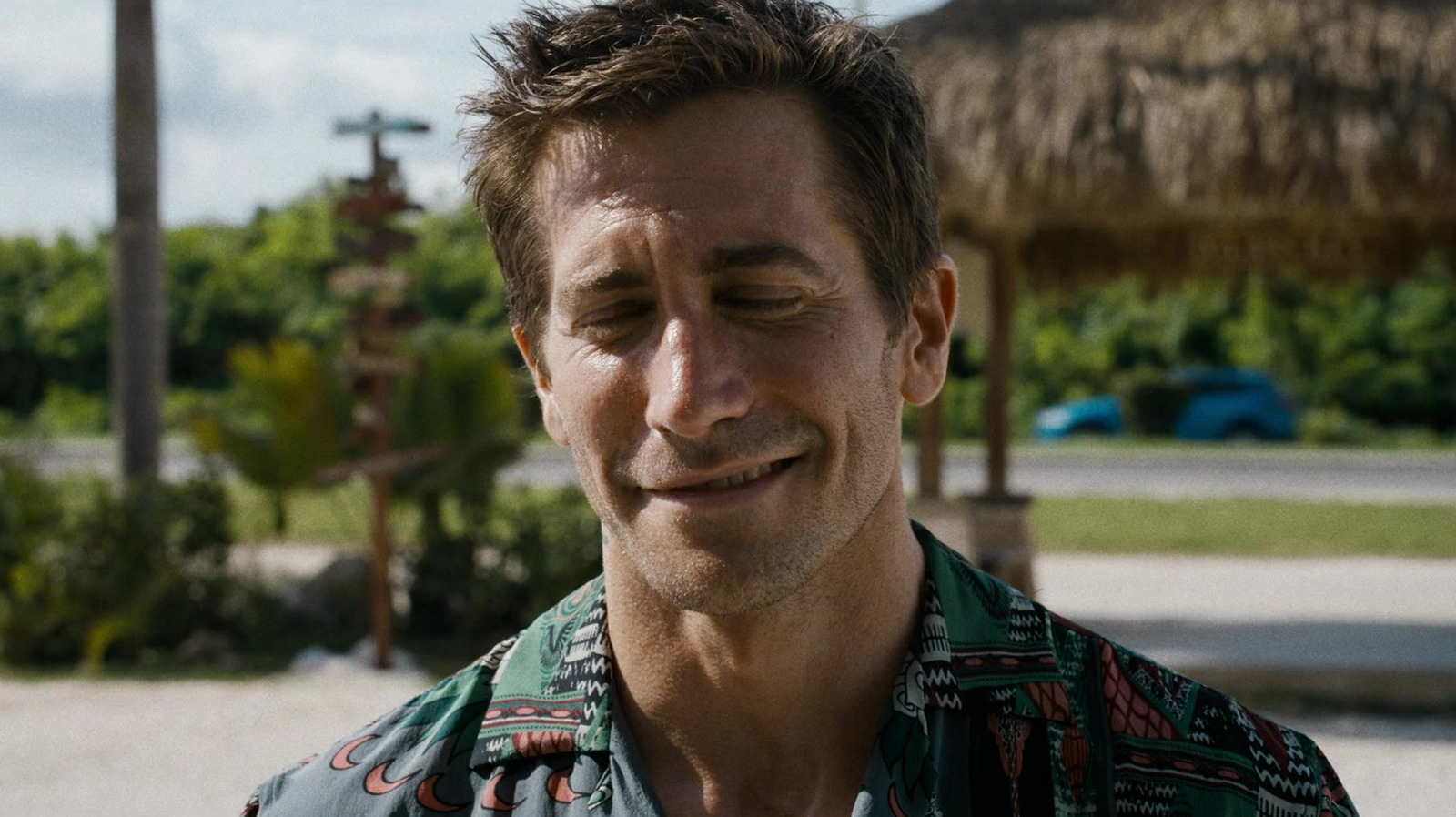
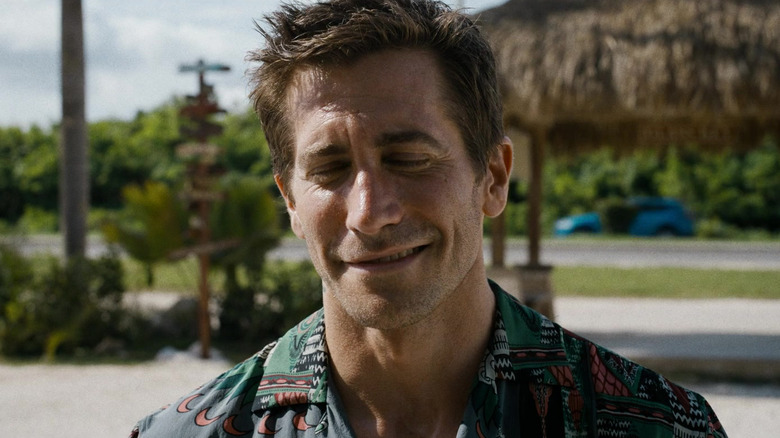
The narrative follows Dalton (Jake Gyllenhaal), a former UFC fighter grappling with the ghosts of his past. The character is a man stripped of his former glory, attempting to live in the shadows until he is scouted by Frankie (Jessica Williams), the proprietor of a struggling roadhouse in the Florida Keys. Frankie sees in Dalton the ideal candidate to protect her establishment from a relentless local crime syndicate led by the sociopathic Brandt (Billy Magnussen).
What begins as a standard "bouncer cleans up the town" trope quickly escalates when the syndicate calls in Knox (Conor McGregor), a volatile and lethal gun-for-hire. The chemistry between Gyllenhaal, a classically trained actor, and McGregor, a real-life fighting legend, provides the film’s heartbeat. Their on-screen interactions are bolstered by a unique "mentor-mentee" dynamic that developed behind the scenes, as the two traded expertise in acting and combat choreography, respectively.
A Chronology of Chaos: From Development Hell to Digital Success
The road to the screen for Road House was anything but smooth. The project spent years in what industry insiders call "development hell," undergoing multiple shifts in creative direction.
- The Early Iterations: Long before Gyllenhaal was attached, the project saw various iterations. At one point, the studio considered casting MMA star Ronda Rousey in a lead role, with director Nick Cassavetes (The Notebook) slated to helm the production. That version failed to materialize, leading to a prolonged period of stagnation.
- The Greenlight and Shift: Once Amazon MGM Studios finally committed to the project, the focus shifted to a high-budget, direct-to-streaming model. This pivot was the catalyst for the film’s most public controversy.
- The Release and Impact: Upon its release, the film garnered a polarized critical reception. While some praised Gyllenhaal’s performance as the film’s anchor, others found the narrative anemic compared to the 1989 classic. Nevertheless, the film performed exceptionally well in terms of raw viewership numbers for Amazon, proving that audience appetite for high-octane action remained strong, regardless of critical consensus.
Supporting Data: Why Viewers Keep Clicking
The resurgence of Road House on Prime Video is not an anomaly, but rather a reflection of the "streaming long-tail" effect. Several factors contribute to why the film continues to find new fans long after its initial promotional cycle:
- The "McGregor Effect": Conor McGregor’s presence in the film continues to serve as a massive draw. Even with his recent personal controversies and the highly publicized, truncated return to the Octagon at UFC 329, his brand remains inextricably linked to the film. Viewers who may have missed the film during its release are now tuning in out of morbid curiosity or a genuine interest in seeing the athlete’s acting debut.
- Genre Reliability: Action thrillers are historically the most resilient genre on subscription video-on-demand (SVOD) platforms. They offer high-impact entertainment that is easily consumed in the "background" of a user’s evening, making them the preferred choice for casual viewing.
- Algorithmic Favoritism: Once a film begins to climb the charts, Amazon’s recommendation engines promote it to a wider audience, creating a self-sustaining loop of popularity. As more people watch, the film remains in the "Trending" category, attracting even more viewers.
Official Responses and The "Liman vs. Amazon" Conflict
The success of Road House is bittersweet for director Doug Liman. The film serves as a landmark case study in the ongoing tension between traditional filmmaking standards and the economics of modern streaming.
Liman has been profoundly vocal regarding his dissatisfaction with Amazon’s decision to bypass a theatrical release. In a candid interview with IndieWire in July 2024, the director expressed his frustration: "We made the movie for MGM to be in theaters, everyone was paid as if it was going to be in theaters. Then Amazon switched it on us and nobody got compensated. I didn’t get a cent, Jake Gyllenhaal didn’t get a cent, [producer] Joel Silver didn’t get a cent. That’s wrong."
This sentiment underscores a broader industry anxiety: the erosion of residuals and the perceived loss of "event" status for films that are relegated solely to digital platforms. Liman’s attempt to protest by announcing a separate, unrelated Road House sequel further highlights the friction between the creative team and the studio’s corporate strategy.
Implications for the Future of Streaming
The current state of Road House—both a critical point of contention and a commercial success—highlights several major implications for the future of entertainment:
The Death of the "Flop"
In the streaming era, a film is rarely a total loss. By skipping theaters, studios avoid the massive marketing spend required for a wide release, and by keeping the film on their own platforms, they retain the data and the engagement. Road House proves that a movie can be "mired in controversy" and still be a library staple that generates long-term value for a streamer.
Talent vs. Corporate Strategy
The public rift between Liman and Amazon serves as a warning for future collaborations. As A-list talent becomes increasingly aware of the financial disparities between theatrical and streaming models, studios may find it harder to secure top-tier directors and stars for direct-to-streaming exclusives without adjusting compensation models to account for the lack of traditional box office participation.
The Normalization of "Content"
Finally, the fact that Road House is trending years after its debut suggests that the distinction between "new content" and "library content" is blurring. For the average subscriber, the date of release is becoming less relevant than the "star power" and "genre" of the film.
In conclusion, the Road House remake is a fascinating paradox. It is a film that was arguably sabotaged by its own distribution strategy, yet it has managed to thrive through the sheer force of its cast and the inherent appeal of the action genre. Whether or not it warrants a sequel, its ability to capture the attention of new viewers in 2024 proves that even in a sea of endless content, a well-marketed, high-intensity thriller will always find a way to make noise.

 Laily UPN
 Muslim