


We are barely five months into 2026, yet the cinematic landscape is already unrecognizable compared to the start of the year. For horror enthusiasts, this period has been nothing short of a golden era. From the claustrophobic depths of the ocean to the sun-drenched, blood-soaked beaches of survival thrillers, the genre is currently undergoing a renaissance of innovation, psychological intensity, and visceral terror.
While blockbuster franchises continue to dominate the multiplex, the true heart of this year’s success lies in the creative risks taken by visionary directors. Whether you lean toward the existential dread of cosmic horror, the sharp wit of dark satire, or the relentless adrenaline of survival-based thrillers, 2026 has provided a diverse buffet of nightmares that demand to be seen. As we look ahead to upcoming releases like Passengers, Insidious: Out of the Further, and the highly anticipated Backrooms adaptation, it is worth pausing to analyze the films that have already defined the first half of this year.
The Evolution of Fear: Why 2026 is Different
The horror genre is notoriously cyclical, but 2026 has distinguished itself by moving away from the "elevated horror" tropes that dominated the early 2020s. Instead, we are seeing a return to high-concept, director-driven projects that prioritize atmosphere and character development.
Industry analysts point to a "correction" in the market. Audiences are no longer satisfied with generic jump-scare compilations; they are demanding thematic depth. This shift has allowed mid-budget films to thrive, bridging the gap between niche indie arthouse projects and massive studio tentpoles.

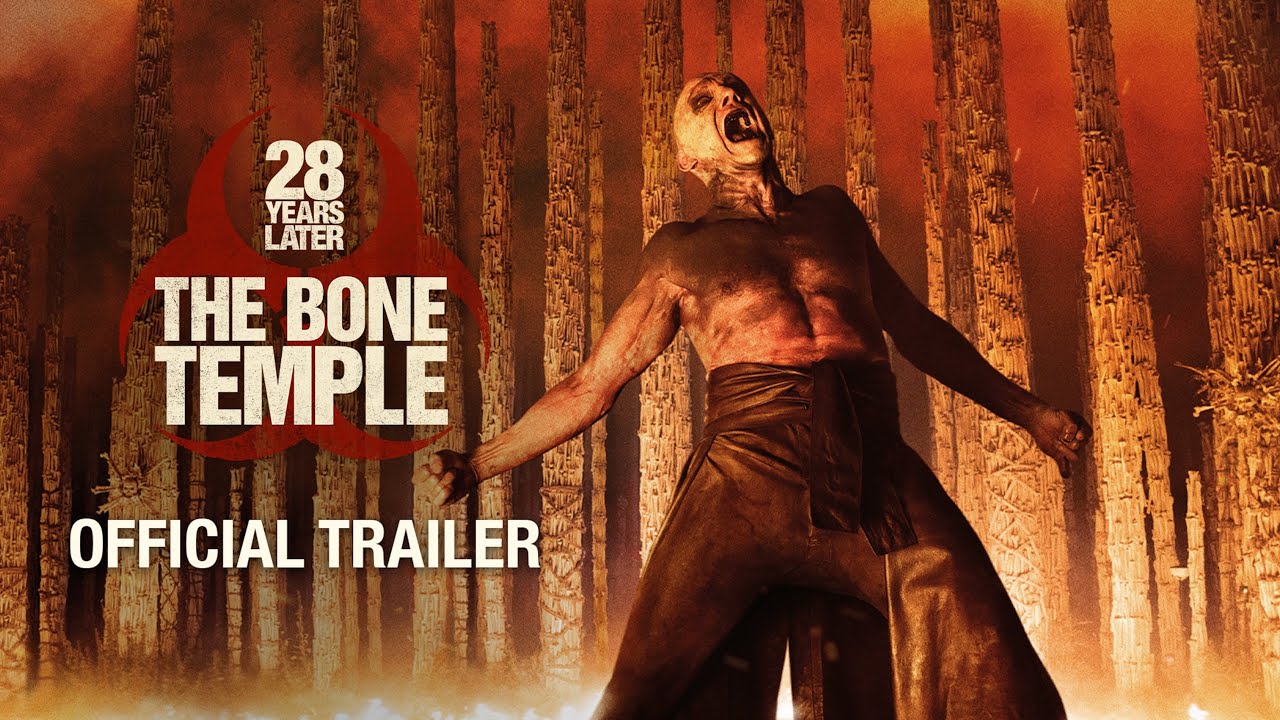
1. 28 Years Later: The Bone Temple
Perhaps no film better encapsulates the promise and the volatility of this year’s box office than 28 Years Later: The Bone Temple. Directed by Nia DaCosta, the film serves as a continuation of the legendary franchise, yet it has faced a complicated reception that has sparked heated debate within the film community.
The Plot and The Atmosphere
The narrative picks up in a fractured, post-apocalyptic Britain. The story follows the returning character Spike (Alfie Williams) as he finds himself assimilated into the volatile gang led by the terrifying Jimmy Crystal (Jack O’Connell). Parallel to this, Dr. Ian Kelson (Ralph Fiennes) makes a harrowing scientific discovery that threatens to permanently alter the fate of humanity.
The "Fiennes Factor"
Ralph Fiennes delivers what many critics are calling the performance of the decade. His third-act monologue, set against a haunting Iron Maiden-infused score, is a masterclass in tension. It is a bleak, violent, and unflinching look at human nature, creating a sense of dread that lingers long after the credits roll.
The Box Office Disconnect
Director Nia DaCosta has been vocal regarding the film’s lackluster financial performance. In a recent interview with Empire, she expressed disappointment, citing a combination of aggressive release scheduling and a potentially polarizing narrative choice in the first act as reasons for the low turnout. However, for those who have seen it, the film is a triumph of vision. Its failure at the box office acts as a case study in the risks of legacy sequels in an oversaturated market.

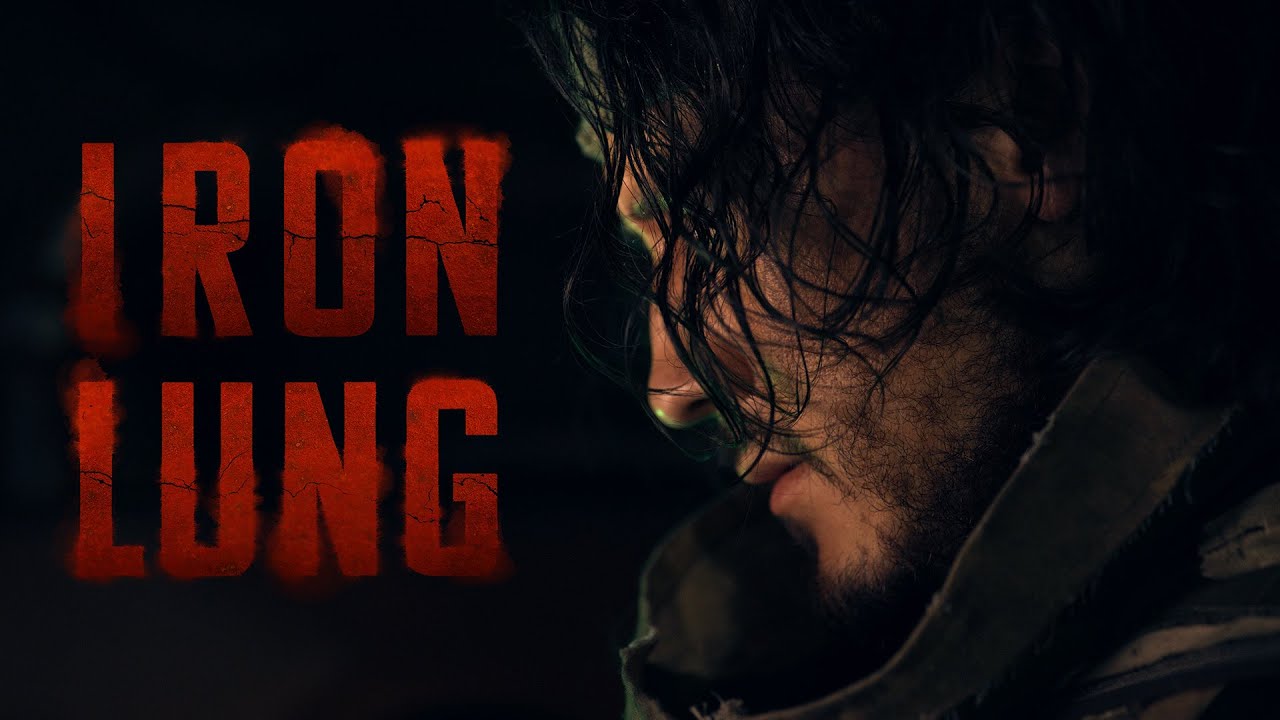
2. Iron Lung: Adapting the Unadaptable
When it was announced that Mark "Markiplier" Fischbach would be helming a feature-length adaptation of the cult-classic indie game Iron Lung, the industry was skeptical. Adapting a game defined by its minimalism and claustrophobia is no easy feat.
Critical Reception vs. Audience Sentiment
The film arrived with a massive 125-minute runtime—a point of contention for many critics who felt the narrative was stretched thin. However, the audience response has been overwhelmingly positive, with an 87% viewer approval rating on Rotten Tomatoes.
Thematic Depth
The film excels in its world-building. Set in a future where the "Quiet Rapture" has eradicated all celestial bodies, the remaining survivors reside on space stations, scavenging resources. The visual language of the film—welding characters into a rusted, leaking submarine—is a harrowing metaphor for the survival instinct. Despite its pacing issues, Iron Lung proves that the gaming community is a formidable force in the horror market, capable of driving massive engagement when they feel their source material is respected.
3. Send Help: Sam Raimi’s Unchained Return
If there is one director who defines the "horror-comedy" subgenre, it is Sam Raimi. Following his tenure in the Marvel Cinematic Universe with Doctor Strange in the Multiverse of Madness, many fans worried that Raimi’s signature "splatstick" style had been diluted by corporate oversight. Send Help effectively puts those fears to rest.
The Premise
The film follows Linda Liddle (Rachel McAdams), a dedicated employee whose career trajectory is derailed by her insufferable, nepo-baby boss, Bradley Preston (Dylan O’Brien). When the two are stranded on a remote tropical island following a plane crash, the power dynamic shifts violently.
Why It Works
Raimi is clearly having the time of his life. The film functions as a biting satire of corporate culture, but it never forgets to be a terrifying survival thriller. McAdams is perfectly cast, displaying a frantic, desperate energy that anchors the film’s more outlandish moments. O’Brien, playing against type as an insufferable antagonist, provides the perfect foil. It is a reminder that when given creative freedom, Raimi remains a titan of the genre.
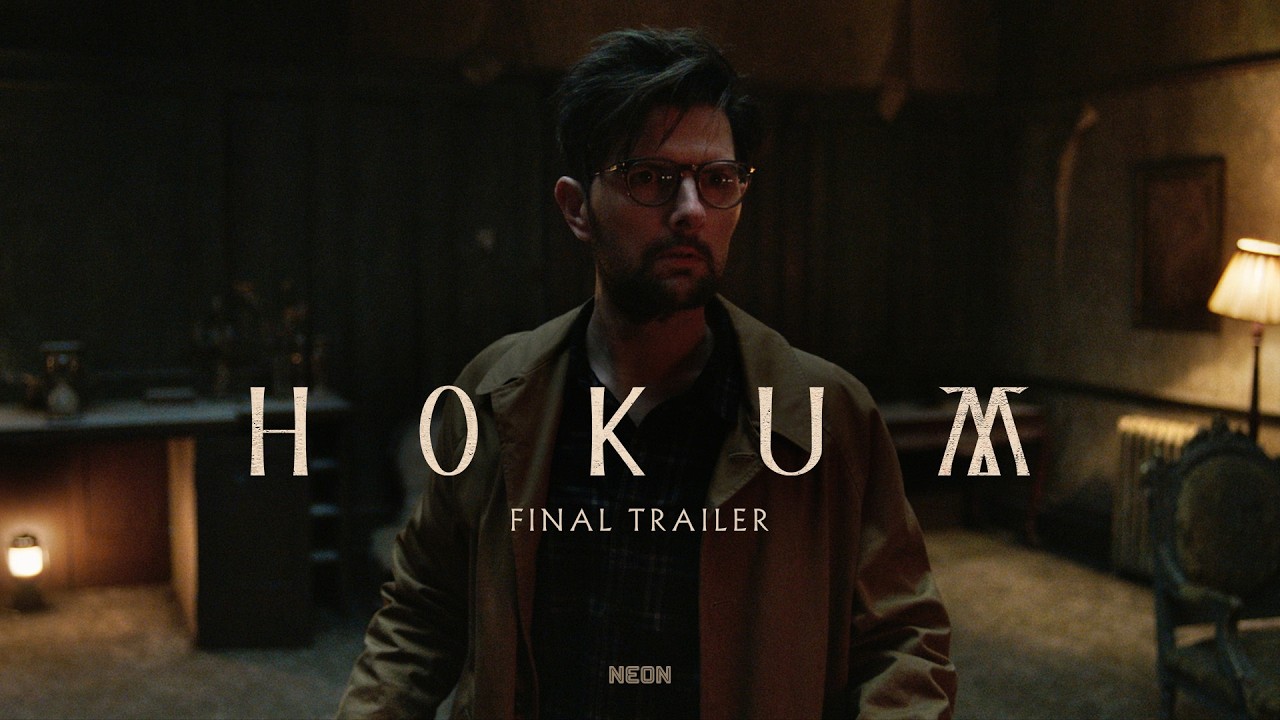
4. Hokum: The Irish Gothic Resurgence
Filmmaker Damon McCarthy, who made a significant impact with 2024’s Oddity, returned this year with Hokum. The film explores the dark history of the Irish countryside through a supernatural lens.
Narrative Arc
Adam Scott plays Ohm Bauman, an abrasive, struggling American novelist. In a bid to overcome writer’s block, he retreats to a remote Irish hotel—the very place where his parents spent their honeymoon. The narrative is classic folk horror: a warning ignored, a local legend dismissed, and a haunting that feels ancient and inevitable.
Strengths and Weaknesses
While the film’s finale leans into a brand of silliness that might alienate viewers seeking a more grounded experience, the middle act is perhaps the most effective 45 minutes of horror cinema produced this year. McCarthy understands that the most effective scares come from silence and suggestion. By the time the supernatural elements fully manifest, the audience is already thoroughly unnerved.
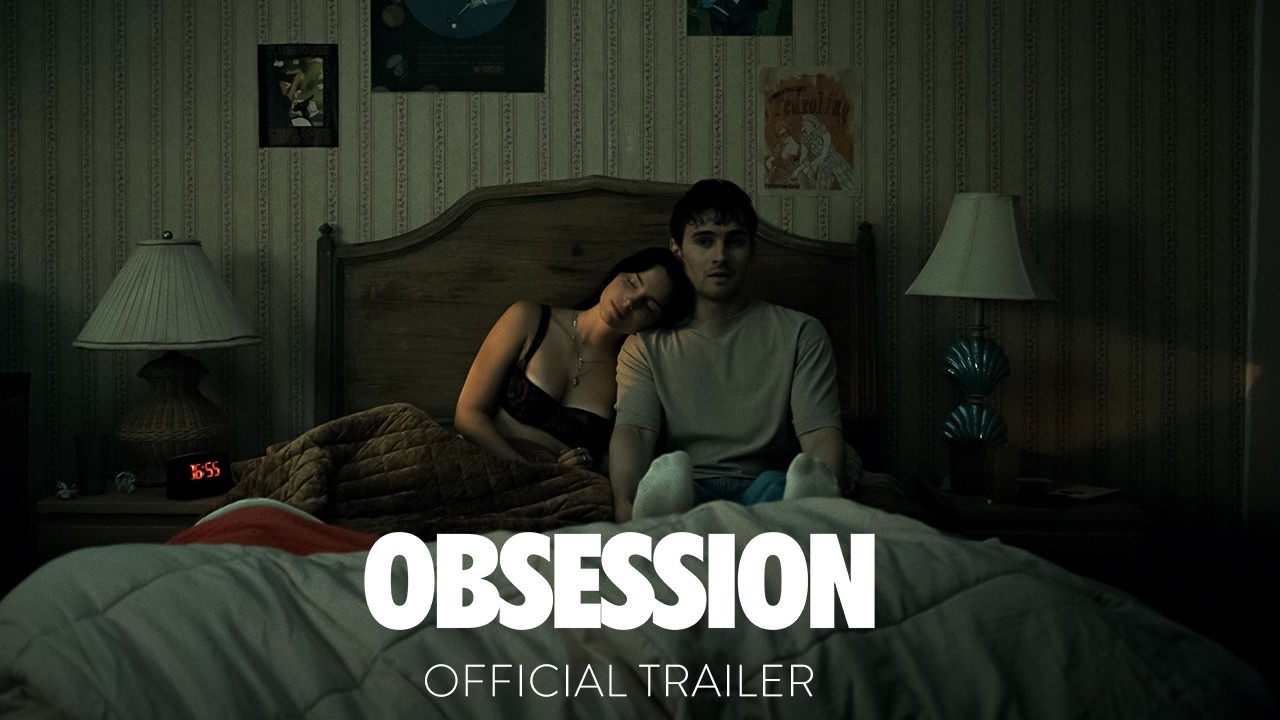
5. Obsession: The New Standard for Psychological Horror
If there is one film that is destined to become a "cult classic" in the years to come, it is Obsession. Much like the breakout success of Barbarian in years past, Obsession balances dark, irreverent humor with truly disturbing, visceral gore.
A Star-Making Performance
The film features a central performance by Inde Navarrette that is nothing short of transformative. She plays Nikki, a woman whose life is upended by a magical trinket found by her friend, Bear (Michael Johnston). Bear, desperately in love, wishes for Nikki to love him back. The consequences are immediate and horrifying.
Navarrette manages to walk the razor-thin line between victim and monster. Her performance is subtle, layered, and terrifyingly human. It is the type of acting that typically goes overlooked by the Academy, but in any fair world, she would be a frontrunner for a nomination.

The Implications for Future Horror
Obsession signals a shift toward "wish-fulfillment" horror—a subgenre that preys on our deepest insecurities and our darkest desires. It is a reminder that the most dangerous things in life are often the ones we ask for.
The Broader Implications for the Genre
As we survey these five films, several clear trends emerge that will likely dictate the path of horror through the end of 2026 and beyond.
1. The Death of the "Safe" Sequel
The struggles of The Bone Temple highlight a growing audience fatigue regarding legacy sequels that fail to bring something radically new to the table. Modern horror audiences are sophisticated; they can smell a cash grab from a mile away. Success now requires a director with a distinct voice, even within established franchises.
2. The Rise of the "Genre-Bender"
Send Help and Obsession demonstrate that audiences are increasingly craving films that can move between genres. The era of the "straight horror" movie is becoming a thing of the past. Today’s most successful films are comedies, tragedies, and thrillers all at once, reflecting the chaotic, unpredictable nature of the world we live in.
3. The Power of Direct-to-Consumer Engagement
With films like Iron Lung performing well despite mixed critical reception, the relationship between creators and their core audience is changing. Traditional marketing is losing its grip. The future of horror lies in community-driven engagement—where the fans themselves act as the primary evangelists for the projects they care about.
Looking Ahead: The Second Half of 2026
While we have already been treated to a feast of terror, the remainder of the year looks equally promising. The upcoming slate of films, including the highly anticipated Passengers and the expansion of the Insidious franchise, suggests that the industry is not slowing down.
The success of these early 2026 releases provides a roadmap for future productions. By leaning into character-driven narratives, embracing dark humor, and trusting in the intelligence of the audience, the horror genre is proving itself to be the most resilient and innovative branch of the cinematic arts.
Whether you are a casual viewer or a die-hard fan of the macabre, one thing is certain: we are living in a golden age of fear. It is a time to celebrate the visionaries who are willing to reach into the dark, pull out our worst nightmares, and present them on the silver screen for us to dissect, discuss, and—of course—to scream at.
As we move toward the autumn months, which traditionally bring the most significant horror releases, the standard has been set high. If the films of the first five months of 2026 are any indication, the rest of the year is going to be a truly frightening ride. Keep your eyes on the box office, keep your popcorn ready, and prepare for whatever comes out of the shadows next.
Key Takeaways for the Horror Enthusiast
- Performance is Key: 2026 has shown that a single powerhouse performance (like those of Ralph Fiennes or Inde Navarrette) can elevate a film from "good" to "unforgettable."
- Atmosphere Over Jump Scares: The most successful films this year have relied on building deep, oppressive atmospheres rather than relying on cheap, startling noises.
- The Power of the Niche: As Iron Lung demonstrated, respect for source material and a direct connection to the fanbase can overcome even the most cynical industry skepticism.
- Director-Driven Projects: Studios are finding success by giving the reins to directors with strong, unique visions, even when those visions lead to unconventional or risky storytelling choices.
In conclusion, 2026 is a year that will be remembered for its willingness to push boundaries. Whether it’s the existential dread of the deep sea, the isolation of a tropical island, or the dark humor of a cursed trinket, the horror genre is currently firing on all cylinders. Make sure to catch these films before they leave theaters or disappear from your favorite streaming platforms—they are the building blocks of what is shaping up to be a legendary year in cinema history.












No comments yet. Be the first to join the conversation!