

MAIN FACTS
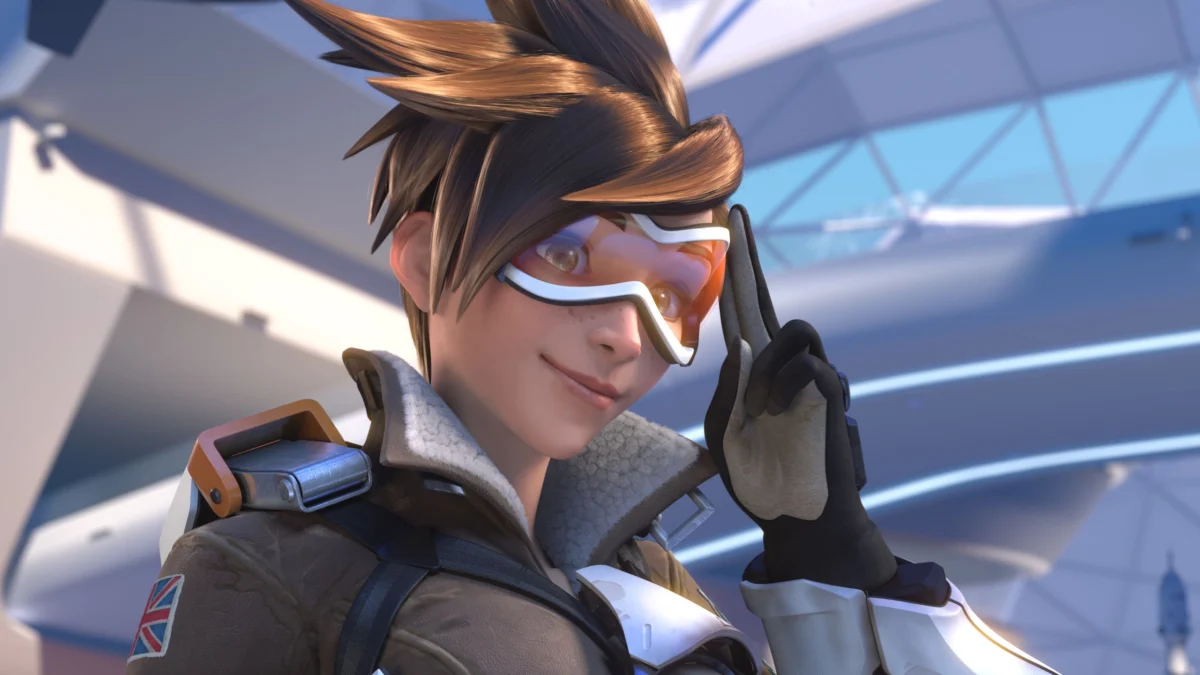
As Overwatch celebrates its 10th anniversary, Polygon recently sat down with five pivotal members of its development team – Aaron Keller, Walter Kong, Pete Lee, Scott Lawlor, and Dion Rogers – many of whom have been with the project since its nascent stages. Their reflections offer a rare, candid look into the game’s tumultuous, yet ultimately triumphant, evolution. This oral history chronicles the dramatic cancellation of Blizzard’s ambitious MMO, Titan, the desperate fight for a new creative direction, the meteoric rise of Overwatch, its subsequent struggles in the live-service era, the challenging development and controversial launch of Overwatch 2, and the team’s relentless journey to reclaim player trust and redefine the franchise’s future. It’s a tale of creative passion, learning from monumental failure, and the enduring power of compelling characters in an optimistic world.
THE PHOENIX FROM THE ASHES: A CHRONOLOGICAL JOURNEY
The story of Overwatch isn’t merely one of success; it’s a profound narrative of redemption born from the ashes of a colossal failure. Before the vibrant heroes and iconic maps of Overwatch captured the world’s imagination, a different, much larger dream lay shattered: Titan.
The Weight of "Titan": A Painful Failure
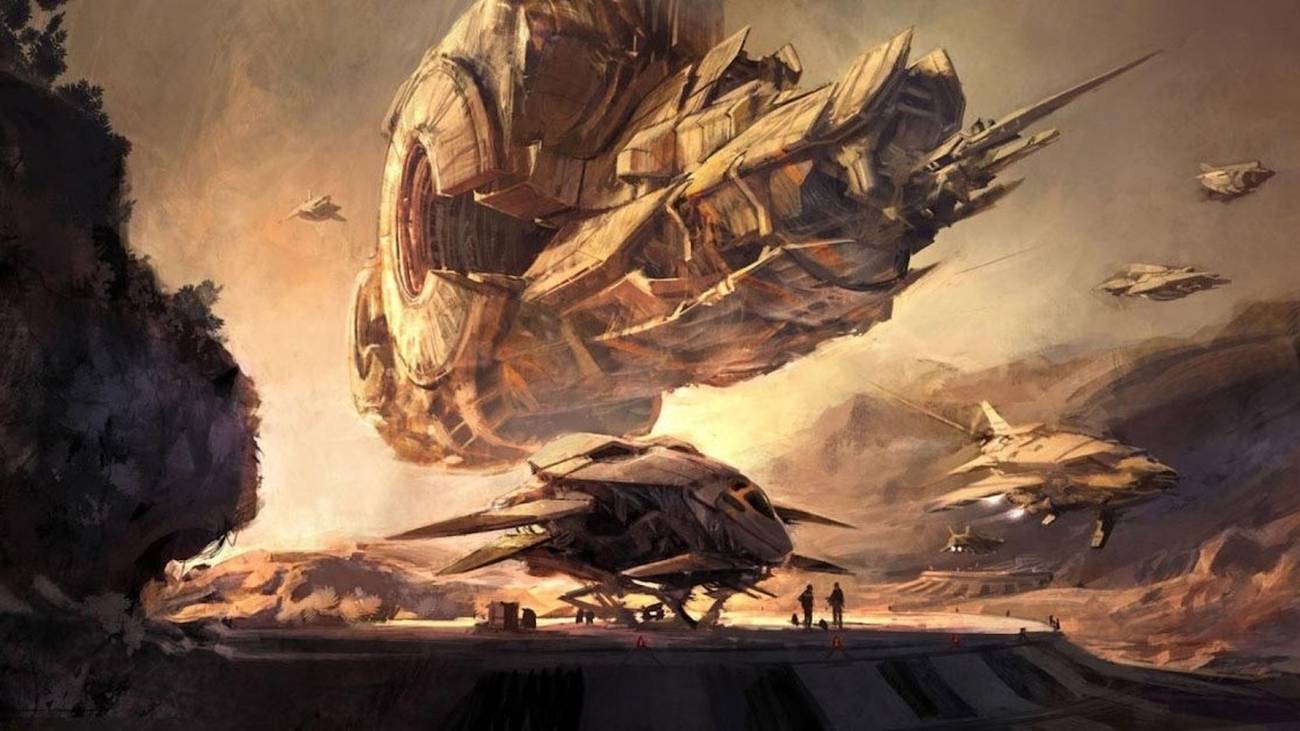
For half a decade, a dedicated team at Blizzard Entertainment poured their creative energy into Titan, a highly anticipated massively multiplayer online game that aimed to be the company’s next big IP. However, the project was plagued by fundamental design issues, growing unwieldy and losing its core identity.
Aaron Keller, a veteran developer who witnessed Titan‘s arduous journey firsthand, recalls a defining moment of struggle. "We were struggling with Titan, and I remember just before the end of that project, we had a big team-wide playtest. It didn’t go very well." He recounts a seemingly minor, yet deeply symbolic, flaw: an apple prop in a game environment that was disproportionately large, akin to a pumpkin. "I remember us talking about how we had gotten one of the most basic fundamentals of game design and development wrong: the scale of the world." This single oversight cascaded into a larger existential crisis, forcing discussions about rescaling the entire game world or all its characters. It was a stark indicator of the project’s deep-seated problems.
Just weeks after this disheartening playtest, the inevitable occurred. The team was summoned to what became infamously known as "The White Chair Meeting," a gathering where rows of unexplained white chairs presaged the grim announcement. Walter Kong describes it succinctly as "a fairly painful failure." Keller elaborates on the devastating impact: "It was devastating, because a lot of us had worked on Titan for five or six years. We built up this world and became very invested in it." For creatives, the cancellation of such a long-term project represents a significant loss, a void where years of effort vanish. The moment the project was archived, "deleting everything that we had done," remains a poignant memory for Keller.
In the wake of this monumental setback, Blizzard’s parent company initially saw an opportunity to reallocate resources, suggesting the Titan team bolster the successful World of Warcraft franchise. However, a passionate core group of developers refused to let their collective talent and creative hunger dissipate. Walter Kong explains, "But there was a group of people that were very passionate about creating something new for Blizzard and had a very strong desire to essentially fight for the right to build something new out of the ashes of the previous game." This defiance marked the first critical step towards Overwatch.
Reimagining Blizzard’s Future: The Spark of "Overwatch"
With a significantly reduced team of around 30 individuals, who still identified as an "MMO development team," the developers embarked on a two-month period of rapid ideation, dedicating a month to each new pitch. Their first attempt was a Starcraft MMO, a concept that, while intriguing, ultimately didn’t ignite the necessary spark. Keller still possesses "some of the paper maps of zones that we would make for Starcraft." This was followed by another large-scale MMO pitch, tentatively named Cross Worlds, a new IP that, while also ultimately rejected, proved to be a fertile ground for early character concepts.
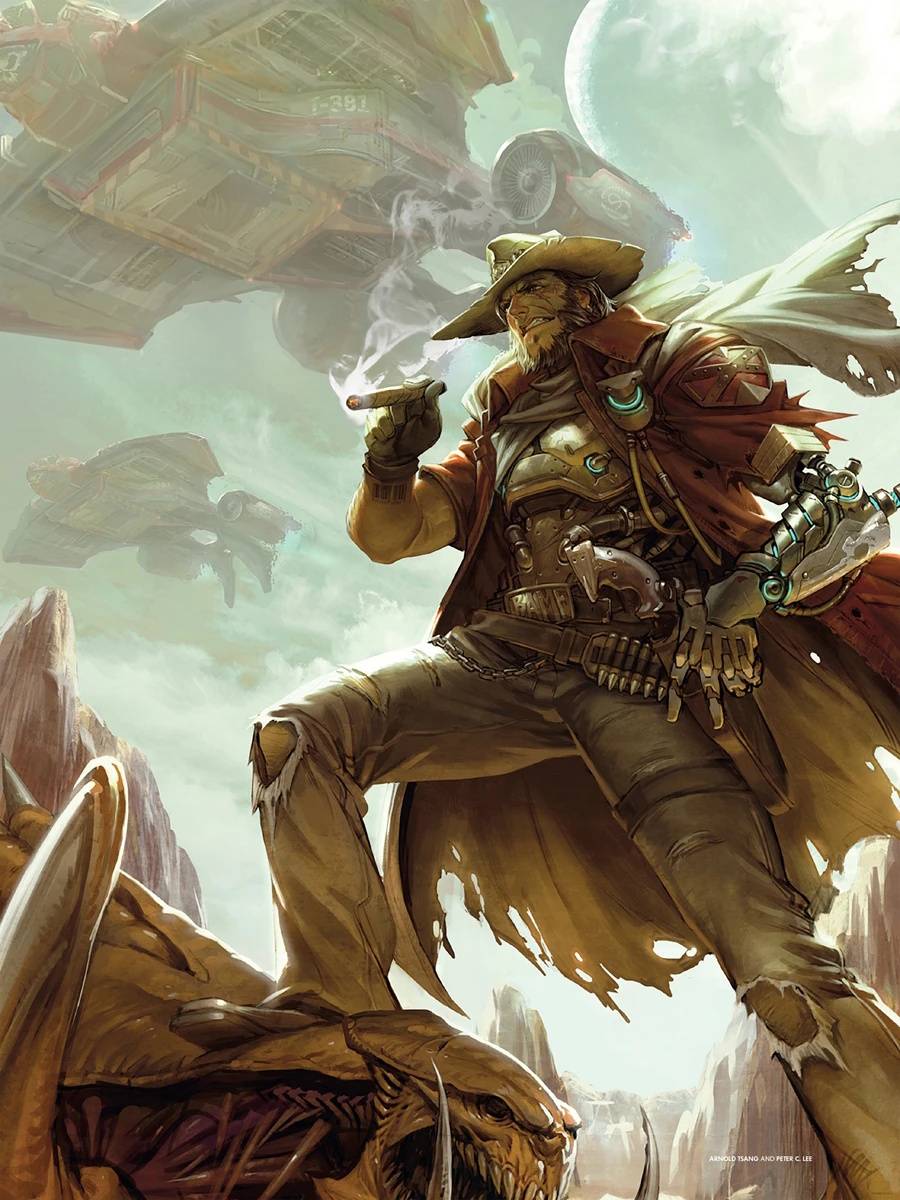
It was within the framework of Cross Worlds that the initial idea for the gunslinging hero Cassidy emerged. Pete Lee, an artist on the team, shares a charming anecdote about its creation: "The art team’s task was just drawing the character, and [concept artist Arnold Tsang] asked me to draw the character’s background, too. I was like, ‘Gee, I have a deal. So, if I draw this background, you give me a coupon to draw a character, like, whenever I want to.’" Lee proudly states, "I still have that coupon, and haven’t used it yet." This small, human detail highlights the creative energy bubbling beneath the surface, even in projects destined for the cutting room floor.
The true turning point arrived a few weeks into the Cross Worlds pitch. Aaron Keller recounts how "somebody on the team — I think it was Jeff Goodman, our original lead hero designer — mentioned doing a hero-based shooter with abilities and a cast of like 50 characters, or something like that. The idea just caught like wildfire." This simple yet revolutionary concept immediately captivated the team, diverting their attention entirely from Cross Worlds. Ideas for heroes poured in, many drawing from the discarded concepts and assets of Titan, giving rise to early versions of iconic characters like Tracer, Reaper, and Genji. Even more outlandish ideas, such as "a Russian woman that rides a bear, and for her ultimate, the bear pulls out two AK-47s," illustrate the unbridled creative freedom the team now felt.
A crucial directive from Creative Director Chris Metzen fundamentally reshaped their approach. Pete Lee vividly recalls Metzen’s words: "Forget everything. Forget every ruleset and limitation we talked about. Just go for the fantasy. Go for pure fun." This declaration was a liberation for the artists and designers, allowing them to discard the rigid constraints that had bogged down Titan. "Everything changed, at least from my perspective," Lee states, describing a renewed excitement to "pull out all the fun ideas we wanted to see."
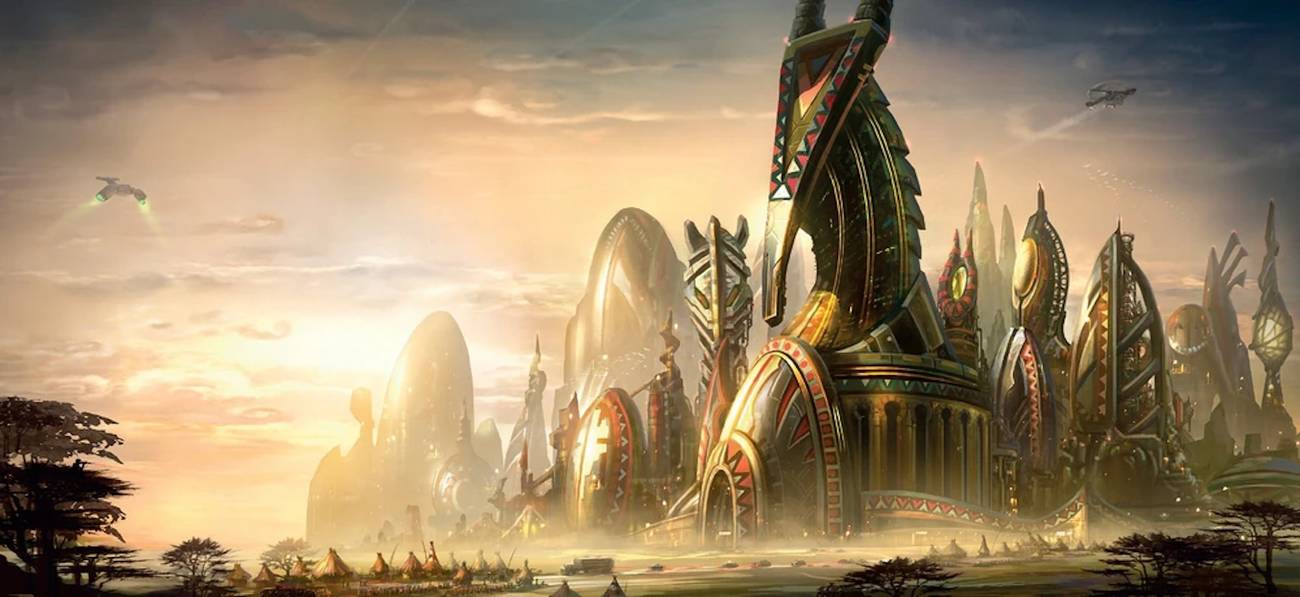
Scott Lawlor, reflecting on Metzen’s late-stage involvement in Titan, notes how his "big injection of fantasy" towards the end of the failed project provided a crucial foundation for Overwatch. Concepts like the Deadlock gang and the Phreaks, which originated in Titan‘s worldbuilding, found new life and purpose in the nascent Overwatch universe.
The development of Tracer exemplifies this transformation. Her core kit existed in Titan as a generic "Jumper" job class. However, by giving her a distinct identity – "Here is Tracer, she’s from the UK, she has a voice" – the character truly came alive. Lawlor emphasizes, "I can’t emphasize enough how much being able to put a face and a name on these gameplay concepts really elevated the whole [pitch process]." A memorable moment involved a temporary voiceover by the engineering manager’s British wife for early line art of Tracer, exclaiming "Cheers, love!" This simple act of imbuing a character with personality made "everything click," fostering a shift from generic classes to three-dimensional, relatable heroes.
Dion Rogers summarizes the team’s newfound clarity: "Coming out of Titan, we got a chance to know exactly what we wanted and what we didn’t want to do with the game. We had a really clear picture of what didn’t work and what we should hyper-focus on." Aaron Keller adds that they "appreciated the very tightly controlled scope of what a project like this would be," a stark contrast to the unwieldy Titan. The choice was clear: the team unanimously voted for Overwatch, never looking back.
The Unlikely Pitch: "Call of Skylanders" to a Visionary Lineup
The team’s internal enthusiasm for Overwatch still needed to translate into corporate approval, a daunting task for a company whose parent organization initially wanted to repurpose the team for World of Warcraft. Walter Kong was tasked with building the business case, a process he describes as "more than a little anxiety-inducing."
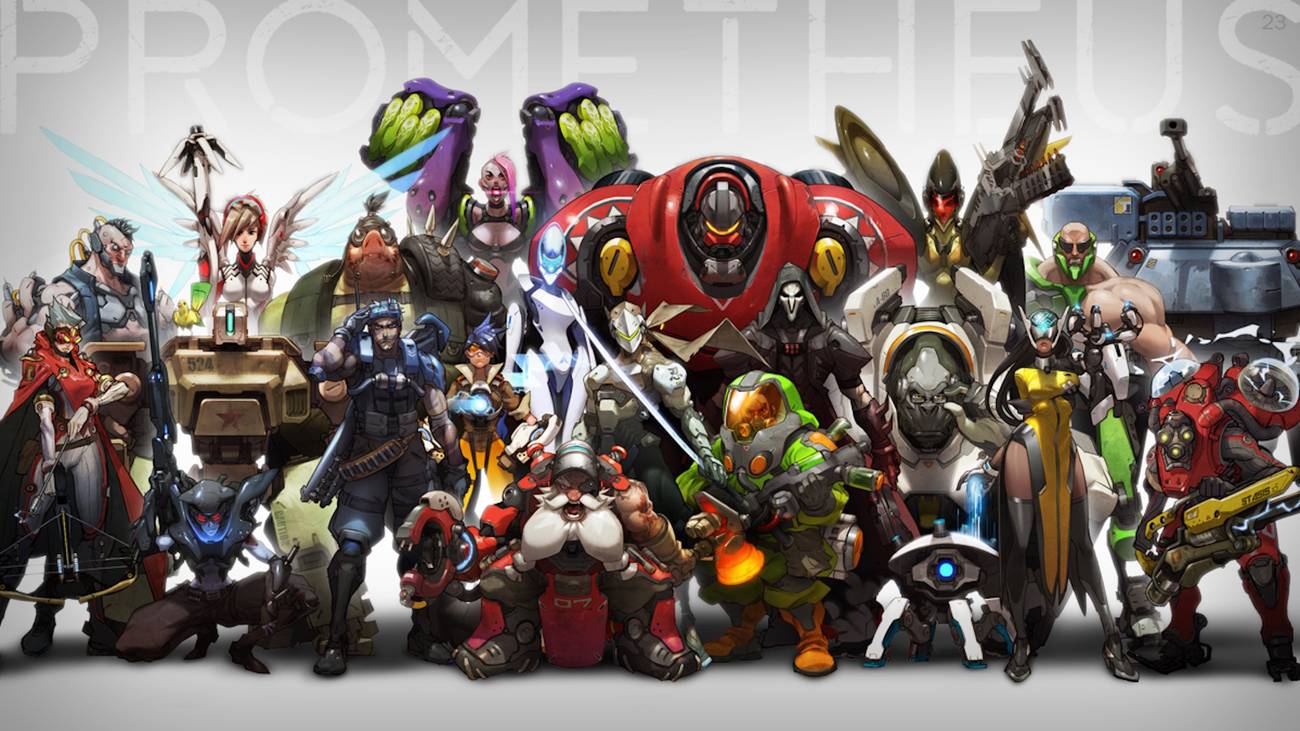
The initial pitch meeting with executives started roughly. Skepticism loomed, with one executive questioning their stylized art direction, suggesting it was merely an avoidance of competing with more realistic shooters. The meeting reached a low point when another executive quipped, "Oh, so you mean you’re building Call of Skylanders?" – a comparison that felt deeply insulting to the team’s creative vision.
However, the meeting took an extraordinary turn with a single slide: the lineup of Overwatch‘s diverse heroes. Kong recalls the immediate and overwhelming positive response. "Our group CEO said this was unlike anything in any medium, that it was amazing, and he had never seen art like that before." This moment transformed the meeting from a defensive justification into an imaginative exploration of the new IP’s potential. "That was an incredible moment," Kong reflects, "I’ve been in the industry a long time, and I think when I’m retired, I’ll remember that day, and just how special it was to see that turn." The characters, in their sheer originality and charisma, had captivated the decision-makers, securing the green light for Overwatch.
A "Magical" Development Cycle: From Greenlight to BlizzCon 2014
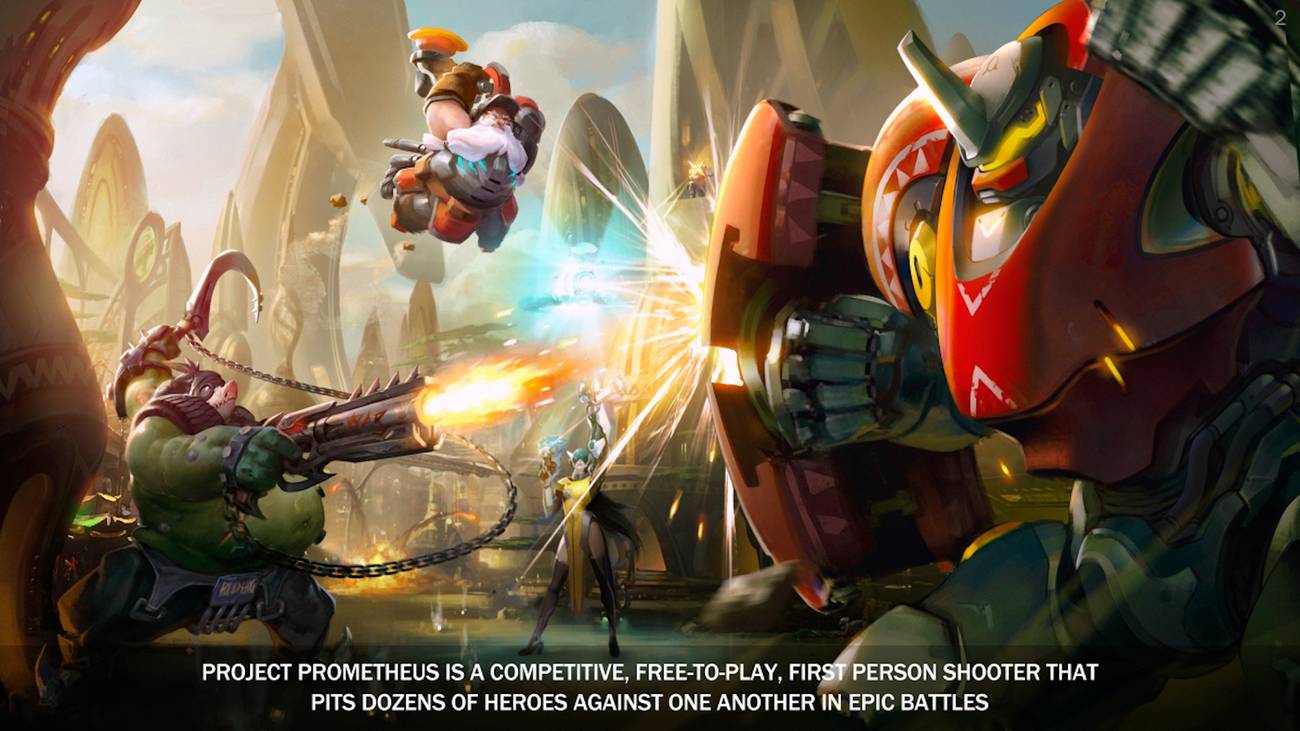
With the project officially approved, the Overwatch team, code-named "Prometheus," embarked on an intense 14-month sprint to prepare a playable build for BlizzCon 2014. Surprisingly, after the arduous journey of Titan, the development of Overwatch felt remarkably fluid. Aaron Keller’s assessment is stark: "I’ve never said this before, but it was easy." Despite long hours, the project seemed to coalesce organically. "It just felt like everything came together on that project," Keller notes, "There weren’t a lot of moments that I can pinpoint and be like, ‘Here’s where things were falling apart,’ or, ‘We had a big existential crisis on the project.’ It just didn’t happen."
Development began in earnest around June 2013. By October, the pitch was greenlit, and by November and December, the team was already prototyping in a new engine, albeit with placeholder assets like "Tracer shooting red lasers out of her eyes, because we didn’t have guns yet."
A critical factor in this smooth development was the lessons learned from Titan‘s technical woes. Dion Rogers explains, "Sometimes with Titan, it felt like we were building the game and the engine at the same time, like you’re making the tracks that the train goes on them at the same time." In contrast, Overwatch prioritized a robust and efficient engine from the outset. Scott Lawlor praises the engineering team: "The difference between Titan tools and Overwatch tools was night and day… Within six months, they basically reworked a lot of existing stuff that we had built for Titan into this really tight engine. Everything just worked all of a sudden, and it worked really, really well." This technical foundation allowed the team to "go 100 miles an hour," channeling their collective "incredibly hungry" energy into creative output. Pete Lee echoes this sentiment, noting that the challenge shifted from how to build to what exciting ideas to include, "but in a good way."
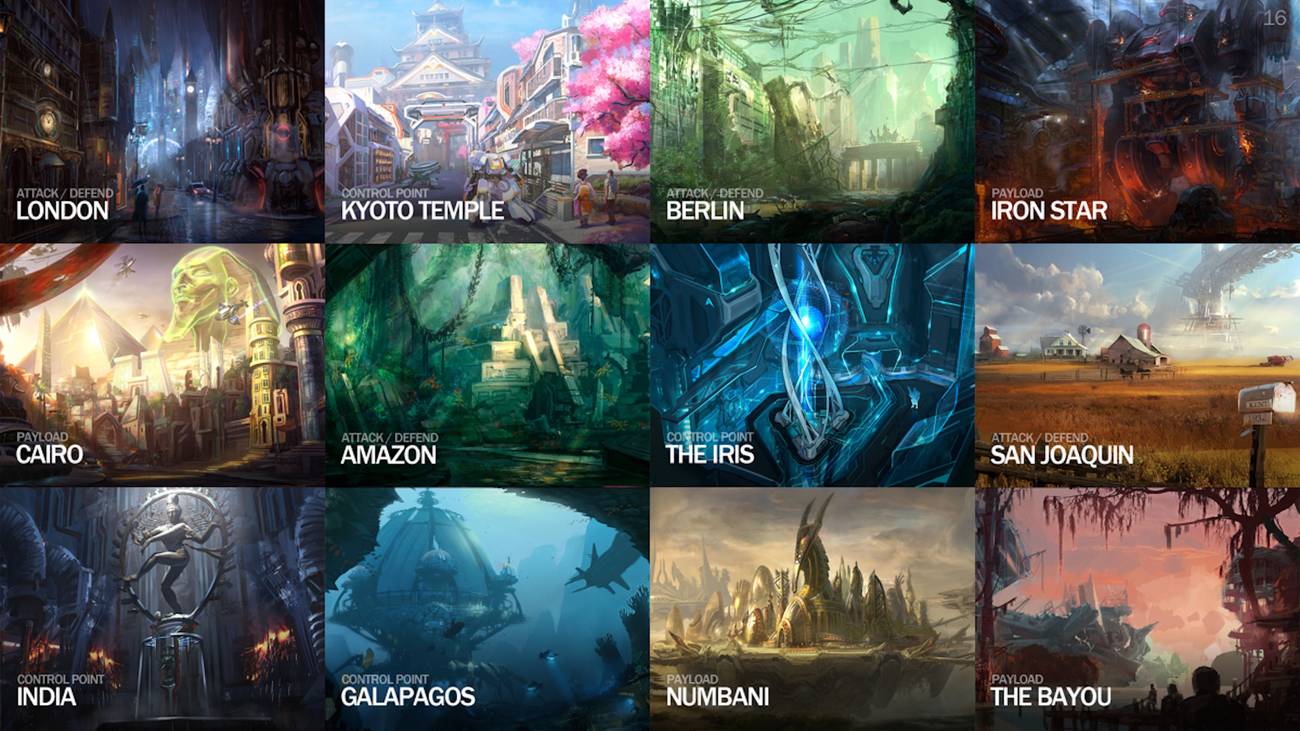
This hero-centric approach also streamlined worldbuilding. Rogers highlights how giving heroes names and origins – Pharah from Cairo, Tracer from London – made creating corresponding maps much easier. The eventual development of Hanzo and Genji directly led to the Hanamura map.
One of the most impressive feats was the rapid development of the game’s voiceover system and character personalities. Scott Lawlor recounts the compressed timeline: from December to January, they designed a contextual voice system but lacked programming resources until April. In a remarkable sprint, Lawlor himself provided temporary voiceovers for every character, pitching his voice up and down to match. By May, Michael Chu had joined the team as a writer, crafting all the characters’ dialogue within a month. By August, they were in the studio recording, and by September, all 12 heroes had fully voiced personalities in-game. "It just went flawlessly," Lawlor marvels, a testament to the team’s synergy and drive.
Mid-development, executive producer Ray Gresko paused a Game Check-In meeting to offer a profound piece of advice. Keller remembers Gresko telling the team, "I’ve been doing this a long time, and the chances of you getting an experience like this again are really low, so take this moment in, and remember it, and treasure it." It was a recognition of the unique, almost magical, creative flow that characterized Overwatch‘s early development, a rare period of unburdened creation.
BlizzCon 2014: A Phenomenal Debut
The debut of Overwatch at BlizzCon 2014 was a moment of profound significance for the team and Blizzard as a whole. After 17 years without launching a new IP, the stakes were incredibly high. Scott Lawlor describes the atmosphere leading up to the announcement: "Everyone was super nervous and super excited and visibly emotional at that moment, because we were so excited about what we were about to reveal."
The reveal cinematic, featuring Winston’s iconic drop into a museum, immediately resonated. Lawlor recalls walking out of the main hall, hearing attendees "buzzing" and already discussing characters like Winston, feeling "immediately invested." The impact extended beyond the convention floor; former colleagues reached out, expressing disbelief at the unprecedented reaction: "I’ve never seen grown men react like that to an announcement before in my entire life. Just people running around the office like, oh my god, did you see what just happened?"
Dion Rogers points to Winston’s debut as a key differentiator: "I realized the spirit of what we were making, because we didn’t show a human character, or some sort of military-esque hero first. It was this ape that was smart and intelligent, and it really showed the difference between our hero shooter and what was out there at the time." This immediate establishment of Overwatch‘s unique, optimistic, and diverse identity was crucial.
Aaron Keller articulates his "theory about why people get into hero shooters, and maybe even just superheroes in general." He believes that a lineup of diverse characters "is always more than the sum of its parts," inviting players to delve into each hero’s personality, history, and connection to the broader world. Overwatch‘s characters, crafted in the "Blizzard style" – larger than life yet rooted in "millennia-old archetypes" – spark a "deep, primordial" connection. Reinhardt as a modern knight, Mercy as a technologically-advanced angel; these concepts resonated deeply.
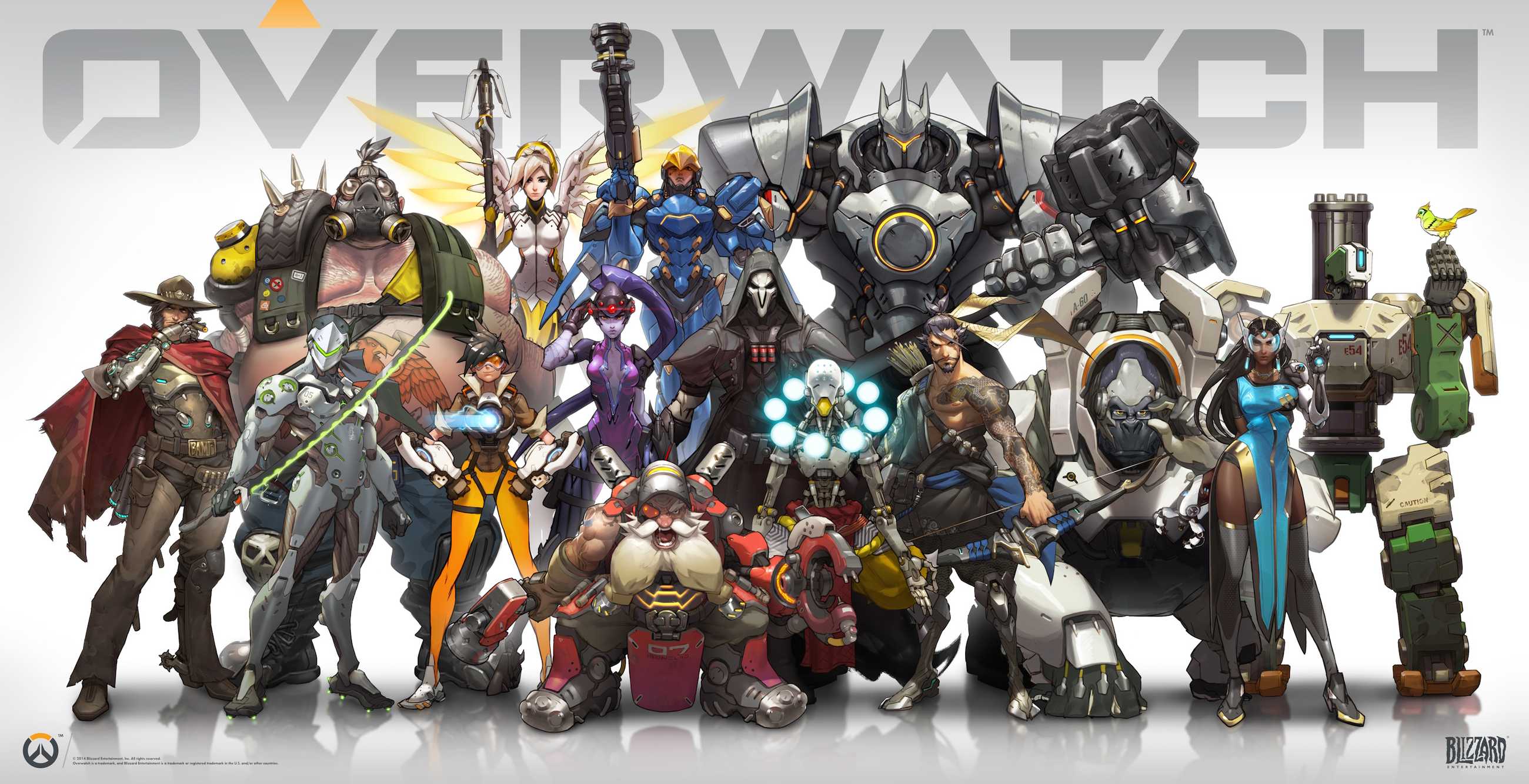
The BlizzCon debut strategically showcased 14 characters, with 12 playable on the floor. Cassidy and Genji were present in the lineup but unplayable, deliberately fueling player speculation. Jeff Kaplan, the original game director, intended this "overwhelming" roster to immediately convey the game’s ambitious scale, surpassing competitors like Team Fortress 2. This strategy worked, with Lawlor recalling attendees clamoring for information about "the ninja" and "the cowboy." This intense curiosity even led to a humorous anecdote where Cassidy was mistakenly referred to as "Joel" for months after BlizzCon, due to a misheard conversation.
Despite only a year of in-engine development, players felt the game was already "finished" at BlizzCon. The team even considered an aggressive late 2015 launch. However, the decision was made to delay it to 2016, allowing for crucial polish and the organic growth of an esports scene and beta phenomenon. This launch, Blizzard’s first new franchise in 17 years, was met with raucous celebration. Keller recalls a unique Blizzard tradition: "The whole company would gather for a big celebration when a game launched… They had ordered special champagne launcher guns… and drenched the crowd." For the Titan team, it was more than just a launch; as Dion Rogers puts it, "It was redemption." The game quickly became a "cultural phenomenon," spawning fan art and cosplay, validating the team’s belief in their creation.
THE TRIALS OF LIVE SERVICE AND THE SHADOW OF "OVERWATCH 2"
The Post-Launch Grind: Growth and Decline
The euphoria of Overwatch‘s launch gradually gave way to the challenging realities of live-service operations. Aaron Keller candidly admits, "After it launched, that’s when it started to get harder." The transition from developing a single release to simultaneously managing multiple development branches, addressing bugs, and implementing balance patches proved to be a significant "tax… mentally and operationally."
The introduction of new heroes, while exciting, often created unforeseen complications. Sombra’s translocator ability, for instance, became a "worst thing" for the level design team, as it allowed players to exploit geometry and access unintended areas, demanding constant fixes. Hero designers, instead of focusing solely on new creations, found themselves dedicating substantial time to maintenance.
Despite these challenges, the team established a framework for Overwatch‘s live service, including seasonal event rotations, following Jeff Kaplan’s philosophy of keeping the game "in touch with the players" through real-world holiday tie-ins. For about a year, the game continued to grow, but this trajectory was not sustainable.
Walter Kong pinpoints 2017 as Overwatch‘s peak, after which "we started losing players at a fairly linear rate ever since." The emergence of new, highly dynamic shooter genres like battle royales (PUBG, Fortnite) offered different experiences that Overwatch, which remained "relatively the same," struggled to compete with. The team harbored "very ambitious plans to do a lot more than just run the game," but the demands of ongoing maintenance made it "very, very difficult to think about anything else." This growing pressure and the desire for significant evolution eventually led to the ambitious, yet ultimately problematic, conception of Overwatch 2.
"Overwatch 2": A Difficult Path and Leadership Exodus
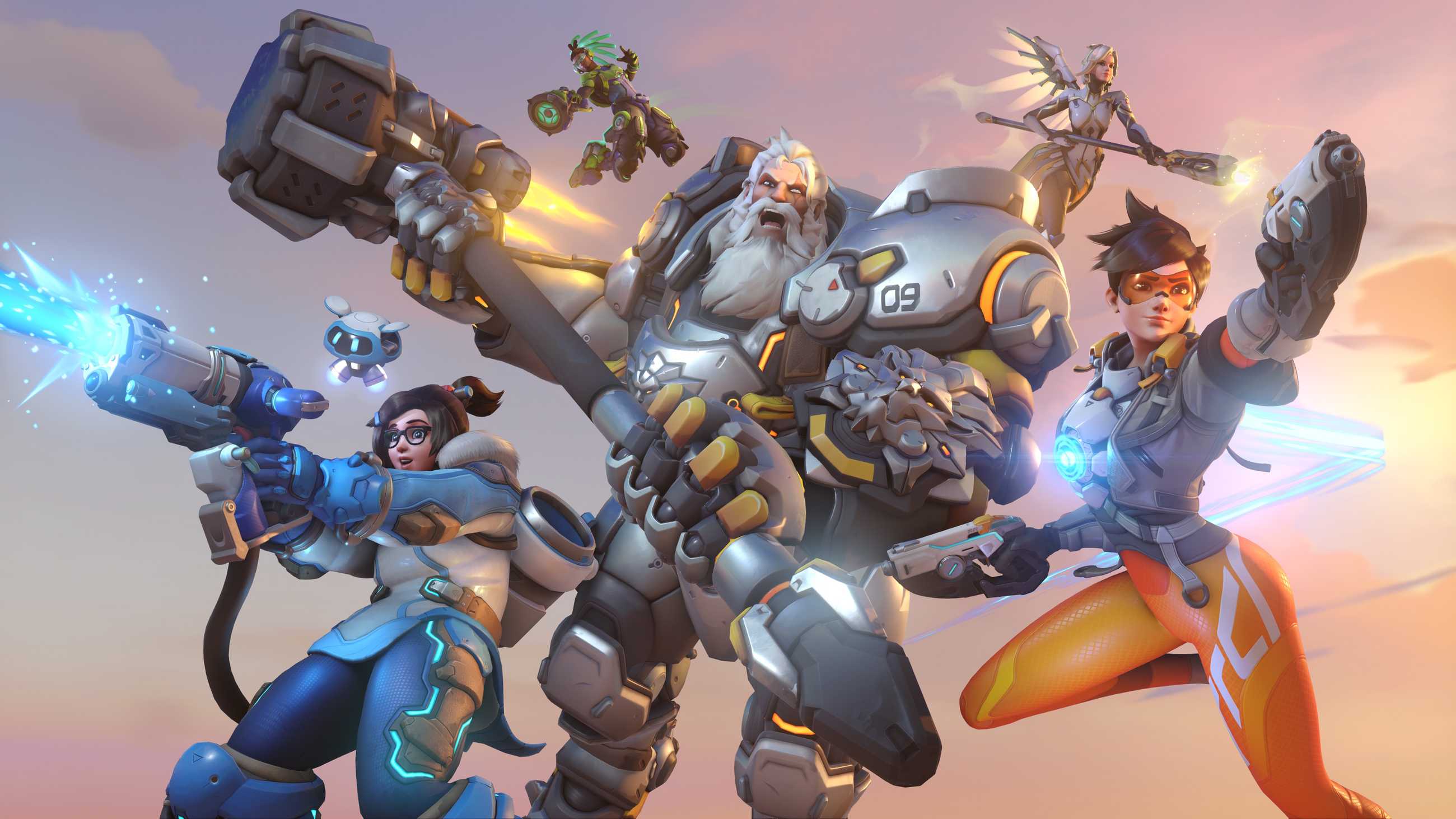
Overwatch 2, announced at BlizzCon 2019, promised a robust PvE campaign, new heroes, refreshed abilities for existing characters, and a massive expansion of the game’s lore. This vision, while appealing to players, placed an enormous burden on the development team.
Walter Kong describes the core dilemma: "Do we maintain that cadence of releases in the live-service pattern, or do we spend the resources on going for this next thing?" The attempt to do both resulted in a "pretty tough period" marked by a "painful drought in content" for the original game. The finish line for Overwatch 2‘s original vision seemed perpetually distant, creating immense internal strain.
The pressure culminated in a significant leadership exodus in 2021, with the game director, executive producer, production director, art director, and their assistants all departing the team. Kong admits, "I was actually really afraid to take the











No comments yet. Be the first to join the conversation!