

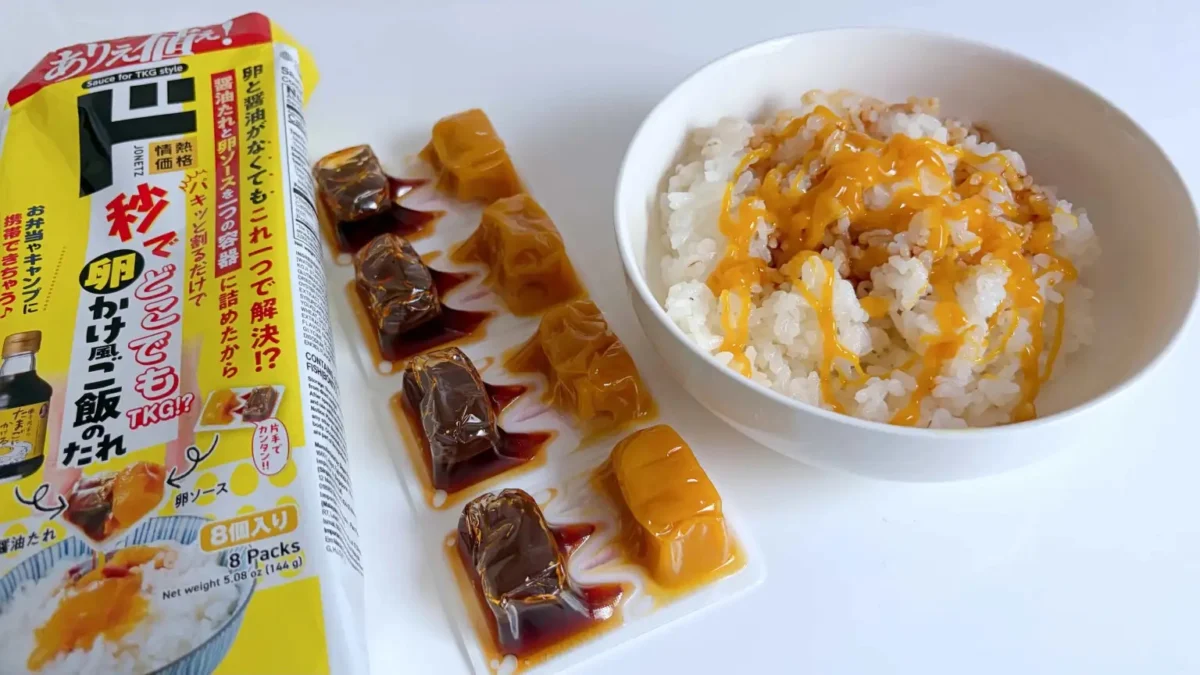
For millions of people in Japan, tamago kake gohan (TKG)—the simple, humble combination of raw egg and soy sauce drizzled over steaming white rice—is more than just a meal. It is a cultural institution, a nostalgic comfort food, and a breakfast staple that balances simplicity with deep, umami-rich satisfaction.
However, the traditional preparation of TKG is plagued by modern inconveniences. The reliance on raw eggs makes the dish notoriously difficult to transport. Whether one is packing a bento box for the office or preparing for an outdoor excursion, the risk of shell breakage or food safety concerns regarding raw egg storage has traditionally limited the "TKG experience" to the confines of one’s own kitchen.
Enter Don Quijote, the iconic Japanese retail giant known for its labyrinthine aisles and eclectic inventory. In a bid to democratize this culinary experience, the retailer has launched a product titled "TKG Anywhere in Seconds!? Sauce for Tamago Kake Style Rice." Promising to deliver the authentic flavor profile of TKG without the logistical nightmares of raw eggs, this product has sparked significant interest. We recently put the innovation to the test to determine if it truly lives up to its bold promise.
The Core Concept: How "TKG Anywhere" Works
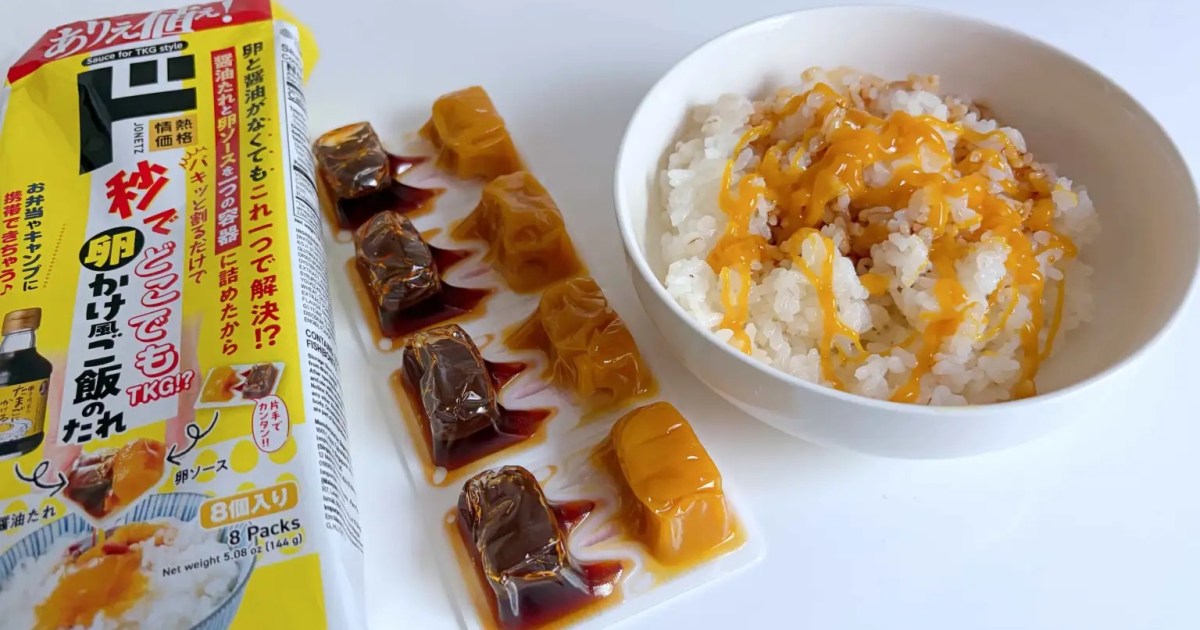
The brilliance of the "TKG Anywhere in Seconds!?" product lies in its engineering. Traditional TKG requires three distinct components: perfectly cooked Japanese short-grain rice, a fresh raw egg, and high-quality soy sauce. The Don Quijote innovation distills this into a compact, shelf-stable, squeeze-pack format.
The Mechanism of Delivery
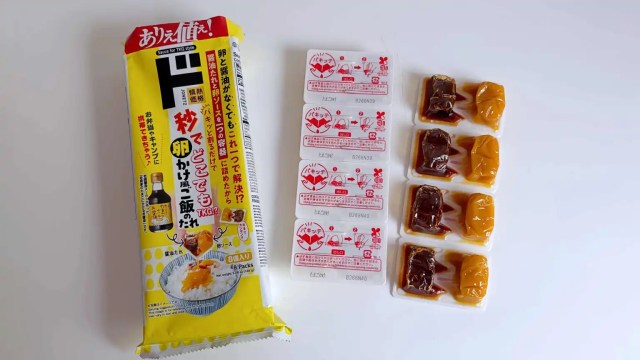
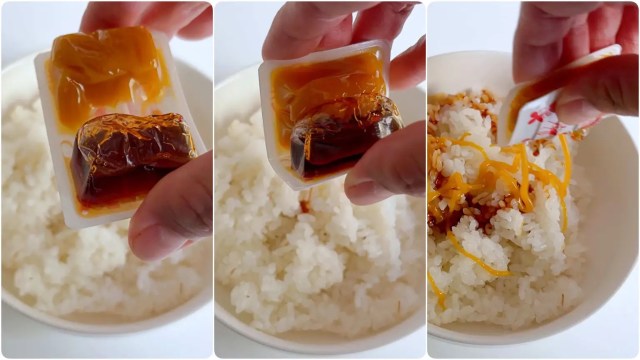
Each package contains eight individual servings, designed for portability. The internal structure is a dual-chambered system. When the user applies pressure to the pack, two separate sauces—a savory soy-based blend and an egg-flavored component—are expelled and combined in the nozzle. This ensures that the flavor profile remains stable until the very moment of consumption, mimicking the "whisking" action one would typically perform in a bowl.
The primary advantage here is the removal of the cold-chain requirement. Because the product is shelf-stable, it can be tossed into a backpack, briefcase, or picnic basket, making it an ideal companion for the modern commuter or outdoor enthusiast.
A Chronology of the Testing Phase
To evaluate the product, we subjected it to a rigorous, multi-stage testing process designed to measure flavor, texture, and practical utility.
Stage 1: The Initial Preparation
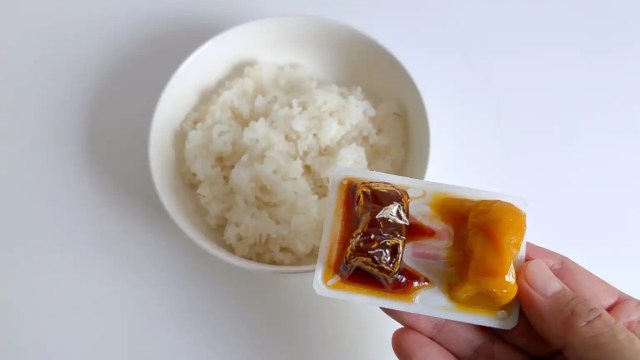
We began by preparing a fresh bowl of hot, steamed white rice. Unlike traditional TKG, where the egg is often whisked into the rice while it is still steaming, the Don Quijote sauce is designed to be applied as a finishing touch. The ease of use was immediately apparent; the squeeze-pack mechanism allows for a one-handed operation, which is a significant improvement over the two-handed, messy process of cracking an egg.
Stage 2: Sensory Evaluation
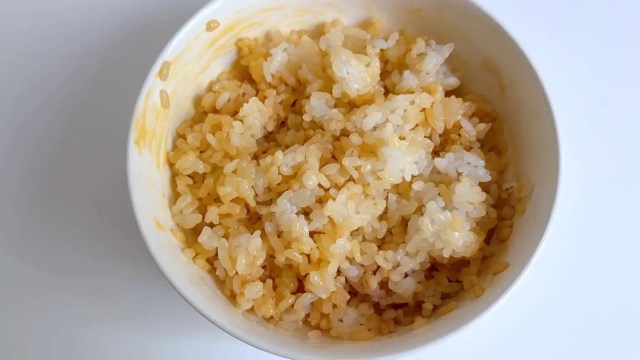
Upon mixing the sauce into the rice, the visual transformation was striking. The grains took on the familiar golden hue associated with authentic TKG. We noted that while the texture was slightly less viscous than the protein-heavy consistency of a fresh egg, the olfactory profile was remarkably accurate.
Stage 3: The Taste Test
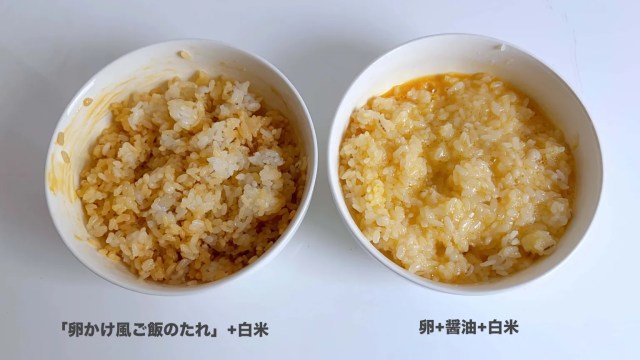
The flavor profile was the ultimate hurdle. We compared the product against a control bowl made with a fresh, farm-raised egg and premium soy sauce. While the "Anywhere" version lacked the subtle, gelatinous mouthfeel of a raw yolk, the "egg sauce" component provided a rich, sweet, and savory depth that felt authentic. The soy sauce base was clearly seasoned, suggesting it was not a simple liquid condiment but a carefully crafted emulsion designed to mimic the complexity of egg-soy fusion.
Supporting Data: Culinary Versatility
While the primary objective of the product is to facilitate the consumption of TKG, our testing revealed that the sauce’s utility extends well beyond the rice bowl.
Beyond Rice: The Udon Application
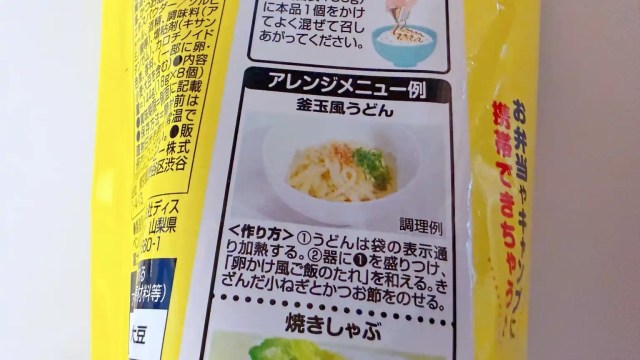
One of the most surprising findings during our evaluation was the product’s effectiveness as a seasoning for tamago kake udon. By incorporating the sauce into a bowl of hot udon noodles and topping the dish with scallions and bonito flakes, we were able to create a full meal that required zero soup base preparation.
The slightly sweet, umami-forward nature of the sauce complements the chewiness of udon noodles exceptionally well. This suggests that the product is not merely a "gimmick" for rice, but a versatile pantry staple for those looking to add a quick, savory punch to various Japanese dishes.
Official Responses and Industry Context
Don Quijote has marketed the product under its private brand, emphasizing the "Anywhere" aspect of its convenience. In official promotional materials, the company highlights that the product is a solution for "busy professionals" and "outdoor adventurers."
Industry experts note that this product fits into a broader trend in the Japanese food tech sector: the "re-creation of fresh experiences." As urban lifestyles in Tokyo and Osaka become increasingly fast-paced, companies are racing to bridge the gap between traditional home-cooked meals and the convenience of instant, shelf-stable alternatives. Don Quijote’s entry into this space is significant because of their massive distribution network, which allows such niche products to reach a wide demographic of both locals and international tourists who are eager to replicate Japanese flavors at home.
Implications: The Evolution of Convenience Food
The success of "TKG Anywhere in Seconds!?" carries broader implications for the future of convenience food.
1. The Death of the "Raw Ingredient" Barrier
For years, the limitation of raw ingredients—such as fresh eggs, fish, or dairy—has dictated the boundaries of pre-packaged meals. By successfully creating a shelf-stable facsimile, Don Quijote has demonstrated that the experience of a meal can be detached from the raw components of that meal without sacrificing the essence of the taste.
2. The Globalization of Japanese Soul Food
For international consumers, TKG is often a daunting dish due to food safety regulations regarding raw eggs in various countries. This product provides a safe, compliant, and authentic-tasting bridge for non-Japanese consumers to experience a fundamental aspect of Japanese daily life. It serves as an accessible "souvenir" that carries the spirit of Japanese dining across borders.
3. Sustainability and Waste Reduction
From a logistical standpoint, the shift toward concentrated sauce packs reduces the waste associated with egg shells and the carbon footprint of cold-chain logistics. While this is not the primary selling point for the consumer, it is a significant factor in the long-term sustainability of urban food distribution.
Conclusion: Is It Worth the Hype?
The "TKG Anywhere in Seconds!?" sauce is not a perfect replacement for the traditional ritual of cracking a fresh egg over a steaming bowl of rice at home. Purists will inevitably note the absence of the raw egg’s unique protein texture. However, the product achieves something arguably more important: it democratizes a beloved dish, making it accessible in environments where it was previously impossible.
Whether you are a student looking for a quick lunch, a hiker seeking a comforting meal at a campsite, or a curious foodie looking to experiment with Japanese flavors, this product delivers on its promise. It is an impressive piece of culinary engineering that proves, in the world of Japanese retail, even the most traditional experiences can be reimagined.
Next time you find yourself wandering the neon-lit aisles of a Don Quijote, this small, unassuming pack is well worth a purchase. It is a reminder that in Japan, the future of food isn’t just about high-tech machinery; it’s about making the simple joys of life just a little bit easier to carry with you.











