

Nestled along the shimmering coastline of Aichi Prefecture, just 30 kilometers southeast of the bustling industrial hub of Nagoya, lies a destination that defies the typical expectations of a Japanese theme park. Laguna Ten Bosch—formerly known as Laguna Gamagori—is a masterclass in the mid-sized, master-planned resort model. While it may lack the global brand recognition of the Disney or Universal franchises, it offers something increasingly rare in the modern tourism landscape: a cohesive, leisurely, and quintessentially Japanese take on the seaside Mediterranean escape.
Main Facts: The Anatomy of the Resort
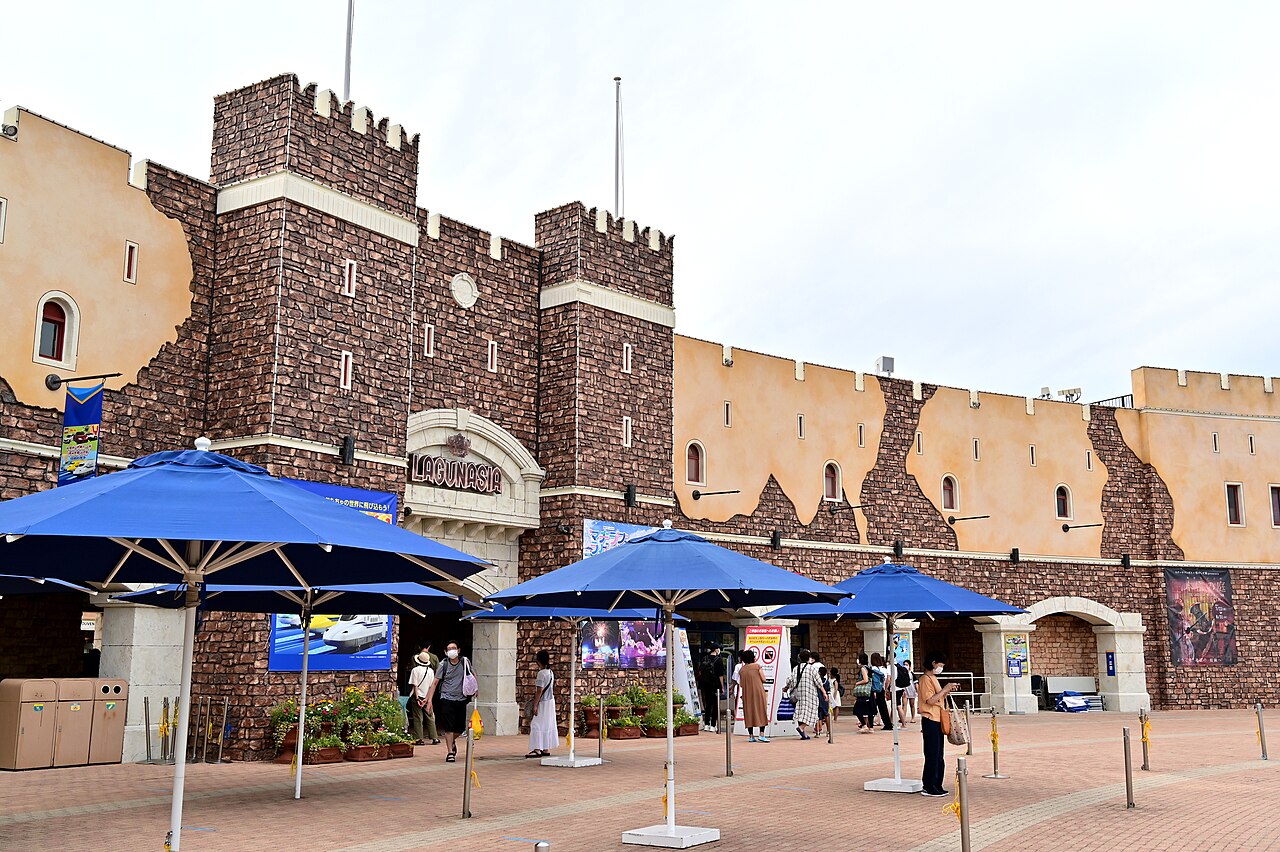
Laguna Ten Bosch is not merely a collection of rides; it is a sprawling, multi-faceted marine resort complex designed to capture the essence of a European harbor town. At its heart is Lagunasia, an ocean-themed amusement park that eschews the high-intensity, licensed-IP-dependent model of Tokyo’s major parks in favor of a relaxed, family-oriented atmosphere.
The resort’s physical footprint is impressively diverse. It encompasses:
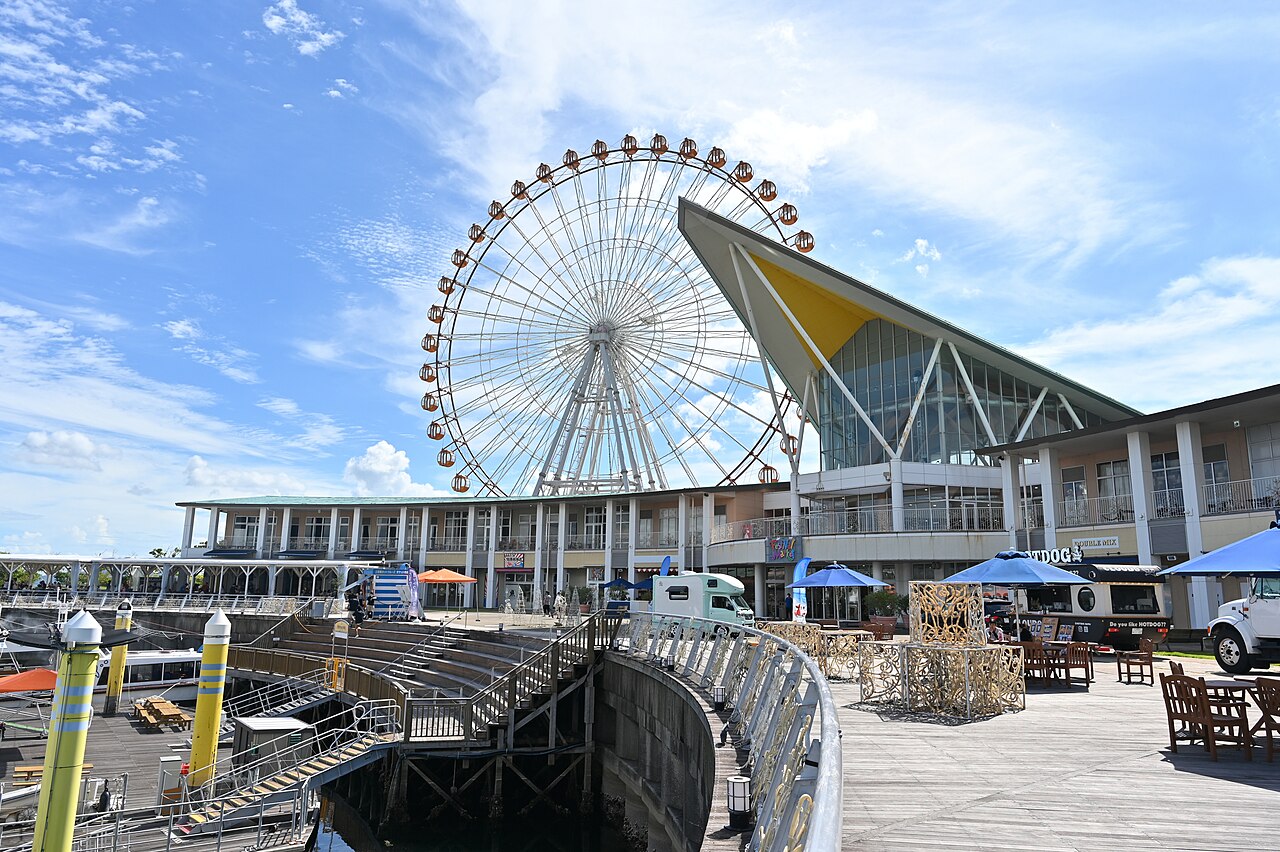
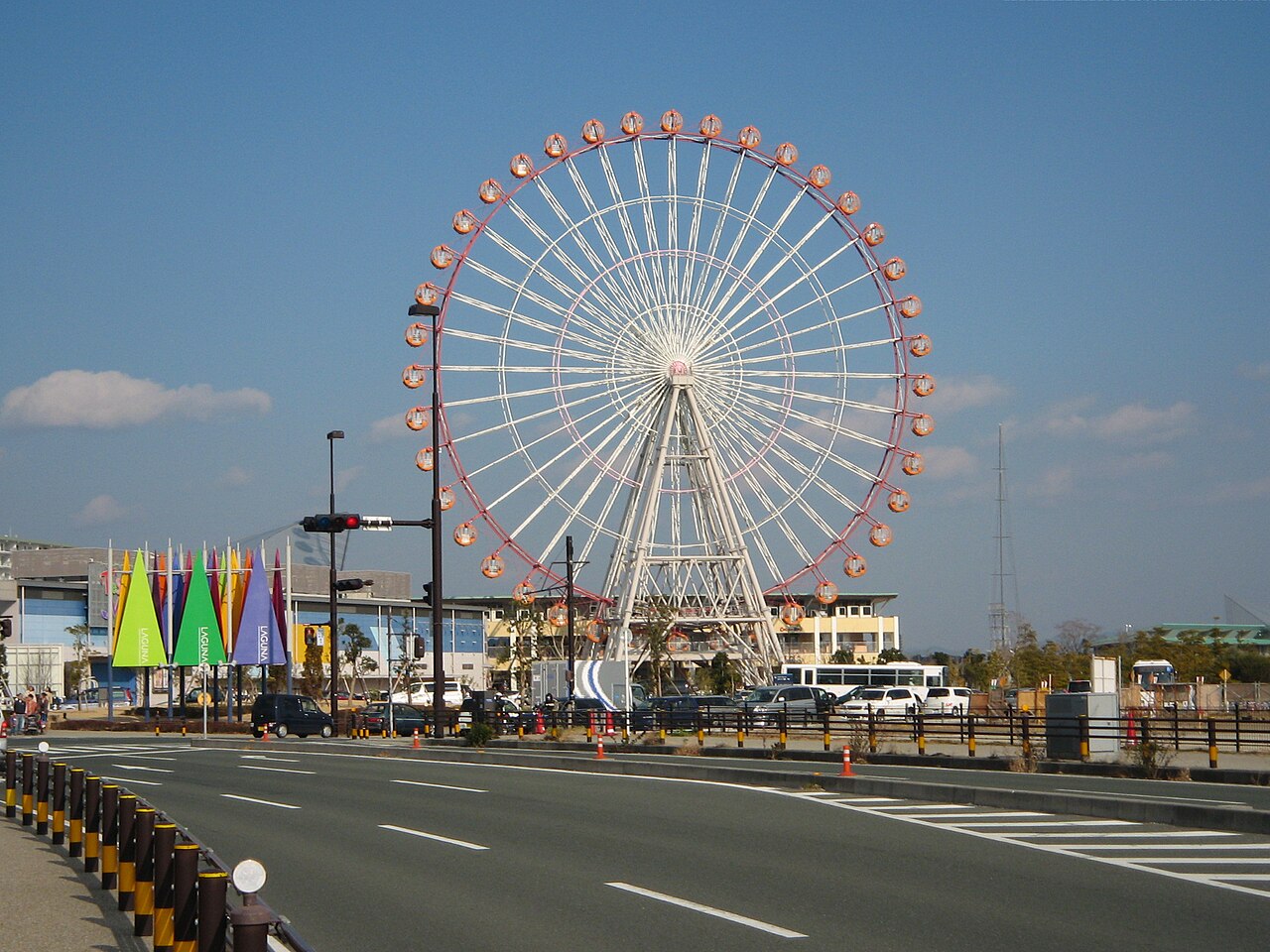
- The Theme Park (Lagunasia): A compact, aesthetically unified zone featuring 23 distinct attractions, including the signature Aqua Wind roller coaster and a landmark 65-meter Ferris wheel that provides panoramic views of Mikawa Bay.
- The Festival Market: A free-to-access shopping and dining complex that serves as the culinary and retail heartbeat of the resort.
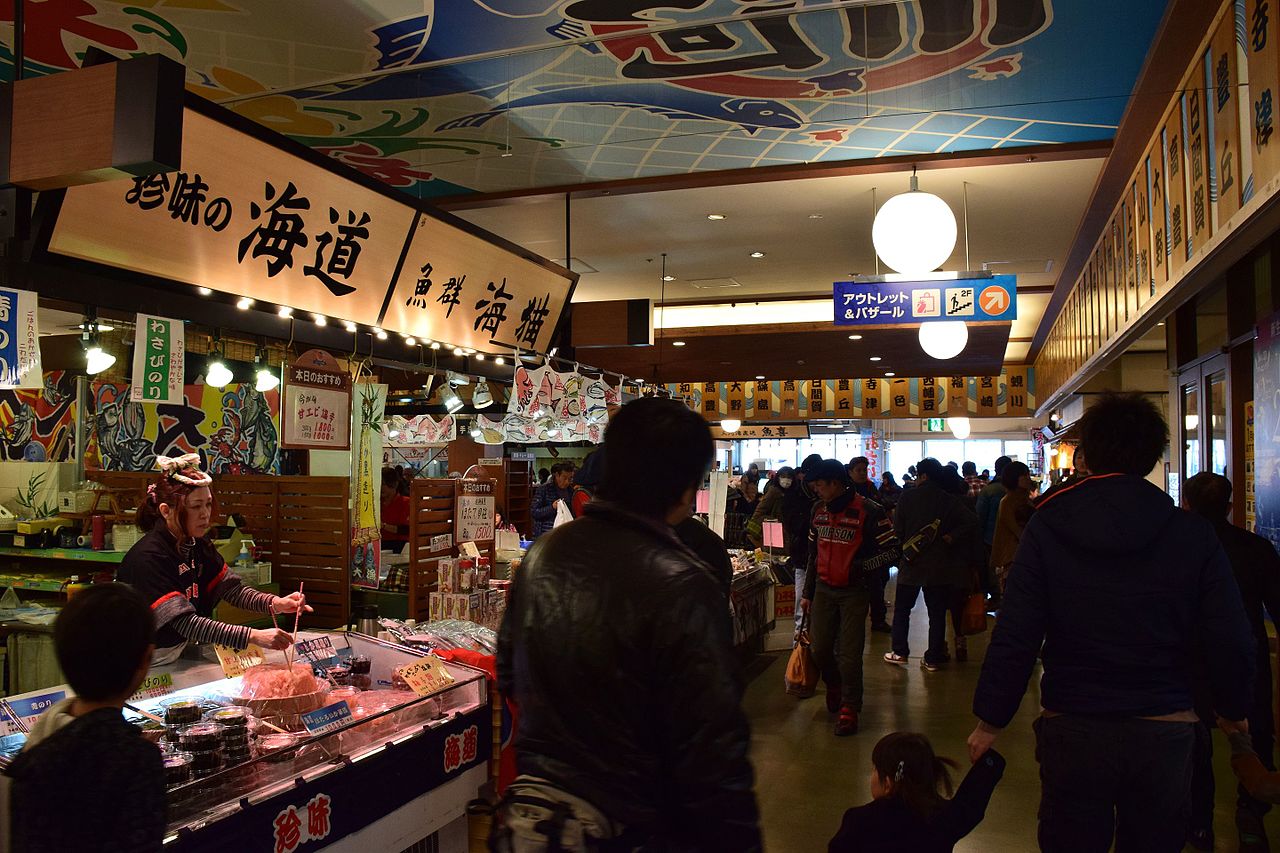
- The Seaside Market: A bustling, authentic fish market where the local Gamagori fishing fleet unloads its daily haul, offering visitors an opportunity to dine on some of the freshest sashimi in the prefecture.
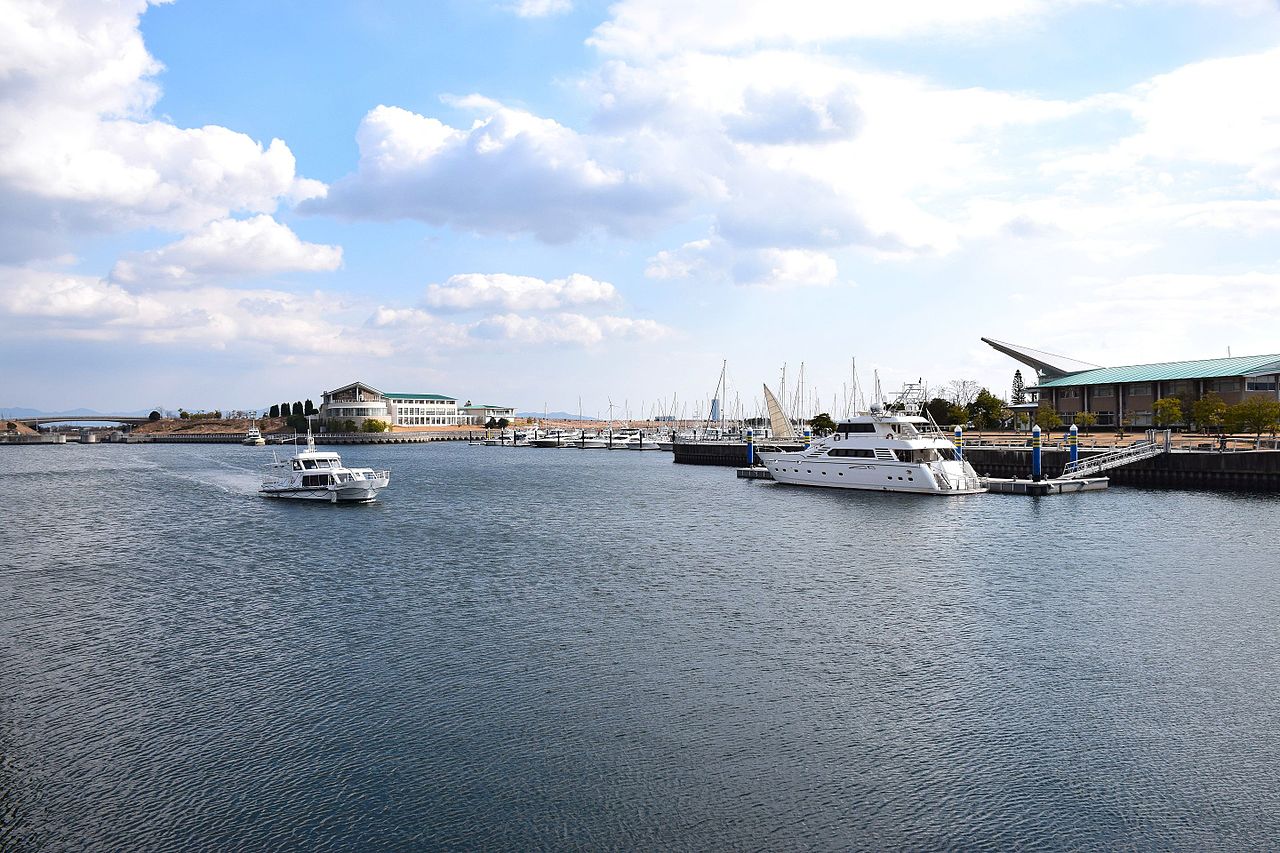
- The Marina and Water Park: A sophisticated, summer-only aquatic facility featuring a 230-meter lazy river and a working marina that serves as a hub for charter boats and regional ferries.
- Hotel Laguna Resort Spa Thalassa: An upscale, on-site accommodation facility specializing in balneotherapy—the use of heated seawater and mineral-rich treatments to promote holistic wellness.
Chronology: From Industrial Reclamation to Leisure Haven
The history of Laguna Gamagori is a fascinating window into the evolution of Japanese urban planning and domestic tourism. The project began in 2002, initiated by a Toyota-affiliated arm of Mitsubishi Real Estate. The vision was ambitious for the early 2000s: to transform reclaimed coastal land into an all-inclusive "ocean resort" that merged commerce, industry, and leisure.
However, the early years were characterized by the volatility typical of the Japanese economic landscape at the time. By 2014, the original operators moved to divest from the property, signaling a need for a new strategic direction. Enter H.I.S. Holdings, the massive travel-agency-and-leisure conglomerate.
H.I.S. brought a specific vision to the property. Recognizing the success of their flagship project, the Huis Ten Bosch theme park in Nagasaki—a massive recreation of a Dutch city—the company rebranded the Gamagori site as "Laguna Ten Bosch" in 2015. This was not a superficial name change; it was a structural pivot. They infused the park with the Dutch-harbor aesthetic of their Nagasaki property, introducing iconic elements such as windmills, intricate canal-side architecture, and the charming mascot, "Hapira-chan." This transition solidified the resort’s identity as a sister property, creating a smaller, more accessible "boutique" version of the larger Dutch-themed park.
Supporting Data: Why It Works
For those planning a trip to the Chubu region, understanding the utility of Laguna is key. The park operates on a "Passport" system, typically priced at ¥3,990 for a full-day, all-inclusive pass. This is a significant value proposition when compared to the escalating costs of major metropolitan parks.
Comparative Metrics:
- Accessibility: Located less than an hour from central Nagoya, the park is served by the JR Tokaido Line and a dedicated, frequent shuttle bus from Gamagori Station.
- Capacity: The park is designed for efficiency. Unlike the marathon queues of Universal Studios Japan, Laguna maintains a manageable pace. Even the headlining Aqua Wind coaster, a Maurer Söhne compact steel coaster reaching speeds of 54 km/h, rarely demands a wait exceeding 20 minutes on weekdays.
- Visitor Demographics: Data suggests a heavy bias toward families with children aged 4–10 and couples seeking a low-intensity, "date-night" atmosphere. The 65-meter Ferris wheel is widely cited as the premier spot for sunset photography, offering views of the Atsumi Peninsula that rival any coastal vista in the region.
Official Responses and Strategic Positioning
Management at H.I.S. Holdings has been clear regarding their intent for the park: it is not intended to be a global "destination" park. Instead, they frame Laguna Ten Bosch as a "lifestyle anchor" for the Aichi region.
In official statements, the company emphasizes the importance of the Seaside Market as a community bridge. By allowing local fishing fleets to sell directly to the consumer within the resort, Laguna integrates itself into the local economy rather than functioning as an isolated tourist bubble. This "local-first" approach is a departure from the isolationist model of traditional theme parks and has been praised by local authorities for sustaining interest in the Mikawa Bay area.
The shift toward wellness, specifically through the Thalassa spa, is another strategic response to shifting demographics. With Japan’s aging population, providing high-end spa and health-based services allows the resort to tap into a lucrative market that standard theme parks often overlook.
Implications: Is the Trip Worth It?
The decision to visit Laguna Ten Bosch should be dictated by your specific travel goals.
For the Family Traveler
If you are traveling with young children, the consensus is clear: this is one of the premier regional experiences in Japan. The sheer density of age-appropriate rides, combined with the safety and cleanliness of the facility, makes it a stress-free outing. The summer water park, which operates from July to September, essentially doubles the value of the entry ticket.
For the Theme Park Enthusiast
If your primary interest is the mechanics of the "coaster experience," Laguna may fall short. For thrill-seekers, a 40-minute commute to Nagashima Spa Land—home to some of the most aggressive and record-breaking coasters in the world—is a far better investment of time. However, for those interested in the design of Japanese theme parks, Laguna serves as a perfect case study. It demonstrates how a mid-sized park can maintain high aesthetic consistency without relying on the crutch of major movie licenses.
For the First-Time Tourist
For the international visitor on a tight, two-week schedule, Laguna is a "secondary tier" destination. Unless you are specifically staying in Nagoya for an extended period and have already exhausted the cultural riches of Kyoto and the street-food culture of Osaka, you might find your time better spent elsewhere. However, if you are looking to step off the beaten path and see how a typical Japanese family spends their weekend, it is an unparalleled look into domestic leisure culture.
Practical Logistics and Travel Tips
To maximize your visit, the following strategies are recommended:
- The "DIY" Advantage: While some tour operators include Laguna in bundled packages, it is entirely unnecessary. The logistical path from Nagoya is straightforward, and the flexibility of the independent traveler allows you to spend more time in the Festival Market or enjoying the sunset from the Ferris wheel without the pressure of a tour group schedule.
- Timing the Markets: The Seaside Market is best visited for lunch. The quality of the sashimi-grade fish, coupled with the ability to have it prepared on-site, makes it one of the best culinary experiences in the prefecture for the price point.
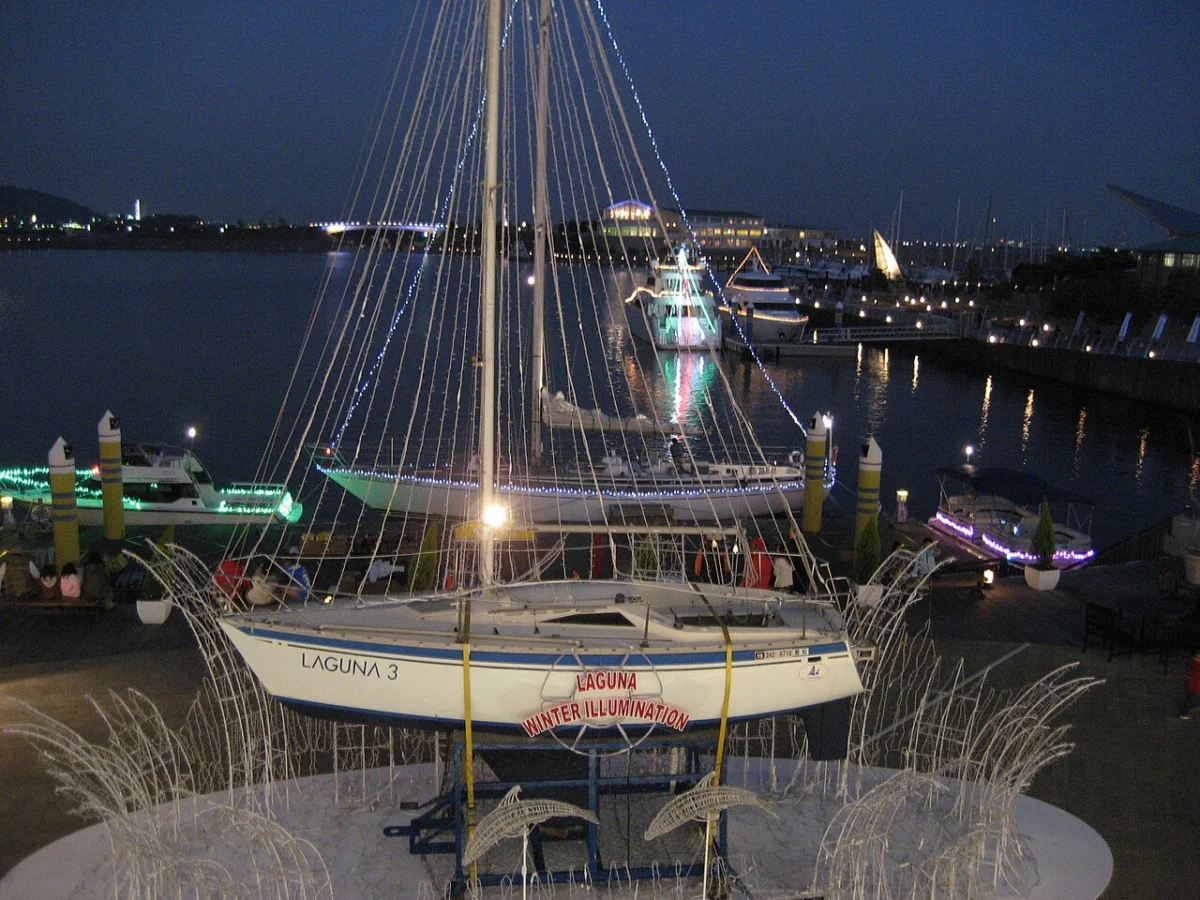
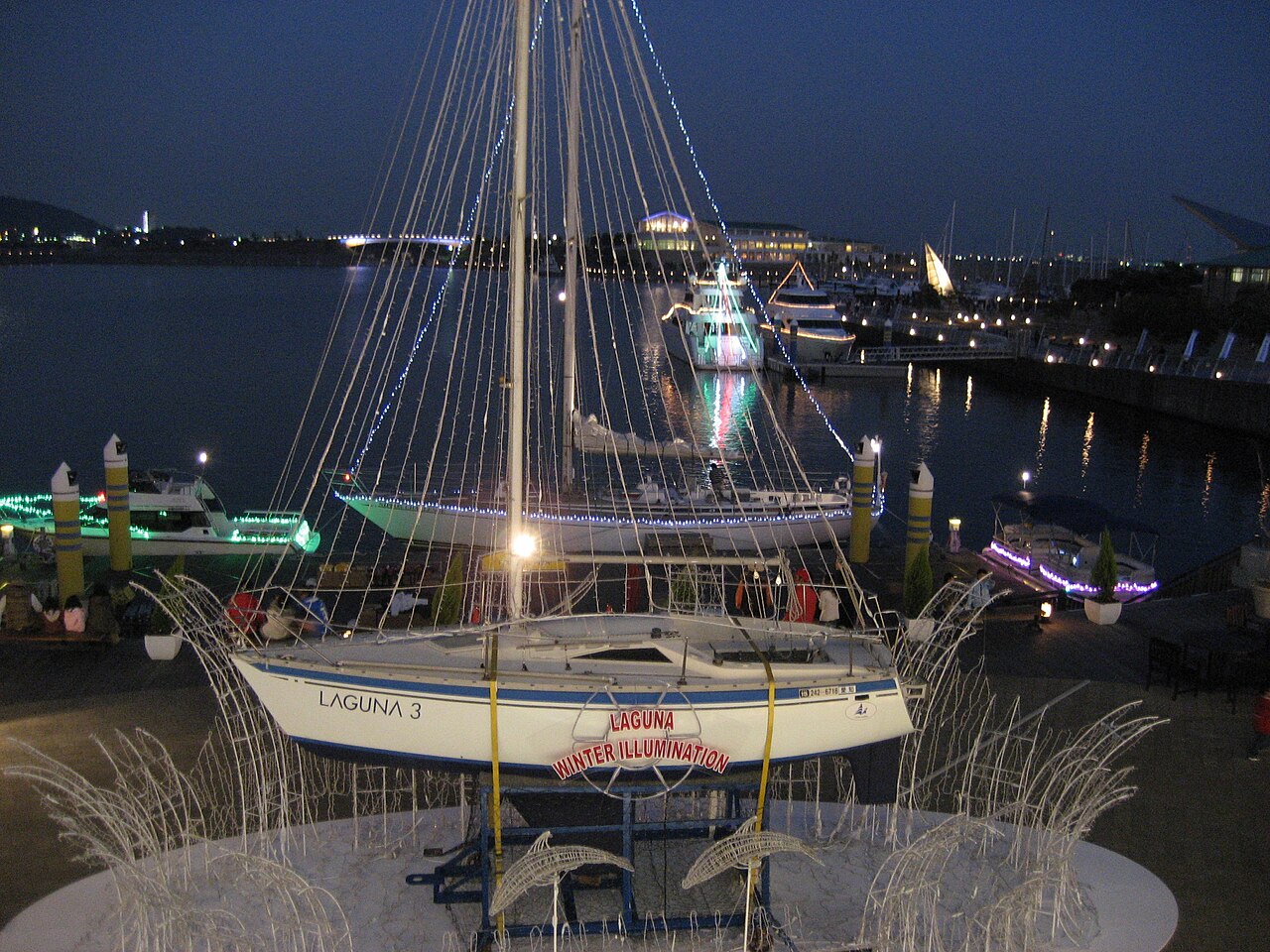
- Evening Aesthetics: If you are a photographer, arrive in the late afternoon. The lighting across Mikawa Bay is spectacular, and the transition from the "Dutch harbor" aesthetic to the evening illumination creates a unique visual experience that is distinct from the neon-heavy environments of Tokyo or Osaka.
- Language Barriers: While the park is not as "English-friendly" as a Disney property, it is more than adequate. Safety signage is bilingual, and the intuitive layout of the park means that you are rarely in a position where you need complex verbal communication to navigate the rides or dining.
In conclusion, Laguna Ten Bosch occupies a vital niche. It is a harmonious blend of commerce, leisure, and regional pride. By embracing its identity as a Mediterranean-inspired, family-friendly harbor town, it has secured its place as a reliable and rewarding destination for those willing to venture just outside the shadow of Japan’s major metropolises. Whether you are looking to ride a coaster with your children or simply want to eat fresh sea bream while watching the sunset over Mikawa Bay, Laguna offers a slice of the Japanese resort experience that is as refreshing as the coastal breeze it sits upon.











