Pevita Pearce
In the world of high-fidelity audio, Sonos has long been the gold standard for multi-room wireless sound. However, the last two years have been characterized by a significant reputational crisis for the company, stemming from a complete overhaul of its companion application. Following months of intense pressure from its user base and a self-imposed delay in hardware product launches to prioritize software stability, Sonos has finally begun rolling out a substantial update designed to rectify the shortcomings of its controversial 2024 redesign.
The latest update, which is currently propagating to users worldwide, introduces a suite of features aimed at restoring the intuitive navigation and responsiveness that loyal customers felt were stripped away during the previous interface transition.
The Path to Redemption: A Chronology of the Sonos App Crisis
To understand the weight of this update, one must look at the timeline of events that led Sonos to this critical juncture.
The 2024 Redesign
Two years ago, Sonos initiated a top-to-bottom redesign of its controller app. The stated goal was to modernize the look and feel of the platform to better support future product integrations. However, the release was met with immediate, widespread backlash. Users reported that the new interface was unintuitive, significantly slower, and riddled with bugs that caused devices to disappear from the network or fail to group correctly.
The Operational Fallout
The situation became so dire that the company was forced to pivot its entire corporate strategy. In a rare move for a hardware-first company, Sonos announced it would delay the launch of several anticipated hardware products. The rationale was clear: the company could not afford to ship new devices into an ecosystem that was struggling to support its existing ones. This "all-hands-on-deck" approach to software engineering marked a humbling shift for the brand.
The Road to Stability
Throughout 2025, Sonos focused on "incremental stability patches," attempting to patch holes in a foundation that many users felt was fundamentally flawed. It wasn’t until February 2026 that reports surfaced regarding a more comprehensive, structural update—the very update that is currently reaching consumer devices.
Key Features of the New Update
The current rollout is not merely a bug-fix patch; it represents a functional re-evaluation of the app’s user interface. Sonos has detailed the changes through official community channels, specifically targeting the most frequent pain points reported by users.
1. Reclaiming Tab Navigation
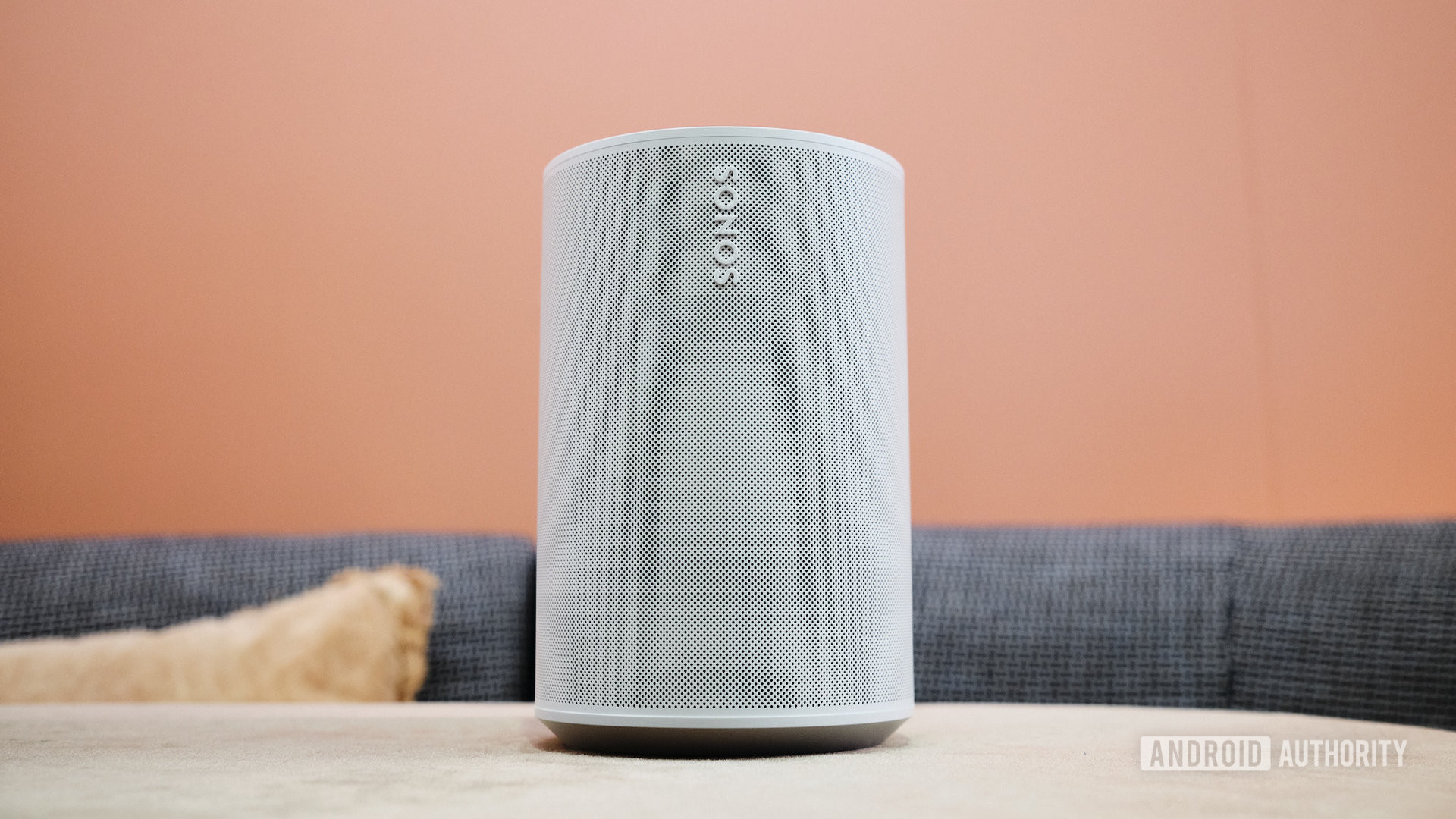
Perhaps the most requested feature was a return to a more logical navigation hierarchy. The new update introduces a clearly defined bottom navigation bar featuring "Home," "System," and "Search" buttons.
Crucially, Sonos has opted for a user-controlled rollout for this feature. By navigating to the app settings and toggling "Enable Improved Navigation," users can restore a traditional, tab-based workflow that significantly reduces the number of taps required to switch between rooms or find specific media.
2. Intelligent Speaker Management
Managing a large, multi-room Sonos ecosystem previously felt cumbersome in the recent app iterations. The new update introduces advanced sorting options for speakers and rooms. Users can now sort their hardware alphabetically, by "most-used," or dynamically based on which speakers are currently active. Furthermore, the introduction of a "pinning" feature allows users to keep their most frequently used zones at the top of the list, effectively decluttering the user experience.
3. The Dynamic Volume Slider (iOS)
For iPhone users, the interaction with volume control has been overhauled. The new "Dynamic Volume Slider" offers a more responsive experience. Beyond just controlling audio levels, the slider can now surface EQ shortcuts dynamically, depending on the user’s settings. By minimizing the latency between a finger-drag on the screen and the physical volume change on the speaker, Sonos has restored the "snappiness" that users felt was lost in the previous version.
4. Aesthetic and Usability Refinements
The "Now Playing" interface has received a visual refresh. The background colors of the player now adapt to the artwork of the album currently being streamed, creating a more cohesive, immersive aesthetic. Additionally, the app now supports "swipe-to-delete" functionality for Favorites, bringing the app in line with standard mobile UI expectations that were conspicuously absent in previous versions.
Supporting Data and User Feedback
While the technical specifications of the update are clear, the context of why this update matters is rooted in user metrics. According to feedback aggregated on community forums like Reddit and industry analysis from outlets like Android Authority and SoundGuys, the 2024 app redesign resulted in a significant dip in daily active user (DAU) engagement and an uptick in support tickets related to connectivity.
The "disastrous" label applied to the 2024 update was not hyperbolic. Internal metrics, which typically remain private, were seemingly echoed by the plummeting ratings of the Sonos app on both the Apple App Store and the Google Play Store. By focusing on "System" stability and "Navigation," Sonos is attempting to address the specific data points where user retention plummeted.
Official Responses and Corporate Strategy
In a statement posted to the r/Sonos subreddit, the company acknowledged the friction caused by the previous iteration of the app. The tone of the communication was notably more transparent than the company’s initial responses in 2024.
"We recognize that the experience over the last two years has fallen short of the expectations our community holds for Sonos," the company noted in its announcement. "This update is a direct response to your feedback. We aren’t just fixing bugs; we are restoring the way you interact with your music."
This shift in communication strategy—moving from "marketing-speak" to a direct, community-facing dialogue—suggests that Sonos is attempting to repair the brand trust that was eroded during the software crisis. By admitting that the previous redesign was a misstep, Sonos is hoping to signal that they are listening to power users rather than pushing a top-down design philosophy.
Implications for the Future of Sonos
The successful rollout of this update carries massive implications for the company’s trajectory.
Hardware Resumption
With the software infrastructure now stabilized, industry analysts expect Sonos to resume its typical hardware release cadence. The company has a backlog of smart speaker prototypes and potential home theater advancements that were sidelined to fix the app. A stable app is a prerequisite for launching new hardware, as the app serves as the central hub for the entire Sonos ecosystem.
Brand Loyalty and Market Position
Sonos operates in an increasingly crowded market. Competitors like Apple (with the HomePod), Amazon (with Echo/Eero integration), and Google (with Nest Audio) are constantly iterating. Sonos’s primary advantage has always been its "walled garden" that simply worked better than the competition. The 2024 crisis shattered that perception. This update is a "repair mission" for the brand’s identity. If this update successfully restores confidence, the company can return to focusing on its premium audio quality and multi-room ecosystem superiority.
Technical Debt and Software Development
The most important lesson from this saga is the danger of prioritizing "modernization" over "utility." The 2024 redesign failed because it prioritized a new look over the fundamental functionality that made Sonos successful in the first place. This update serves as a case study for software developers everywhere: when building for a user base that relies on a tool for daily utility, performance and navigation must always trump aesthetic trends.
How to Access the Update
Sonos is deploying the update in phases. For the vast majority of users who have "Automatic Updates" enabled, the changes will appear automatically as the server-side rollout hits their region.
For users who prefer manual control, or those who want to ensure they are on the latest version immediately:
- iOS Users: Visit the App Store, search for "Sonos," and check for a "Update" button.
- Android Users: Visit the Google Play Store to ensure your app version is current.
Once updated, users should immediately visit the settings menu to toggle the "Enable Improved Navigation" feature, as this is the centerpiece of the new user experience.
As the tech community continues to monitor the rollout, the focus will remain on whether this update truly addresses the long-standing frustrations of the user base. For Sonos, the stakes could not be higher—this is not just an app update; it is a critical effort to prove that the company still understands the people who made it a household name.


 Lina Hope