

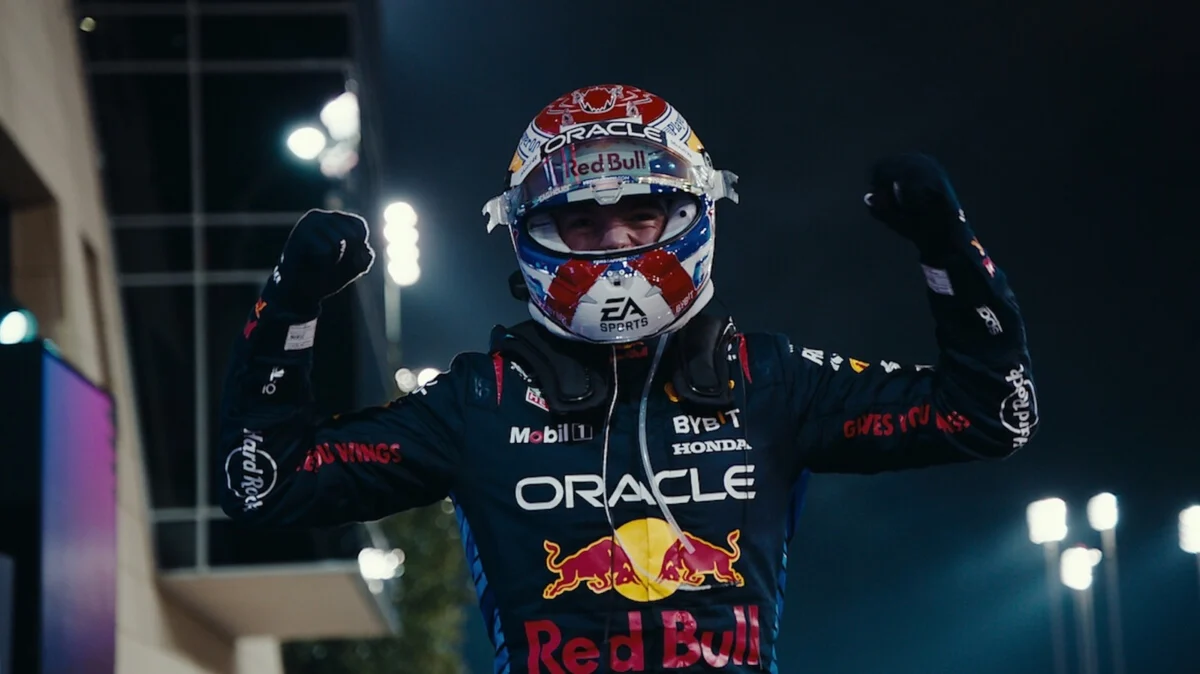
For years, the intersection of Formula 1 and Netflix was defined by the docuseries Drive to Survive. While that show is widely credited with the massive surge in F1’s popularity across North America, it was always a "rear-view mirror" experience—an expertly crafted look at events that had already concluded. This weekend, that dynamic shifts permanently. For the first time, Netflix subscribers in the United States will be able to bypass traditional sports networks and Apple TV to watch the Canadian Grand Prix live, marking a pivotal moment in the evolution of sports broadcasting.
The Core Development: Breaking the Apple Monopoly
The Canadian Grand Prix, taking place from May 22 to May 24, serves as the stage for this experimental broadcast. This move is not merely a content acquisition; it is a strategic maneuver that highlights the thawing of competitive barriers between the world’s biggest tech giants.
While Apple TV has secured its position as the primary home for F1 racing in the United States starting in 2026, the road to that exclusivity is being paved with collaborative compromises. In a surprise announcement earlier this year, Apple agreed to grant Netflix the rights to air select races. This partnership is designed to cross-pollinate audiences: Netflix gets the adrenaline of live sports—a holy grail for advertisers—while Apple ensures its high-end documentary content, specifically the eighth season of Drive to Survive, gains a broader, more integrated distribution footprint.
A Chronology of the Streaming Shift
The road to this weekend’s live broadcast did not happen overnight. It is the result of a multi-year chess match between streaming platforms and traditional cable broadcasters.
- 2019: The Drive to Survive Catalyst: Netflix launches the first season of the F1 docuseries. It succeeds beyond expectations, turning drivers into household names and demystifying the complex regulations of the sport for a new generation of American fans.
- 2023: The Pivot to Live: Recognizing the immense value of live engagement, Netflix begins testing the waters with "Netflix Live," hosting events ranging from golf tournaments to celebrity tennis matches.
- February 2024: The Apple-Netflix Pact: Amidst the transition of F1 broadcasting rights, Apple and Netflix announce an unprecedented content-sharing agreement. Apple agrees to license select live race weekends to Netflix in exchange for deeper integration of the Drive to Survive franchise.
- May 2024: The Canadian Grand Prix: The deal comes to fruition. For the first time, a live Formula 1 race appears on the Netflix landing page, sitting alongside scripted dramas and stand-up specials.
The Strategy Behind the Move: Why Netflix?
Why would Apple, a company known for its "walled garden" approach to content, allow a competitor to host its premier product? The answer lies in market penetration.
"Live sports are the last remaining pillar of appointment television," says media analyst Sarah Jenkins. "By offloading select races to Netflix, Apple isn’t losing market share; they are effectively outsourcing the marketing of their F1 ecosystem to the largest streaming subscriber base on the planet."
For Netflix, the strategy is equally clear. The platform has struggled to find a consistent "killer app" for live sports. While their foray into Major League Baseball and special event concerts—such as the high-profile BTS reunion—were successful, they were sporadic. By hosting a live Formula 1 race, Netflix is signaling to its 270 million-plus global subscribers that the platform is no longer just for binge-watching on a Sunday afternoon; it is a venue for the "here and now."
Supporting Data: The F1 North American Boom
The numbers explain why this deal was inevitable. According to internal data from Liberty Media (the parent company of Formula 1), the average age of an F1 viewer in the U.S. has dropped by nearly 15 years since 2018.
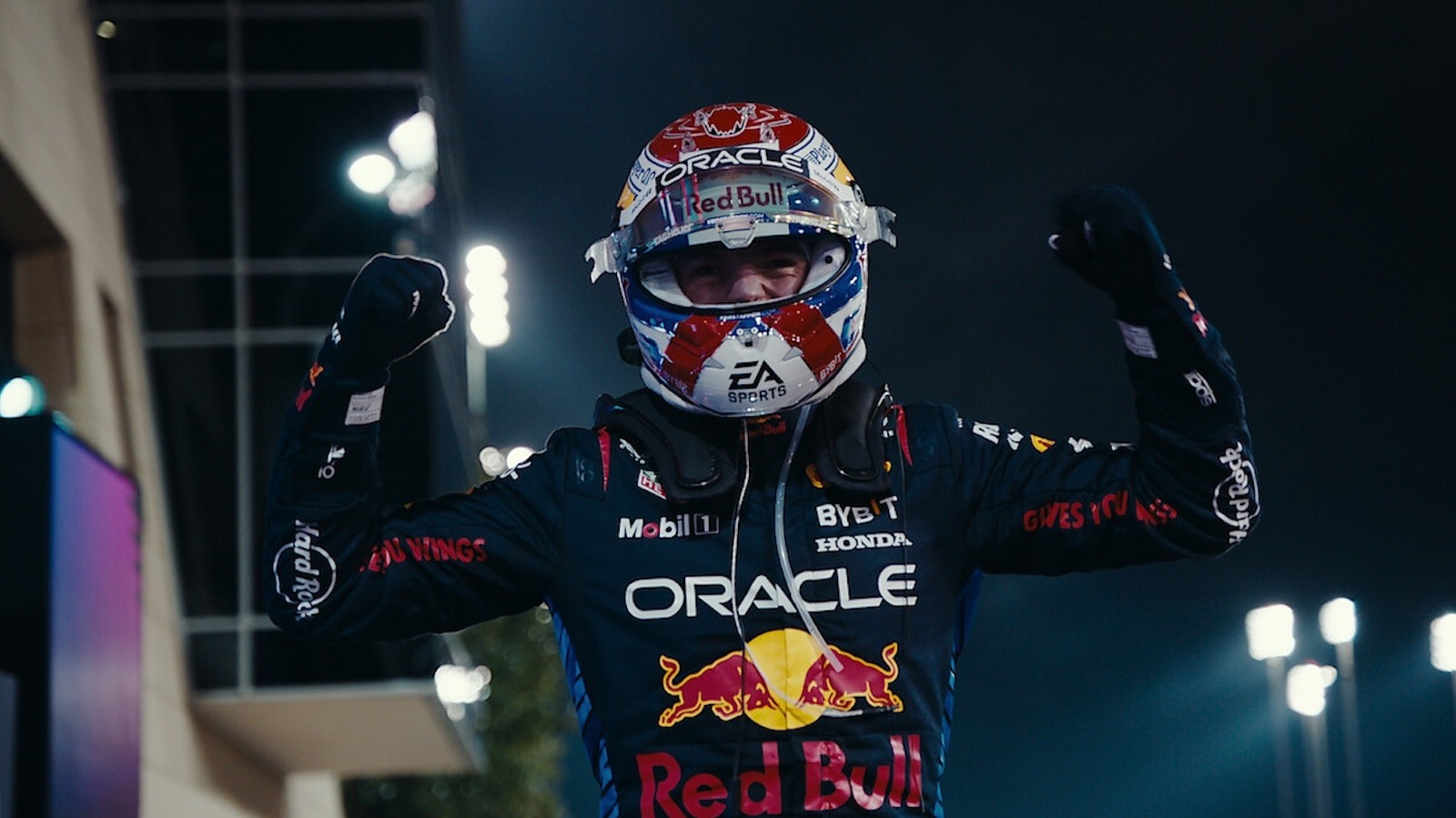
- Television Ratings: F1 viewership on linear television in the U.S. has hit record highs, with the Miami Grand Prix regularly drawing over 2 million viewers.
- Subscription Growth: Market research indicates that 40% of new F1 fans in the U.S. cited Drive to Survive as their primary entry point into the sport.
- Digital Engagement: During race weekends, social media engagement for F1 has grown by 300% since 2020, with the "Netflix effect" accounting for a significant portion of that growth in the 18-34 demographic.
These metrics suggest that the audience for the Canadian Grand Prix on Netflix is already pre-primed. They are not just casual observers; they are "Netflix-native" fans who have spent years consuming the sport through the streaming giant’s lens.
Official Responses and Industry Sentiment
The reaction from the racing community has been cautiously optimistic. While purists often express concern about the "Netflix-ification" of the sport—fearing that the focus on drama might overshadow the technical complexity of the racing—the teams themselves are largely supportive.
"Anything that puts our sport in front of more eyes is a win," noted one team principal during the press conference leading up to the Montreal race. "The partnership between Apple and Netflix is a recognition of the fact that we live in a fragmented media landscape. If you want to grow, you have to be everywhere."
From the corporate side, the rhetoric is more measured. In a joint statement, representatives from both Apple and Netflix emphasized the "cooperative nature of modern media." Apple noted that this arrangement allows them to focus on the premium, long-form storytelling of the documentary series, while Netflix handles the high-volume, live-streaming infrastructure required for a global event.
The Implications: What Comes Next?
This weekend is a trial balloon. If the broadcast proceeds without technical hitches, it is highly likely that we will see an expansion of this model. The implications are profound:
- The Death of Regional Blackouts: If Netflix proves it can handle the scale of a global F1 broadcast, it sets a precedent for other leagues—such as the NBA or the Premier League—to explore similar tiered licensing agreements.
- Advertiser Confidence: Advertisers are currently paying a premium for live sports because they are the only programs that viewers watch in real-time. If Netflix can capture a significant chunk of this market, the platform’s advertising tier, which launched in 2022, will become significantly more valuable.
- The "Platform Wars" Consolidation: We are likely moving toward an era of "co-opetition," where rival streaming services share rights to massive events to keep subscriber churn low. By sharing the burden of high-cost sports rights, these companies can maintain profitability while keeping users locked into their respective ecosystems.
Conclusion: A New Era of Access
As the cars take to the track in Montreal this weekend, the significance will be felt far beyond the circuit. For the viewer, it represents the ultimate convenience: the ability to transition from a documentary about the sport to the live event itself with a single click. For the industry, it is a sign that the old barriers of broadcasting are crumbling.
Whether this marks the start of a permanent shift in how we consume live sports remains to be seen. However, one thing is certain: the race for your screen time has never been more competitive. This weekend, the finish line is no longer just on the track—it is on the Netflix interface. Fans tuning in on May 22-24 are witnessing a technological evolution that will define the next decade of sports media.












No comments yet. Be the first to join the conversation!