Rifan Muazin
By Matthew Wilson | Featured Tech News
After months of intense speculation, clandestine leaks, and high-stakes anticipation within the gaming hardware community, Valve Corporation has finally pulled the curtain back on the pricing structure for its much-hyped "Steam Machine" revival. If the goal was to capture the hearts and wallets of living-room gamers, the announcement has been met with a decidedly lukewarm—and in some circles, hostile—reception.
Citing volatile shifts in the global RAM and solid-state drive (SSD) markets, Valve has confirmed that the Steam Machine will launch at a price point significantly higher than industry analysts originally projected. For many, this marks a disappointing pivot for a product that was once positioned as the ultimate console-killer, now appearing more like an overpriced boutique PC.
The Core Facts: Pricing and Availability
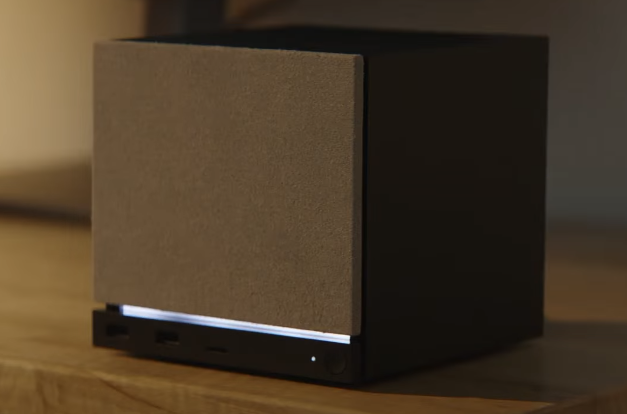
The pricing strategy for the Steam Machine has left many potential adopters reconsidering their interest. Valve has opted for a tiered structure based on storage capacity, with optional add-ons for their proprietary controller.
The Pricing Breakdown
- Base Model (512GB SSD): $1,049 (Console only); $1,128 (Including controller).
- High-Capacity Model (2TB SSD): $1,350 (Console only); $1,428 (Including controller).
These figures represent a sharp departure from the internal targets Valve reportedly held back in October 2025. At the time of the initial announcement, industry insiders suggested a much more aggressive pricing model, likely aiming to replicate the successful entry-level accessibility of the Steam Deck. Instead, consumers are now looking at price tags that are nearly double those initial estimates, placing the Steam Machine in direct competition with high-end enthusiast desktop builds and premium next-generation consoles.
Reservation Process
Interested buyers can currently register via the Steam platform. Valve has implemented a queue-based reservation system, with the first wave of notification emails scheduled to hit inboxes on June 25th. This process mirrors the roll-out of the original Steam Deck, which relied on waves of invitations to mitigate supply chain bottlenecks and scalping attempts.
Chronology: From Concept to Consumer Shock
The journey to this point has been a rollercoaster of expectations. To understand how the market arrived at this juncture, one must look at the timeline of the project’s development.
- October 2025: Valve officially teases the return of the "Steam Machine" brand, promising a hardware ecosystem that bridges the gap between console convenience and PC performance. Initial leaks suggest a target price point under $700.
- January–March 2026: Reports emerge regarding global memory shortages. DRAM and NAND flash pricing begin a steady, sharp incline due to supply chain disruptions and increased demand from AI-focused data centers.
- April 2026: Valve quietly delays the announcement of pricing, fueling rumors that they are struggling to reconcile their performance targets with the ballooning cost of components.
- June 2026: Valve confirms the final retail prices, blaming the "unforeseen volatility" of the hardware component market.
- Late June 2026 (Upcoming): The anticipated announcement regarding the "Steam Frame" VR headset, which industry observers fear may suffer from similar pricing headwinds.
Supporting Data: Why the Price Hiked?
The crux of Valve’s justification lies in the modern semiconductor market. The "Steam Machine" was designed around a specific performance architecture that requires high-bandwidth memory (RAM) and high-speed NVMe storage. Throughout the first half of 2026, the cost of these components has fluctuated wildly.
Component Volatility
The 2TB SSD model, in particular, has been hit by the rapid rise in NAND flash costs. Enterprise-grade demand for high-capacity storage has squeezed the supply available for consumer electronics. When Valve committed to their initial production designs in late 2025, they were operating under the assumption of stable component costs. The current market reality—where the price per gigabyte has risen by nearly 45% since Q4 of last year—has forced Valve to either compromise on hardware specifications (which they refused to do) or pass the cost directly to the consumer.
Performance Concerns
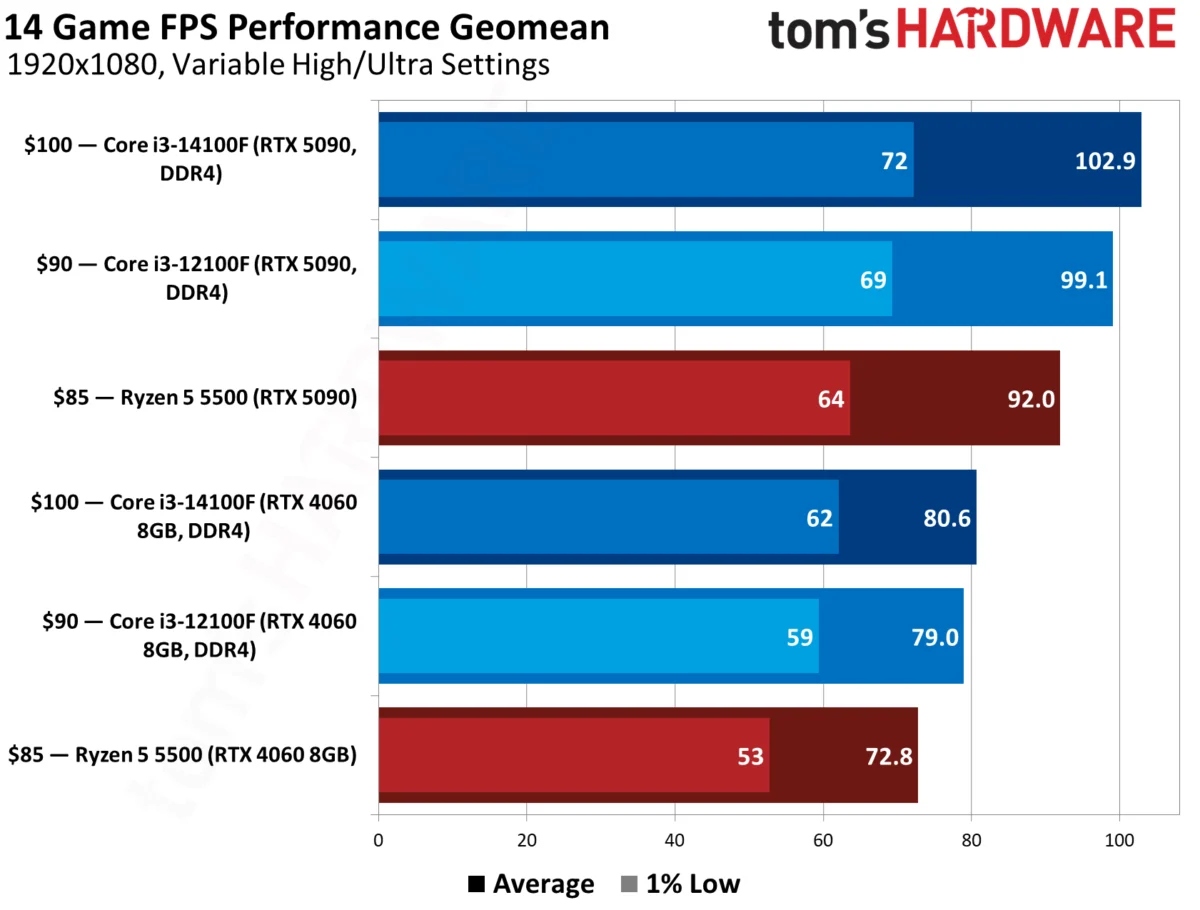
Beyond the price, the hardware itself is under fire. Early leaked benchmarks suggest that while the Steam Machine is capable of high-fidelity gaming, it struggles to maintain consistent performance in the latest titles at 4K resolution compared to custom-built PCs at the same price point. When you remove the "convenience factor" of a pre-built console, the value proposition for a $1,350 machine that arguably underperforms against a $1,200 desktop becomes a difficult sell for the average gamer.
Official Responses and Industry Outlook
Valve has remained relatively tight-lipped regarding the public backlash, issuing only a brief statement accompanying the reservation launch. A spokesperson noted, "Our commitment remains to provide a seamless, high-performance SteamOS experience in the living room. Despite global market challenges, we have maintained the integrity of our hardware specifications to ensure that the Steam Machine remains a future-proof investment."
However, industry analysts are less optimistic. Many suggest that Valve is currently caught in a "middle-ground trap." By pricing the machine as a premium luxury item, they alienate the casual audience who would have preferred a Steam Deck-style affordable entry point. Conversely, the enthusiast market—the very people who would be willing to pay $1,300—is likely to prefer building their own rig, where they can choose higher-quality parts for the same investment.
Implications: A Dead-on-Arrival Invasion?
The "invasion of the living room" has been a long-term goal for Valve, dating back to the failed Steam Machine initiative of 2015. While the Steam Deck was a resounding success because it offered a portable, unique form factor, the living-room console faces a much steeper climb.
The Ecosystem Effect
The implication of these prices is that the Steam Machine will likely remain a niche product for "early adopters" and "Valve loyalists" rather than becoming a household staple. If the user base remains small, developers may be less inclined to optimize their games specifically for the Steam Machine’s hardware profile, potentially creating a feedback loop where the software library feels less tailored than it should.
What’s Next: The Steam Frame VR
All eyes now turn to the end-of-month announcement regarding the Steam Frame, Valve’s upcoming VR headset. The industry is watching closely to see if Valve applies the same pricing strategy. If the Steam Frame is priced similarly to the Steam Machine—well above the price of its competitors—Valve risks creating a hardware ecosystem that is technically impressive but financially inaccessible.
The Competitive Landscape
Furthermore, competitors like Sony and Microsoft are not standing still. With the current market uncertainty, these giants are likely to double down on their own hardware strategies, potentially lowering the entry cost for their ecosystems to capture the demographic that Valve is effectively pricing out.
KitGuru Perspective: Is it Worth the Wait?
The initial benchmarks for the Steam Machine are, frankly, underwhelming. When we evaluate hardware, we look for a "sweet spot"—the intersection of cost, performance, and utility. The Steam Machine misses that mark by a wide margin. In a market saturated with high-performance gaming laptops and modular desktop PCs, Valve’s offering feels like a relic of a different time.
Unless Valve can provide significant software-based incentives—perhaps exclusive titles or a radical overhaul of the Big Picture UI that makes it vastly superior to using a standard PC on a TV—it is difficult to see how this device avoids the fate of its 2015 predecessors. For now, we advise our readers to exercise caution. The reservation list is open, but given the price and the performance data currently available, the Steam Machine may be a luxury item that is best left on the shelf until further testing can prove its worth.
Stay tuned to KitGuru for upcoming coverage on the Steam Frame VR and further deep-dives into the Steam Machine’s performance metrics.

 Nana Muazin
 Lina Hope