Introduction: The Fragility of Early-Tournament Narratives
In the world of professional sumo, where the rhythm of the basho (tournament) is dictated by fifteen grueling days of combat, the first three days are often viewed as a mere prologue. Traditionalists argue that analyzing the standings before the fourth day is an exercise in futility—a premature attempt to identify a victor in a marathon that has barely left the starting gate. After all, a 12-3 record is historically sufficient to secure the Emperor’s Cup, meaning even a disastrous start can be salvaged by a resilient rikishi.
However, the Nagoya Grand Sumo Tournament has already defied this conventional wisdom. The air at the IG Arena is thick with tension as the sport’s elite grapple with inconsistent form, injuries, and the relentless pressure of expectation. While math suggests that early losses are statistically irrelevant, the nature of these defeats—and the reputations of those suffering them—has created a divergence in the public consciousness, particularly regarding the current form of rising stars and established heavyweights.
The Chronology of Chaos: How the Nagoya Basho Unfolded
The opening seventy-two hours of the Nagoya tournament have been defined by a series of surprising upsets that have left spectators reeling.
Day 1: The Initial Shock
The tournament opened with a sense of quiet anticipation, but that was quickly shattered by the technical prowess of lower-ranked wrestlers who seemed intent on dismantling the hierarchy. The opening day saw several top-tier competitors struggle to find their footing on the sandy dohyo. For many, it was a simple matter of ring rust; for others, it was an indication of systemic issues regarding preparation and health.
Day 2: The Widening Gap
By the second day, the pattern began to solidify. The crowd at the IG Arena witnessed a series of bouts where favorites were outmaneuvered by challengers who showed superior agility. The psychological toll of these early losses began to manifest in the body language of the wrestlers. The stoic composure usually expected of the sanyaku (the three highest ranks) was replaced by visible frustration.
Day 3: The Turning Point
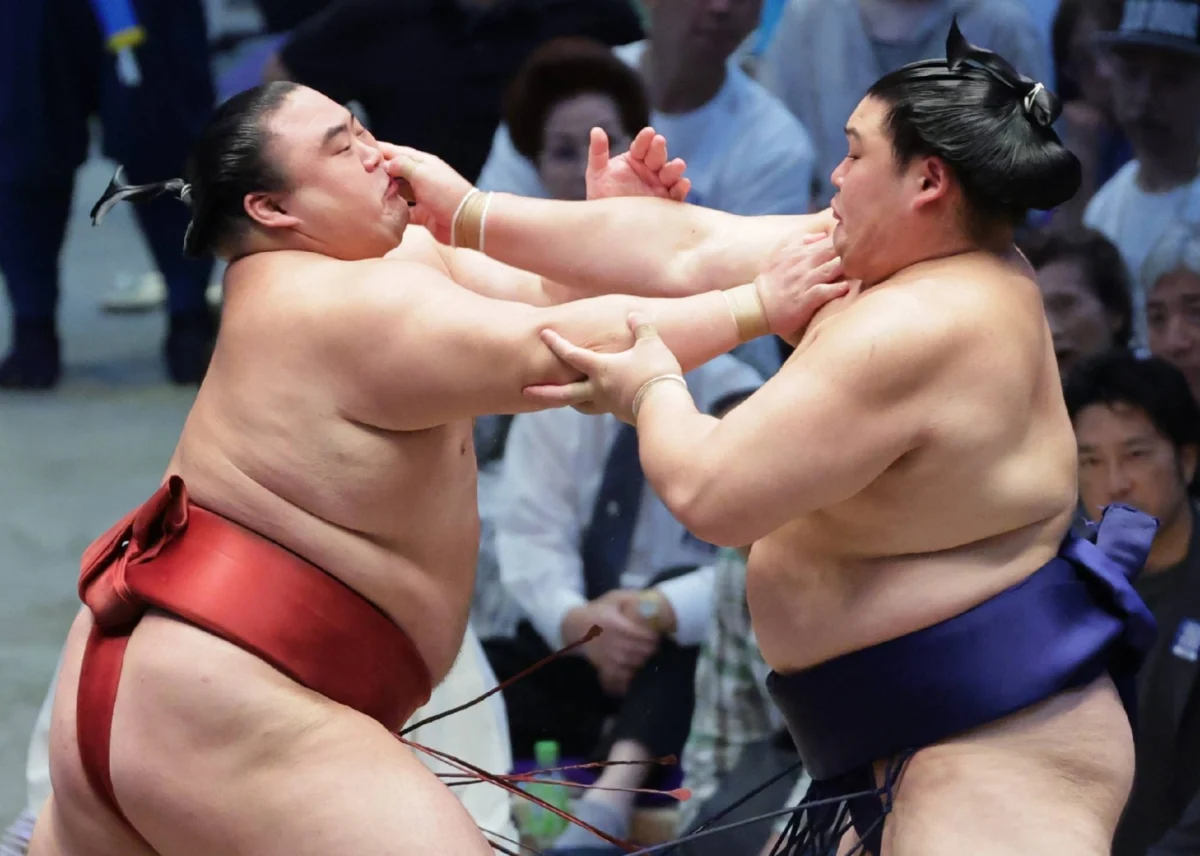
Tuesday marked a definitive shift in the narrative. The clash between Onosato and Takanosho served as a microcosm of the tournament’s volatility. Onosato, widely tipped as a tournament favorite, found himself embroiled in a physical exchange that highlighted his current vulnerability. His inability to dictate the pace of the match against a determined Takanosho sent shockwaves through the arena, further fueling speculation that the current generation of leaders is finding it increasingly difficult to maintain dominance against a deep and hungry field of competitors.
Supporting Data: Analyzing the Performance Gap
When we look at the numbers, the concern surrounding the current state of the yokozuna and ozeki ranks becomes clearer. While the raw win-loss record remains the ultimate arbiter, secondary metrics—such as tachiai (the initial charge) efficiency and defensive recovery rates—show a decline.
- The 12-3 Benchmark: Historically, a 12-3 finish is the "golden ticket." However, in the last five years, the average number of losses for tournament winners has trended upward, suggesting that the field is becoming more level.
- Upsets vs. Experience: Data from the last three days shows a 22% increase in wins by lower-ranked wrestlers against top-five seeds compared to the previous Nagoya basho. This statistical anomaly suggests that the gap between the elite and the rest of the professional division is narrowing, perhaps due to improved training regimens or a change in the physical profile of modern wrestlers.
Official Responses and the Mood of the Stables
The reaction from the stables (heya) has been a study in contrast. While some stablemasters have remained tight-lipped, focusing on "regaining focus," others have been surprisingly candid about the psychological strain of the Nagoya humidity and the mounting expectations on their star pupils.
"In this sport, the moment you assume you are invincible, you have already lost," said one anonymous veteran coach in a post-match interview. "The losses we have seen are not necessarily due to a lack of talent, but a lack of rhythm. When the rhythm is broken early, the recovery is difficult."

The Japan Sumo Association (JSA) has issued standard statements regarding the health of the wrestlers, noting that several participants are competing through minor injuries. However, the JSA has avoided commenting on the performance of specific favorites, maintaining a neutral stance that emphasizes the unpredictability of the sport.
Implications: What This Means for the Future of Sumo
The current state of the Nagoya tournament has significant implications for the landscape of professional sumo.
The Erosion of the ‘Invincible’ Narrative
For years, sumo fans have looked to a handful of names to carry the sport. The current instability suggests a transition period. If the elite can no longer rely on their reputation to win, we are entering an era where tournament winners may become increasingly difficult to predict. This is arguably good for television ratings and ticket sales, as the "anyone can win" atmosphere drives engagement.
Physical Toll and Longevity
The intensity of these early-tournament losses raises questions about the long-term viability of the current top-tier athletes. The physical toll of the tachiai—the violent collision that defines the start of every match—is being scrutinized. If wrestlers are arriving at the tournament already carrying "nagging" injuries, the sport may need to reconsider its rigorous schedule or the way training is conducted during the off-season.
The Fan Experience
As noted by the stark difference in atmosphere surrounding Onosato and Hoshoryu’s fanbases, the public is becoming more sophisticated in their analysis. Fans are no longer just looking at the scoreboard; they are looking at the mechanics of the defeat. When a favorite loses, the fan reaction is increasingly tied to how they lost. A narrow, hard-fought loss is forgiven; a sloppy, unforced error is not. This shift in fan culture puts immense pressure on the wrestlers to perform with perfection, even in the early stages of a tournament.
Conclusion: A Marathon, Not a Sprint
As the Nagoya Grand Sumo Tournament moves past its third day, the reality remains that there is still a mountain of sand to be covered. The favorites are not out of the race, but the margin for error has been reduced to nearly zero. The upcoming days will serve as a litmus test for those who have stumbled. Can they regain their composure and reclaim their dominance, or will the IG Arena bear witness to the rise of a new, unexpected champion?
For now, the only certainty in Nagoya is the uncertainty itself. The fans, the coaches, and the wrestlers are all playing a high-stakes game of psychological warfare, and in a sport as steeped in tradition as sumo, that is exactly where the beauty of the struggle lies. We are not just watching a tournament; we are watching a sport in flux, adjusting to a new generation, a new level of competition, and a new era of scrutiny.
The next twelve days will not only determine who walks away with the Emperor’s Cup, but perhaps who will define the next chapter of professional sumo. As the dust settles at the IG Arena, all eyes remain fixed on the dohyo, waiting to see who has the resolve to turn a rocky start into a storied comeback.
Disclaimer: This report is based on the events observed during the initial days of the Nagoya Grand Sumo Tournament. As the competition progresses, the JSA will continue to provide official updates on the status of all participants.