Nila Kartika Wati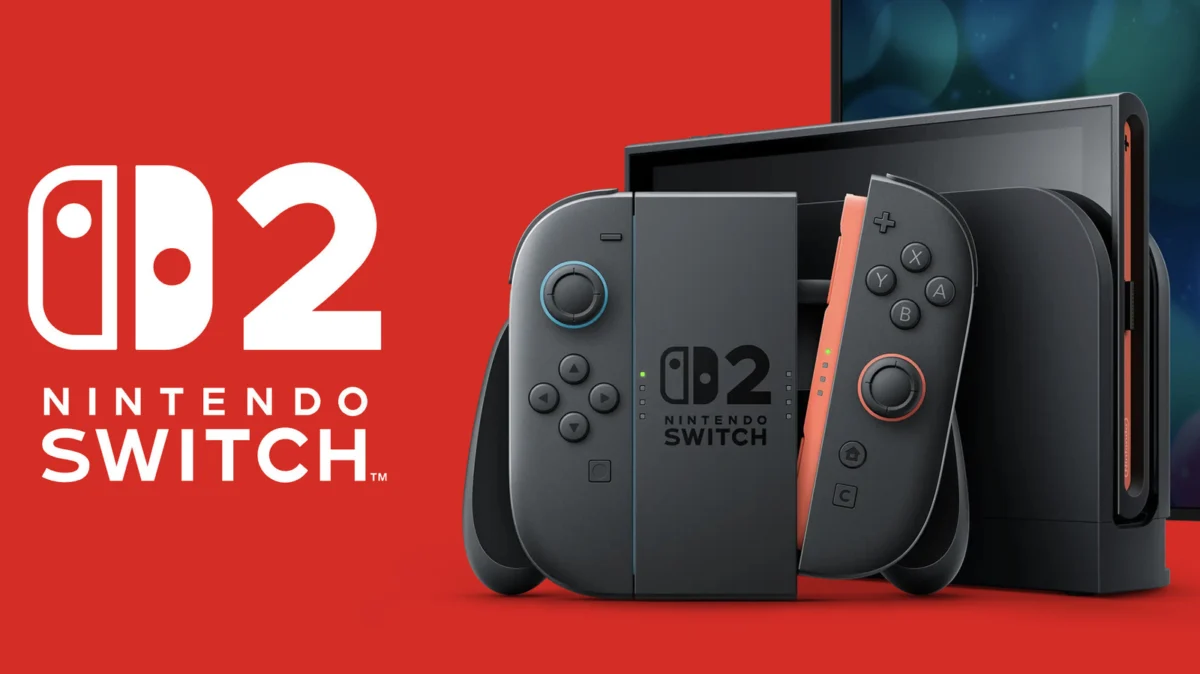
The landscape of consumer electronics is undergoing a seismic shift, driven by legislative mandates rather than just technological innovation. Nintendo, the Japanese gaming titan, has officially confirmed that it is developing a specialized iteration of its successor console, the Switch 2, specifically designed to comply with the European Union’s stringent "Right-to-Repair" battery directives. This development, slated for a 2027 rollout, marks a watershed moment for the gaming industry, forcing a departure from the "sealed-unit" design philosophy that has dominated portable hardware for over a decade.
Main Facts: A Regulatory Mandate
Nintendo’s announcement, published via their official corporate compliance portal, clarifies the company’s intent to align with the European Union’s 2023 battery regulations. These regulations mandate that, by February 18, 2027, portable batteries in "certain appliances" must be easily removable and replaceable by the end-user without requiring specialized tools or professional technical expertise.
The core of this announcement is the identification of a new product line—codenamed or prefixed with "BEE"—which will house the Switch 2 hardware ecosystem. Unlike the global standard models, these EU-compliant units will feature a distinct internal architecture to facilitate battery access. To ensure market clarity and regulatory accountability, these units will bear the "OSM" (On-Site Maintenance) code on their packaging, designating them as distinct SKUs from the rest of the Nintendo global catalog.
Chronology: The Road to Compliance
The journey toward this announcement began years prior, as the European Commission intensified its scrutiny of "planned obsolescence" in consumer technology.
- 2023: The EU officially adopts the new Battery Regulation, setting a hard deadline of February 2027 for manufacturers to ensure that batteries in handheld devices can be removed and replaced by users.
- 2025: Nintendo launches the original Switch 2 to global acclaim, boasting a larger display, expanded base storage, and a significant leap in processing power. At this stage, the design remains consistent with traditional, non-user-serviceable standards.
- May 2026: Amidst rising memory costs and fluctuating market conditions, Nintendo adjusts its European pricing, raising the base cost of the console from €470 to €500.
- Early 2027: As the regulatory deadline approaches, Nintendo formally notifies stakeholders of its compliance strategy, identifying the "BEE" series of hardware as the platform for this transition.
- February 18, 2027: The effective date for the EU mandate, by which point the "OSM" marked, battery-swappable consoles must be available to European consumers.
Supporting Data: Why "BEE" and "OSM" Matter
The transition to a modular battery system is not merely a cosmetic change; it represents a fundamental shift in internal hardware layout. For years, Nintendo’s portable devices—including the Game Boy Advance, the DS, and the original Switch—relied on internal batteries that were either soldered or firmly adhered to the motherboard to save space and reduce weight.
The introduction of the "BEE" prefix for the Switch 2 hardware suggests a complete overhaul of the chassis’s internal assembly. By creating an "OSM" (On-Site Maintenance) version, Nintendo is essentially bifurcating its supply chain. Data from the company’s recent filings indicates that this is a regionalized strategy. There are currently no indications that Nintendo intends to roll out the swappable-battery design to the North American or Japanese markets, where such strict "Right-to-Repair" laws are not yet in force.
Furthermore, the absence of "HAC" (the product code for the original Switch) in the current compliance discourse confirms that Nintendo is officially phasing out the original Switch architecture. The company is betting on the Switch 2 to carry the brand forward, utilizing the 2025 iteration’s increased power and memory efficiency to justify the added complexity of a user-replaceable battery design.
Official Responses and Corporate Strategy
In its official statement, Nintendo emphasized that it is "implementing measures to comply" with the evolving legal framework. A company spokesperson noted, "Our commitment to the European market remains steadfast. By preparing versions of products specifically designed to meet the 2023 EU directives, we ensure that our customers continue to have access to the highest quality gaming experiences while upholding our corporate responsibility toward environmental sustainability."
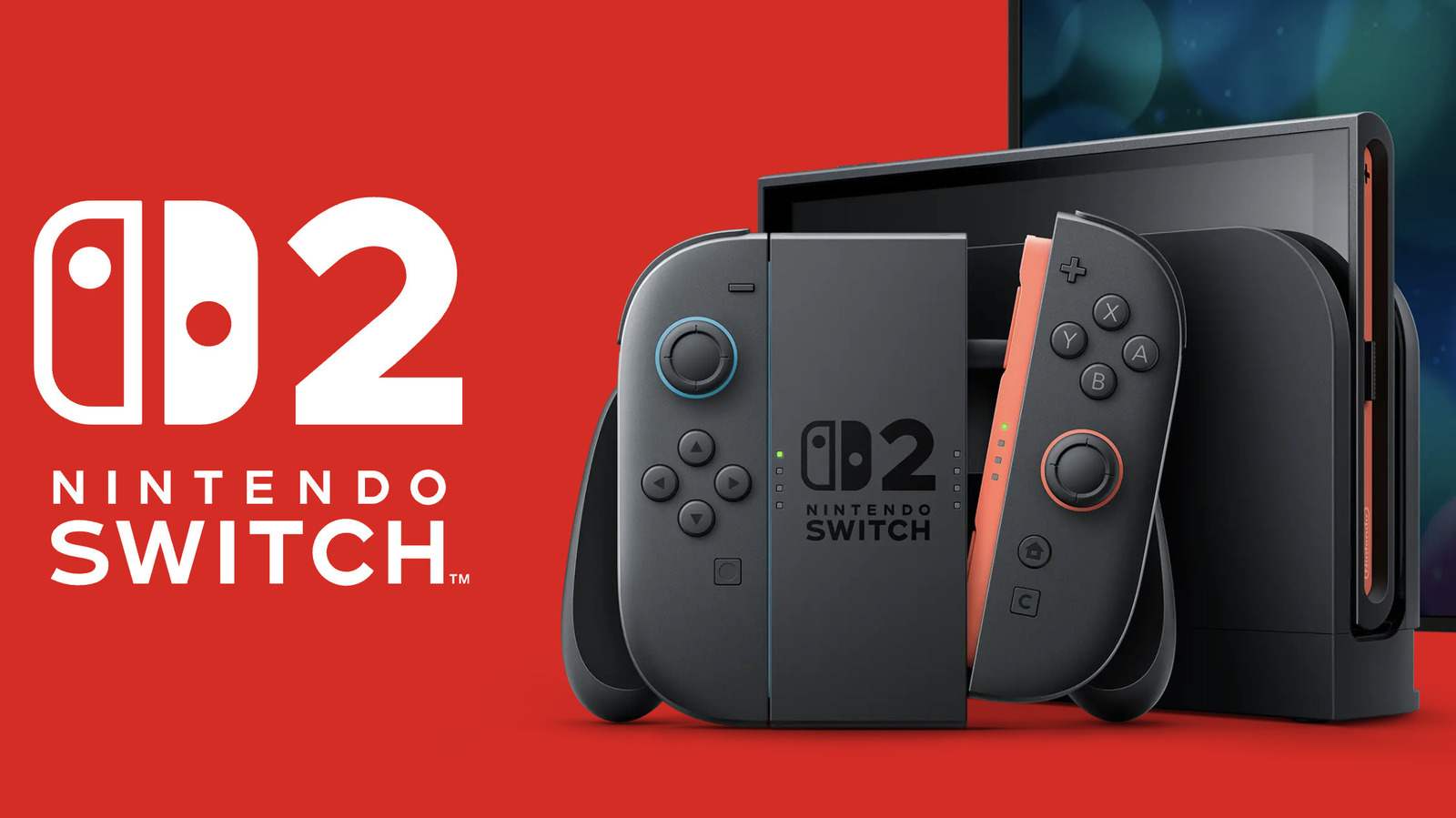
Industry analysts observe that this move is a pragmatic reaction to the cost of non-compliance. Fines for violating EU regulations are significant, often scaling with a company’s global revenue. By segmenting the EU market with "OSM" units, Nintendo avoids the design overhead of making every console in the world user-serviceable, thereby preserving the aesthetic and structural integrity of the device in regions where consumers prioritize slimness and internal component density over ease of repair.
Implications: The Impact on the Gaming Ecosystem
1. Environmental Sustainability vs. Hardware Performance
The most significant implication is the environmental benefit. Lithium-ion batteries are often the first component to degrade in handheld consoles. Previously, a degraded battery necessitated a costly repair service or the purchase of an entirely new console. By allowing users to swap their own batteries, Nintendo is effectively extending the lifecycle of the Switch 2 by years, directly reducing electronic waste.
2. The Cost of Innovation
However, this comes at a potential cost. Engineering a battery to be "easily replaceable" often requires the addition of plastic clips, extra contact points, and a slightly larger cavity, which can decrease the amount of space available for cooling components or additional storage. Given that the Switch 2 already operates at high performance levels, the thermal management of the "OSM" version will be a point of significant interest for hardware enthusiasts.
3. Market Fragmentation
For the secondary market, this creates a unique scenario. "OSM" consoles may become highly sought after by collectors and power users who value longevity, potentially creating a price premium on the European versions of the hardware. Conversely, it creates a challenge for Nintendo’s customer support and warranty teams, who must now manage two different internal designs for the same product name.
4. A Precedent for Other Manufacturers
Nintendo’s compliance sets a precedent for the entire gaming industry. Competitors such as Sony and Microsoft, who produce portable-capable hardware (like the Steam Deck or potential future handhelds), will be watching the "OSM" rollout closely. If Nintendo manages to integrate a user-swappable battery without compromising the device’s performance, the "sealed unit" era of gaming hardware may reach its effective end by 2030.
Looking Ahead: The Future of the "OSM" Line
As we approach the February 2027 deadline, the conversation will likely shift from legal compliance to user experience. Will Nintendo sell official replacement batteries directly to consumers? Will there be an authentication chip that limits the use of third-party batteries?
While Nintendo has remained tight-lipped regarding the specific price point for the "OSM" units, the recent price hike in the EU suggests that the cost of engineering for compliance, combined with the cost of high-performance components, will likely keep the Switch 2 in the premium tier.
For now, European gamers can look forward to a hardware iteration that promises not only the power of the Switch 2 but also the promise of longevity. By prioritizing the repairability of its flagship console, Nintendo is acknowledging that in a world of rapid technological advancement, the ability to maintain one’s own device is becoming just as valuable as the power of the processor within it. The "OSM" Switch 2 is not just a console; it is a blueprint for the future of sustainable gaming.

 Asro
Asro
 Rifan Muazin