

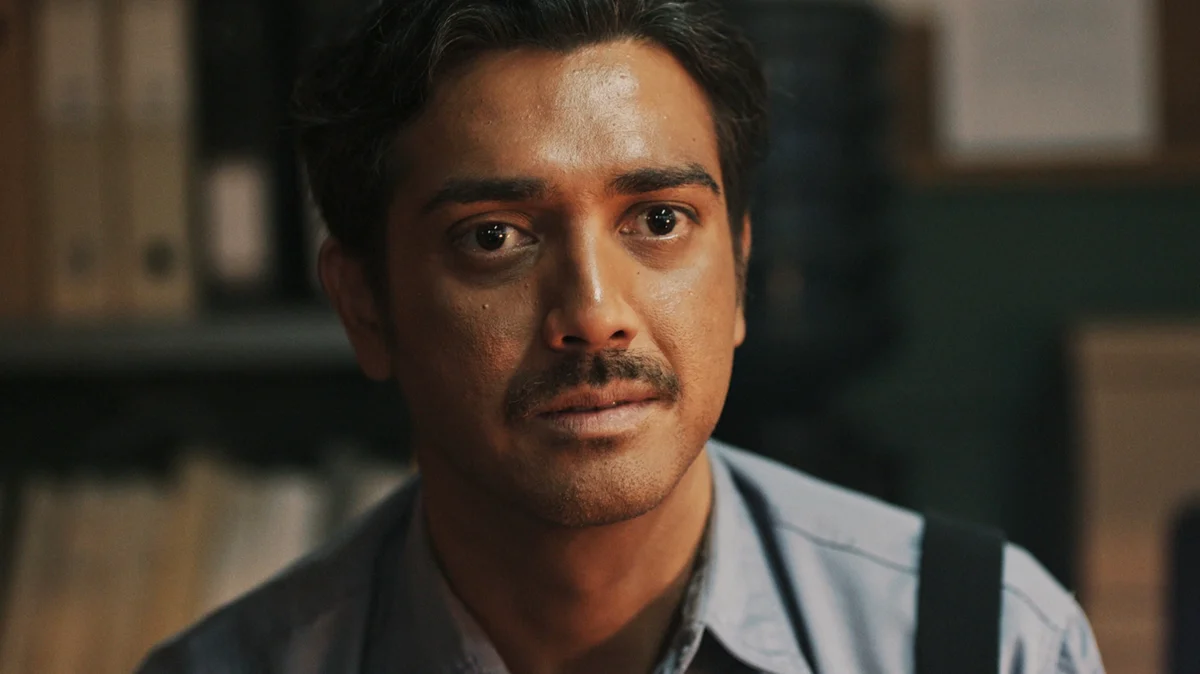
In the vast, algorithm-driven landscape of Netflix, where high-budget blockbusters often overshadow international gems, a singular, spine-tingling project has managed to fly under the radar for many Western audiences. Joko Anwar’s Nightmares and Daydreams is not just a collection of horror shorts; it is a masterclass in atmospheric storytelling, social commentary, and structural ambition. While the series has garnered critical acclaim and a devoted cult following, its status as a "hidden gem" remains a point of contention for genre enthusiasts who believe it ranks among the finest horror-sci-fi hybrids of the decade.
The Architect of Indonesian Terror
To understand the gravity of Nightmares and Daydreams, one must first understand its creator, Joko Anwar. For nearly two decades, Anwar has been the singular force driving the modernization and international expansion of Indonesian genre cinema. From his directorial debut in 2005’s romantic comedy Joni’s Promise to his shift toward dark, visceral storytelling, Anwar has cultivated a signature style that balances traditional folklore with contemporary existential dread.
His reputation was cemented globally by the 2018 sensation Satan’s Slaves, a film that revitalized the classic haunted house trope and was hailed by critics as one of the most terrifying cinematic experiences of the year. He followed this with the 2022 sequel Satan’s Slaves: Communion, a claustrophobic exploration of grief and terror set within a sprawling, dilapidated apartment complex. His work on the superhero epic Gundala (2019) and the 2024 horror standout Grave Torture—which secured a record-breaking 17 nominations at the Indonesian Film Festival—further solidified his status as an auteur who refuses to be pigeonholed. When Anwar turns his gaze to the serialized format, the result is nothing short of a creative reckoning.
A Structural Odyssey: More Than an Anthology
While the marketing for Nightmares and Daydreams often labels it an anthology, this is a slight misnomer that belies the show’s true complexity. Unlike the traditional episodic structure of The Twilight Zone or Black Mirror, where stories exist in vacuum-sealed realities, Anwar’s series is a tapestry. It features seven distinct stories set in Jakarta, each standing on its own as a self-contained narrative, yet all threads are inexorably woven into a single, grand, multi-generational conspiracy.
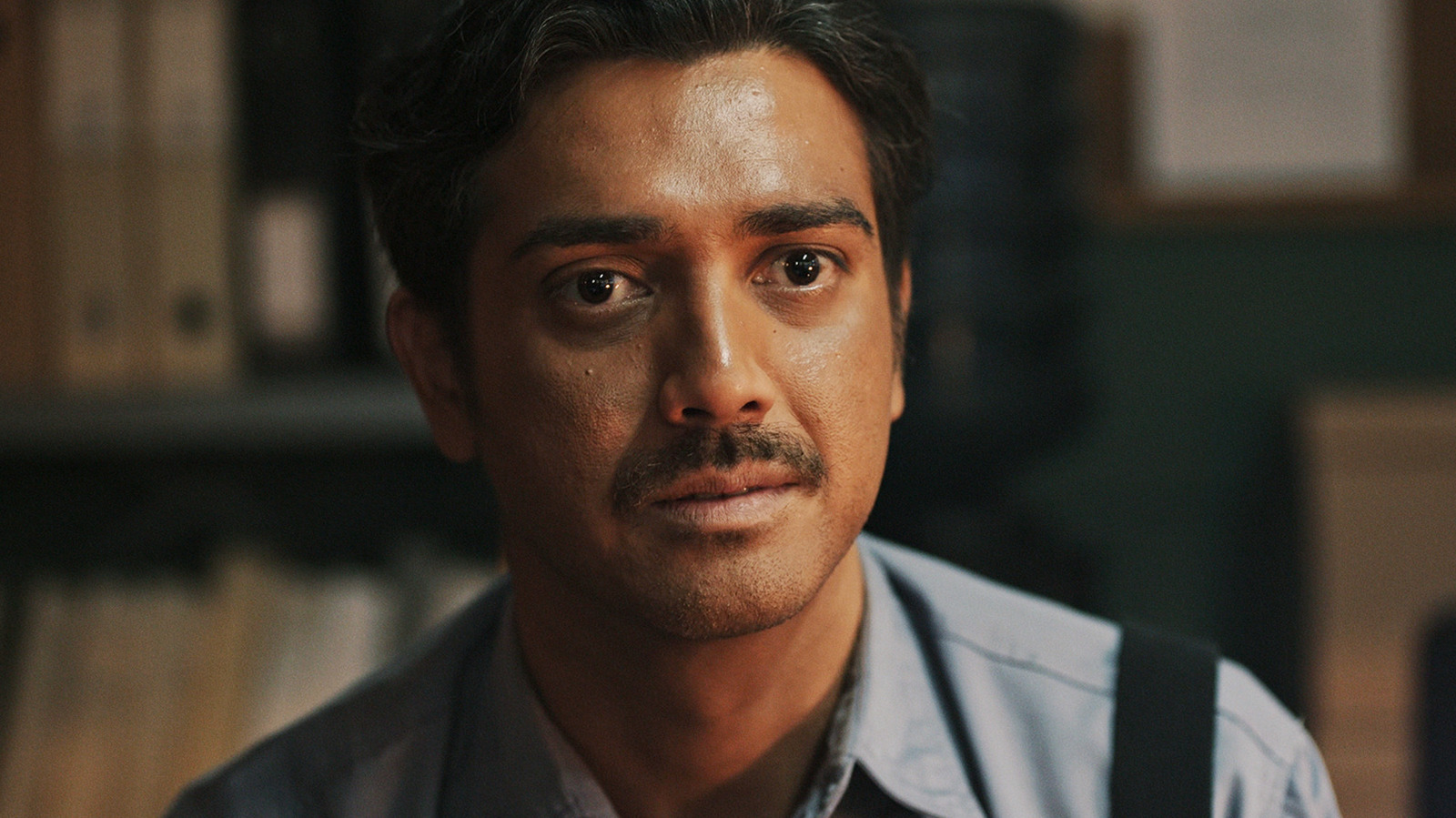
The brilliance of the series lies in its ability to anchor high-concept science fiction in the harsh realities of Indonesian life. As Anwar explained in interviews with Netflix’s Tudum, his primary motivation was a "curiosity and fascination with alien stories," specifically those that feel proximal rather than distant. "I dug deep into the intriguing concept of aliens that might not be far from us," Anwar noted. By infusing these sci-fi elements with the socioeconomic realities of Jakarta—poverty, class stratification, and political corruption—the show achieves a grounded horror that resonates far beyond its supernatural premises.
Chronology and Content: A Journey Through Seven Nightmares
The series is a curated descent into the surreal. Over the course of seven episodes, the audience encounters a dizzying array of protagonists, each grappling with an anomaly that defies logic:
- The Domestic Decay: We begin with a taxi driver, a man struggling to survive, who places his ailing mother into a nursing home, only to discover the institution hides a terrifying, otherworldly secret.
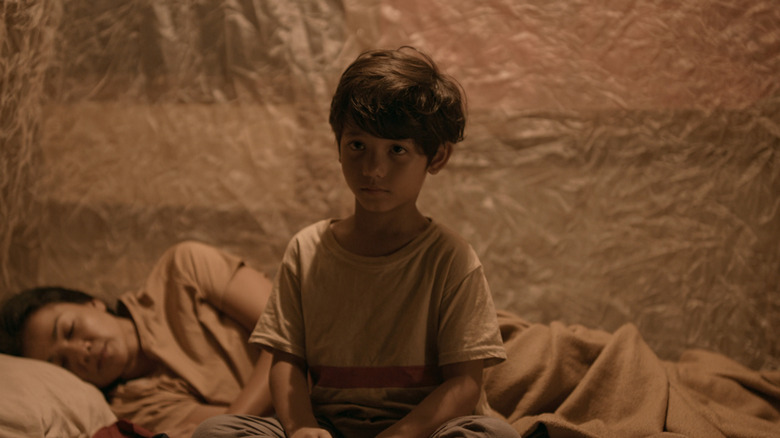
- The Orphan’s Shadow: A poverty-stricken couple adopts a child, hoping for a brighter future, only to find that the boy carries an ancient, non-human burden that threatens to consume their household.
- The Writer’s Mirror: A novelist finds her reality beginning to bleed into the dark, twisted pages of her own manuscript, forcing a collision between fiction and a horrifying truth.
- The Displaced: A community of fishermen, facing imminent eviction and the destruction of their livelihood, discovers that the forces threatening them are not merely governmental, but extraterrestrial.
- The Hypnotist’s Debt: A man masters the art of hypnosis to improve his life, only to find that he has opened a gateway to consequences that he cannot control, leading to a tragic, inevitable reckoning.
- The Appraiser’s Quest: A diamond appraiser, searching for her missing sister, peels back the layers of a high-society conspiracy, leading her into a labyrinth of peril that connects to the wider lore of the series.
- The Convergence: The finale, co-written by Anwar and Rafki Hidayat, acts as the nexus where the seemingly disparate threads of the previous six episodes finally collide, revealing a sweeping narrative that has spanned decades.
The Critical Consensus and Fan Reception
The reception of Nightmares and Daydreams has been characterized by high praise from those who have discovered it. On platforms like Reddit, discussions frequently center on the show’s technical prowess—specifically its cinematography, lighting, and sound design, which rival major Western productions.
"Each episode is better than the one before it," one Redditor noted, highlighting the series’ cumulative power. Critics have echoed this sentiment, with the series currently holding an 88% approval rating on Rotten Tomatoes. Paul Lê of Bloody Disgusting praised the series as a "mighty journey into the headspace of Indonesia’s most innovative filmmaker," while James Marsh of the South China Morning Post emphasized the show’s efficacy in blending "elements of horror and science fiction with more grounded stories about Indonesia’s chequered past and enduring economic disparities."
Implications: The Future of Global Genre Television
The success—and relative obscurity—of Nightmares and Daydreams raises important questions about the "discoverability" of international content on streaming platforms. In a globalized media environment, shows like Squid Game or Money Heist prove that non-English content can dominate the cultural conversation. However, the path to such success is often inconsistent.
Nightmares and Daydreams serves as a case study for the "prestige anthology" model. By ditching the traditional narrator—a trope popularized by Rod Serling—and opting for an interconnected narrative, Anwar has pushed the boundaries of what an anthology can achieve. He has successfully married the episodic gratification of short-form storytelling with the deep-lore investment of a serialized drama.
The implications for the industry are clear: audiences are hungry for stories that challenge the Western-centric perspective. When creators from diverse backgrounds are given the creative freedom to explore their own cultural landscapes through the lens of universal genres like sci-fi and horror, the result is content that feels both fresh and profoundly human.
Final Thoughts: Why You Should Watch
In an era where "content" is often churned out to fill gaps in streaming libraries, Joko Anwar’s Nightmares and Daydreams feels like a piece of art created with intention. It is not designed to be passive background noise. It demands attention, rewards patience, and delivers moments of genuine, skin-crawling dread.
If you have been searching for a series that manages to be as intellectually stimulating as Black Mirror while retaining the visceral, atmospheric intensity of a classic horror film, your search ends here. The stories are haunting, the performances are electric, and the overarching mystery is handled with a level of craft that marks Anwar as a global titan of the genre.
The nightmare is waiting for you on Netflix. It is time to stop sleeping on one of the most ambitious television projects of the last few years. Whether you are a devotee of cosmic horror or a newcomer to Indonesian cinema, the seven tales of Jakarta are waiting to pull you into their dark, brilliant orbit.










