Reynand Wu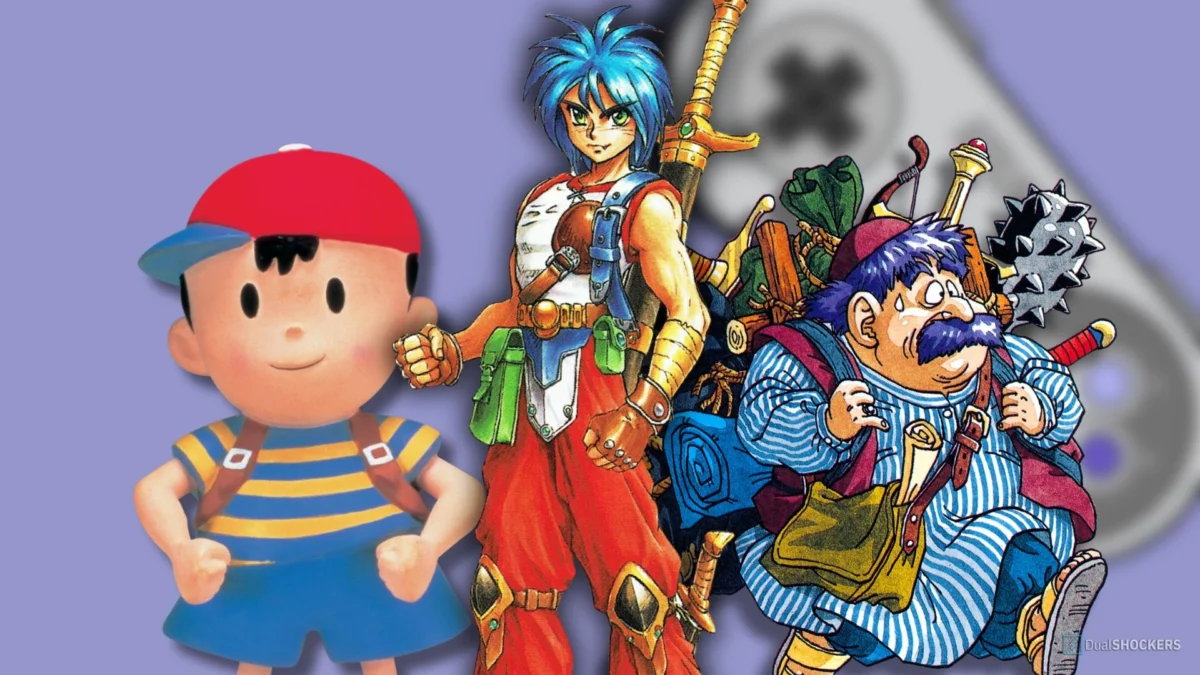
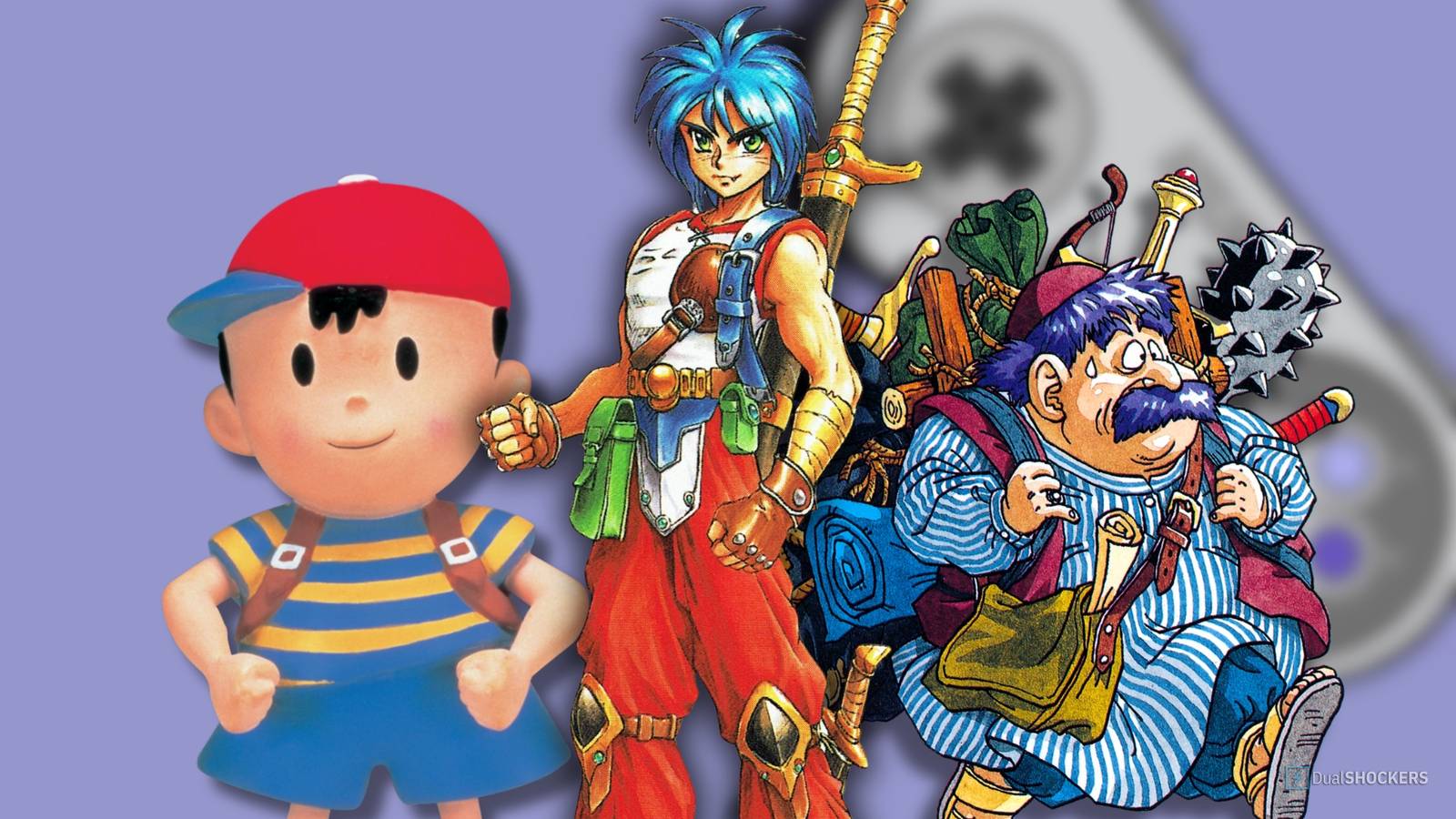
The Super Nintendo Entertainment System (SNES) is often remembered as the golden age of the Japanese Role-Playing Game (JRPG). It was an era defined by lush sprite work, iconic soundtracks, and the birth of franchises that would eventually dominate the global market. However, behind the colorful aesthetic and charming dialogue boxes lay a design philosophy that was frequently, and sometimes cruelly, uncompromising.
During the early 90s, the "difficulty curve" was less of a gentle slope and more of a jagged mountain range. Developers often utilized aggressive enemy level scaling, opaque mechanics, and a reliance on tedious backtracking to stretch out gameplay time. In an age before instant access to online walkthroughs, wikis, and video guides, these titles were not just games—they were endurance tests that demanded absolute mastery of their systems.
The Evolution of Difficulty: A Historical Context
To understand why these games were so punishing, we must look at the industry’s infancy. In the late 80s and early 90s, JRPGs were still carving out their identity. Many developers were adapting the harsh, unforgiving nature of PC-based dungeon crawlers (like Wizardry or Ultima) for console audiences.
The SNES marked a transition period. As internal storage limits increased, developers began adding more complexity—item creation, complex party dynamics, and branching narratives. Often, the technical ambition of these systems outpaced the players’ ability to understand them. Without in-game tutorials or digital guidance, the barrier to entry became a high-voltage fence. Players were forced to rely on trial and error, paper maps, and the word-of-mouth of fellow gamers to reach the final credits.
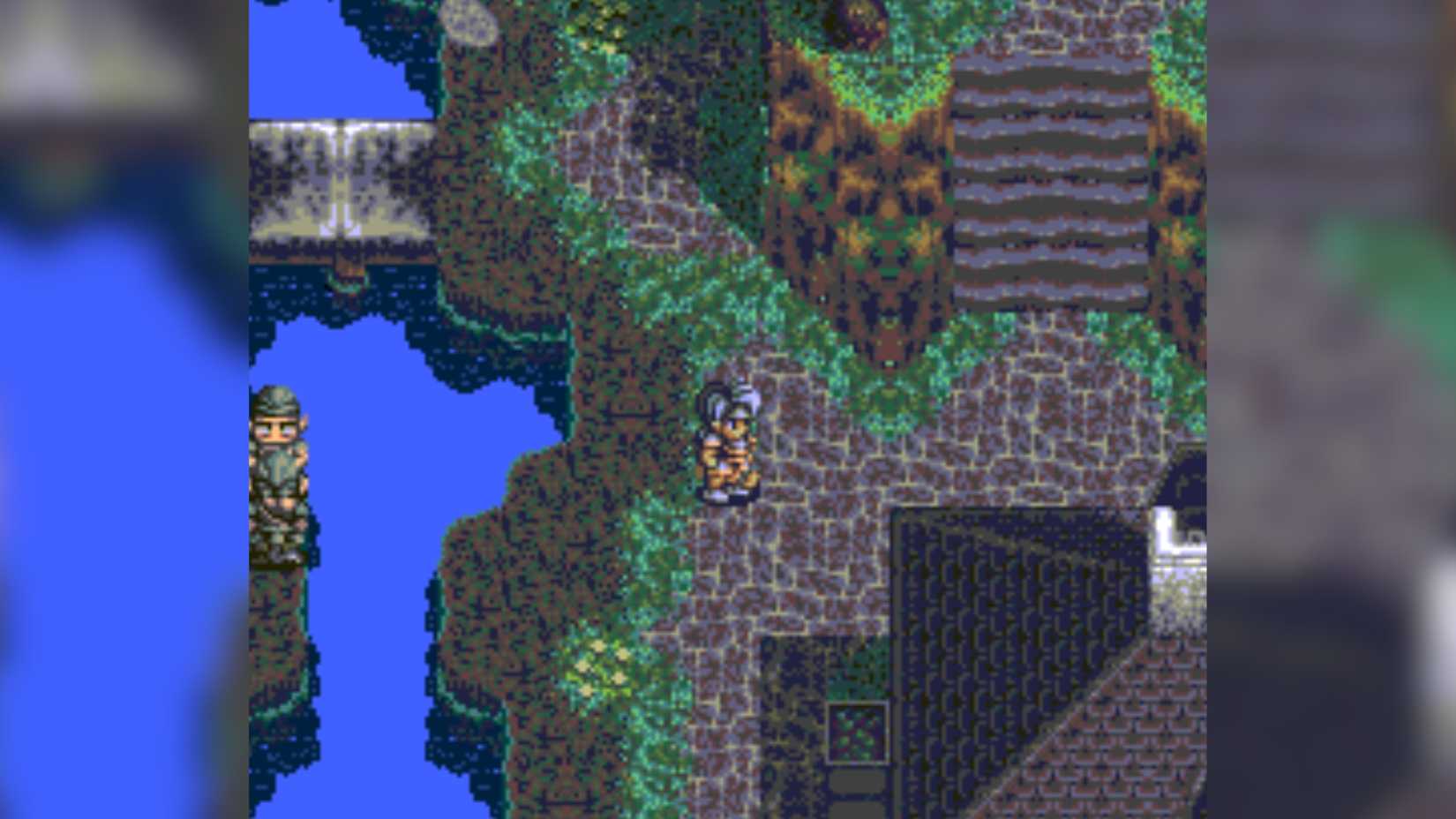
8. Star Ocean: The Art of Mandatory Innovation
While the original Star Ocean remained a Japanese exclusive for years, its influence on the series is undeniable. The SNES title introduced the "Item Creation" system—a revolutionary but incredibly dense mechanic. Unlike many of its peers, Star Ocean did not reward players for mindless combat. Instead, it forced them to engage with deep crafting systems that were often poorly explained.
The game’s combat was famously frantic, locking players into an automated, fast-paced dance where position mattered more than menu selection. The difficulty spike in Star Ocean is infamous; players who treated it like a standard Dragon Quest clone—spamming basic attacks—were swiftly punished. The necessity of balancing a varied party and mastering item synthesis was the only path forward, making it a precursor to the "complexity-first" design of modern action-RPGs.
7. EarthBound: Inventory Management as a Survival Horror
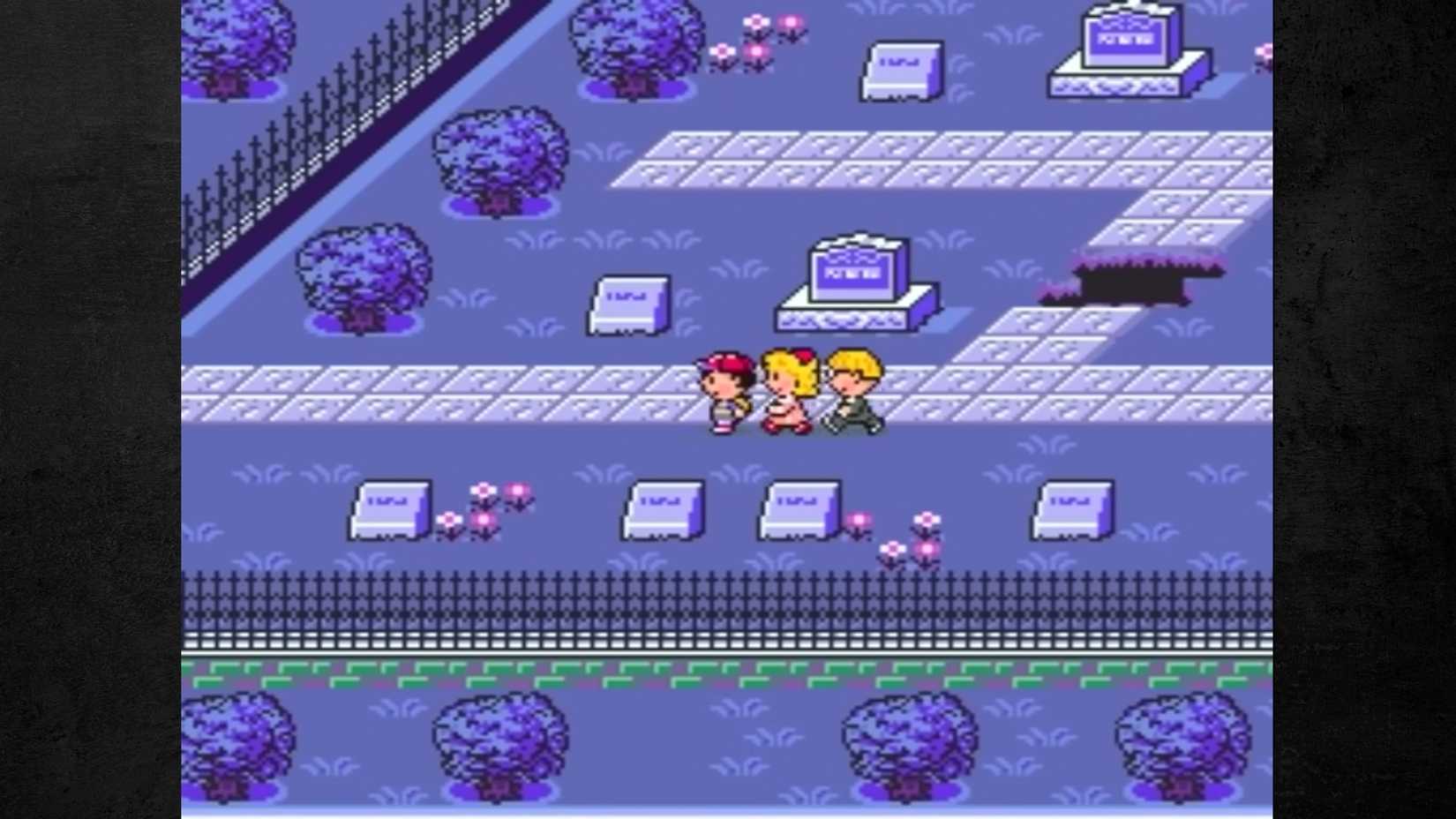
EarthBound (known as Mother 2 in Japan) is celebrated today for its quirky, subversive tone. However, beneath the Americana-inspired humor lies a brutal, unforgiving economy. The game’s limited inventory space is the primary architect of its difficulty.
Players are constantly forced to choose between weapons, armor, and vital healing items. This scarcity means that a single poorly timed encounter in the late-game can result in a devastating "Game Over," forcing the player to trek all the way back from town. The reliance on RNG (Random Number Generation) for enemy spawns further complicates matters; being swarmed by a horde of high-level mobs is a common occurrence that can wipe out a party in seconds. Success in EarthBound requires a level of tactical patience and resource management that belies its cartoonish exterior.
6. Torneko’s Great Adventure: The Birth of the Roguelike
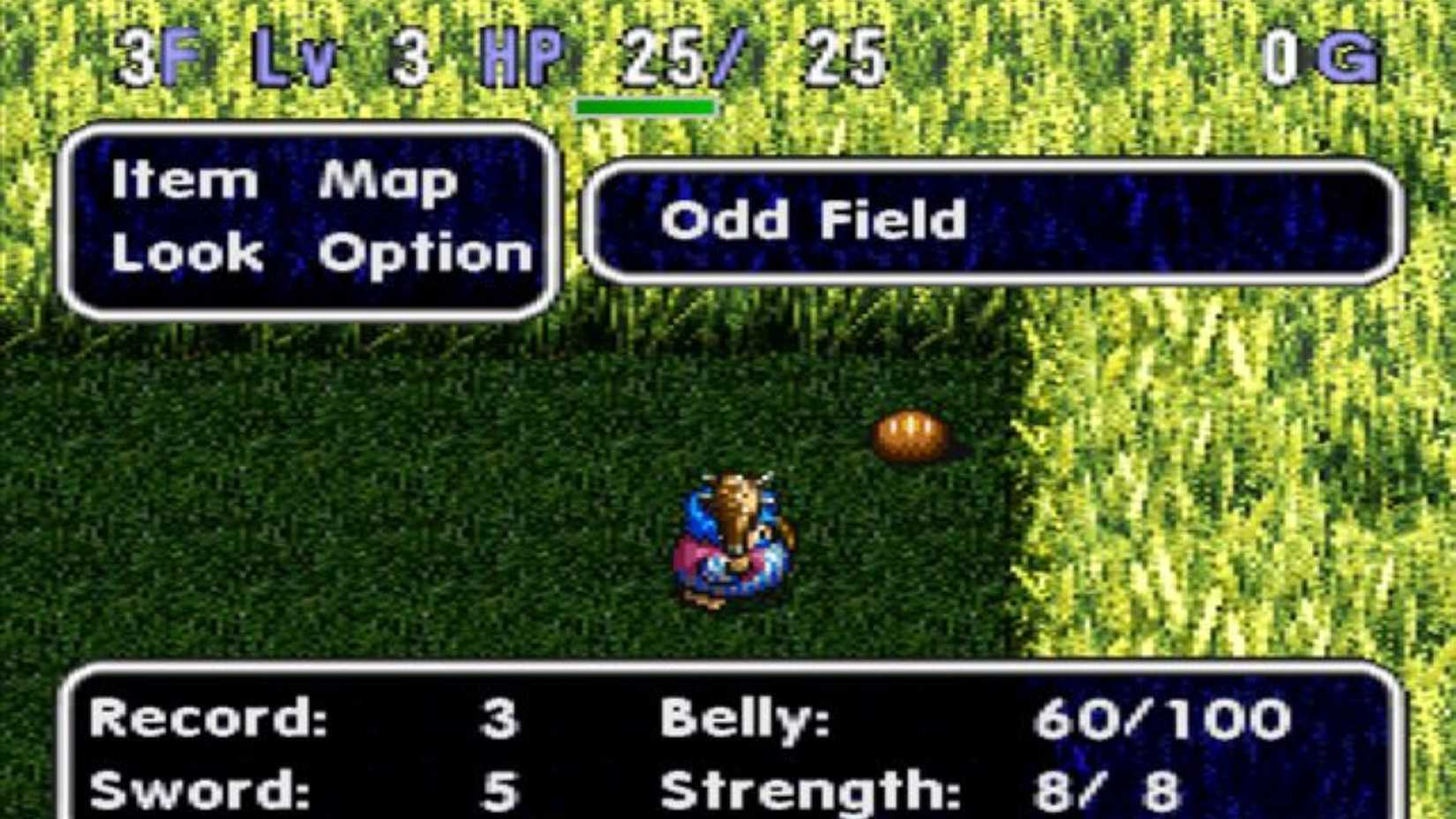
As the first entry in the Mystery Dungeon series, Torneko’s Great Adventure set the blueprint for a genre defined by punishment. It brought the "roguelike" experience to consoles long before the term became mainstream.
The core of the game’s difficulty is its unforgiving loop: death means losing everything. Your levels, your gear, and your progress within the dungeon vanish in an instant. The balance is razor-thin, and even with skill, a bad run of luck can terminate a hours-long delve. Yet, this is also where the game’s brilliance lies. By forcing players to sell loot to upgrade their base and secure a better starting position for the next run, it gamified the process of failure. It is a masterpiece of design that prioritized persistence over brute-force leveling.
5. Shin Megami Tensei: The First-Person Dungeon of Despair
For many, the Shin Megami Tensei name is synonymous with modern, stylish turn-based combat. However, the original SNES entry is a stark, claustrophobic first-person dungeon crawler.
Exploration is a nightmare for the uninitiated. With no in-game mapping system, the game demands that the player either possess an impeccable memory or, quite literally, keep a notebook with graph paper to map out corridors. The difficulty is not just in the combat, but in the navigation. The demons you encounter are ruthless, and the game’s negotiation system requires a deep understanding of alignment and party composition. It is a game that respects the player’s intelligence but shows no mercy for their lack of preparation.
4. Breath of Fire II: The Grinding Wall
The Breath of Fire series is beloved for its world-building and character design, but the second entry is a masterclass in aggressive difficulty. In the original SNES release, the progression was gated behind intense grinding requirements.
Without the quality-of-life adjustments seen in later GBA ports, players often found themselves hitting a wall within the first few hours. Boss fights like those in the colosseum are notoriously brutal, acting as hard checks on the player’s level and equipment. Success requires mastering the "Shaman" system—a hidden mechanic that allows players to fuse characters. Without the knowledge of these hidden systems, the game becomes a punishing slog that forces the player to engage with every single combat encounter just to stand a chance against the next boss.
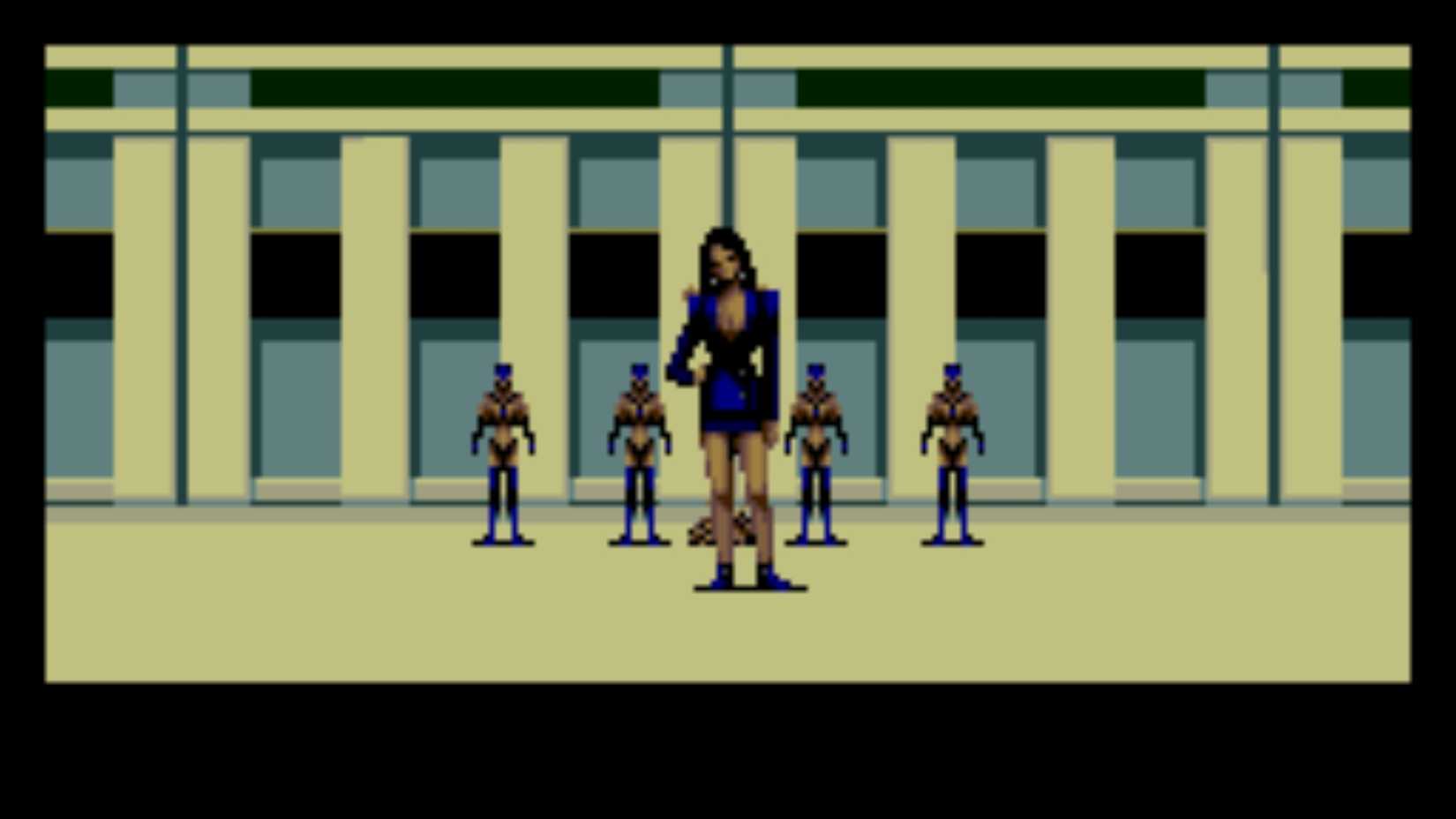
3. Ogre Battle: The March of the Black Queen
Ogre Battle is a fascinating anomaly: a real-time strategy (RTS) JRPG that functions entirely through automated combat. The player is not a warrior on the field, but a commander in the sky, deploying squads and liberating towns.
The difficulty stems from the need for extreme micromanagement. Players must monitor their squad’s alignment, morale, and fatigue, all while balancing the strategic movement of units across a sprawling map. Because the AI handles the actual battles, the player’s success is entirely dependent on their pre-battle planning. Securing the "good" ending requires a level of political and tactical precision that is rarely seen in even modern strategy games. It is a game that demands the player think like a general, not just a hero.
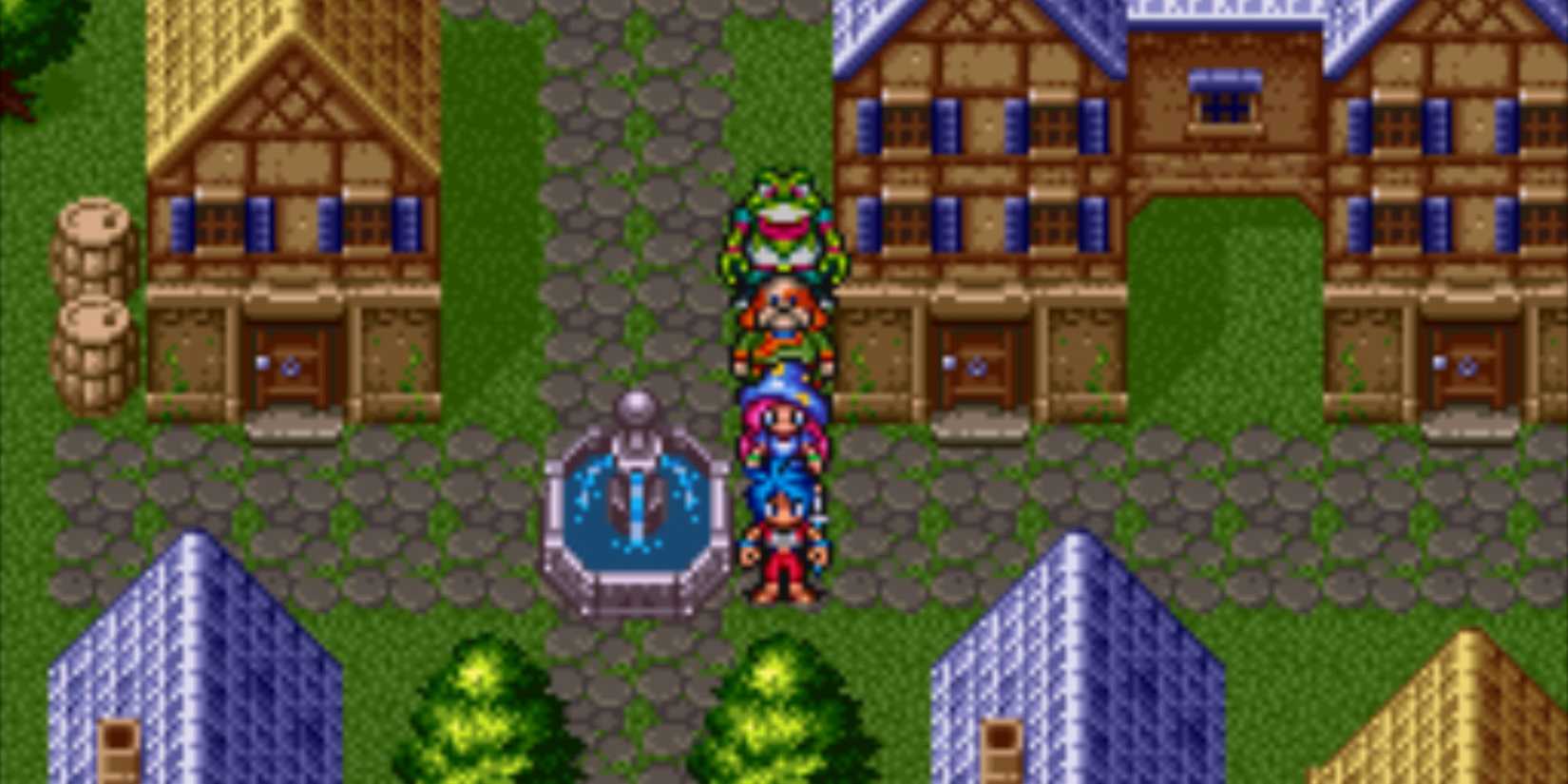
2. Romancing SaGa 2: A Legacy of Failure
Romancing SaGa 2 introduced a generation-skipping mechanic that was decades ahead of its time. When your emperor falls, a new one rises from a different class, inheriting the skills of the predecessor.
This mechanic creates a unique difficulty structure where death is a narrative tool rather than a failure state. However, it is also incredibly unforgiving. Stumbling into a high-level boss while exploring can lead to a party wipe, forcing a change in the royal lineage. Because the game is so non-linear, it is easy to find yourself in a region where the enemies are far beyond your current power level. It is a game that demands the player "fail forward"—adapting to the loss of their characters and finding new ways to conquer the challenges ahead.
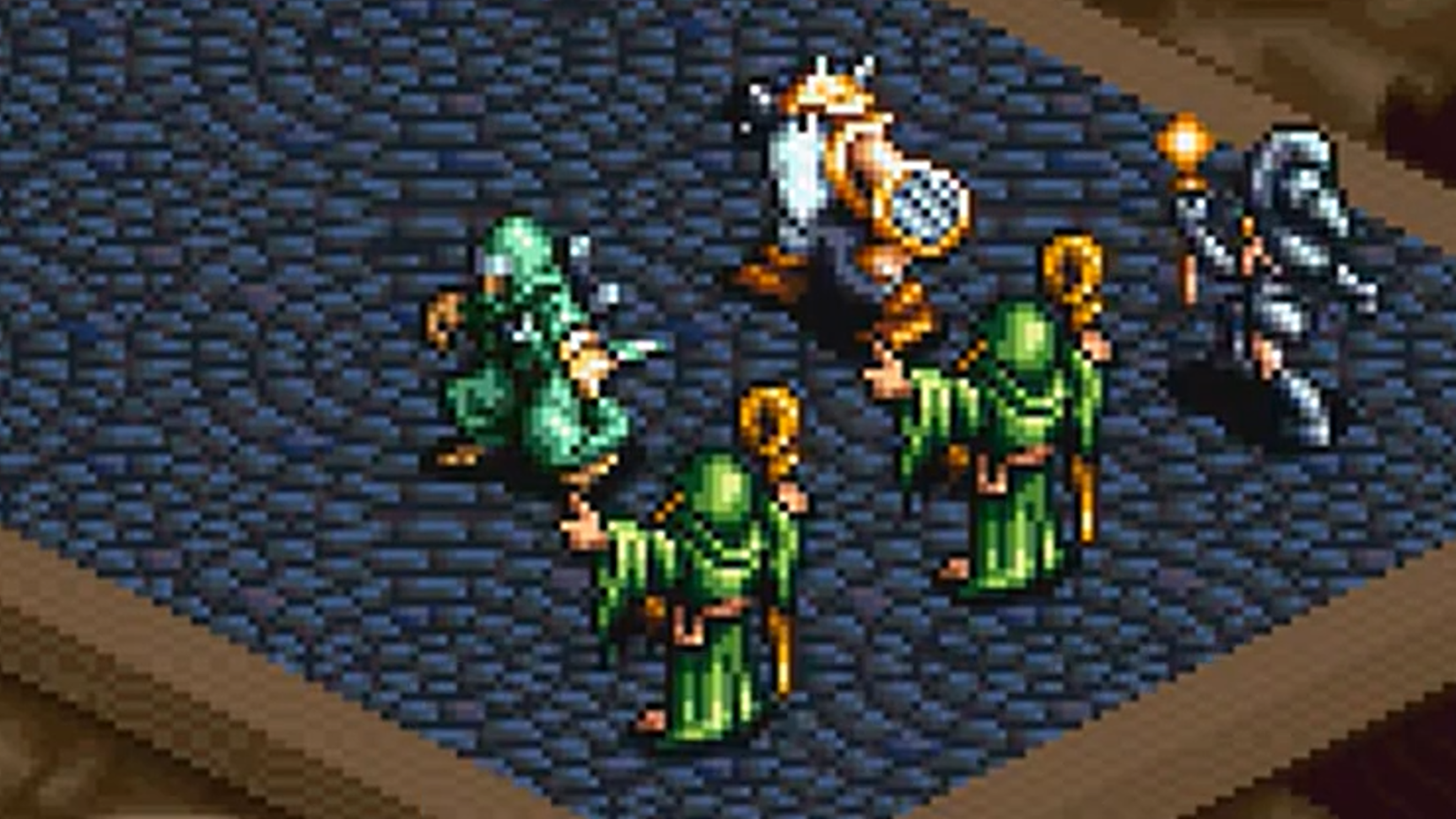
1. The 7th Saga: A Lesson in Localization
Perhaps the most "unfair" game on this list, The 7th Saga serves as a cautionary tale about the perils of localization. The Japanese version was a standard, challenging JRPG. The Western version, however, was rebalanced by the publisher to be significantly harder.
Enemies were given higher stats, and the player’s own growth was severely stifled. Furthermore, the rival bounty hunters—who are supposed to be your peers—scale their levels aggressively based on your own. If you grind too much, they become nearly impossible to defeat. This design paradox turns the game into a constant, uphill struggle. It is a fascinating study of how a few numerical adjustments can transform a perfectly balanced game into one of the most notoriously difficult titles in the entire SNES library.
Implications for Modern Gaming
The legacy of these titles is not merely one of frustration; it is a testament to the era’s design philosophy. These games were built to be "conquered." They were meant to be talked about on playgrounds, mapped out on napkins, and debated over phone calls.
While modern JRPGs have largely moved toward accessibility and player convenience, the "brutal" era of the SNES serves as a reminder of the satisfaction that comes from overcoming insurmountable odds. These titles taught an entire generation of gamers that failure is not the end—it is the beginning of the strategy. As we look back, we can appreciate these games not just as relics of a difficult past, but as the foundational pillars that taught us how to play better, think deeper, and persevere through the most punishing of digital landscapes.


 Laily UPN
 Nila Kartika Wati