Nana Muazin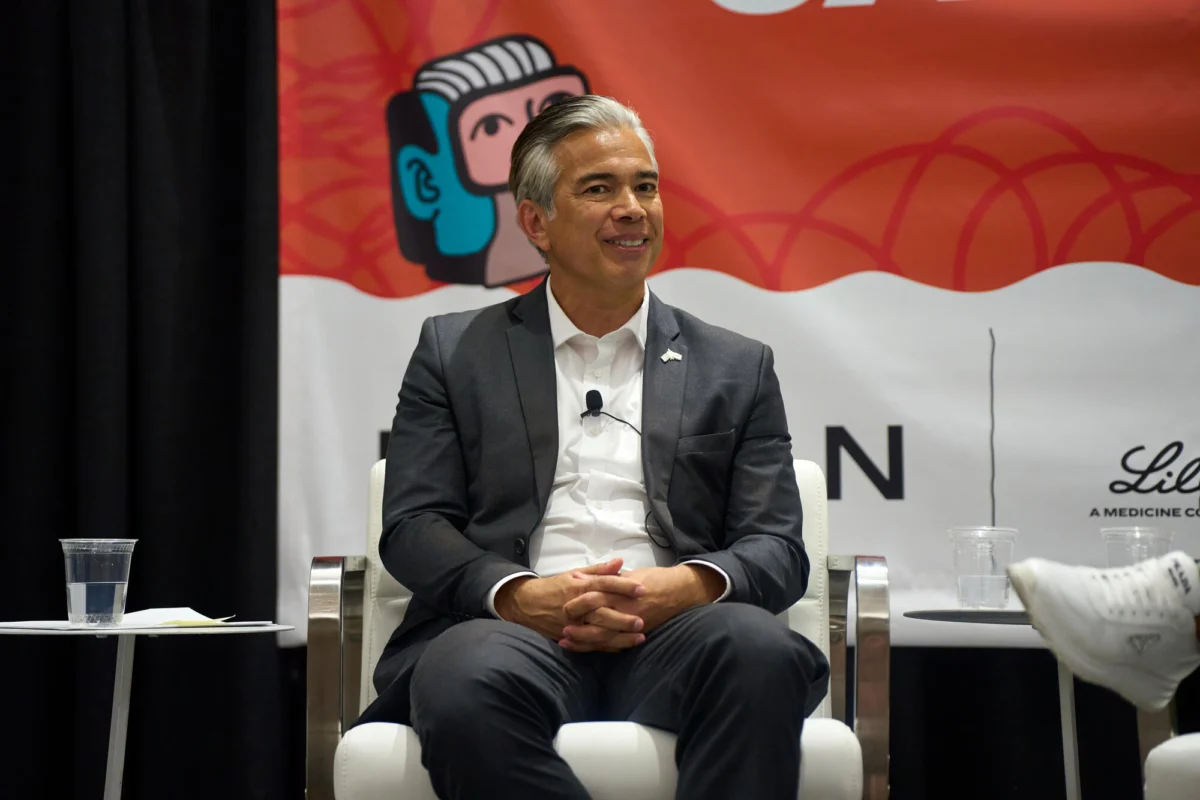
The media landscape is currently holding its breath. What was poised to be the most consequential consolidation in the history of entertainment—the $110 billion mega-merger between Paramount and Warner Bros. Discovery (WBD)—has hit a formidable, state-led roadblock. As Paramount prepared to finalize the transaction as early as next week, a coalition of 12 states, spearheaded by California Attorney General Rob Bonta, has filed an antitrust lawsuit seeking to halt the deal in its entirety.
This legal offensive, coupled with a parallel lawsuit filed by the Writers Guild of America (WGA), has transformed a highly anticipated business milestone into a complex, multi-front judicial battle. The industry is now forced to confront a sobering question: Can this historic merger survive, or will it be dismantled by the very regulatory mechanisms designed to ensure market competition?
The Anatomy of the Challenge: Main Facts
The core of the dispute rests on the Clayton Act, with the plaintiff states arguing that the merger would create a monopolistic entity that stifles competition in three critical sectors: theatrical film distribution, tentpole blockbuster production, and the broader cable channel ecosystem.
While the merger was intended to fortify the companies against the encroachment of technology-led streaming giants like Netflix, the states argue that the concentration of power is too extreme. The lawsuit specifically identifies that a combined Paramount-WBD would control an estimated 34 percent of U.S. cable channels, granting the new entity unprecedented leverage to dictate pricing and terms to cable providers like Charter and Cox—costs that would inevitably be passed down to the consumer.

The WGA’s intervention adds a labor-focused dimension to the conflict. The Guild alleges that the merger will significantly shrink the pool of creative opportunities and depress wages, as the consolidated company would possess outsized power in negotiating with writers, producers, and talent across both film and television divisions.
A Chronology of the Conflict
The road to this week’s legal stand-off was paved with months of speculation.
- Early 2026: Paramount and Warner Bros. Discovery enter serious talks, signaling a desire to scale up to compete with the streaming dominance of Netflix and Amazon.
- Spring 2026: David Ellison, leading the charge for Paramount, publicly commits to maintaining a robust theatrical slate, promising 30 films annually with a 45-day exclusive theatrical window—a move intended to appease exhibitors and regulators.
- July 2026: As the September 30 deadline for the deal’s closure approaches, the regulatory atmosphere darkens.
- Monday, July 2026: A coalition of 12 states, led by California’s Rob Bonta, files an antitrust lawsuit to block the deal, citing unlawful market concentration.
- Tuesday, July 2026: The Writers Guild of America files its own legal challenge, citing threats to labor competition.
- Current Status: The case has been assigned to a U.S. District Judge in Northern California, as the industry waits to see if Paramount will attempt to force a closure or negotiate a divestiture.
Supporting Data and Market Realities
Legal experts suggest the states’ argument regarding cable channels is the most legally sound. By controlling a vast portfolio of top-tier cable assets, the merged entity would have the power to "black out" channels if distributors refuse to pay higher carriage fees.
Conversely, the argument regarding theatrical film production remains more nebulous. The plaintiffs claim that the merger will lead to fewer films and lower quality standards. However, industry analysts, including Ray Seilie of Kinsella Holley Iser Kump Steinsapir (KHIKS), point out that the theatrical market is already fragmented and in flux. "It’s not as straightforward as saying there were a lot of movies before and there are fewer now," Seilie noted. "You have to project the health of the industry five years into the future under both scenarios—with and without the merger—and that is a difficult empirical case to prove."

The states’ decision to omit streaming from their antitrust focus is perhaps the most telling aspect of their strategy. By ignoring the digital-first behemoths, the states may be acknowledging that the current antitrust legal framework—designed for a linear world—struggles to define "market harm" in an era where consumers have access to infinite streaming content.
Official Responses and Strategic Posturing
Paramount has maintained a posture of defiance. In public statements, the company has reiterated its intention to close the deal this quarter, despite the mounting legal costs. Bankers involved in the transaction likely anticipated a degree of regulatory friction, suggesting that the current legal battle may have been priced into the deal’s feasibility models.
David Ellison’s camp has been aggressive in defending the merger’s benefits, specifically highlighting the commitment to 30 theatrical releases per year. While California Attorney General Rob Bonta dismissed these promises as "unenforceable and not credible," the inclusion of these pledges in the public discourse suggests they may eventually form the basis of a court-mandated "consent decree."
Furthermore, rumors circulating regarding a potential relocation of Paramount’s headquarters—perhaps to Texas or New Jersey—have added a layer of political theater to the situation. However, most legal analysts view these threats as mere posturing. "Until we see concrete moves to shift the state of incorporation, I would view that as posturing," Seilie added. "This is where the talent is; this is where the deals get done."

The Path to Settlement: Implications for the Future
The most likely resolution, according to legal observers, is not a total block of the merger, but a negotiated settlement involving significant divestitures.
1. Potential Divestitures
A key point of contention is CNN. While there has been intense speculation that Paramount might be forced to sell the news network to clear the merger, Bonta has publicly denied that a simple sale of CNN would satisfy the legal requirements of the lawsuit. Other potential candidates for divestiture include smaller linear cable channels that contribute to the market-share percentage the states are targeting.
2. The "Consent Decree" Model
A settlement via a consent decree could be the "golden path" for the merger. Under this scenario, the court would allow the deal to proceed, provided that the new entity enters into legally binding agreements—such as guarantees on theatrical output, fixed windows for cinema releases, and limitations on cable carriage fee increases. This would provide the states with a "win" in terms of consumer protection while allowing the industry to achieve the consolidation it believes is necessary for long-term survival.
3. The Political Perception Gap
Finally, the lawsuit cannot be divorced from the broader political climate. With the case assigned to a Biden-appointed judge and the involvement of exclusively Democratic attorneys general, the optics of the case will be scrutinized by those who believe the lawsuit is politically motivated. The influence of external figures, including former President Donald Trump’s outspoken opposition to the deal, adds a volatile layer to the litigation.

"The question is, what kind of deal are the Ellisons willing to make just to short-circuit this litigation?" Seilie mused. "They have the option of calling the states’ bluff. Even if they lose in the lower court, they have a Supreme Court that might be willing to take a fresh look at antitrust liability in the modern era."
Conclusion
As the September 30 deadline looms, the clock is ticking for both Paramount and the state regulators. If the deal fails, it will send a message that the era of "mega-mergers" in Hollywood has reached its regulatory limit. If it succeeds through a consent decree, it will set a new precedent for how legacy media companies can scale in a digital world without sacrificing the health of the theatrical and cable ecosystems.
The coming weeks will not only define the future of Paramount and Warner Bros. Discovery, but they will also clarify the power of state-level antitrust enforcement in an industry that is rapidly evolving beyond the reach of traditional regulation. For now, the "Top Gun" of media mergers is flying through heavy turbulence, with the ground looming fast and the landing gear still stuck.


 Siti Muinah
 Nana Wu