

By [Your Name/Journalistic Desk]
The landscape of interactive entertainment is on the cusp of its most significant paradigm shift since the transition from cartridges to optical discs. For decades, the “console war” has been defined by the static home box—a tethered machine anchored to the living room television. However, recent disclosures from Sony Interactive Entertainment during a pivotal investor Q&A session suggest that the era of the stationary console may be nearing its twilight. As Sony begins to lay the architectural and philosophical groundwork for the PlayStation 6, the company is signaling a decisive pivot toward a "portable-first" ecosystem, fundamentally redefining what it means to own a PlayStation.
The Core Revelation: Breaking the Living Room Shackles
For the better part of thirty years, Sony’s strategy has been consistent: create high-performance hardware, subsidize its initial cost, and recoup losses through software licensing and ecosystem lock-in. However, during a recent briefing, Sony executives articulated a vision that breaks from this tradition.
The company explicitly stated its intent to move “beyond the living room,” emphasizing a desire for a “seamless experience that can be enjoyed naturally” anywhere. This isn’t merely a software ambition; it is a hardware mandate. The immense, sustained success of the Nintendo Switch—and, more recently, the emergence of the PC handheld market spearheaded by the Steam Deck—has forced Sony to reconsider the necessity of the console as a fixed point in the home. Sony’s future roadmap points toward a hybrid ecosystem where the PS6 serves as a high-end anchor, while portable, dedicated hardware bridges the gap between nomadic play and high-fidelity home gaming.
Chronology of a Transformation: From Portal to Future Hardware
To understand where Sony is going, we must look at the recent steps they have taken to test the market:
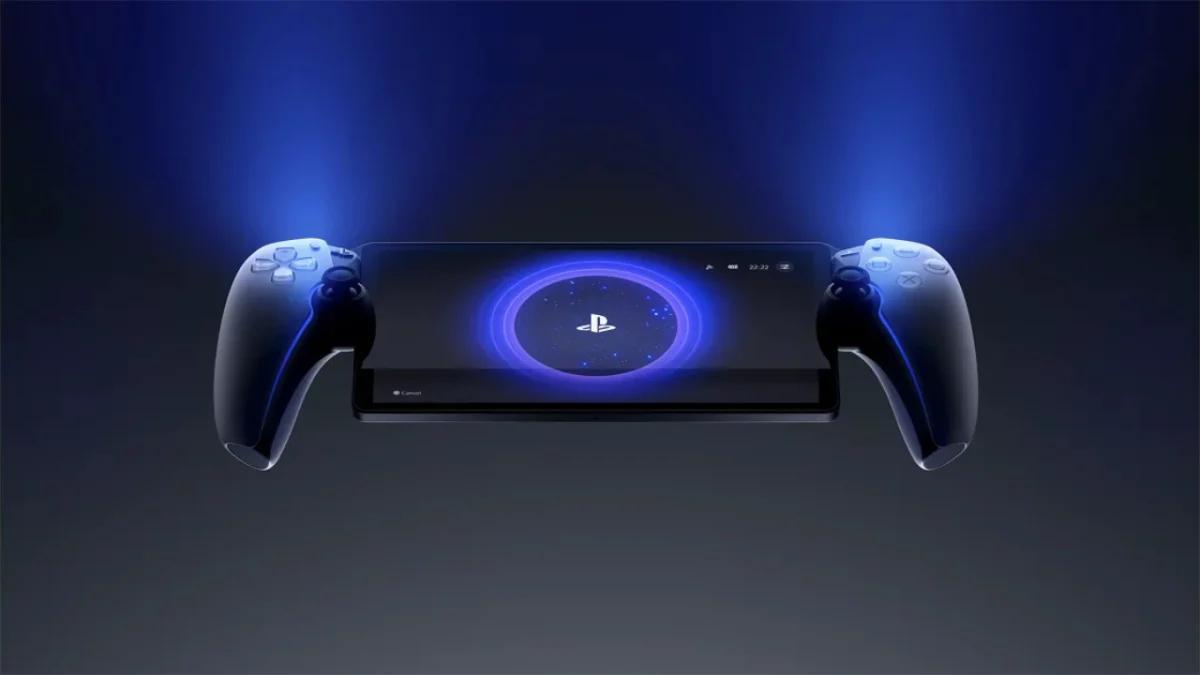
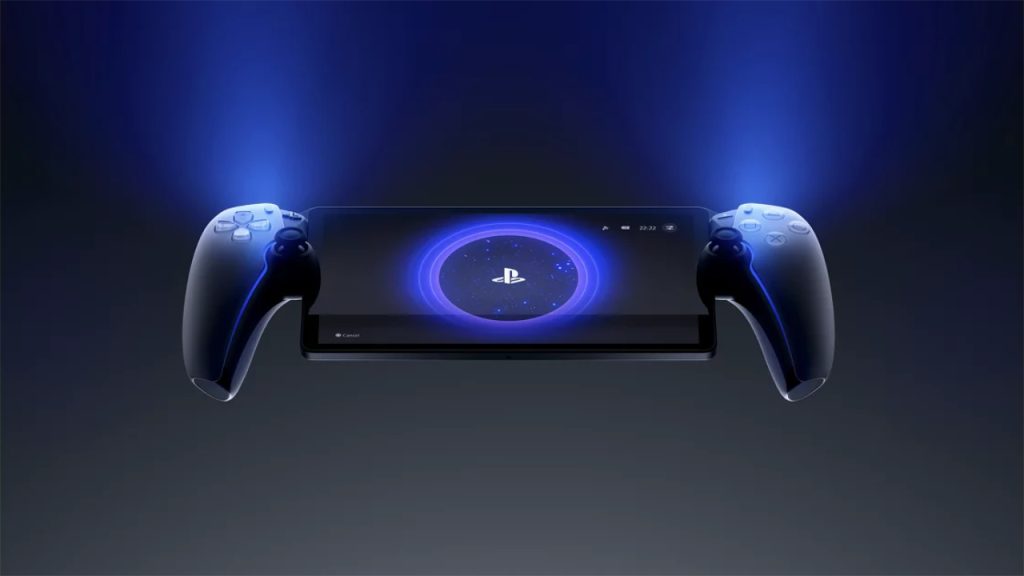
- 2023: The PlayStation Portal Launch. Initially dismissed by many as a niche accessory, the PlayStation Portal—a dedicated remote-play device—provided Sony with invaluable telemetry data. It proved that a significant portion of their install base was actively seeking ways to untether themselves from the primary television.
- 2024: Market Saturation and Cost Analysis. As component costs for silicon and high-speed memory continue to climb, Sony’s internal projections highlighted the diminishing returns of the “console at a loss” model. The shift in user spending habits—driven by the prevalence of free-to-play titles—meant that the old financial model of the PlayStation 4 and early PlayStation 5 eras was becoming unsustainable.
- 2025-2026: The Strategic Pivot. Sony’s internal messaging shifted toward “ecosystem accessibility.” Recognizing that a $600-$700 console is becoming a luxury item, the company began designing a tiered hardware structure for the PS6 generation, separating the “premium native experience” from “accessible cloud-integrated experiences.”
Supporting Data: The Economics of the Next Generation
The decision to move away from the traditional business model is rooted in cold, hard economics. Modern AAA development costs have ballooned, and the hardware required to maintain a competitive edge is becoming increasingly expensive to manufacture.
The Death of the Loss-Leader Strategy
Historically, Sony sold consoles at a loss, betting that software attach rates would cover the deficit. However, with the rise of “Games as a Service” (GaaS) and the dominance of free-to-play titles like Fortnite and Roblox, the average revenue per user (ARPU) has shifted. If a player spends hundreds of hours in a free-to-play game but buys few retail titles, Sony cannot recoup the hardware subsidy. Consequently, the PS6 is expected to be a premium-priced machine—potentially exceeding the $1,000 threshold for the base model—to ensure the hardware is profitable at the point of sale.
The Role of Cloud-Streaming Efficiency
To mitigate the risk of pricing out a massive segment of their audience, Sony is betting on cloud-streaming hardware. These devices require minimal memory, simplified cooling systems, and less processing power, making them drastically cheaper to manufacture. By offering a tiered ecosystem—a flagship native PS6 for enthusiasts and a low-cost, cloud-focused “Portal-style” device for the masses—Sony aims to maintain a massive user base without the financial burden of subsidizing every household’s hardware.
Official Responses and Strategic Limitations
Sony has been notably selective about where it intends to compete. While competitors like Microsoft have pursued a “Play Anywhere” strategy—placing their services on Windows PCs, mobile phones, and third-party smart TVs—Sony has taken a diametrically opposed approach.
In the recent Q&A, Sony reaffirmed its commitment to a “closed garden.” Unlike Xbox, which seeks to be a software provider across all hardware, Sony intends to maintain strict control over the user experience. The company stated it has no immediate plans to expand its cloud gaming efforts to smartphones or third-party PCs. Instead, they prefer to sell dedicated, first-party devices. This ensures that when a player enters the PlayStation ecosystem, the latency, interface, and quality control are entirely governed by Sony, preserving the “PlayStation feel” regardless of the device size.
Implications for the Consumer: The End of Physical Media?
One of the most contentious aspects of this transition is the apparent move toward an all-digital future. While Sony confirmed that backwards compatibility—a highly requested feature—will be a cornerstone of the PS6, the definition of “compatibility” is changing.
The Digital-Only Horizon
As Sony leans into a portable-first, cloud-integrated architecture, physical discs are becoming a logistical hindrance. There has been no indication that Sony plans to offer disc-to-digital conversion programs for legacy libraries, a move that contrasts with Microsoft’s more consumer-friendly approach to digital migration. For the consumer, this implies a potential “lock-in” effect: once you buy into the digital ecosystem, you are tied to it indefinitely.
Accessibility vs. Premium Quality
The implications are twofold:
- For the Enthusiast: You will likely gain a console of unprecedented power, but you will pay a premium for it, and you may find yourself increasingly reliant on digital-only licenses.
- For the Casual Player: The barrier to entry will lower, as cloud-streaming devices will be significantly more affordable than traditional consoles. However, the quality of this experience will be entirely dependent on the user’s local internet infrastructure, potentially creating a digital divide between players with high-speed fiber and those in rural or underserved areas.
Looking Ahead: The Future of PlayStation
The transition toward a portable-centric PlayStation is a calculated gamble. Sony is betting that the brand loyalty of their users is strong enough to survive a pivot toward higher hardware costs and a more restricted, digital-only ecosystem.
By diversifying their hardware offering, Sony is attempting to solve two problems at once: the unsustainable cost of high-end manufacturing and the shrinking relevance of the static living room console. Whether the audience will embrace a $1,000 native console or a cloud-only, tethered-to-the-internet portable device remains the great unknown of the coming generation.
As we look toward the inevitable unveiling of the PS6, it is clear that the “PlayStation” of tomorrow will look very little like the one that defined the previous three decades. It will be smaller, more connected, and perhaps, more expensive—but it will also be more pervasive, aiming to follow the player out of the living room and into the world at large.
The question remains: will the players follow? If the history of the industry is any indication, the allure of the PlayStation brand is a powerful motivator. Yet, as Sony prepares for this structural metamorphosis, they must balance their desire for control and profitability with the need to keep the gaming community, which has sustained them for generations, from being left behind by the rising cost of innovation.











