Main Facts: A Series of Audacious Kitchen Raids
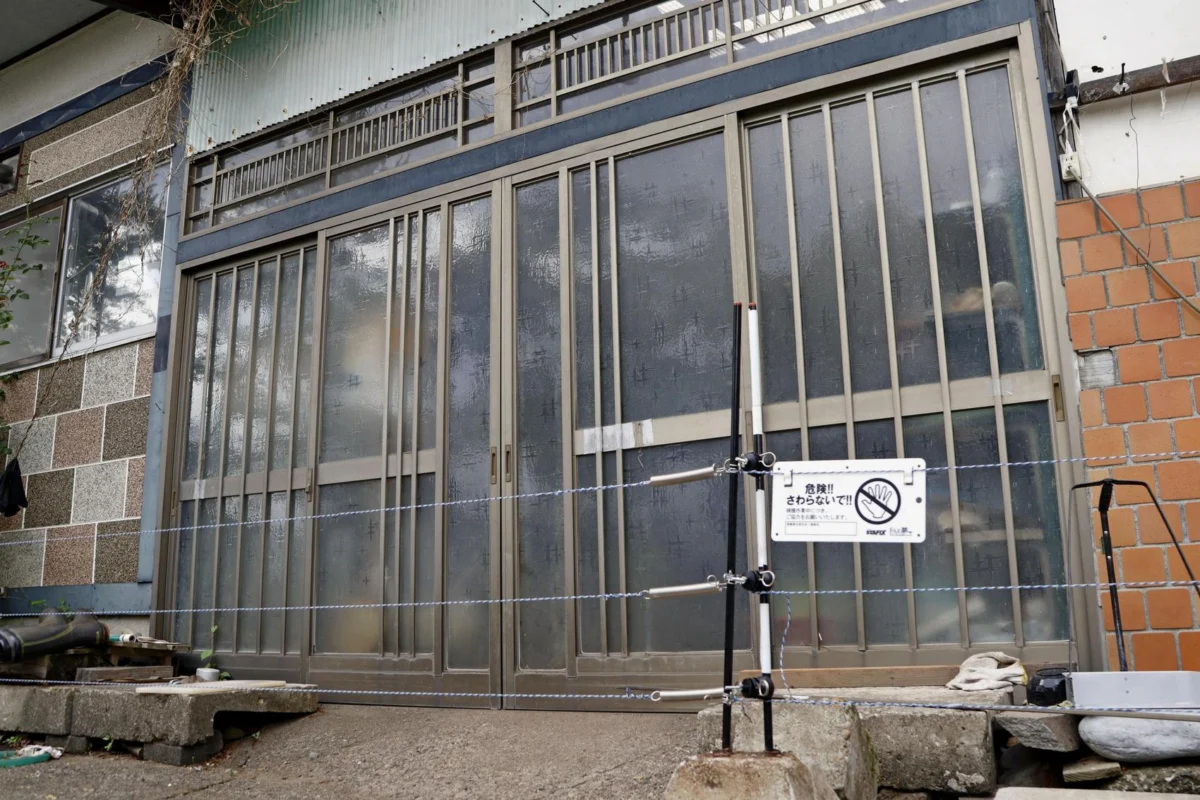
In a startling development that highlights the intensifying conflict between Japan’s wildlife and its aging human population, a series of bear incursions has sent waves of anxiety through the rural communities of northeastern Japan. Most recently, an 87-year-old resident in Shizukuishi, Iwate Prefecture, faced a terrifying late-night encounter when he discovered a bear ransacking his kitchen. The animal, having successfully navigated the residence, managed to pry open the refrigerator, scattering groceries across the floor before retreating back into the darkness.
This incident is not an isolated curiosity but part of a growing trend of "urbanized" wildlife behavior. Local authorities have confirmed that the bear entered and exited the property via a rear entrance, leaving behind a scene of culinary destruction. While the resident, Mitsuo Matsubara, emerged physically unscathed, the event serves as a chilling reminder of the vulnerability of residents living in close proximity to Japan’s mountainous terrain. The incident is currently being investigated by local law enforcement, who are working alongside wildlife management experts to determine if the bear in question is a repeat offender or part of a larger pattern of food-seeking behavior that is becoming increasingly bold.
Chronology of the Recent Crisis
The recent string of events began to escalate during the second week of July, coinciding with an unrelenting heatwave that has gripped the Japanese archipelago.
- July 5: The official climbing season for Mount Rausu in Hokkaido commences, drawing nature enthusiasts to the region.
- Early July: Reports surface of a bear making multiple visits to the residence of 70-year-old Mitsuo Yamamoto, also in Shizukuishi. Over the course of a single week, the bear returned four times, systematically targeting stores of cat food and jars of pickles.
- Mid-July: A brown bear encounter on the slopes of Mount Rausu forces the emergency closure of all hiking trails, disrupting the nascent climbing season just days after its start.
- Monday Night: Mitsuo Matsubara is alerted by unusual noises in his home in Shizukuishi. Upon investigation, he finds a bear in his kitchen. His wife immediately contacts emergency services, triggering a police response.
- Thursday: Local authorities in Hokkaido announce the reopening of Mount Rausu trails, citing a decrease in immediate threat, though caution remains the watchword for all hikers.
Supporting Data: Why Are Bears Behaving Differently?
The behavioral shifts observed in these bears are supported by a combination of environmental and demographic factors. Wildlife biologists point to the persistent, record-breaking hot weather as a primary driver. As natural food sources in the mountains—such as berries, nuts, and salmon—face depletion due to shifting climate patterns and heat-related forest stress, bears are being forced to expand their foraging territories.
"When natural caloric sources become scarce, bears are opportunistic," says a researcher from the Japan Wildlife Center. "They are highly intelligent and possess a remarkable sense of smell. Once a bear learns that a human residence contains high-calorie, easily accessible food like cat food or refrigerated perishables, it is highly likely to return."
Furthermore, Japan’s demographic landscape plays a crucial role. The aging population in rural prefectures like Iwate means that many residents live alone in properties that may not be equipped with modern, bear-proof security measures. The combination of an older population, rural isolation, and a more aggressive bear population has created a "perfect storm" for human-wildlife conflict.
Official Responses and Mitigation Strategies
In response to the mounting public concern, local police and municipal governments have ramped up their outreach efforts. In Shizukuishi, authorities are urging residents to take proactive measures, such as:
- Securing Food Sources: Removing bird feeders, pet food, and garbage from outside areas that might attract scavengers.
- Structural Reinforcements: Installing reinforced locks on back doors and windows, and, in some cases, advising the use of bear-deterrent sprays.
- Public Awareness Campaigns: Distributing pamphlets detailing how to react during an encounter—specifically, emphasizing that residents should not attempt to confront the animal, but instead retreat and alert the authorities.
In Hokkaido, the management of Mount Rausu represents a more formal regulatory approach. The decision to close the mountain was not taken lightly, as the local economy relies heavily on the tourism generated by the brief climbing season. However, the safety of hikers took precedence. The decision to reopen the trails on Thursday was based on daily surveillance and the temporary relocation of the bear that triggered the initial closure. Officials continue to monitor the area via motion-activated cameras and have deployed patrols to ensure that hikers are equipped with bear bells and canisters.
Implications: The Long-Term Challenge
The incidents in Iwate and Hokkaido raise profound questions about how Japan will manage the coexistence of humans and apex predators in the coming decades. As the country’s rural areas continue to depopulate, the boundary between "wild" land and "human" space is blurring. Abandoned homes and overgrown orchards are effectively providing cover and food for bears, allowing them to penetrate deeper into residential zones.
The Ecological Perspective
Conservationists warn against a purely punitive response. "Eliminating every bear that wanders into a kitchen is not a sustainable long-term solution," notes a provincial wildlife coordinator. Instead, the focus must shift toward habitat restoration and better waste management. If the natural ecosystem cannot support the bear population, the animals will continue to look toward human-centric environments.
The Societal Perspective
For the residents of Shizukuishi, the psychological toll of these encounters is significant. The home, once a sanctuary, now feels like a place of potential threat. For the elderly, the fear of a bear intrusion can lead to increased social isolation, as residents become hesitant to step outside their homes for evening walks or gardening.
Future Policy Directions
Government officials are now discussing the integration of "Bear Hazard Mapping." By tracking sightings and incident locations, municipalities hope to create digital maps that inform residents of high-risk zones, allowing for more targeted patrolling and warning systems. Additionally, there is talk of subsidizing the installation of heavy-duty, bear-proof containers for household waste, a strategy that has proven successful in North American regions facing similar challenges.
Conclusion
The recent news from Iwate and Hokkaido is a bellwether for the broader environmental changes occurring throughout Japan. As the climate warms and the rural population shifts, the traditional boundaries that have kept humans and bears separate are dissolving. The incident at the Matsubara household is a sobering reminder that nature is not merely a distant concept to be observed from a hiking trail; it is a dynamic force that is increasingly encroaching upon the domestic sphere.
Moving forward, the safety of Japanese residents will depend on a multi-faceted approach that balances the protection of wildlife with the security of communities. Whether through technological solutions, better land-use planning, or increased public education, Japan must adapt to this new reality. The bear at the refrigerator is not just a rogue animal; it is a symptom of a changing landscape that requires a thoughtful, sustained, and highly organized response to ensure that both humans and wildlife can navigate these shifting boundaries without further catastrophe.